
Classic Spaghetti Carbonara (No Cream, Just Silky Eggs & Cheese)

Spaghetti alla carbonara is a Roman pasta that turns pantry eggs and cheese into a sauce that clings like velvet. No cream, just the alchemy of egg yolks, sharp Pecorino, and rendered guanciale fat.
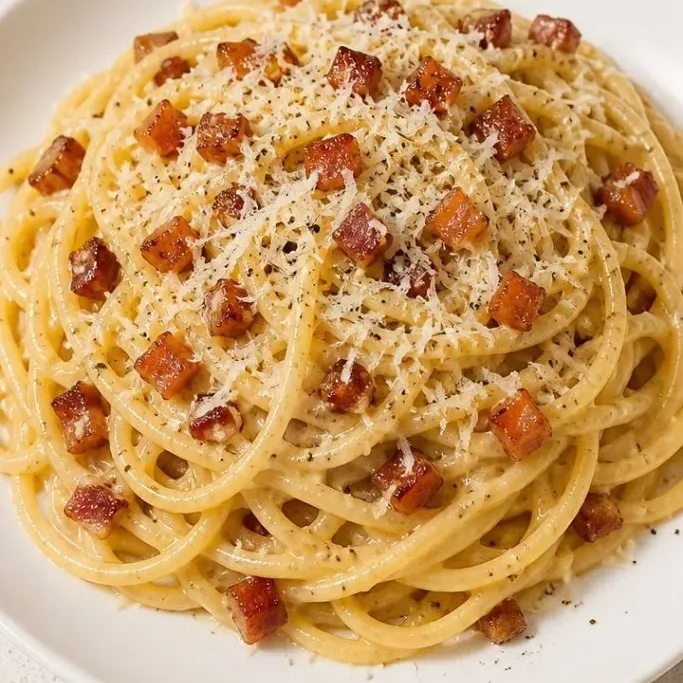
It comes together in about 20 minutes, making it the kind of weeknight dinner that feels like a treat without requiring a plan.
What Makes This Carbonara So Good
This is the version I keep coming back to because the sauce never breaks. The egg mixture hits the hot pasta and melts into a glossy coat that hugs every strand, never scrambling.
The flavor is pure and intense: funky cheese, and a generous crack of black pepper that cuts through the richness. It’s proof that four ingredients, treated well, taste like a lot more.
Ingredients
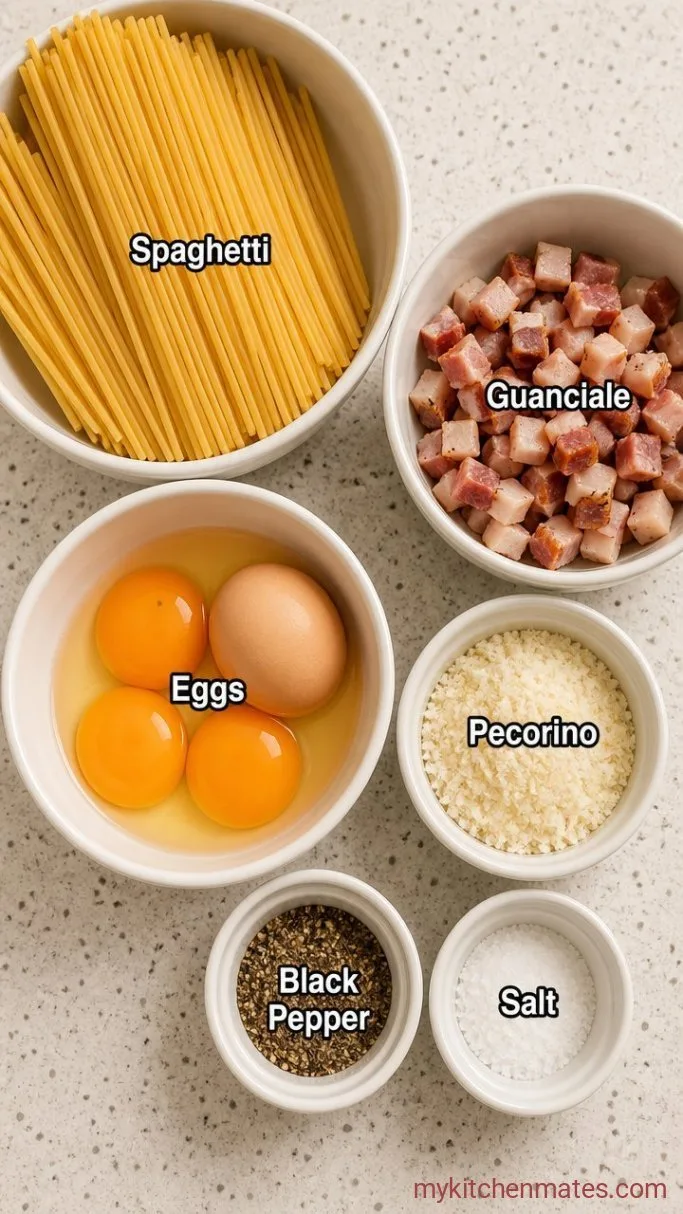
- 1 lb spaghetti: standard dried pasta works best here.
- 6 oz guanciale: the classic cured chicken jowl; pancetta is your next best bet.
- 3 large egg yolks plus 1 whole large egg: room temperature, so the sauce stays silky.
- 1 ½ cups finely grated Pecorino Romano: plus more for serving.
- 1 ½ tsp freshly cracked black pepper: plus extra to finish.
- Kosher salt: for the pasta water.
Variations / Substitutions
- Guanciale swap: Pancetta works and gives a cleaner, less funky taste. Bacon will add smoke so it’s a different dish, but still tasty.
- Cheese swap: Parmesan is milder and sweeter. If you use it, you may want a pinch more salt.
Alfredo Sauce is the sauce we like to serve with this carbonara.
How to Make Spaghetti Carbonara
Step 1: Render the Guanciale
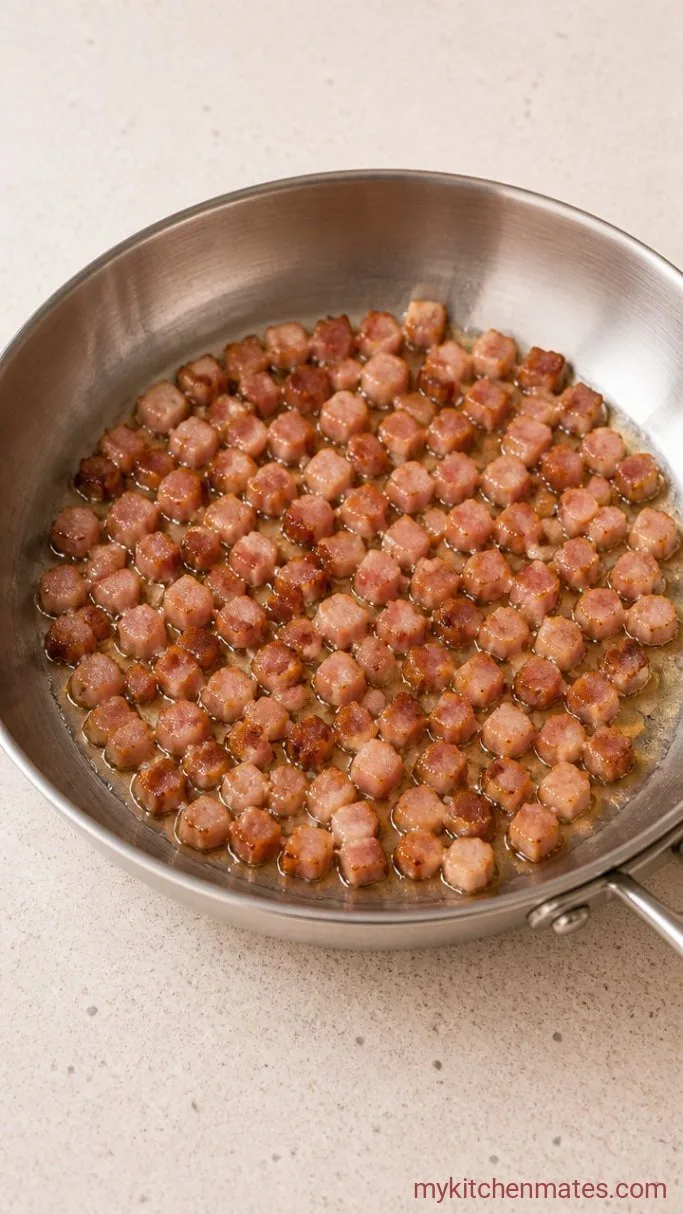
Get a large pot of salted water on to boil. While that heats, cut the 6 oz guanciale into small batons about the size of a matchstick. Place them in a cold skillet and set over medium heat. Cook, stirring once in a while, for 6 to 8 minutes, until the fat renders out and the meat turns deep gold and crisp at the edges.
The kitchen will smell rich and savory, and the rendered fat is pure gold for the sauce. Keep the heat steady; you want the fat hot but not smoking. When the guanciale is crisp, take the skillet off the heat but leave the fat inside.
Step 2: Mix the Egg and Cheese Sauce
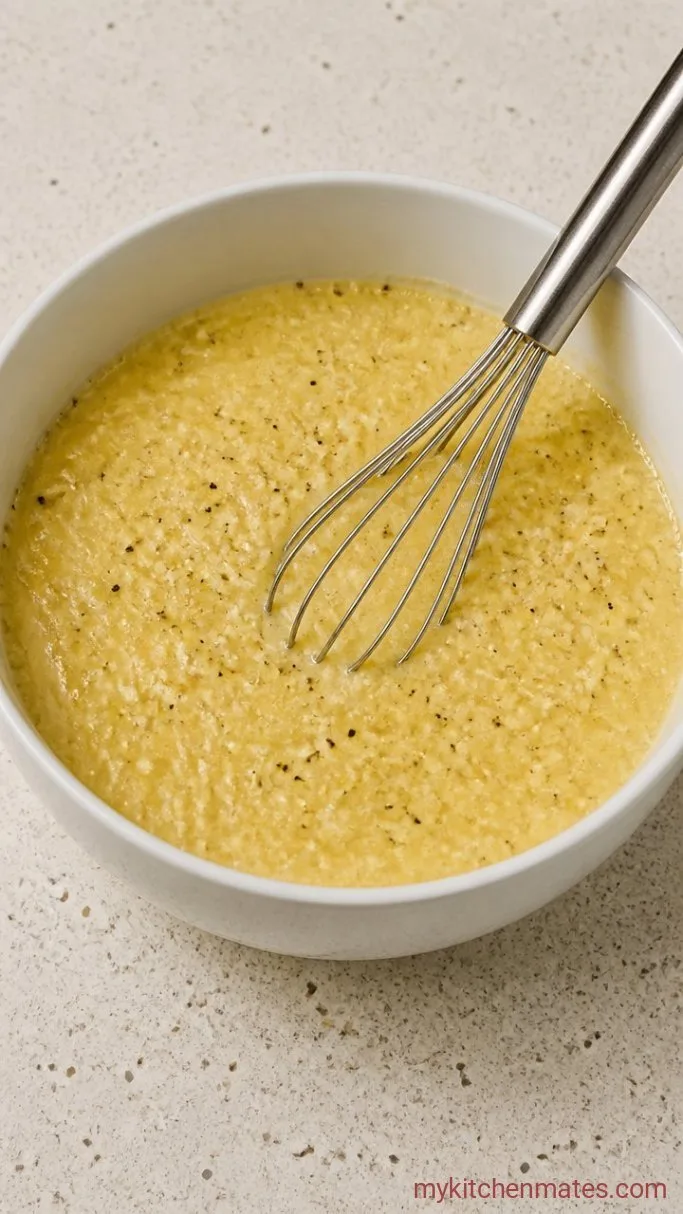
While the guanciale cooks, whisk together the 3 egg yolks, 1 whole egg, and the 1 ½ cups of grated Pecorino in a bowl until smooth. Add the 1 ½ teaspoons of black pepper and whisk again until you get a thick, pale paste.
It will look too stiff at first, but don’t worry. A splash of starchy pasta water will loosen it into a creamy sauce in the next few minutes.
Step 3: Cook the Pasta
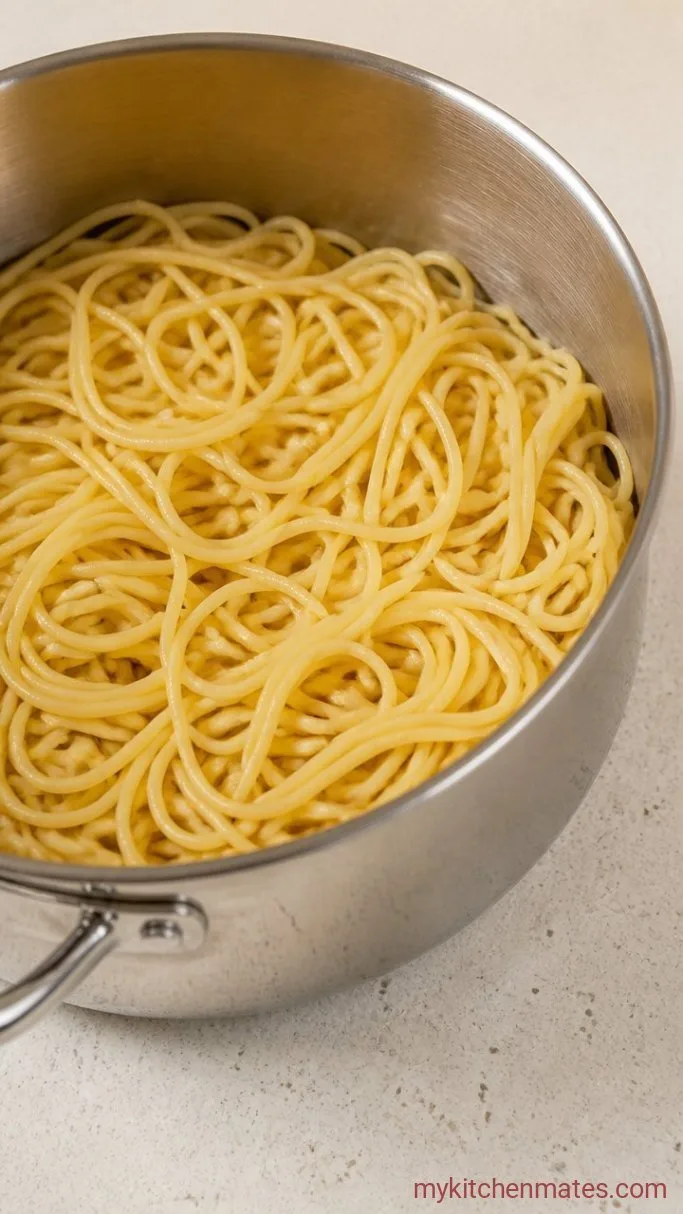
Salt the boiling water well and drop in the 1 lb of spaghetti. Cook until just shy of al dente, about 1 minute less than the package time. Before draining, scoop out 1 full cup of the starchy pasta water and set it aside.
That slightly underdone pasta will finish cooking in the guanciale fat, soaking up all the savory flavor. Have the egg mixture ready right next to the stove.
Step 4: Toss and Serve
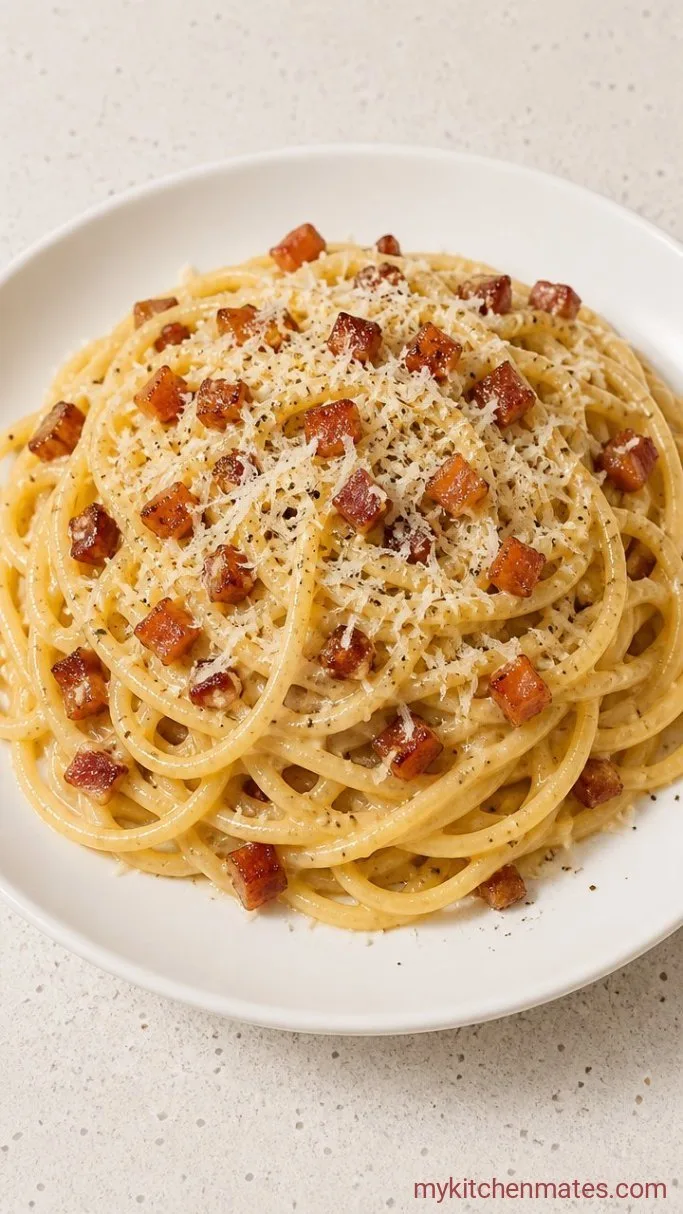
Drain the spaghetti and add it straight into the skillet with the guanciale and its rendered fat. Toss it well over medium-low heat for 30 seconds so every strand gets coated. Then pull the skillet off the heat completely and let it sit for 30 seconds so the pan cools a touch.
Pour the egg and cheese mixture over the pasta and start tossing vigorously with tongs. As you toss, add a splash of reserved pasta water, a little at a time, until the sauce transforms from a thick paste into a glossy, creamy coat that clings to every strand. This takes about 45 seconds of steady movement. If the sauce tightens up, add a bit more water and keep tossing.
Serve it right away in warm bowls, piling each portion high and finishing with a shower of extra Pecorino and another crack of black pepper.
Tips for the Best Carbonara
- Use room-temperature eggs so they melt into a sauce instead of seizing up on contact with the hot pasta. Pull them from the fridge 30 minutes before you cook.
- If you can’t find guanciale, a good pancetta does the job. It’s leaner, so you may need a tiny drizzle of neutral oil in the pan to get the fat rendering.
- The most common slip is letting too much heat hit the eggs. That brief pause off the burner in Step 4 is your insurance against scrambled eggs, do not skip it.
- Save more pasta water than you think you need. It’s your safety net if the sauce gets too tight. You can always discard what you don’t use.
Frequently Asked Questions
Can I use bacon instead of guanciale?
Yes, bacon works in a pinch, but it brings a smoky flavor that isn’t traditional. The dish will taste more like a breakfast pasta, which is honestly still good.
Why did my sauce turn into scrambled eggs?
The pan was almost certainly too hot. Carbonara sauce sets when the egg proteins reach too high a temperature. Taking the skillet off the heat and letting it cool for 30 seconds before adding the egg mixture prevents this.
Do I really need a mix of whole eggs and yolks?
The mix gives you a sauce that is rich but not so thick it turns gluey. All yolks would be heavier; all whole eggs would be thinner. The balance here is what makes the sauce coat the spaghetti just right.
Can I use Parmesan instead of Pecorino?
You can, and it will still taste great. Just know that Parmesan is mellower and nuttier, so the sharp, salty bite of a traditional carbonara will soften. Add a pinch more salt if needed.
Spaghetti Carbonara Recipe
Ingredients
Method
- Cut guanciale into small batons and place in a cold skillet. Set over medium heat and cook for 6 to 8 minutes until golden and the fat is rendered, then remove from heat.
- Whisk egg yolks, whole egg, Pecorino, and black pepper together into a thick paste.
- Cook spaghetti in salted boiling water until just shy of al dente. Reserve 1 cup of pasta water before draining.
- Toss the drained pasta into the skillet with the guanciale fat over medium-low heat for 30 seconds. Remove from heat and let cool 30 seconds, then pour in the egg mixture and toss vigorously, adding splashes of pasta water until the sauce is glossy and creamy. Serve immediately with more cheese and pepper.
Notes
