
Homemade Spicy Buldak Ramen (Korean Fire Chicken Noodles)

Buldak ramen is a fiery Korean noodle dish that brings together chewy noodles, tender chicken, and a sauce so intensely spicy it earns the name “fire chicken.”
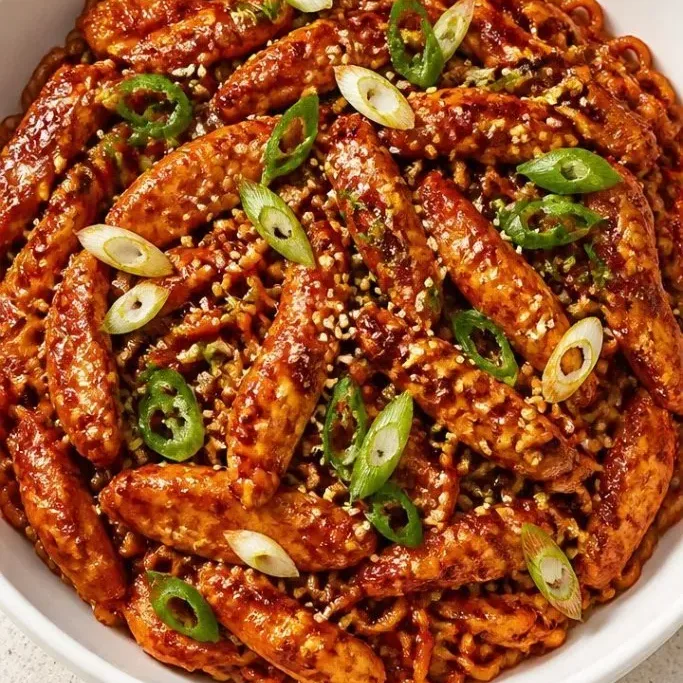
This homemade version skips the instant packet and builds that same sticky, savory heat with gochujang, gochugaru, and a touch of sweetness. Ready in about 30 minutes, it’s a quick, bold dinner for spice lovers.
What Makes This Buldak Ramen So Good
The sauce balances deep spice and a hint of sweetness that clings to every noodle. The chicken stays juicy because we cook it quickly over high heat, and the rice cakes add a chewy bite that makes each forkful more interesting.
It’s also endlessly adaptable. Swap in tofu, load up on vegetables, or dial the heat up or down by adjusting the gochugaru. I keep coming back to this version because it delivers restaurant-level flavor in less than half an hour.
Ingredients
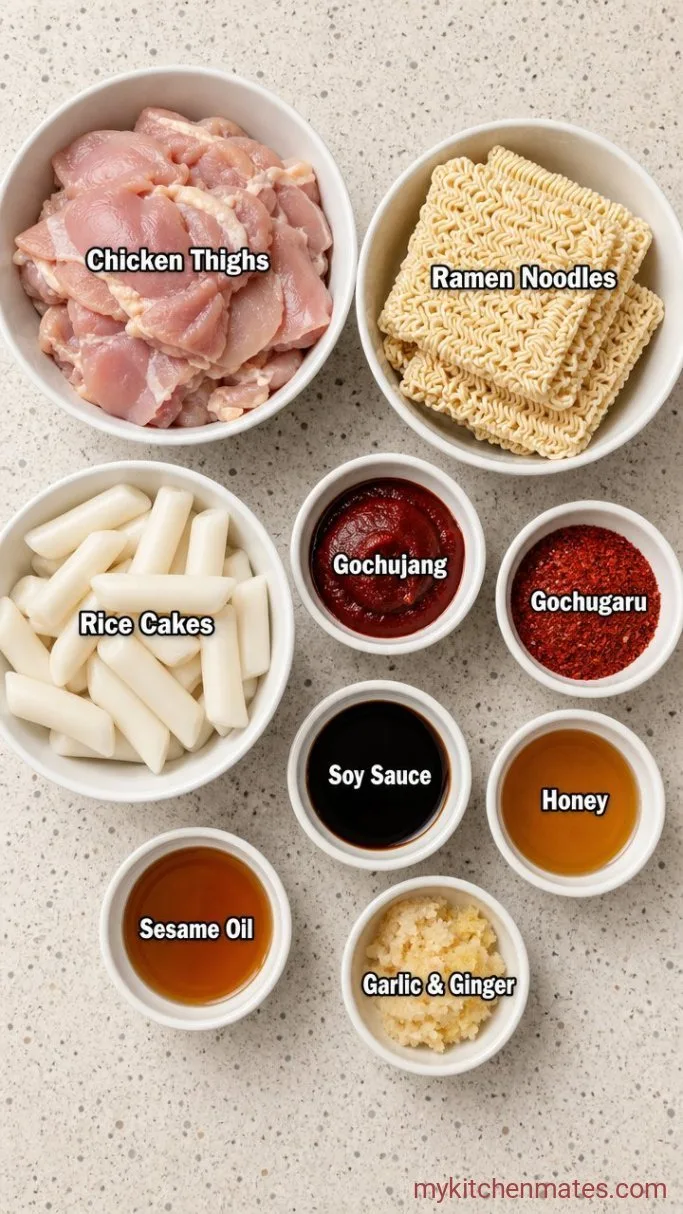
- 8 oz boneless, skinless chicken thighs, sliced thin: stays juicy under high heat
- 2 servings ramen noodles: fresh, frozen, or dried all work
- 1 cup frozen Korean rice cakes (tteok): optional but adds great chew
- 3 tbsp gochujang: the fermented chili paste that anchors the sauce
- 1–2 tbsp gochugaru: Korean chili flakes, for extra heat and red color
- 2 tbsp soy sauce
- 1 tbsp honey
- 1 tbsp toasted sesame oil
- 2 garlic cloves, minced
- 1 tsp grated fresh ginger
- 2 tbsp vegetable oil, for cooking
- Sliced scallions and toasted sesame seeds, for serving
Variations / Substitutions
- Swap the protein: Use thinly sliced beef, shrimp, or extra-firm tofu. Press the tofu well and cut it into bite-sized pieces so it sears nicely.
- Change the noodles: Udon, lo mein, or even spaghetti work. Cook to package directions and drain well.
- Control the heat: Dial the gochugaru down to 1 teaspoon for mild warmth, or leave it out entirely for a tamer gochujang noodle. You can always stir in more at the end.
- Add a blanket of cheese: A slice of American cheese on top, left to melt into the hot noodles, is a popular Korean trick that softens the spice and makes the sauce even more luscious.
Extra-Crispy Japanese Fried Chicken is a great main dish to serve alongside this ramen.
How to Make Buldak Ramen
Step 1: Mix the Sauce
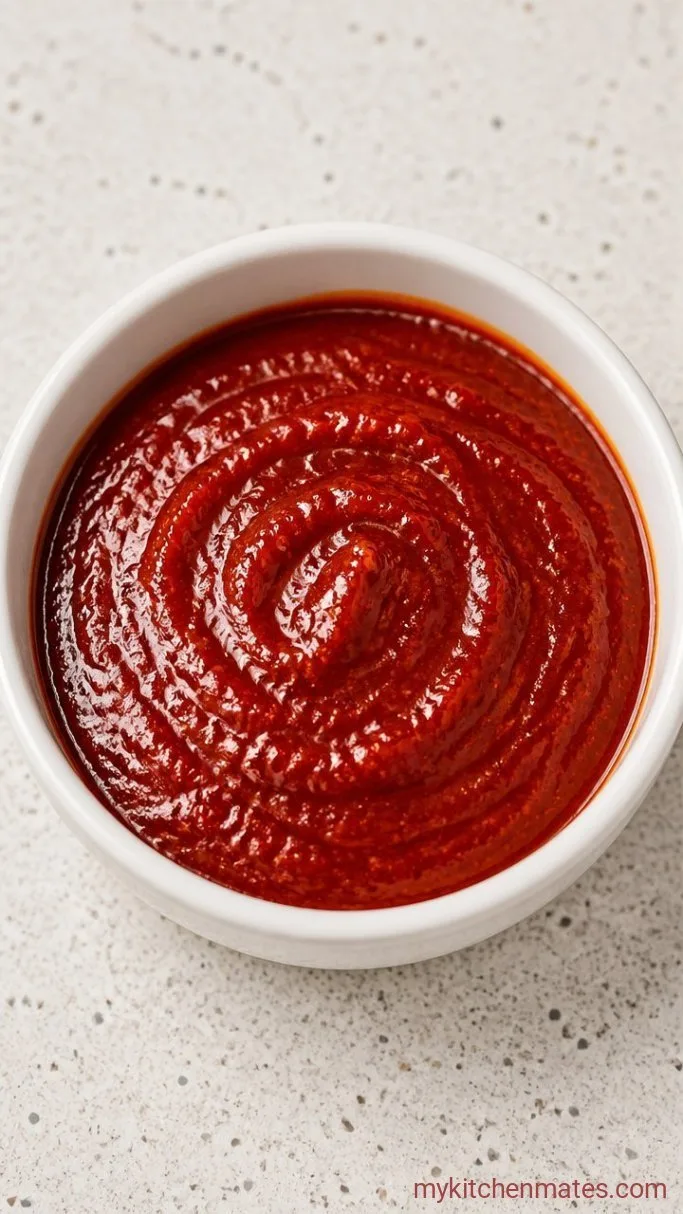
In a small bowl, whisk together the 3 tbsp gochujang, 2 tbsp soy sauce, 1 tbsp honey, 1 tbsp sesame oil, minced garlic, grated ginger, and 1–2 tbsp gochugaru until smooth.
The sauce will smell deeply savory and spicy as it comes together. It should be thick but pourable. If it feels too stiff, thin it with a teaspoon of water.
Step 2: Sear the Chicken
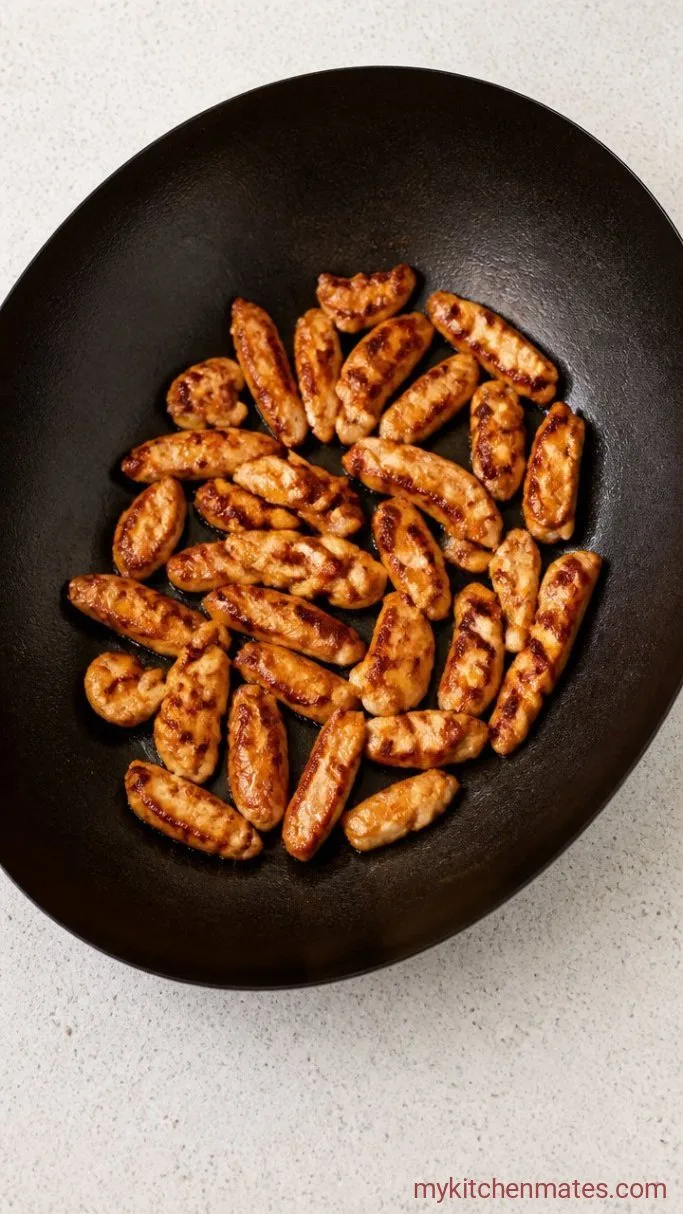
Season the sliced chicken with a pinch of salt. Set a large skillet or wok over high heat, add the 2 tbsp vegetable oil, and let it get shimmering hot. Spread the chicken in a single layer and cook undisturbed for about 2 minutes, until the edges turn golden.
When you flip the pieces, they should show brown caramelized spots. Those bits will dissolve into the sauce later and add a ton of flavor. Cook the second side for another 1–2 minutes, just until the chicken is cooked through, then transfer it to a plate.
Step 3: Cook the Noodles and Rice Cakes
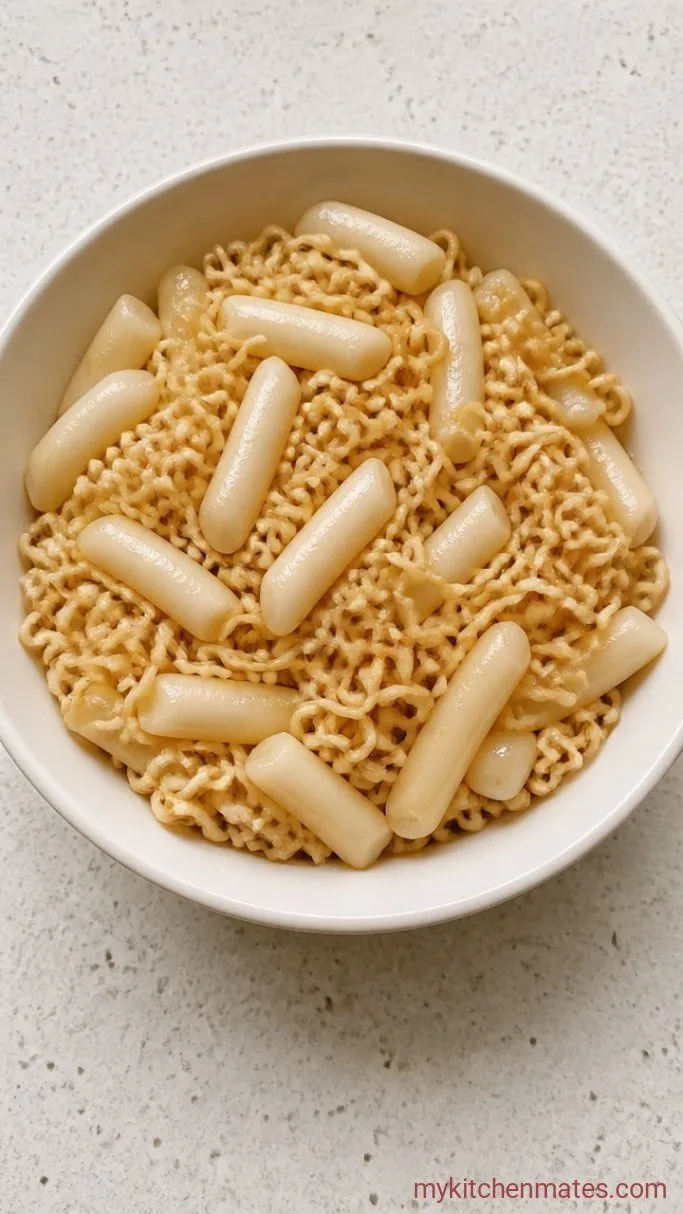
While the chicken rests, bring a pot of water to a boil and cook the ramen noodles according to the package directions. If you’re using frozen rice cakes, drop them into the pot during the last 1 minute of cooking. Drain everything, but save about ¼ cup of the starchy cooking water.
The rice cakes should look slightly puffy and feel pleasantly chewy. That reserved water is what will help the sauce glide onto the noodles.
Step 4: Combine and Toss
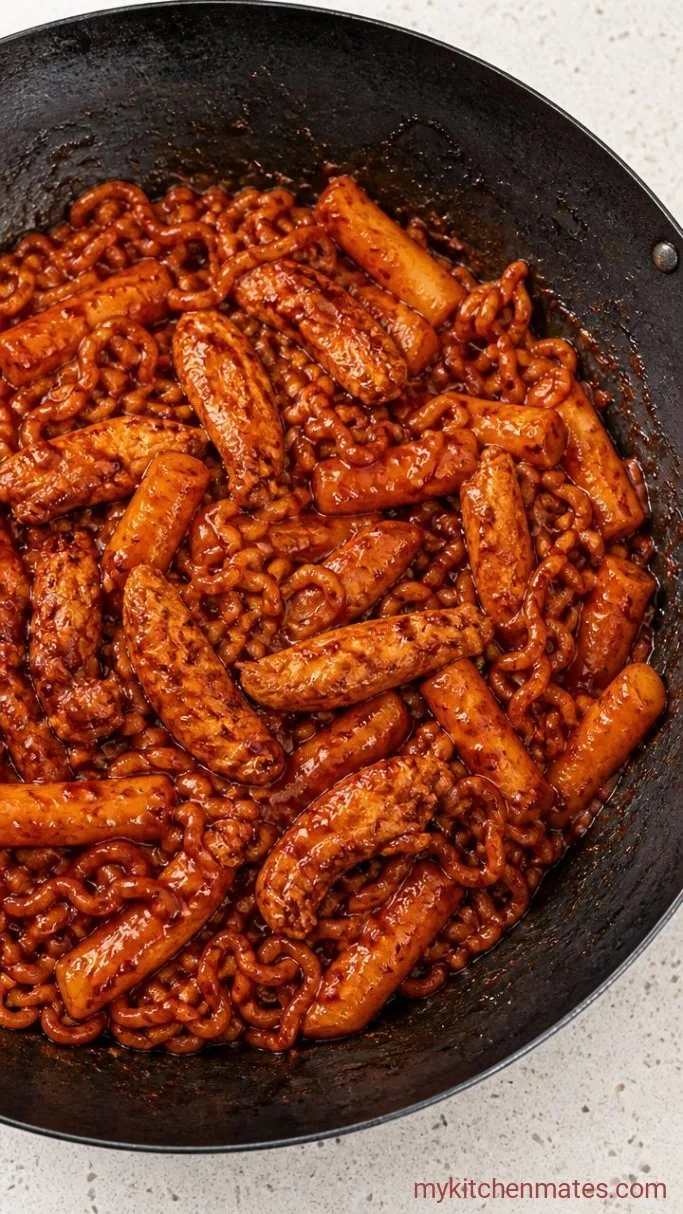
Return the skillet with the chicken to medium heat. Pour the sauce over the chicken and let it bubble for about 1 minute, just long enough to soften the garlic and ginger. Add the drained noodles and rice cakes, then toss everything with tongs until every strand is coated.
As you toss, the noodles will turn a deep red. If the sauce seems too thick, splash in a little of the reserved pasta water. Give it a taste and stir in a pinch more gochugaru if you want extra fire.
Step 5: Bowl and Garnish
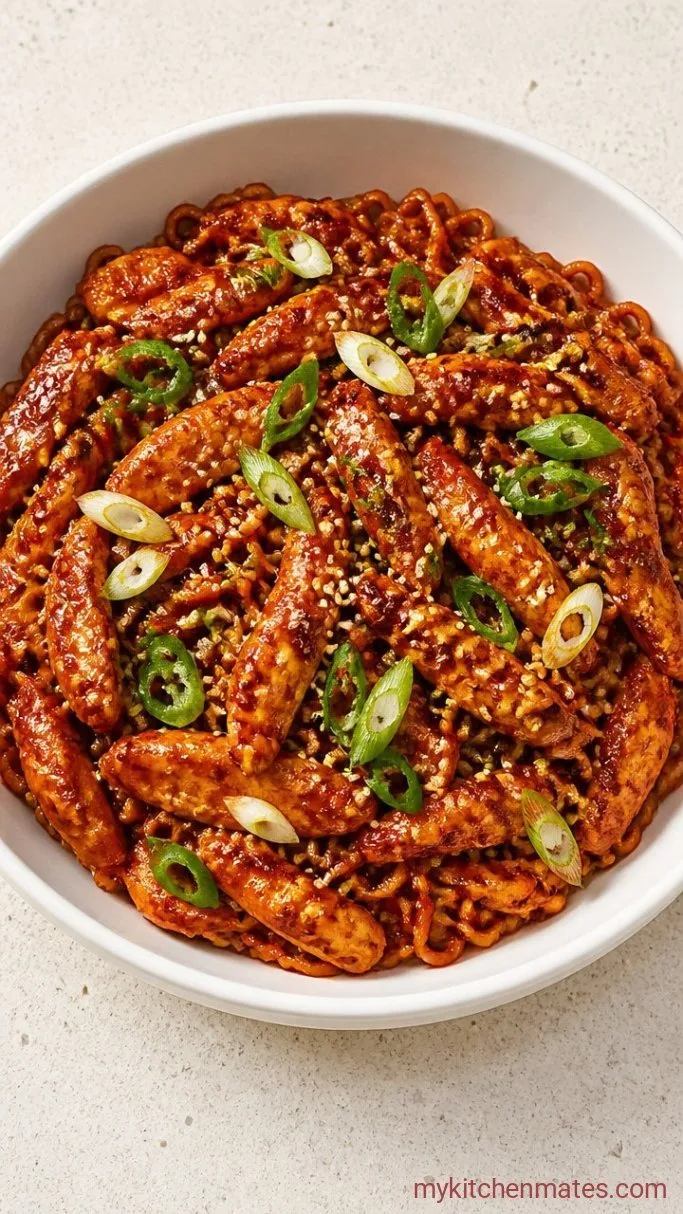
Divide the noodles between two deep bowls, spooning extra sauce over the top. Scatter sliced scallions and a generous pinch of toasted sesame seeds over each bowl and serve immediately, while the noodles are still steaming.
Tips for the Best Homemade Buldak Ramen
- Choose the right noodles: Fresh or frozen ramen or udon noodles have a bouncier texture that holds up well to the thick sauce. If you only have dried, they’ll still work fine.
- Slice chicken cold: Pop the thighs in the freezer for 10 minutes before slicing. It’s much easier to cut thin, even strips that cook fast and stay tender.
- Start gently with the spice: If you’re unsure about the heat, begin with just 1 tablespoon of gochugaru in the sauce. You can always bring more to the table and let everyone adjust their own bowl.
- Try the cheese trick: For a truly iconic Korean finish, lay a slice of American cheese on top of the hot noodles and let it melt in before you eat. It tames the heat and creates an indulgent creamy layer.
Storing Leftover Buldak Ramen
Refrigerate: Store any leftovers in an airtight container for up to 3 days. The noodles will soak up more sauce as they sit, so the dish will be extra sticky and flavorful.
Reheating: Warm the noodles gently in a skillet over medium heat with a splash of water or chicken broth. Stir often to loosen the sauce and prevent scorching.
What To Serve With Buldak Ramen
A simple cucumber salad dressed with rice vinegar cuts the richness beautifully and cools your mouth between bites. Pickled radish brings a tangy crunch that works the same way. If you want to treat yourself, a fried egg on top adds a runny yolk that makes the whole bowl even more satisfying.
Frequently Asked Questions
Can I make this recipe less spicy?
Yes. Reduce the gochugaru to 1 teaspoon and lean on the gochujang for flavor without the searing heat. A little extra honey can also soften the spice.
Can I use chicken breast instead of thighs?
You can, but breast cooks faster and can dry out easily. Cut it into similar thin strips and pull it from the pan the moment it turns opaque.
Is there a vegetarian version?
Absolutely. Swap the chicken for extra-firm tofu or a mix of mushrooms, and make sure no animal-based broth sneaks into your noodles. It’s still incredibly bold.
What if I can’t find gochugaru?
You can substitute red pepper flakes or a pinch of cayenne, though the smoky depth will be different. Start with half the amount and add more to taste.
Can I use instant ramen noodles without the seasoning packet?
Yes. Just cook the noodles according to the package, toss the seasoning packet, and drain well. The texture is a little softer, but the sauce carries the day.
Buldak Ramen Recipe
Ingredients
Method
- Whisk together the gochujang, gochugaru, soy sauce, honey, sesame oil, garlic, and ginger until smooth.
- Season chicken with salt. Heat vegetable oil in a large skillet over high heat, add chicken in a single layer, and sear for 2 minutes per side until golden and cooked through. Set aside.
- Cook ramen noodles according to package directions, adding rice cakes during the last minute. Drain, reserving ¼ cup cooking water.
- Return the skillet to medium heat, pour the sauce over the chicken, and let it bubble for 1 minute. Add the noodles and rice cakes, toss to coat, and use reserved water to thin the sauce if needed.
- Divide between bowls, top with scallions and sesame seeds, and serve immediately.
Notes
