
Juicy Braised Chicken Breast

If you’ve ever ended up with dry, stringy chicken breasts, braising is the technique that turns them around. A quick sear then a gentle simmer in a fragrant white grape juice transforms them into something so tender you can cut it with a spoon.
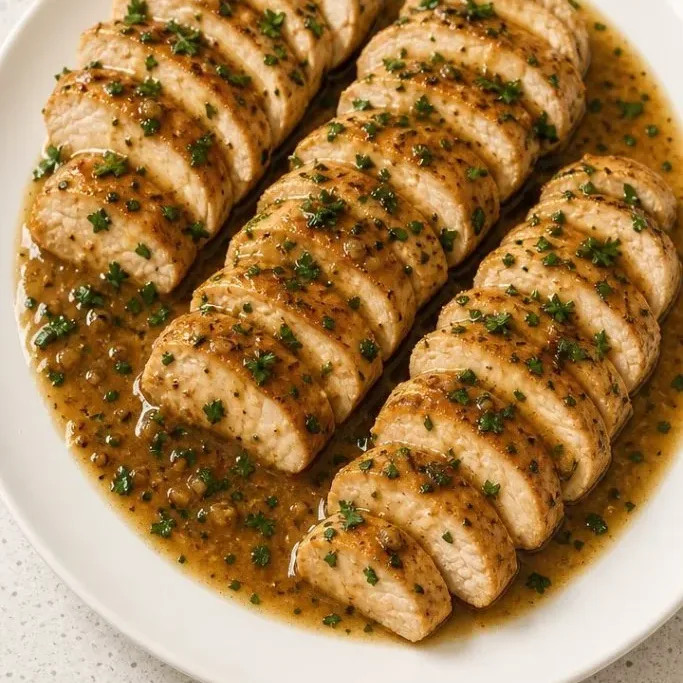
This recipe uses simple pantry ingredients and one pan, so it’s perfect for a weeknight when you want dinner that feels a little more special without any extra fuss.
Why This One Stays in the Rotation
The chicken stays moist because it cooks partway submerged in liquid, not blasted by dry heat. The juice and broth reduce into a silky, aromatic sauce that tastes like hours of effort in about half an hour.
I reach for this method when I have boneless breasts and want a sauce I can spoon over rice or bread. The herbs and lemon give it a bright finish that keeps the whole dish light, even though it’s deeply savory.
Ingredients
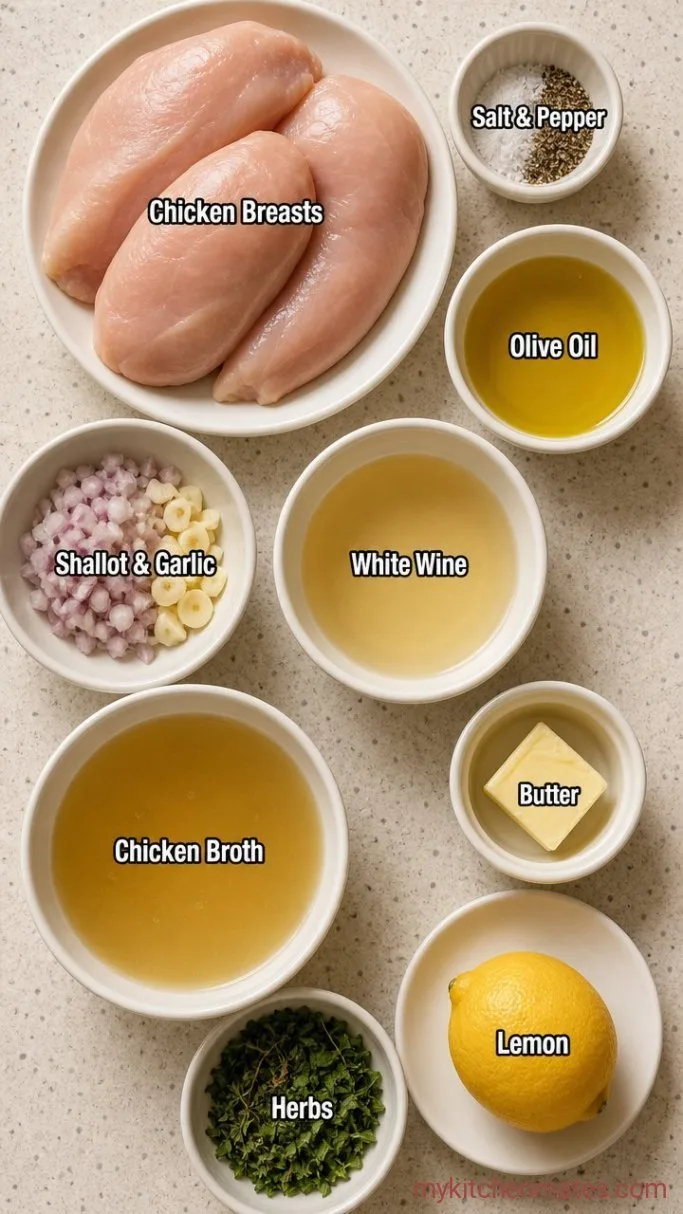
- 4 boneless, skinless chicken breasts (about 6 oz / 170 g each): look for pieces that are roughly the same thickness so they cook evenly
- 1 tsp kosher salt: plus more to taste
- ½ tsp black pepper
- 2 tbsp olive oil: for searing
- 1 small shallot, finely chopped: or half a small onion
- 2 cloves garlic, thinly sliced
- ½ cup (120 ml) dry white grape juice: sauvignon blanc or pinot grigio work well
- ½ cup (120 ml) low-sodium chicken broth
- 1 tbsp unsalted butter: for finishing the sauce
- 1 tbsp fresh lemon juice
- 2 tsp chopped fresh thyme leaves: or 1 tsp dried
- 1 tbsp chopped fresh parsley: for serving
Variations / Substitutions
- Swap the chicken: use boneless thighs and increase braising time by a few minutes. They’ll be extra juicy.
- Dairy-free: skip the butter and whisk in 1 tbsp good olive oil after taking the pan off the heat.
- Herb swap: rosemary or tarragon both work nicely. Use soft herbs at the end, woodier herbs early.
- Add cream: stir 2 tbsp heavy cream into the sauce with the butter for a richer finish.
Shrimp and Corn Chowder makes a comforting soup to pair with this recipe.
How to Make Braised Chicken Breast
Step 1: Season and Sear the Chicken

Pat the chicken breasts completely dry with paper towels. Season both sides with the 1 tsp salt and ½ tsp pepper. Set a large skillet over medium-high heat and add the 2 tbsp olive oil. Once the oil shimmers, place the chicken in the pan in a single layer.
Leave it alone for about 4 minutes, until the underside is deep golden brown. The chicken should release easily from the pan. Flip and sear the other side for 3 minutes more. You’re not cooking it through yet, just building color. Transfer the chicken to a plate and set aside.
Step 2: Build the Braising Liquid
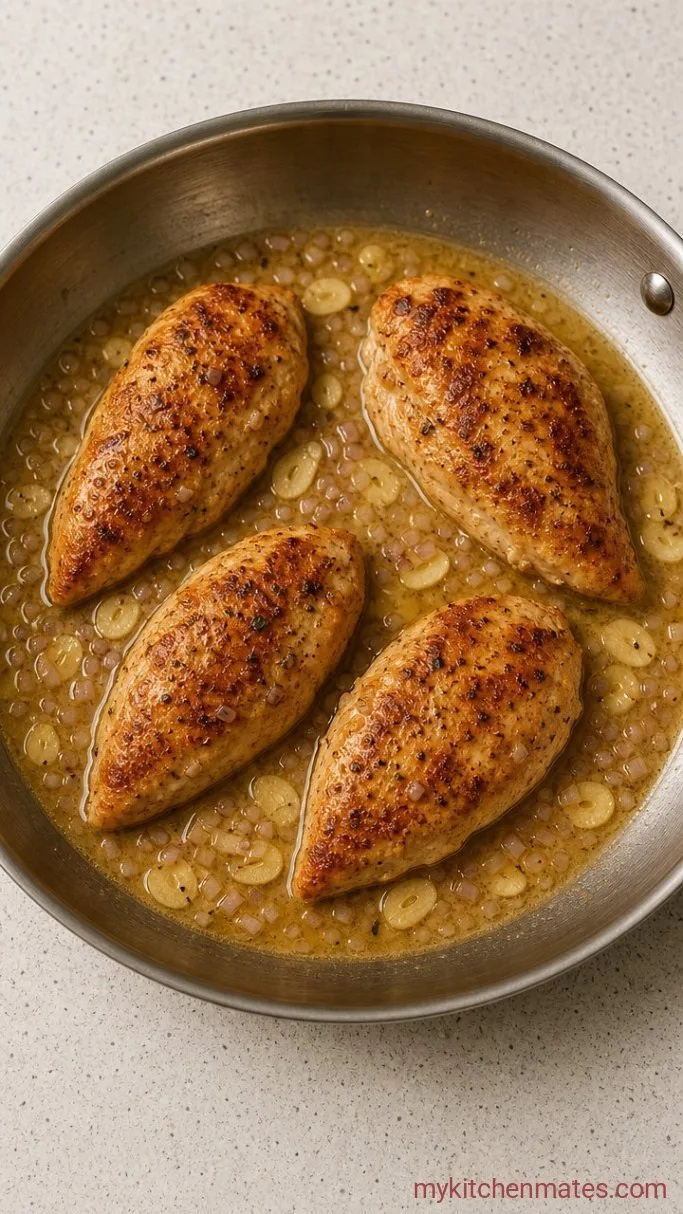
Turn the heat down to medium and add the chopped shallot to the same pan. Cook for 2 minutes, stirring often, until it softens and turns translucent. Toss in the sliced garlic and cook 30 seconds more, just until fragrant.
Pour in the ½ cup white grape juice. Scrape up any browned bits stuck to the bottom of the pan with a wooden spoon. Let the juice bubble for 1 minute, then add the ½ cup chicken broth and the thyme. The liquid will look thin and fragrant at this stage, and that’s exactly what you want.
Step 3: Braise the Chicken

Return the seared chicken breasts to the pan, along with any juices that collected on the plate. The liquid should come about halfway up the sides of the chicken. Bring it to a gentle simmer, then lower the heat so the surface just barely ripples.
Cover the pan with a lid or a sheet of foil and cook for 12 to 15 minutes. Start checking at 12 minutes. The chicken is done when the thickest part reaches 165°F (74°C) on an instant-read thermometer and the meat feels firm with just a little spring. The sauce will have reduced slightly and smell rich and savory.
Step 4: Finish the Sauce
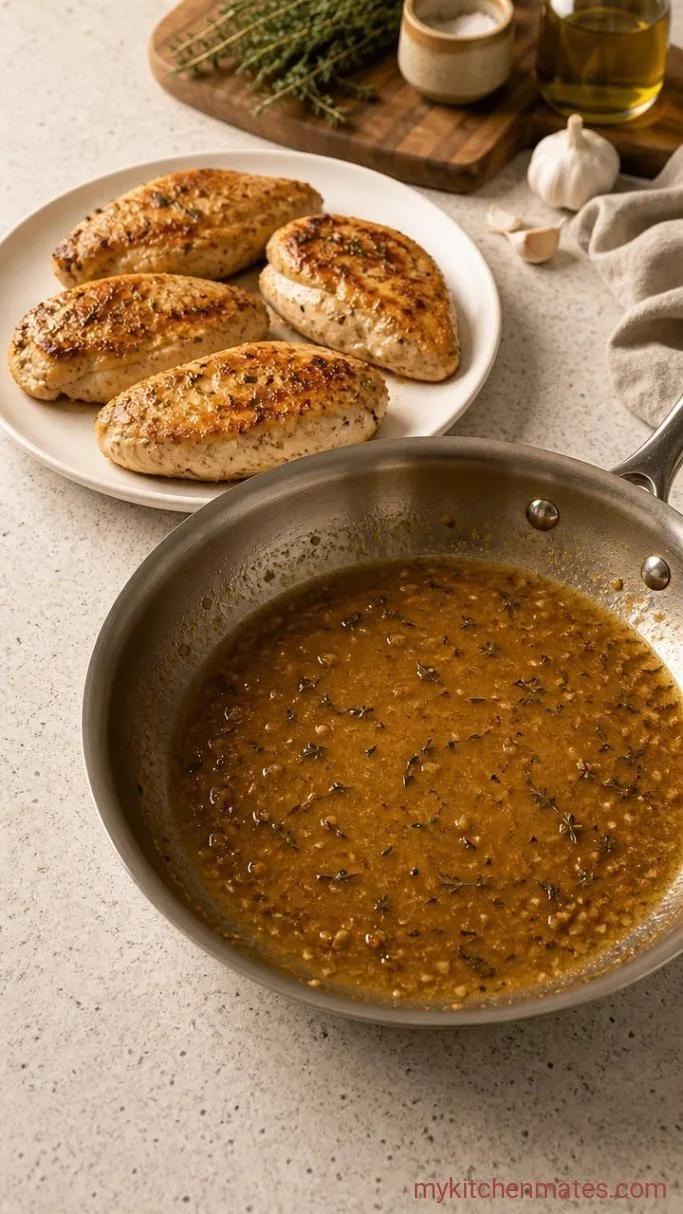
Move the chicken to a clean plate and tent it loosely with foil. Raise the heat under the pan to medium-high and let the liquid simmer uncovered for 3 to 4 minutes, until it reduces to a consistency that lightly coats the back of a spoon.
Take the pan off the heat. Stir in the 1 tbsp butter, 1 tbsp lemon juice, and a pinch of salt if needed. The sauce will turn glossy and taste bright at the same time. Spoon a little over the resting chicken while you get ready to serve.
Step 5: Slice and Spoon Over Sauce

For the best chicken breast preparation, slice each chicken breast against the grain into thick pieces and arrange them on a serving plate or individual plates. Spoon the pan sauce generously over the top, then scatter with the fresh parsley. Serve while the chicken is still hot and the sauce is silky.
A Few Notes Before You Start
- Pound them even: if your chicken breasts are very uneven, place them between two sheets of plastic wrap and gently pound the thick end with a rolling pin until the whole piece is about ¾ inch thick. Even thickness prevents dry edges.
- Don’t rush the sear: a good golden crust adds deep flavor to the sauce. If the chicken sticks when you try to flip it, give it another 30 seconds.
- Use an instant-read thermometer: breast meat goes from perfectly moist to dry in seconds. Pull it at 160 to 165°F and let carryover cooking finish the job.
- Leftover sauce idea: if you have extra sauce, toss it with hot pasta or drizzle over steamed green beans.
Braise times by thickness:
| Chicken breast thickness | Braising time after returning to simmer |
|---|---|
| ½ inch (1.3 cm) | 8 to 10 minutes |
| ¾ inch (2 cm) | 12 to 15 minutes |
| 1 inch (2.5 cm) | 16 to 18 minutes |
Storing Leftovers
Refrigerate: keep the chicken and sauce together in a sealed container for up to 3 days. The meat stays moist by sitting in the sauce.
Reheating: warm gently in a covered skillet over low heat with a splash of water or broth. A microwave on medium power works too, but stop as soon as it’s hot through.
What To Serve With Braised Chicken Breast
Buttery mashed potatoes are a natural choice because they soak up the juice. Crusty bread works just as well for sopping up every last drop. On lighter nights, a simple arugula salad with lemon vinaigrette cuts through the richness and keeps the plate fresh.
Frequently Asked Questions
Can I use bone-in chicken breasts?
Yes. Sear them the same way, then plan on 25 to 30 minutes of braising time. The meat will be exceptionally tender.
What if I don’t have white grape juice?
Replace it with an equal amount of chicken broth and add 1 tablespoon of white vinegar or lemon juice when you finish the sauce. It won’t be identical, but it will still be bright and savory.
Can I braise chicken breast from frozen?
It’s not ideal. The outside can overcook before the center hits a safe temperature. Thaw the chicken fully in the refrigerator overnight for the most even cooking.
Why is my sauce too thin?
Let it reduce another minute or two uncovered after removing the chicken. A wider pan also speeds reduction, so if you used a small skillet just give it a little extra time.
Juicy Braised Chicken Breast Recipe
Ingredients
Method
- Pat chicken dry and season with salt and pepper. Sear in hot olive oil until deeply golden on both sides, about 4 and 3 minutes. Transfer to a plate.
- In the same pan, cook shallot until soft, add garlic for 30 seconds. Pour in wine, scrape up browned bits, and add broth and thyme.
- Return chicken and any juices to the pan. Bring to a gentle simmer, cover, and cook 12 to 15 minutes until the chicken reaches 165°F.
- Remove chicken and tent with foil. Reduce the sauce uncovered over medium-high for 3 to 4 minutes, then off heat stir in butter and lemon juice.
- Slice chicken against the grain, plate, spoon sauce over the top, and finish with parsley.
Notes
