
Quick & Easy Banana Teething Biscuits

These banana oat teething biscuits are just about the simplest thing you can make for a fussy, gumming baby. They come together with two ingredients and a sprinkle of cinnamon, then bake into a firm little stick that holds up to serious chewing.
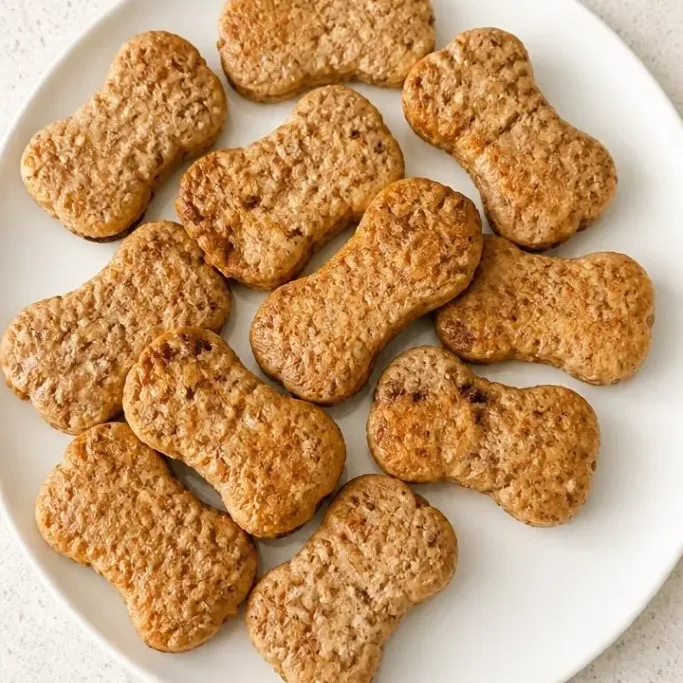
They are not sweet like a cookie, just naturally mellow from ripe banana, with a gentle crunch that softens fast when it hits a wet mouth. When my baby was cutting molars, these were the only thing that kept us both calm around 3 p.m.
A Teething Biscuit My Baby Actually Wants to Gnaw On
Most store bought teething biscuits crumble into dust or taste like cardboard. These have a real flavor, a sturdy shape, and a texture that works for both front teeth and way back gums.
The banana does all the binding, so there is no egg, no flour, and no added sugar to wake you up with a sugar crash later. Oats give the biscuit enough body to survive a determined grip without breaking.
Ingredients
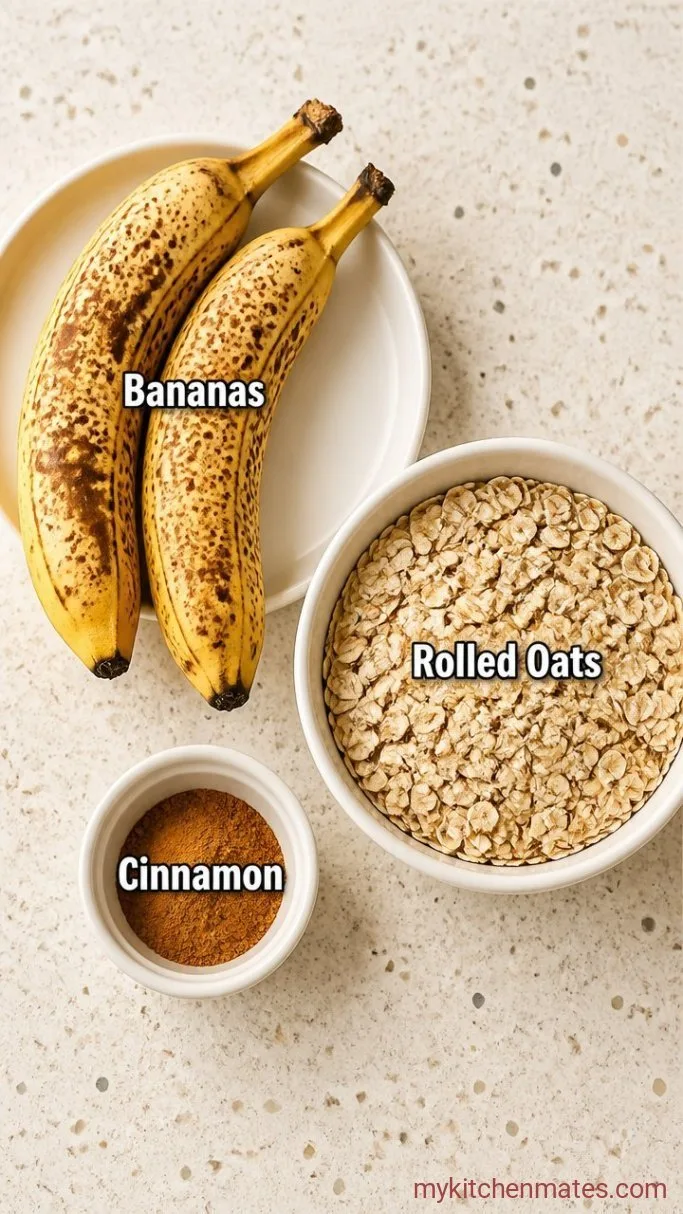
- 2 very ripe bananas, peeled: the spottier the better for natural sweetness and moisture.
- 1 cup (90 g) rolled oats: old fashioned oats work best; they hold their shape and create a coarse, grippy texture.
- ½ tsp ground cinnamon (optional): adds warmth without any sugar.
Variations / Substitutions
- Make them nutty: stir 1 tbsp smooth almond butter into the banana before adding oats for extra fat and flavor.
- Sweet potato swap: use ½ cup (120 g) mashed cooked sweet potato in place of the bananas; the dough will be a little stiffer, so add a teaspoon of water if needed.
- Spice it up: a pinch of ground nutmeg or cardamom works nicely alongside the cinnamon.
- Dairy free by default: these are naturally dairy free, no swaps needed.
Tomato Basil Soup makes a comforting soup to pair with these biscuits.
How to Make Quick & Easy Banana Teething Biscuits
Step 1: Mash the Bananas
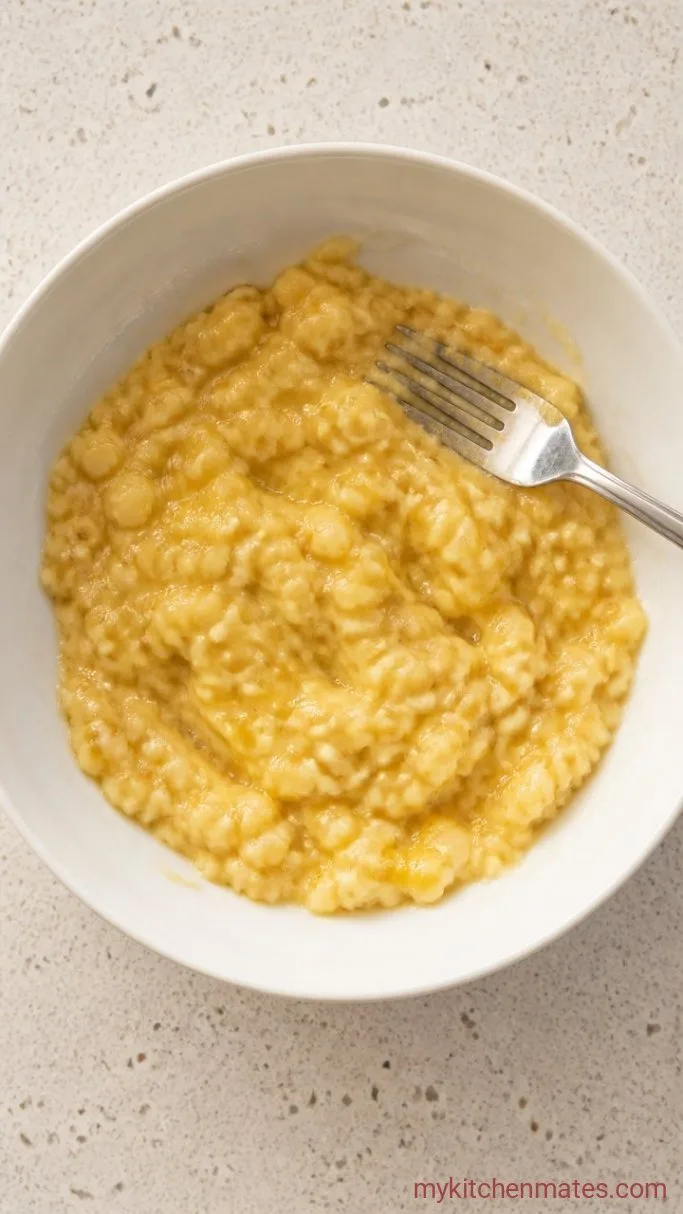
Put the 2 peeled bananas into a medium bowl and mash with a fork until they turn into a smooth, pudding like paste with no big lumps. This takes about 1 minute. You want a consistency that will coat the oats evenly, so a few tiny lumps are fine but leave no whole slices.
Step 2: Mix the Dough
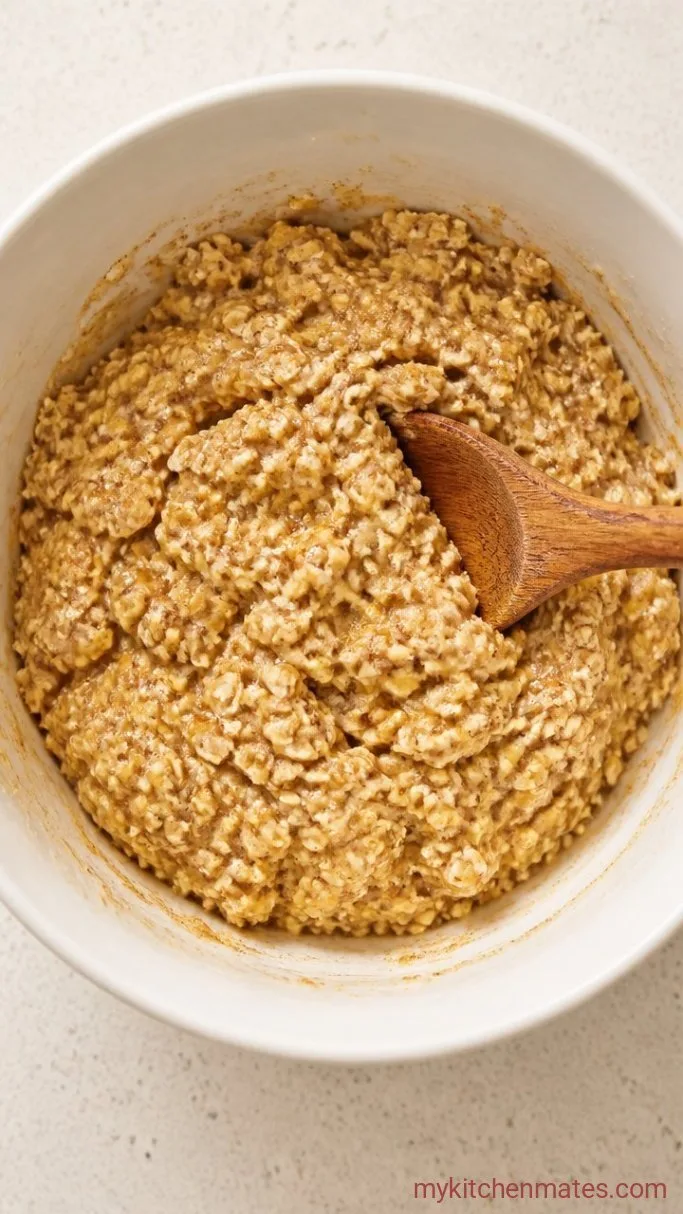
Add the 1 cup rolled oats and the optional ½ teaspoon cinnamon. Stir with a spoon or a spatula until every oat flake is damp and the mixture clumps together into a soft dough that holds its shape when you press it. That takes about 2 minutes of stirring. If the dough seems dry and crumbly, mash in a teaspoon of water at a time until it comes together.
Step 3: Shape the Biscuits
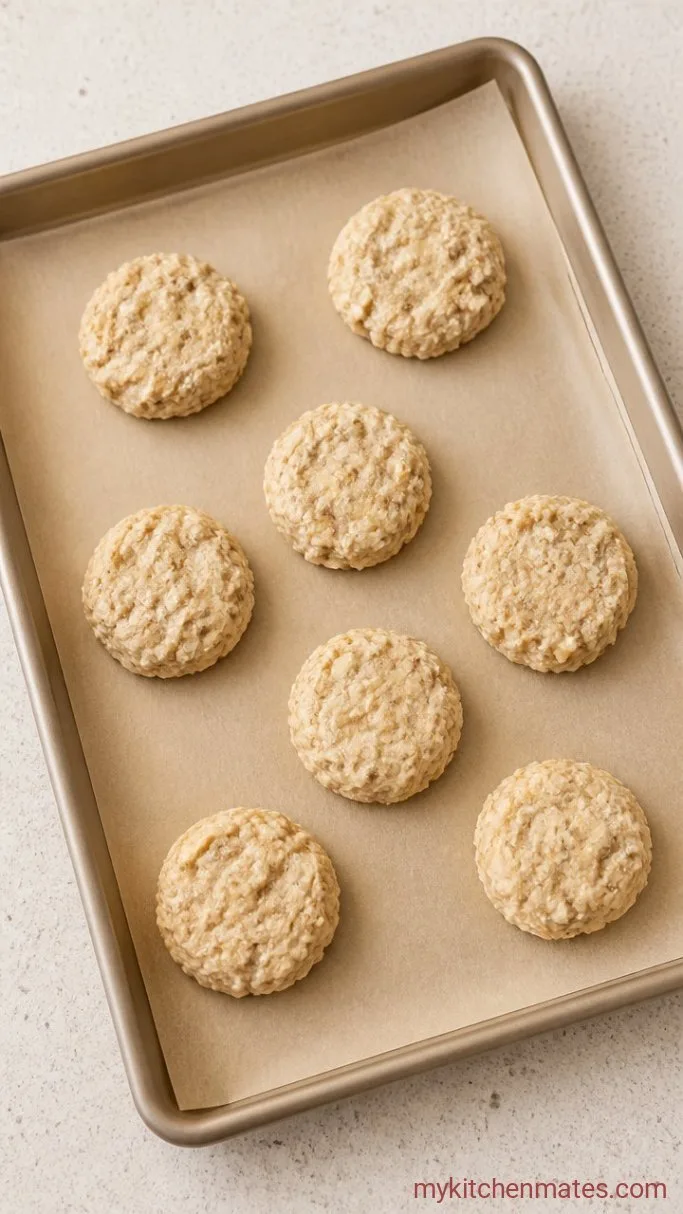
Line a baking sheet with parchment paper. Scoop the dough onto the sheet and use damp hands to press and roll it into fingers about 3 inches long and half an inch thick. You are aiming for a shape a little hand can grip easily, so keep them longer than they are wide. Space them an inch apart. You should get about 8 biscuits.
Step 4: Bake, Cool, and Arrange

Preheat the oven to 350°F (180°C). Slide the sheet into the oven and bake for 12 to 15 minutes. The biscuits are ready when the edges look dry and feel firm to the touch, with just a hint of golden color. Pull them out and let them cool completely on the sheet or a rack. They will crisp and harden as they cool, which makes them perfect for teething. Arrange them on a small plate and serve at room temperature, with a watchful eye nearby.
Tips for Teething Biscuit Success
- Let the biscuits cool all the way before handing one over. A warm biscuit is softer and will break apart faster, which defeats the purpose.
- Ripe bananas are your secret to binding. Greenish bananas lack the moisture and natural sugars that make this dough work.
- Keep the shapes consistent in thickness so every biscuit finishes baking at the same time. Use a ruler the first time if it helps.
- If you want an extra firm biscuit, let the baked fingers sit uncovered on the counter for an hour before storing. They will dry out a little more and become even tougher to gnaw through.
Baking times for different shapes:
| Shape | Size | Time |
|---|---|---|
| Fingers | 3 inches long, ½ inch thick | 12–15 minutes |
| Rounds | 2 inch circles, ¼ inch thick | 10–12 minutes |
| Thick sticks | 3 inches long, ¾ inch thick | 15–17 minutes |
Storing Leftover Biscuits
- Refrigerate: keep the biscuits in an airtight container at room temperature for up to 3 days, or in the fridge for 5 days. The fridge can make them a little harder, which many teething babies actually prefer.
- Freeze: stack them with parchment between layers and freeze for up to 2 months. Thaw at room temperature for 20 minutes before giving to your baby. A frozen biscuit straight from the freezer can also soothe swollen gums on a really tough day, just watch out for tiny cold fingers.
Frequently Asked Questions
Can I use quick oats?
Yes, but the texture will be much softer and the biscuit may crumble more quickly. For a firm teething aid, stick with old fashioned rolled oats.
My baby has no teeth yet, are these safe?
The biscuit softens quickly as saliva soaks in, but you should still stay right next to your baby and watch for any piece that breaks off. Never leave a baby alone with a teething biscuit.
What if the dough feels too sticky to shape?
Wet your hands lightly with water before rolling each biscuit. If it is still unmanageable, stir in an extra tablespoon of oats and let the dough sit for 2 minutes.
Can I add a little sweetness?
These biscuits rely on ripe banana for all the sweetness a baby needs, but if you are making them for an older child you can mix in 1 teaspoon of maple syrup with the banana. Keep in mind that added sugar is not recommended for babies under one year.
Quick & Easy Banana Teething Biscuits Recipe
Ingredients
Method
- Mash the bananas in a medium bowl until smooth, about 1 minute.
- Add the oats and cinnamon and stir until a soft dough forms, about 2 minutes.
- With damp hands, shape the dough into 8 fingers about 3 inches long and ½ inch thick on a parchment lined baking sheet.
- Bake at 350°F (180°C) for 12 to 15 minutes until edges are firm and lightly golden. Cool completely on a rack before serving.
Notes
