
No-Cook Creamy Avocado Pesto Pasta

This avocado pesto pasta gets a velvety, no-cook sauce from ripe avocado, fresh basil, and a handful of pantry staples. It’s the dinner you turn to when you want something rich and satisfying but don’t want to turn on the stove for the sauce.
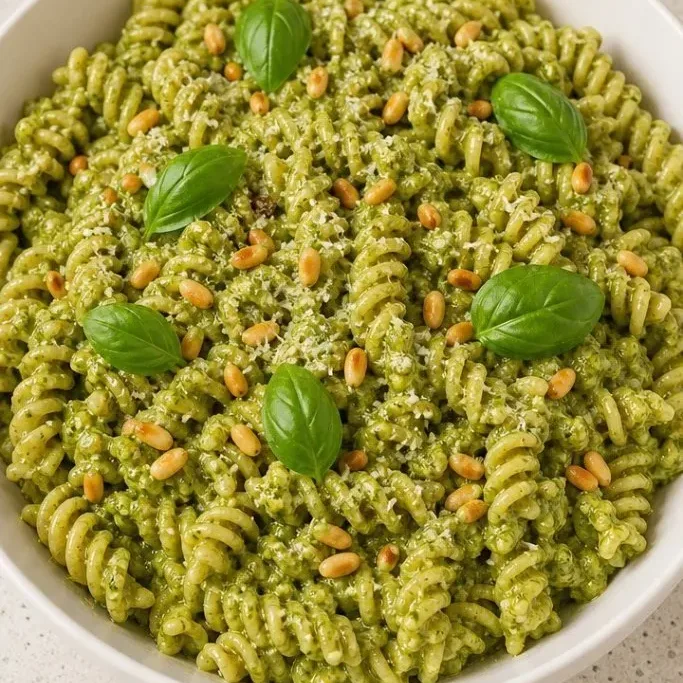
Toss it with hot pasta and a splash of reserved cooking water, and you get a creamy, clingy pesto that tastes far more indulgent than the effort suggests.
Why This Pasta Hits the Spot
The avocado melts into the basil and olive oil, creating a sauce that coats every noodle without a drop of cream or a pat of butter. It’s buttery in texture, bright from lemon, and genuinely filling.
Leftovers hold up better than you’d guess because the lemon and basil keep the green color fresh for a day or two, especially if you press plastic wrap right onto the surface. That means lunch tomorrow is already sorted.
Ingredients
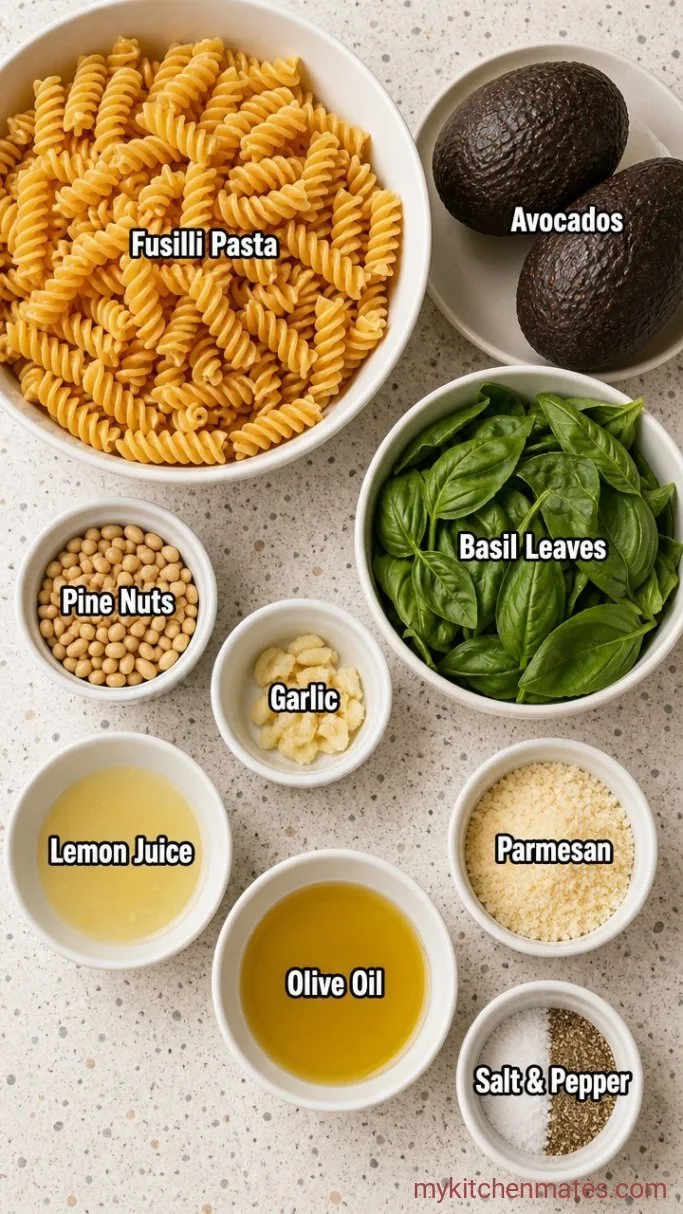
- 1 lb short pasta (fusilli, penne, or rigatoni): anything with ridges or crevices grabs the sauce well.
- 2 ripe avocados: they should yield to gentle pressure but not feel mushy; look for dark, pebbled skin.
- 2 cups fresh basil leaves: packed; discard any thick stems.
- 1/4 cup pine nuts: walnuts or sunflower seeds work too, just toast them briefly for a deeper flavor.
- 2 cloves garlic: medium size, smashed and peeled.
- 3 tbsp freshly squeezed lemon juice: about 1 large lemon; bottled won’t give the same brightness or help with browning.
- 1/4 cup extra-virgin olive oil: a fruity, everyday oil works best here.
- 1/2 tsp fine sea salt: plus more for the pasta water.
- 1/4 tsp black pepper: freshly ground if you have it.
- 1/4 cup grated Parmesan (optional): use a dairy-free alternative or skip for a vegan dish; the pesto is creamy on its own.
Variations / Substitutions
- Nut-free: swap pine nuts for toasted sunflower seeds or simply leave them out; the sauce will still be creamy, just a little thinner.
- Greens boost: blend in a packed cup of baby spinach or arugula along with the basil for a more vegetal note and an even greener color.
- Protein: stir in a can of drained chickpeas with the hot pasta, or top each bowl with sliced grilled chicken.
- Heat: add a pinch of red pepper flakes to the food processor, or scatter them over the finished plates.
- Herb swap: if basil is scarce, use half basil and half flat-leaf parsley; the flavor will be fresher and less peppery.
If you’re in the mood for another fast pasta, try Lemon Garlic Spaghetti for a similar low-effort weeknight win.
How to Make Avocado Pesto Pasta
Step 1: Cook the Pasta
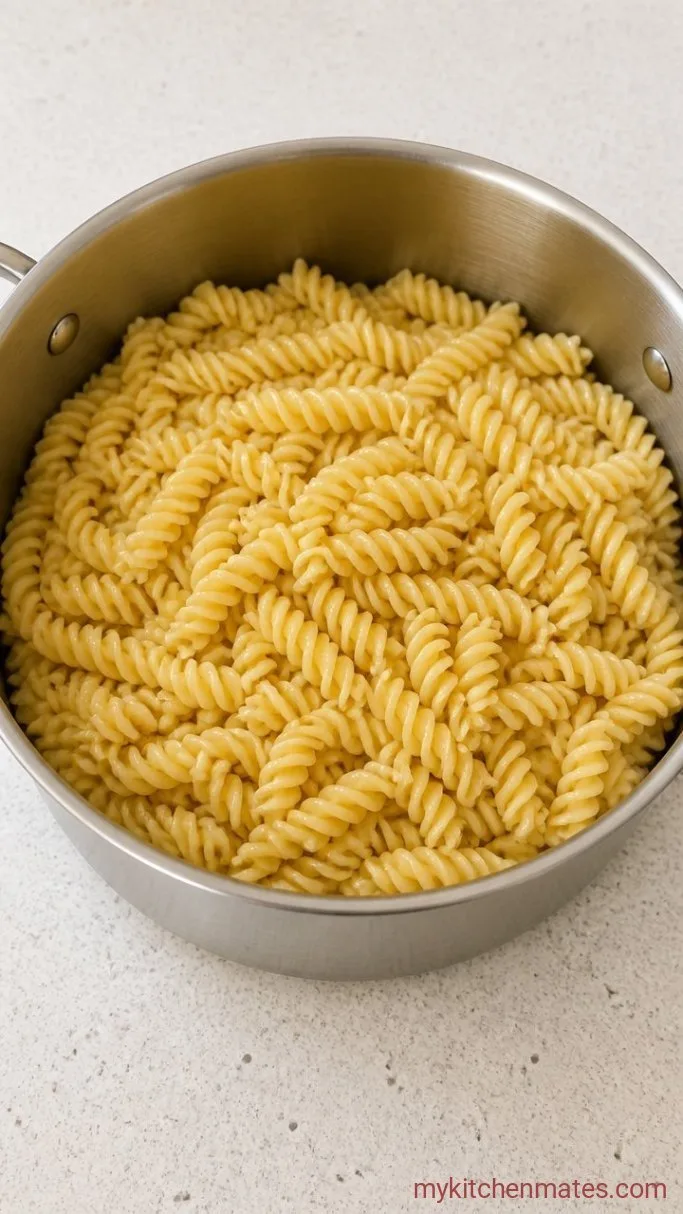
Bring a large pot of generously salted water to a boil over high heat. Once it’s rolling, add the 1 lb pasta and cook according to package directions until al dente, usually about 8 to 10 minutes.
Before draining, scoop out a full cup of the cloudy cooking water and set it aside—that starchy liquid is the secret to a silky sauce later. Drain the pasta but do not rinse it.
Step 2: Blend the Pesto
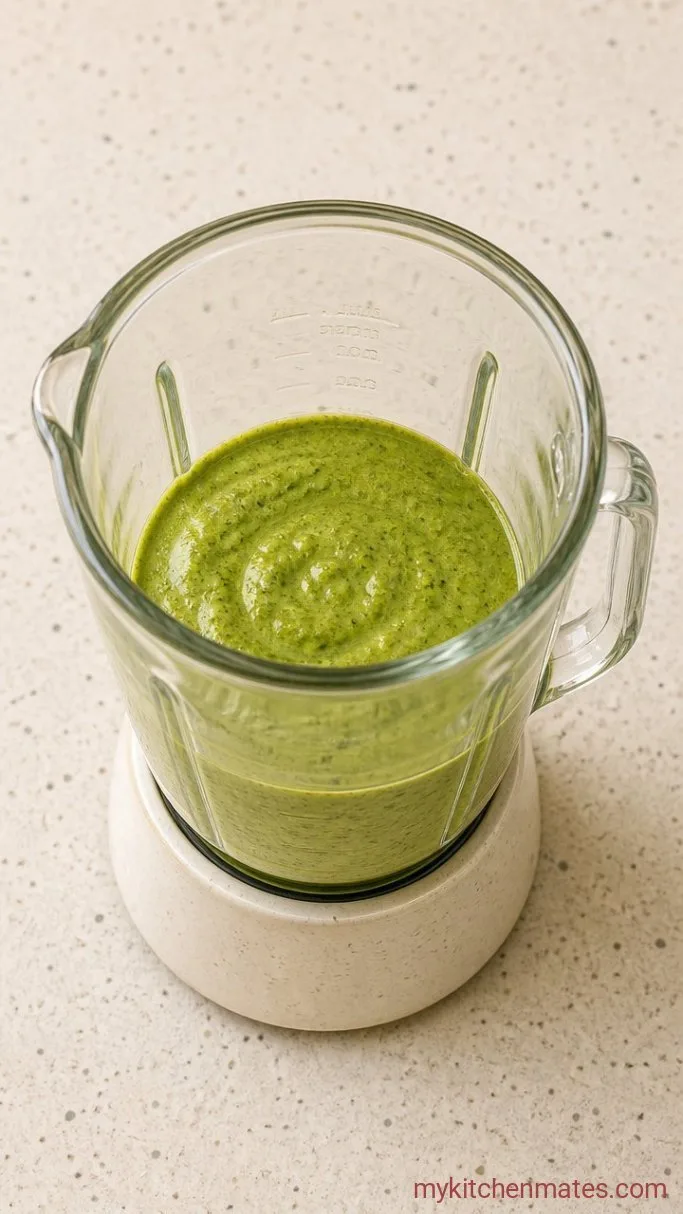
While the pasta cooks, combine the 2 cups basil, 1/4 cup pine nuts, 2 garlic cloves, 3 tbsp lemon juice, 1/2 tsp salt, and 1/4 tsp black pepper in a food processor. Pulse several times until the basil is finely chopped and the nuts look like coarse sand.
Halve and pit the 2 avocados, scoop the flesh into the processor, then pour in the 1/4 cup olive oil. Run the machine for about 1 minute, scraping down the sides once, until the sauce is completely smooth and a vibrant pale green. If it seems too thick to coat pasta, add water 1 tablespoon at a time from the reserved cup, pulsing again until it reaches a heavy, spoonable consistency.
Step 3: Coat the Pasta
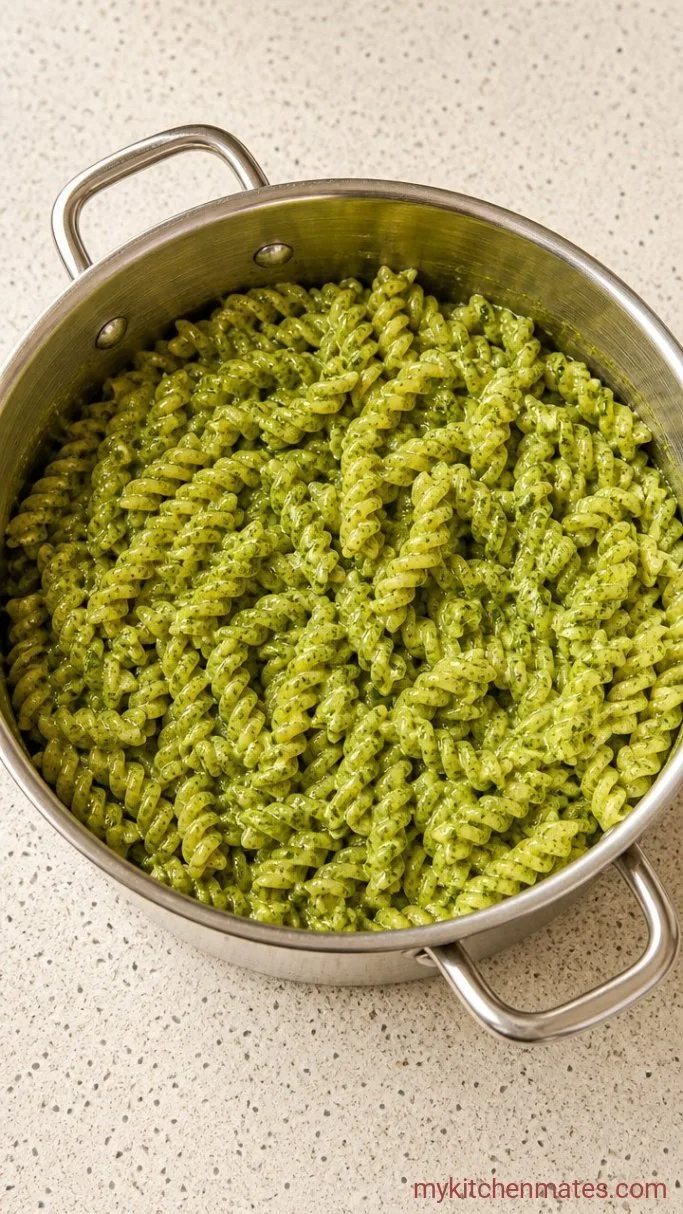
Tip the hot, drained pasta into a large serving bowl. Scrape all of the avocado pesto on top and start tossing with tongs, adding a splash of the reserved pasta water as you go, about 2 or 3 tablespoons total, until every piece of pasta is slick and evenly green.
The heat from the noodles warms the sauce just enough to release the basil aroma without cooking the avocado, so it stays fresh and bright. Taste and add another pinch of salt if your pasta water was light-handed.
Step 4: Finish with Crunch and Fresh Herbs
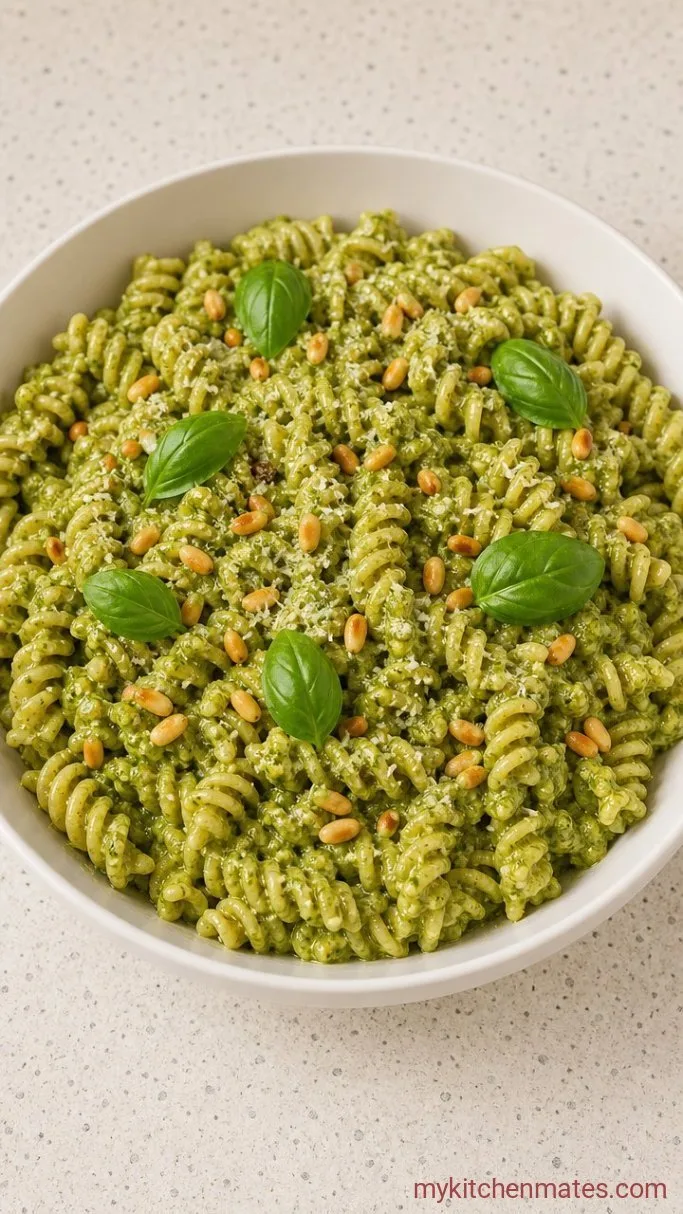
Divide the pasta among wide, shallow bowls. Scatter a few extra pine nuts over the top for crunch, a leaf or two of fresh basil, and a light dusting of red pepper flakes if you like a little heat.
A final drizzle of olive oil across each bowl adds a glossy finish. Serve right away while the pesto is still vibrant and the corners of the pasta hold little pools of sauce.
Tips for the Creamiest Pesto Every Time
- Pick avocados that give slightly when pressed at the stem end; rock-hard fruit will make a gluey sauce, and overripe ones can taste off.
- Let the pasta finish cooking while you blend the sauce; the pesto only takes a couple of minutes, so you avoid letting anything sit and lose its luster.
- If you’re not serving immediately, spread the pesto into a shallow dish and press a piece of plastic wrap directly onto its surface to slow browning, then toss with the pasta at the last minute.
- When leftovers need a lift, a tiny squeeze of fresh lemon stirred in right before eating brings back some of the lost brightness.
Storing and Reheating Leftovers
- Refrigerate: pack into an airtight container within 2 hours and refrigerate for up to 2 days. The surface will darken slightly, but the pasta underneath stays bright.
- Serve cold: this pasta works beautifully as a cold lunch or picnic salad the next day, eaten straight from the fridge without reheating.
- If you prefer it warm, reheat gently in a skillet over low heat with a tablespoon of water, stirring just until it’s loosened and barely warm. High heat can turn the avocado bitter.
What to Serve with Avocado Pesto Pasta
A simple arugula salad with a quick lemon vinaigrette cuts through the richness nicely. For something heartier, roasted cherry tomatoes add a sweet, jammy burst that plays against the creamy pesto. Garlic bread on the side soaks up any sauce left in the bowl.
Frequently Asked Questions
Can I make this recipe without a food processor?
Yes, a high-speed blender works well. Use the tamper or stop to scrape down more often, and add a tablespoon of the pasta water to help things move.
Is this pesto freezable?
Freezing isn’t ideal because the avocado’s texture turns watery and grainy when thawed. It’s best made fresh or kept in the fridge for a day or two.
What’s the best way to keep the avocado from browning?
Lemon juice and proper storage help a lot. The 3 tablespoons in the recipe plus pressing plastic wrap onto the sauce slows the oxidation significantly.
Can I use dried basil instead of fresh?
Dried basil won’t give you a creamy, vibrant sauce. Fresh basil provides both the liquid content and the bright flavor that make this pesto work.
My sauce tastes flat, what should I add?
A pinch more salt, another squeeze of lemon, or a quick grate of Parmesan (if using) usually fixes it. Under-salted pasta water is often the culprit.
Avocado Pesto Pasta Recipe
Ingredients
Method
- Boil salted water and cook pasta until al dente, reserving 1 cup of pasta water before draining.
- In a food processor, pulse basil, pine nuts, garlic, lemon juice, salt, and pepper until chopped. Add avocado flesh and olive oil, then blend until smooth, thinning with pasta water if needed.
- Toss hot pasta with pesto, adding a few tablespoons of reserved water, until evenly coated and creamy.
- Serve in bowls topped with extra pine nuts, fresh basil, red pepper flakes, and a drizzle of olive oil.
