
Apple Pear Pie with a Flaky Butter Crust

This apple pear pie bakes up with a filling that is part jammy, part tender, caramelized fruit, tucked inside a crisp, all-butter double crust. It is the kind of dessert that feels right on a cool evening, and it holds its shape beautifully so every slice looks as good as it tastes.
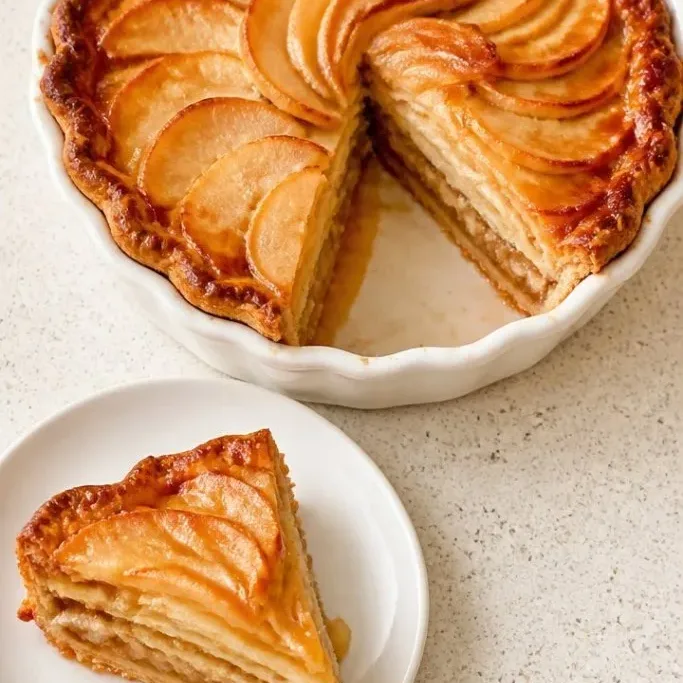
The pears bring a soft floral note that balances the sharper bite of the apples, while cinnamon and a hint of nutmeg warm the whole thing without overwhelming the fruit. It is simple enough to become your go-to fall pie.
Why This Apple Pear Pie Works
I love how the pears mellow the tartness of the apples, creating a filling that is both bright and deeply cozy. The juices thicken into a glossy syrup that clings to every slice without ever getting gummy.
The double crust is buttery and flaky, with just enough structure to hold a neat wedge, but it shatters delicately as you bite in. Every bite has crispy pastry, soft fruit, and warm cinnamon.
Ingredients
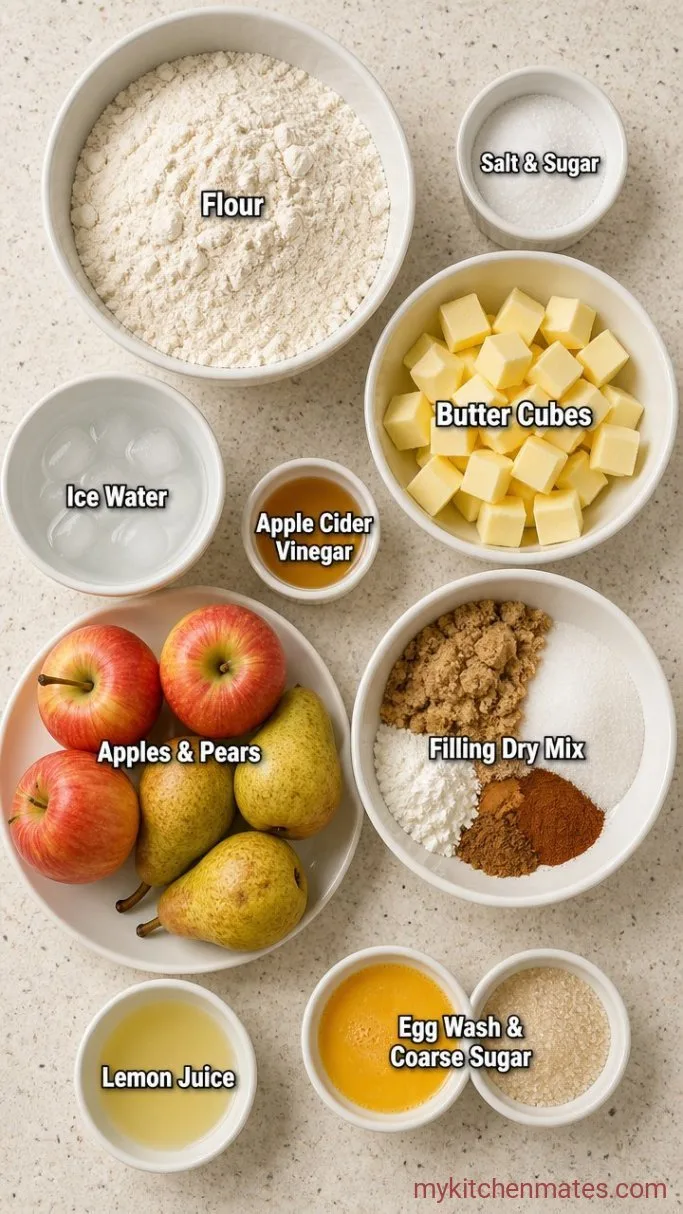
- 2 1/2 cups all-purpose flour: spooned and leveled, not scooped
- 1 tsp kosher salt
- 1 tbsp granulated sugar: helps the crust brown
- 1 cup cold unsalted butter: cut into small cubes
- 1/2 cup ice water: plus more if needed
- 1 tbsp apple cider vinegar: makes the dough more tender
- 3 medium apples (about 1 1/2 lbs): use a firm, tart variety like Granny Smith
- 3 medium pears (about 1 1/2 lbs): Bosc or Anjou work well, slightly underripe is best
- 1/2 cup packed light brown sugar
- 1/4 cup granulated sugar
- 3 tbsp cornstarch: thickens the filling without cloudiness
- 1 1/2 tsp ground cinnamon
- 1/4 tsp ground nutmeg: freshly grated gives the best flavor
- 2 tbsp fresh lemon juice
- 2 tbsp cold unsalted butter: cut into tiny dots for the top of the filling
- 1 large egg: beaten with 1 tbsp water for egg wash
- Coarse sugar: for sprinkling on top, optional
Variations / Substitutions
- Gluten-free: swap the all-purpose flour for a 1:1 gluten-free baking blend that contains xanthan gum, and handle the dough gently.
- Dairy-free: replace the butter with a solid vegan butter stick and omit the egg wash, brushing with oat milk instead.
- Spice it differently: trade the nutmeg for cardamom or add a half teaspoon of ground ginger for more warmth.
- Fruit swaps: use only pears for a soft, floral pie, or go all-apple for a classic version. If your pears are very ripe, reduce the lemon juice to 1 tablespoon.
Swedish Apple Pie is next on our list if this pie is your kind of dessert.
How To Make Apple Pear Pie
Step 1: Mix the Double Crust Dough
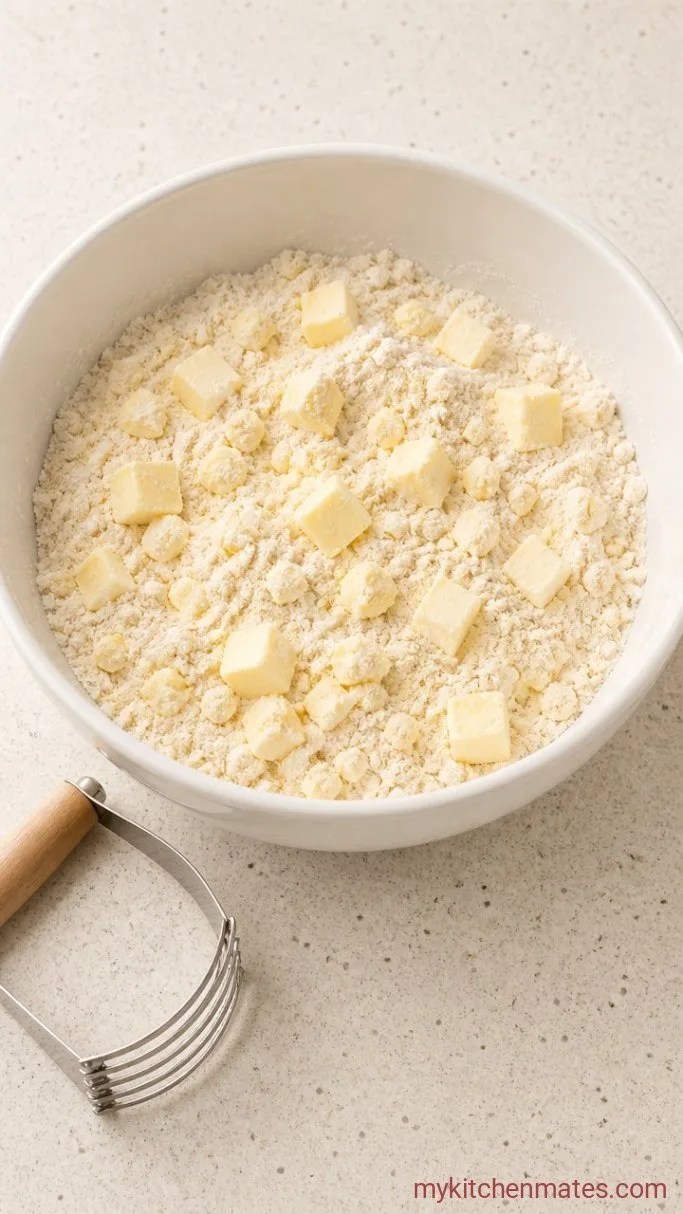
Stir the 2 1/2 cups flour, 1 tsp salt, and 1 tbsp granulated sugar together in a large bowl. Toss the cold butter cubes in the flour mixture until they are coated, then use your fingertips or a pastry cutter to work the butter into the flour until the largest pieces are the size of small peas. Drizzle in the 1/2 cup ice water and 1 tbsp vinegar and stir with a fork just until the dough starts to clump together; if it still seems dry, add cold water 1 teaspoon at a time.
The mixture will look shaggy and uneven, with visible bits of butter. That is exactly what you want for a flaky crust. Divide the dough in half, press each half into a flat disc, wrap tightly, and refrigerate for at least 1 hour. The rest gives the gluten a chance to relax so the pastry does not shrink in the oven.
Step 2: Toss the Spiced Fruit Filling
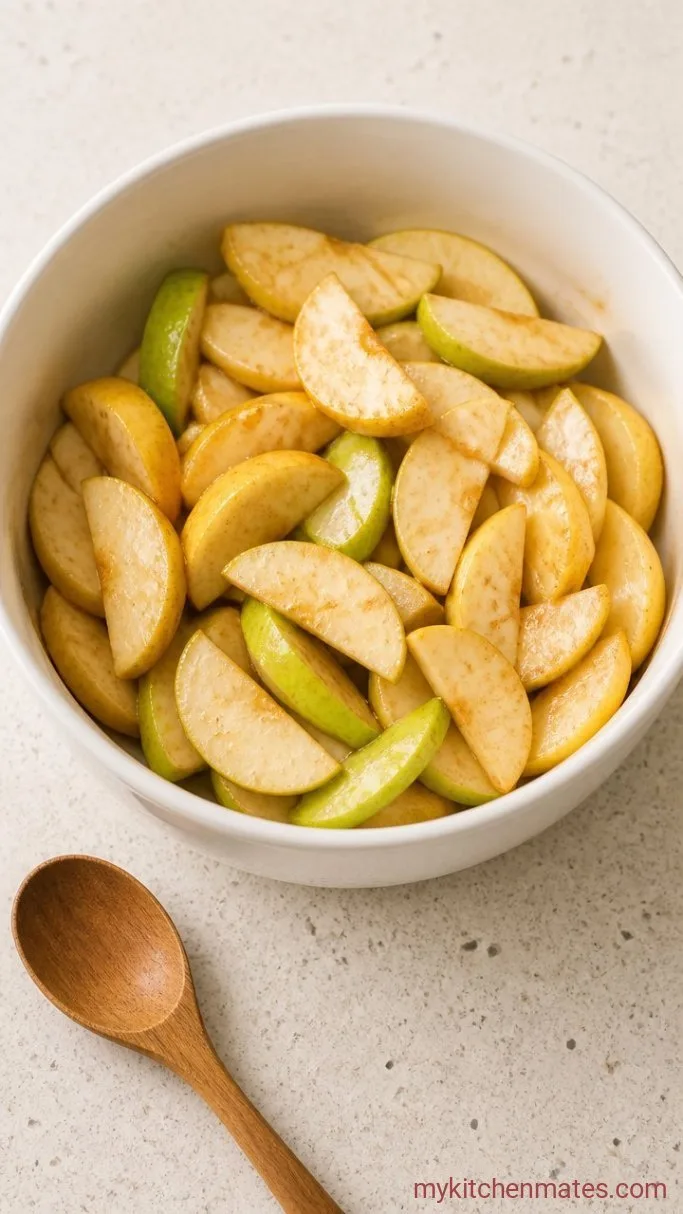
Peel, core, and slice the apples and pears about 1/4 inch thick. In a large bowl, toss the slices with the 1/2 cup brown sugar, 1/4 cup granulated sugar, 3 tbsp cornstarch, 1 1/2 tsp cinnamon, 1/4 tsp nutmeg, and 2 tbsp lemon juice. Mix until every piece is coated and the sugars start to draw out a little juice from the fruit.
Right now the filling will look quite wet from the sugar and lemon, but the cornstarch will set up beautifully during baking. Let it sit while you roll the dough so the flavors meld and the fruit softens just a bit.
Step 3: Roll Out the Bottom Crust
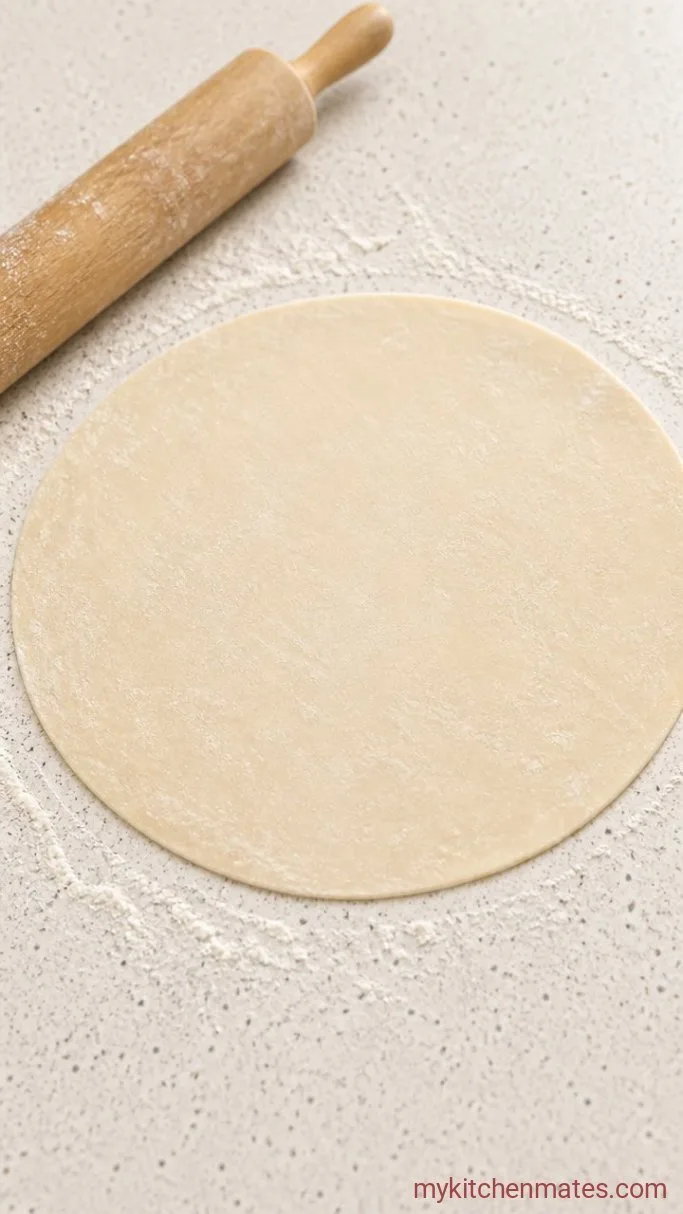
Take one disc of dough from the fridge and let it sit on a lightly floured counter for about 5 minutes so it is easier to roll. Roll it into a circle roughly 12 inches across and about 1/8 inch thick, turning it often to keep it from sticking. Carefully drape the dough into a 9-inch pie plate without stretching it; gently press it into the corners and trim the overhang to about 1/2 inch.
You should see small flecks of butter throughout the rolled pastry. That is your flaky-layer insurance. Place the lined pie plate in the fridge while you roll the second disc into a similar circle for the top crust.
Step 4: Fill the Pie and Add the Top Crust
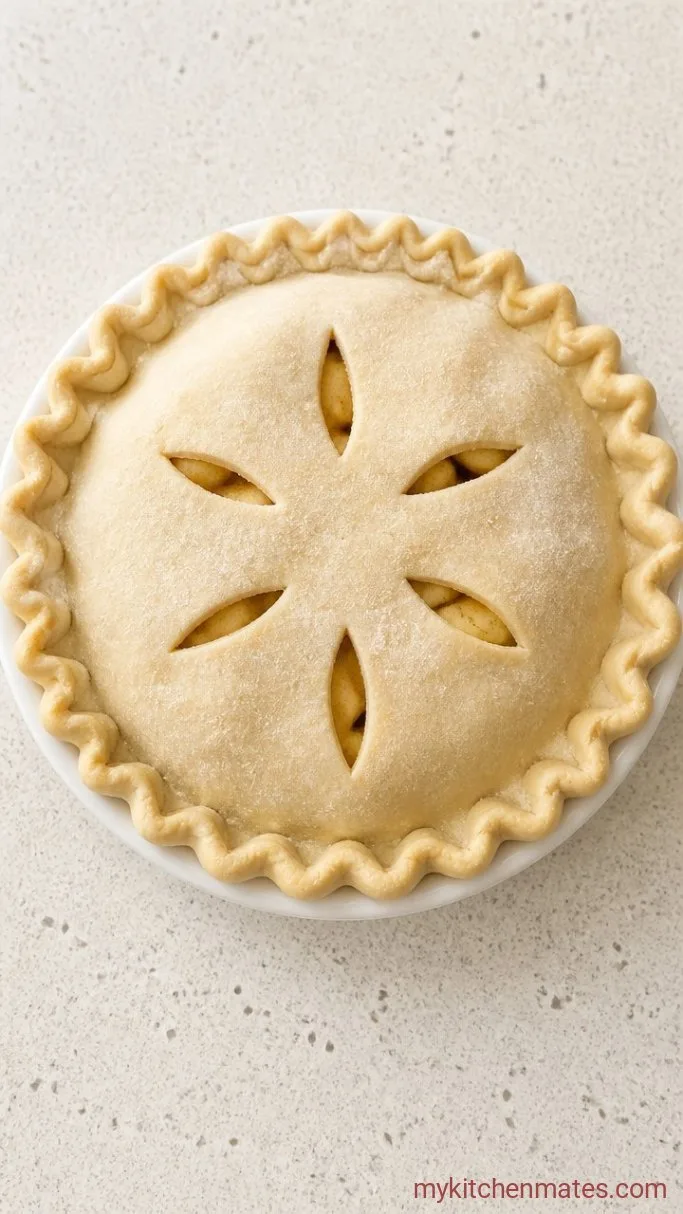
Spoon the fruit mixture into the chilled bottom crust, making sure to scrape in every last bit of the sugary syrup from the bowl. Dot the 2 tbsp of cold butter pieces across the top of the fruit. Lay the second rolled dough round over the filling, then trim the overhang to match the bottom crust. Fold both edges under together and crimp them with your fingers or a fork to seal. Cut a few small slits in the top crust with a sharp knife so steam can escape. Brush the surface with the egg wash and scatter coarse sugar over it if you like a sparkly top.
The pie will look tall and full at this point, and the fruit will settle as it bakes. A little sugar on the crust gives it a crisp, crackly finish that contrasts nicely with the soft filling inside.
Step 5: Bake the Pie
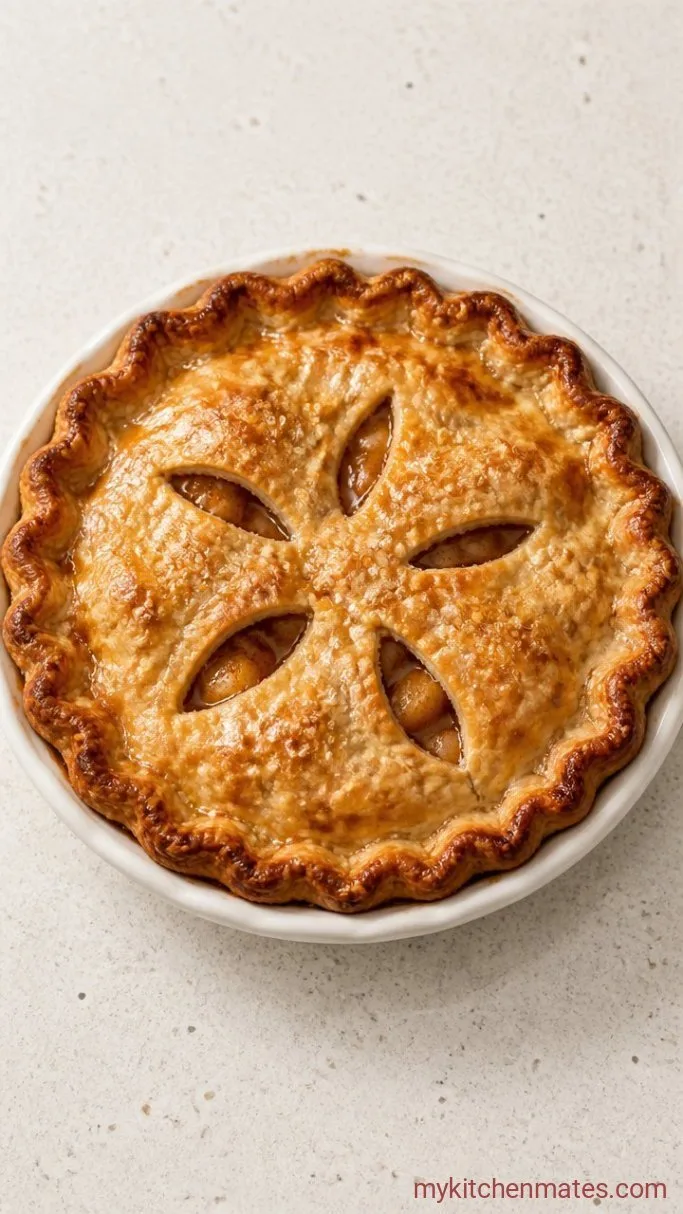
Preheat the oven to 400°F (200°C). Place the pie on a foil-lined baking sheet to catch any drips and slide it onto the lowest rack. Bake for 20 minutes at the high heat, then reduce the temperature to 375°F (190°C) and continue baking for another 30 to 35 minutes, until the crust is deep golden and the juices bubble thickly through the vents.
Listen for the slow, lazy bubbling sound before you pull the pie out. If the edges of the crust brown too quickly, loosely cover them with strips of foil or a pie shield after the first 25 minutes. The total bake time will be around 50 to 55 minutes.
Step 6: Cool and Slice the Pie
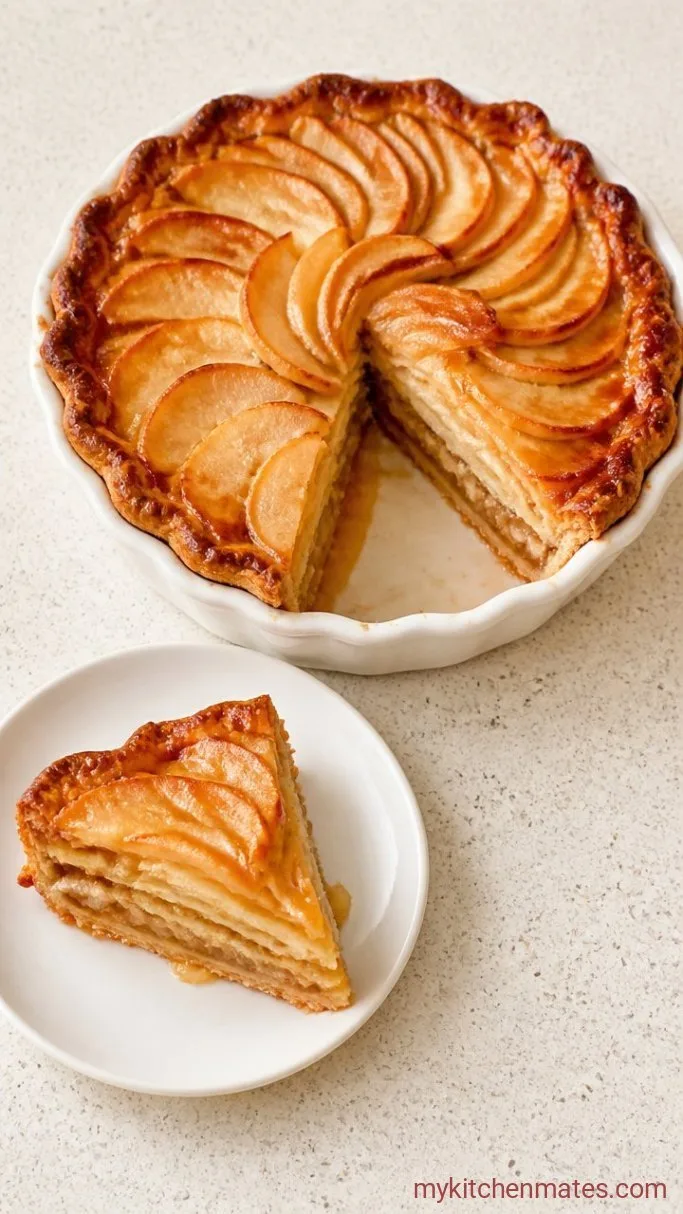
Set the baked pie on a wire rack and let it cool until it is just warm, at least 2 hours. The filling needs that time to set, and cutting into it too soon will cause the juices to run. Once it has firmed up, slice it into wedges and serve them on plates, watching the glistening fruit and flaky crust in every piece.
The slices will hold their shape neatly, with tender chunks of apple and pear suspended in a glossy, spiced syrup. Serve the wedges while they are still slightly warm, and the crust will be at its crispest.
Tips for the Best Apple Pear Pie
- Keep everything cold when making the dough. Chilled butter, ice water, and a short rest in the fridge between steps make the layers distinct.
- Do not over-mix the filling. Just toss the fruit with the dry ingredients until coated; overworking it can release too much liquid before baking.
- Use apples and pears that are firm, not mealy. Slightly underripe pears hold their shape and do not turn to mush inside the pie.
- A glass or ceramic pie plate gives you a better look at the bottom crust, so you can tell when it is truly golden and baked through.
- If your kitchen is warm, pop the assembled pie in the freezer for 10 minutes before baking. That short chill helps the crust keep its crimped edges.
Keeping Leftover Pie Fresh
- Refrigerate: Cover cooled pie loosely with foil and keep it in the fridge for up to 4 days. The crust will soften a little, but it still tastes great.
- Reheating: Warm individual slices in a 350°F (176°C) oven for about 10 minutes, until the crust recrisps. A microwave works in a pinch, but the pastry will lose its crunch.
What To Serve With Apple Pear Pie
A scoop of vanilla bean ice cream melts into the warm filling and soaks into the flaky crust, adding a cold, creamy contrast. Sharp cheddar cheese slices, served alongside, highlight the fruit’s sweetness with a salty edge that is surprisingly addictive.
Frequently Asked Questions
Can I use store-bought crust for this pie?
Yes. Two unbaked refrigerated pie crusts will work. Look for one that uses real butter for a flavor more like homemade.
Why is my bottom crust soggy?
A soggy bottom usually means the pie did not bake on the lowest oven rack or the filling was too wet going in. Tossing the fruit with the right amount of cornstarch and baking on a hot baking sheet helps a lot.
Can I freeze this pie before baking?
Absolutely. Assemble the pie completely, wrap it tightly in a double layer of plastic, and freeze for up to 3 months. Bake it straight from the freezer, adding about 15 to 20 extra minutes to the bake time.
What is the best pear variety for pie?
Bosc pears hold their shape beautifully and have a dense texture that does not turn mushy. Anjou is a good second choice if Bosc are not available.
Apple Pear Pie Recipe
Ingredients
Method
- Stir flour, salt, and sugar together. Cut in cold butter until pea-sized pieces remain. Drizzle in ice water and vinegar, mix just until clumpy. Divide dough, shape into two discs, wrap, and refrigerate at least 1 hour.
- Toss sliced apples and pears with brown sugar, granulated sugar, cornstarch, cinnamon, nutmeg, and lemon juice until evenly coated.
- Roll one dough disc into a 12-inch circle, line a 9-inch pie plate, trim overhang to 1/2 inch, and chill. Roll the second disc into a similar circle.
- Spoon the fruit mixture into the chilled bottom crust, dot with the 2 tbsp cold butter. Place the top crust over the fruit, trim, fold edges under, and crimp to seal. Cut steam vents, brush with egg wash, and sprinkle with coarse sugar.
- Place pie on a foil-lined baking sheet on the lowest oven rack. Bake at 400°F (200°C) for 20 minutes, then reduce to 375°F (190°C) and bake 30 to 35 minutes more, until crust is deeply golden and juices bubble thickly.
- Cool the pie on a wire rack for at least 2 hours until the filling sets. Slice into wedges and serve slightly warm.
Notes
