
Creamy Vegan Pesto Pasta in 20 Minutes

This creamy vegan pesto pasta is a quick weeknight dinner that tastes like summer in a bowl. Fresh basil, garlic, and pine nuts blend into a lush, dairy-free sauce that clings to every noodle.
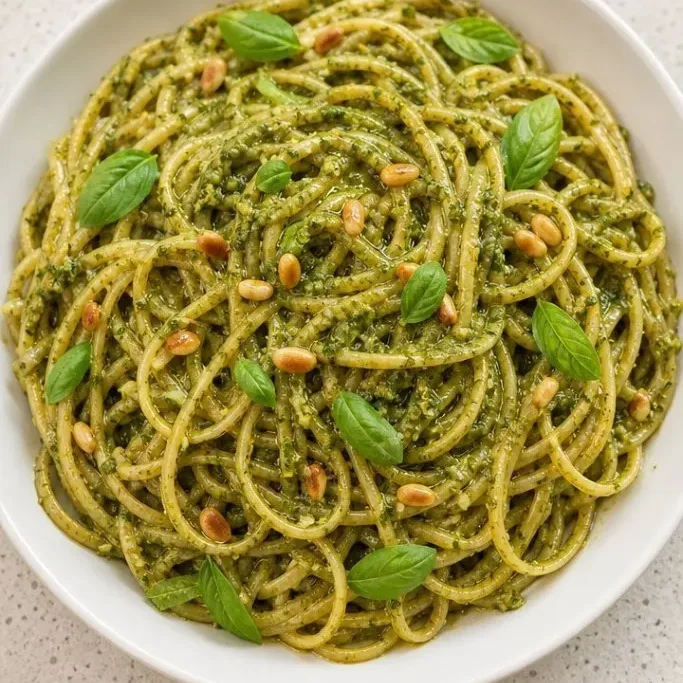
I keep this recipe in heavy rotation because it comes together in the time it takes to boil pasta. The nutritional yeast adds a savory depth that even dairy lovers enjoy, and the whole dish is bright from a squeeze of lemon.
Why This Vegan Pesto Pasta Works
The pesto gets its creaminess from good olive oil and starchy pasta water, not cheese. Blending the basil just enough keeps the flavor fresh and vibrant, not muddy. Every bite has a little crunch from pine nuts and a lift from lemon.
Unlike many vegan sauces that feel heavy, this one tastes light and herby. It’s a dinner that doesn’t require a trip to the specialty store, and it’s endlessly adaptable with whatever greens or nuts you have on hand.
Ingredients

- 8 oz dried pasta: use linguine, spaghetti, or penne
- 2 cups packed fresh basil leaves: no stems, about 2 large bunches
- 2 cloves garlic: peeled
- 1/4 cup pine nuts: toasted for deeper flavor (see tip)
- 3 tbsp nutritional yeast: adds a savory, cheesy note
- 2 tbsp fresh lemon juice: about 1 lemon
- 1/3 cup extra-virgin olive oil: plus more for drizzling
- 1/2 tsp fine sea salt: adjust to taste
- 1/4 cup reserved pasta water: from cooking the pasta
Variations / Substitutions
- Pine nuts: swap with walnuts or almonds for a different nuttiness. Toast them first.
- Nutritional yeast: if you don’t have it, add 1 tsp white miso for umami, though the flavor will be less cheesy.
- Basil: use half basil and half baby spinach for a milder, slightly sweeter pesto.
- Add protein: stir in a can of drained chickpeas or sautéed mushrooms when tossing the pasta.
- Spice: a pinch of red pepper flakes blended into the pesto gives a gentle heat.
Vegan Lasagna Soup makes a comforting soup to pair with this pasta.
How to Make Vegan Pesto Pasta
Step 1: Cook the Pasta
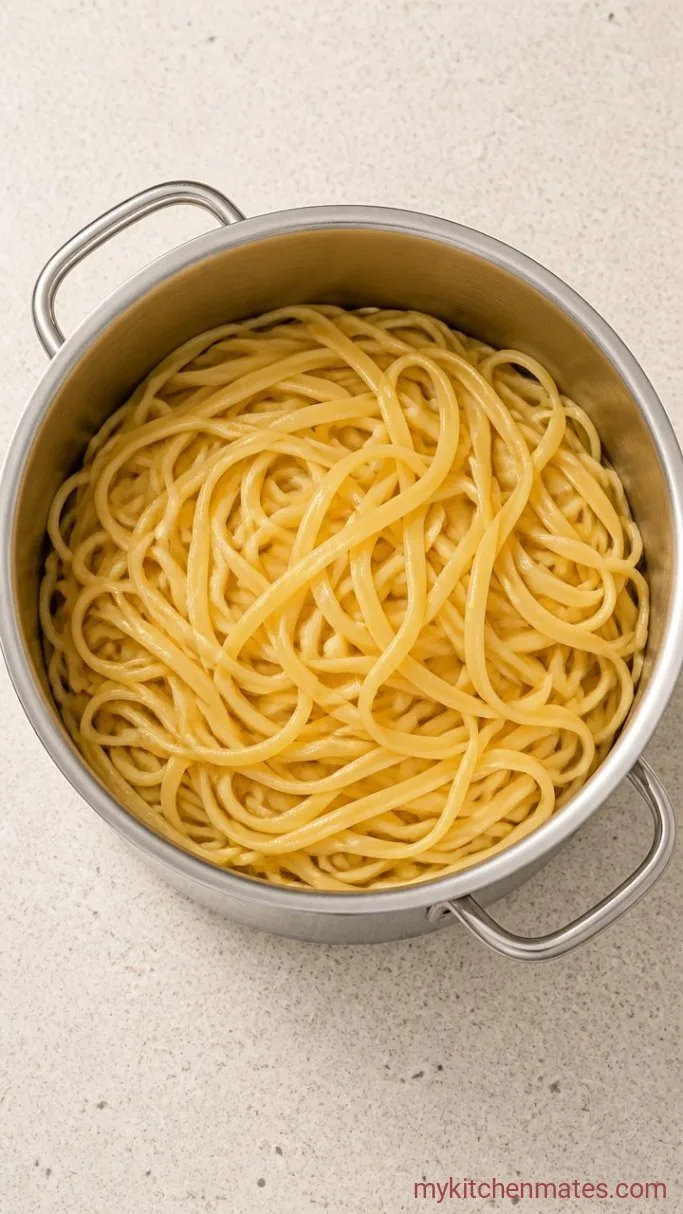
Bring a large pot of generously salted water to a boil. Add the 8 oz pasta and cook until al dente according to package directions, usually 8 to 10 minutes. Before draining, scoop out 1/4 cup of the starchy cooking water and set it aside.
The pasta should be tender with a slight bite in the center. That reserved water is key to a silky sauce later, so don’t forget to ladle some out before you pour the rest down the drain.
Step 2: Make the Vegan Pesto
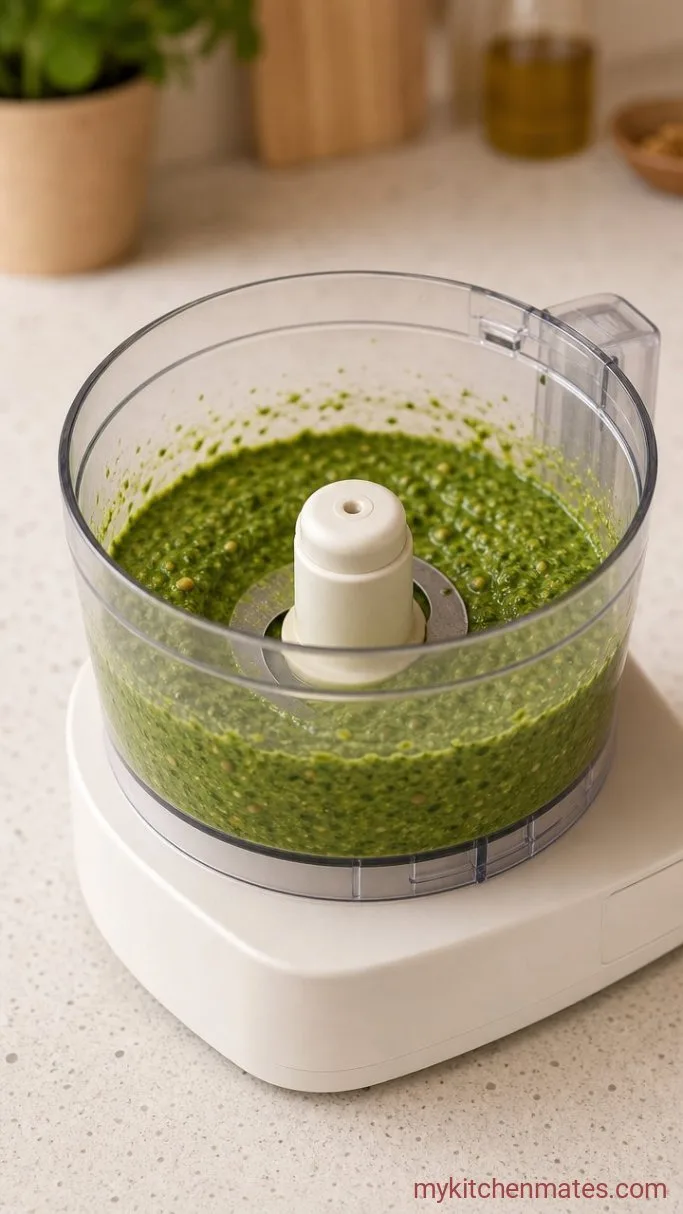
While the pasta cooks, add the basil, garlic, pine nuts, nutritional yeast, lemon juice, and salt to a food processor. Pulse a few times to chop everything, then with the motor running, slowly drizzle in the olive oil until the pesto is smooth and creamy, scraping down the sides as needed.
You’re looking for a bright green sauce that’s thick but pourable. Taste it now and adjust with more salt or lemon juice. It should taste vibrant and a little punchy, because it will mellow when tossed with hot pasta.
Step 3: Toss the Pasta and Pesto

Drain the pasta and return it to the warm pot. Add all of the pesto and a splash of the reserved pasta water. Toss well with tongs until every strand is coated and the sauce loosens up into a glossy, silky consistency. If it seems dry, add another tablespoon of pasta water.
The heat from the pasta wakes up the basil, and the starches from the water help the sauce emulsify so it clings beautifully. This is the moment the kitchen smells incredible.
Step 4: Finish with Fresh Herbs and a Drizzle

Divide the pasta among bowls. Scatter a few extra torn basil leaves on top, a little more nutritional yeast for a cheesy look, and a pinch of red pepper flakes if you like heat. Finish with a thin drizzle of olive oil and serve right away.
The basil stays bright green, and the first bite has that creamy, nutty pesto with just enough lemon to cut through. Eat it while it’s hot.
Tips for the Best Vegan Pesto
- Toast the pine nuts in a dry skillet for 2 to 3 minutes until golden and fragrant. It deepens their nutty flavor noticeably.
- Use a good, fruity extra-virgin olive oil. The oil is a main flavor here, so something mild or bland will leave the pesto flat.
- Don’t overprocess the basil. Pulse just until combined; running the motor for too long can make the pesto turn a little brown and taste slightly bitter.
- Always save that pasta water. It’s the easiest way to turn a thick paste into a sauce that coats every noodle.
- If making ahead, store pesto in a jar with a thin layer of olive oil on top to keep air out and preserve its bright color.
Scale the pesto for meal prep or a big batch:
| Batch | Fresh Basil | Pine Nuts | Olive Oil | Nutritional Yeast | Lemon Juice | Salt |
|---|---|---|---|---|---|---|
| Single (this recipe) | 2 cups | 1/4 cup | 1/3 cup | 3 tbsp | 2 tbsp | 1/2 tsp |
| Double | 4 cups | 1/2 cup | 2/3 cup | 6 tbsp | 4 tbsp | 1 tsp |
| Triple | 6 cups | 3/4 cup | 1 cup | 9 tbsp | 6 tbsp | 1 1/2 tsp |
Storing Leftover Vegan Pesto Pasta
- Refrigerate: Store leftover pesto pasta in an airtight container for up to 4 days. The pesto may darken slightly but will still taste fresh.
- Serve Cold: This pasta is actually delicious straight from the fridge as a pasta salad. Let it sit at room temperature for 10 minutes and give it a stir, adding a drizzle of olive oil to refresh.
- Reheating: Gently reheat in a skillet over low heat with a splash of water or broth to loosen the sauce, or microwave in short bursts.
What to Serve With Vegan Pesto Pasta
A simple green salad with lemon vinaigrette balances the richness of the pesto. For a heartier meal, pair with roasted cherry tomatoes, which burst and mix into the pasta beautifully. A slice of crusty bread is handy for wiping the bowl clean.
Frequently Asked Questions
Why is my pesto bitter?
Overprocessed basil or older, wilted leaves can turn pesto bitter. Use the freshest basil you can find and pulse just until combined. Also, make sure your olive oil is fresh; rancid oil is a common culprit.
Can I make this nut-free?
Absolutely. Swap pine nuts for raw sunflower seeds or hemp seeds. They lend a similar creaminess and nutty taste without any tree nuts.
Help, I don’t have a food processor.
A high-speed blender works fine; just stop to scrape down more often and add the oil a little faster to help it blend. You can also use a mortar and pestle for a chunkier, rustic pesto, which has wonderful texture.
How do I keep the pesto from turning brown?
Once blended, press a piece of plastic wrap directly onto the surface of the pesto or pour a thin layer of olive oil on top before storing. Exposure to air causes oxidation.
Vegan Pesto Pasta Recipe
Ingredients
Method
- Cook pasta in salted boiling water until al dente. Reserve 1/4 cup pasta water, then drain.
- Meanwhile, in a food processor, pulse basil, garlic, pine nuts, nutritional yeast, lemon juice, and salt. With motor running, slowly add olive oil until smooth.
- Return drained pasta to pot. Add pesto and a splash of reserved pasta water. Toss until coated, adding more water as needed for a silky sauce.
- Serve in bowls topped with fresh basil, extra nutritional yeast, and red pepper flakes if desired. Drizzle with olive oil and eat immediately.
Notes
