
Soft Vanilla Sheet Cake with Vanilla Buttercream

This vanilla sheet cake bakes up with a fine, tender crumb and stays moist for days.
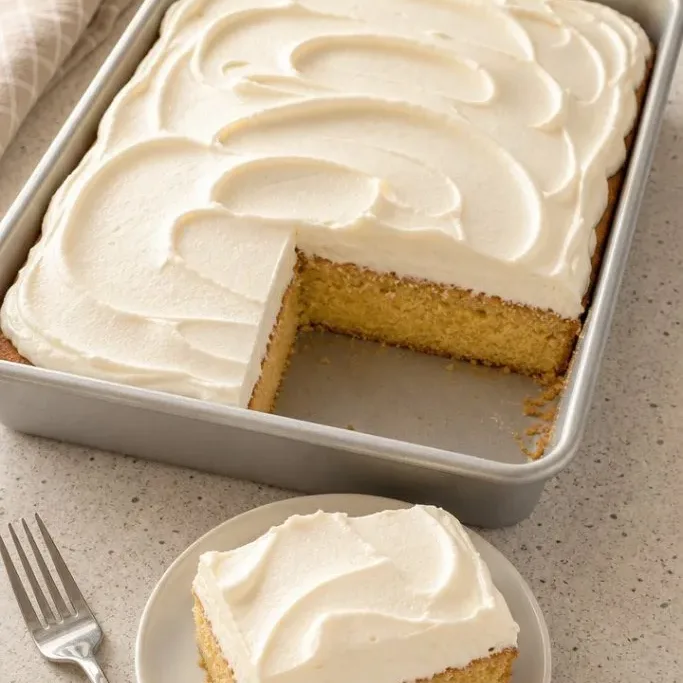
It’s the kind of cake you can stir together on a Tuesday night and frost while it’s still slightly warm, if you’re in a hurry. Waiting until it’s fully cool gives you the smoothest finish.
What Makes This Cake So Good
The texture hits that sweet spot between sturdy enough to hold a thick layer of frosting and light enough that you want another slice.
Real butter and a generous splash of vanilla do all the heavy lifting, so the flavor is clean and buttery, not cloying.
Ingredients
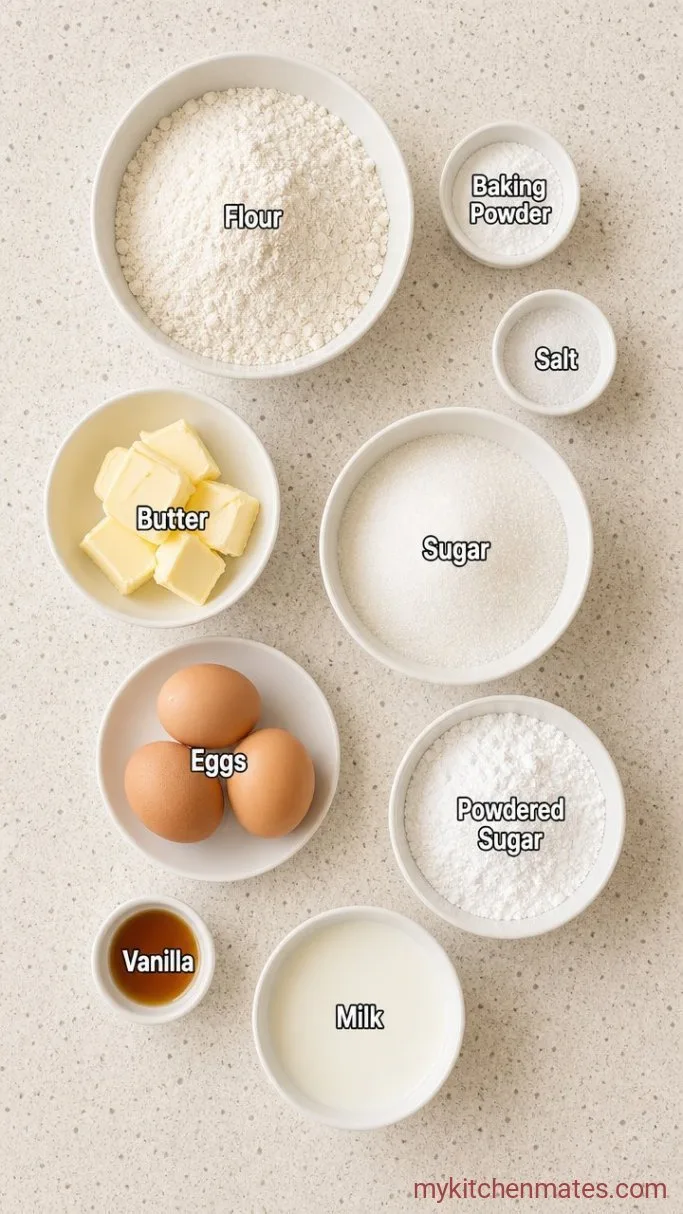
- 2 1/2 cups all-purpose flour: spooned and leveled, not scooped, so the cake doesn’t turn out heavy
- 2 1/2 tsp baking powder: gives the cake its lift
- 1/2 tsp salt: balances the sweetness
- 1 cup unsalted butter, softened: leave it out for an hour, or see the FAQ if you’re in a rush
- 1 3/4 cups granulated sugar: fine white sugar creams best here
- 3 large eggs, room temperature: cold eggs can make the batter seize; drop them in a bowl of warm water for 10 minutes if you forgot
- 2 tsp vanilla extract: use the real stuff if you have it; the flavor stands out in a simple cake
- 1 cup whole milk, room temperature: 2% works, but whole milk gives the crumb a little more tenderness
For the vanilla buttercream
- 1 cup unsalted butter, softened: same as above
- 3 to 4 cups powdered sugar: start with 3 and add more if you want a stiffer frosting
- 2 to 3 tbsp whole milk: use a little at a time to get the right spreadable consistency
- 1 tsp vanilla extract
Variations / Substitutions
- Buttermilk: swap the milk for an equal amount of buttermilk. The cake will be slightly tangier and the crumb a bit finer.
- Dairy-free: use a good stick-style vegan butter and your favorite unsweetened plant milk. The texture holds up well, though the frosting may be a touch softer.
- Citrus: add 1 tbsp lemon or orange zest to the sugar and rub it with your fingers before creaming. It oils the sugar and wakes up the whole cake.
- Almond: replace 1 tsp of the vanilla with 1/2 tsp almond extract. Go light; it’s strong.
- Frosting switch: any thick frosting works here. Try a chocolate buttercream or a cream cheese version. If you want something simpler, dust the top with powdered sugar while the cake is still warm.
Rhubarb Dump Cake is another dessert you’d probably love if you enjoy this cake.
How to Make Soft Vanilla Sheet Cake with Vanilla Buttercream
Step 1: Cream the Butter and Sugar
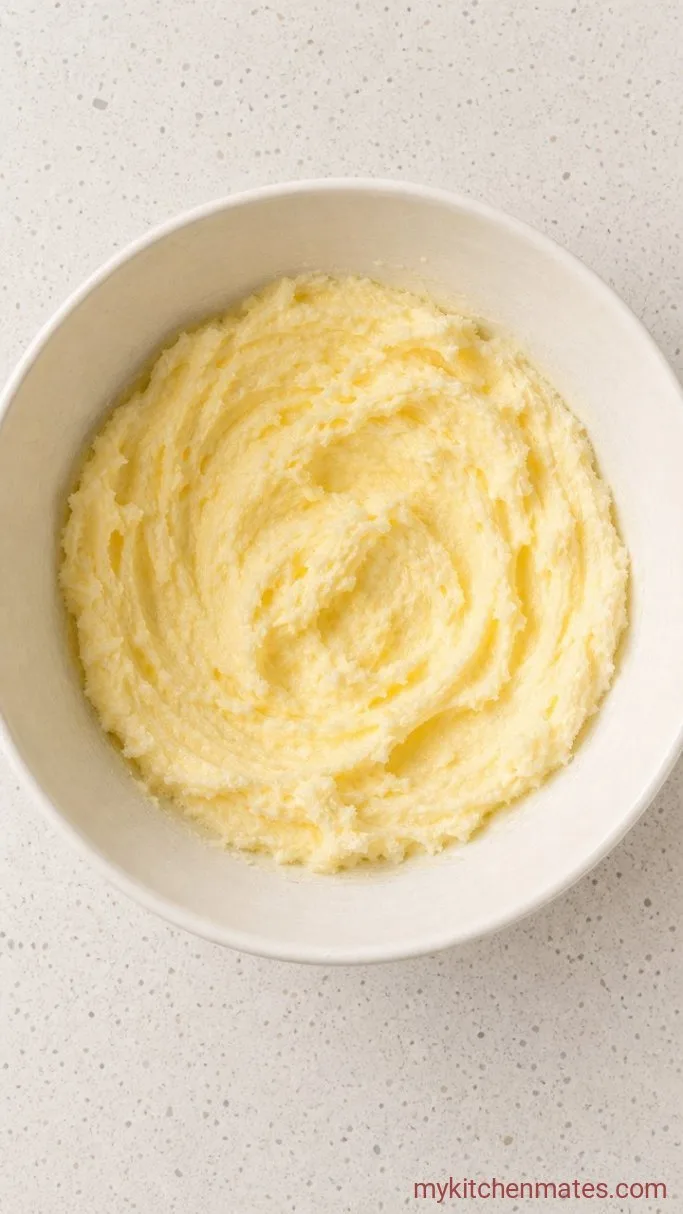
Preheat the oven to 350°F (175°C) and grease a 9×13 inch baking pan, then line the bottom with parchment if you want to lift the whole cake out later. In a large bowl, beat the 1 cup softened butter and 1 3/4 cups sugar with an electric mixer on medium speed until light and fluffy, about 3 minutes. Scrape down the sides of the bowl.
The mixture should look noticeably paler and fluffier, with most of the sugar dissolved into the butter. That extra minute of beating builds air pockets that help the cake rise.
Step 2: Beat in Eggs and Vanilla

Add the 3 eggs one at a time, beating well after each, then beat in the 2 tsp vanilla extract. The batter may look a little curdled at this stage; that’s normal and will come together when you add the flour.
Stopping to scrape the bowl once more ensures no streaks of egg are clinging to the bottom.
Step 3: Alternate the Dry and Wet Ingredients
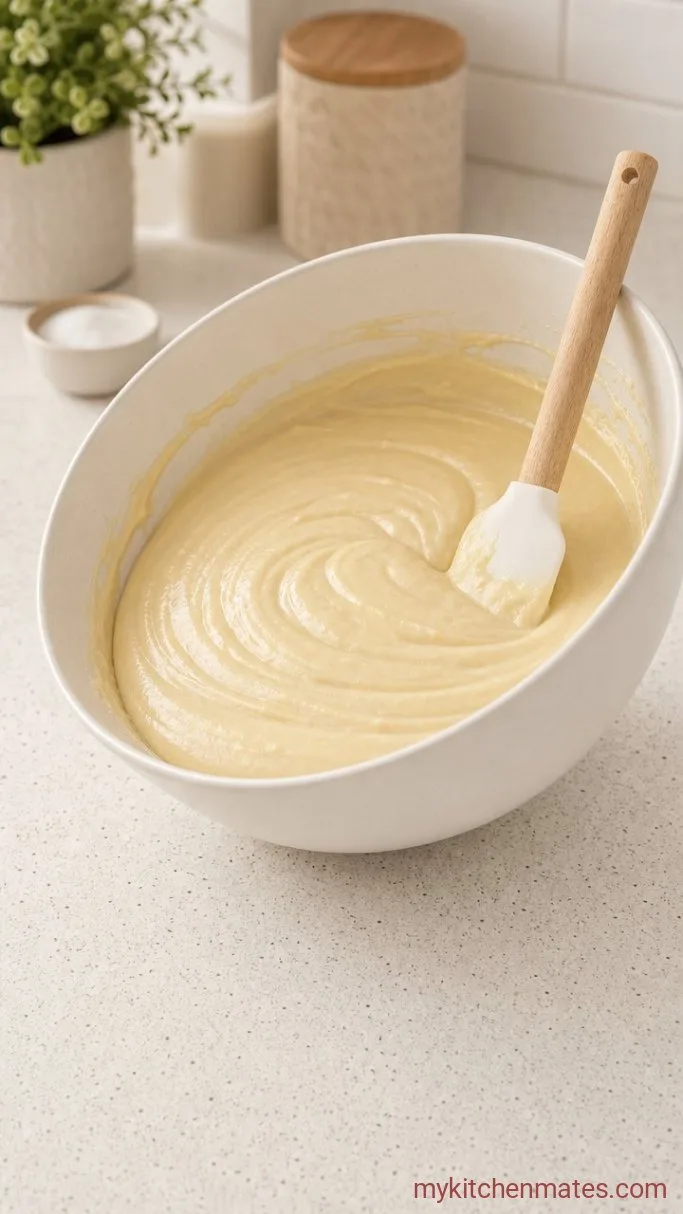
In a separate bowl, whisk together the 2 1/2 cups flour, 2 1/2 tsp baking powder, and 1/2 tsp salt. With the mixer on low, add the flour mixture to the butter mixture in three additions, alternating with the 1 cup milk, beginning and ending with the flour. Mix just until the last streak of flour disappears. Overmixing at this stage can make the cake tough, not tender.
The batter should be smooth and thick, falling off the beater in a ribbon that holds its shape for a second.
Step 4: Bake the Cake
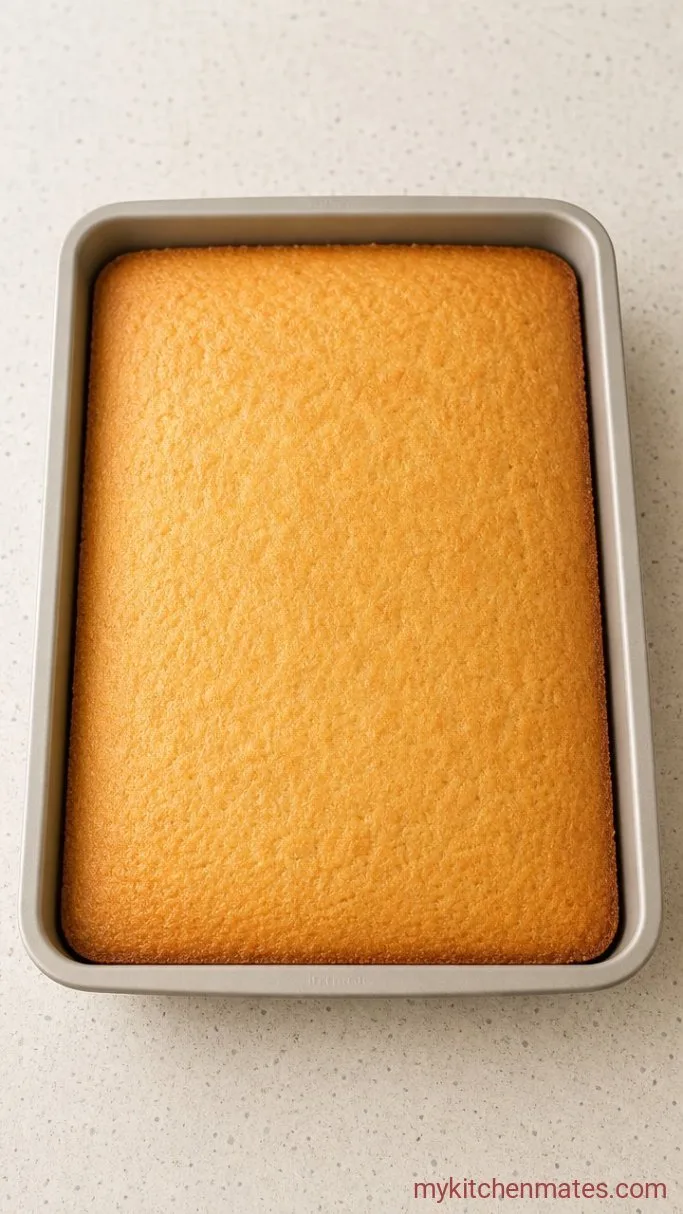
Pour the batter into the prepared pan and spread it evenly with a spatula. Bake for 28 to 32 minutes, until a toothpick inserted in the center comes out clean or with a few moist crumbs. Let the cake cool in the pan on a wire rack for at least 30 minutes before frosting.
If you frost while the cake is still warm, the buttercream will melt into the top, which can be delicious but a bit messy. For a perfectly smooth, fluffy finish, cool it completely.
Step 5: Whip the Buttercream Frosting
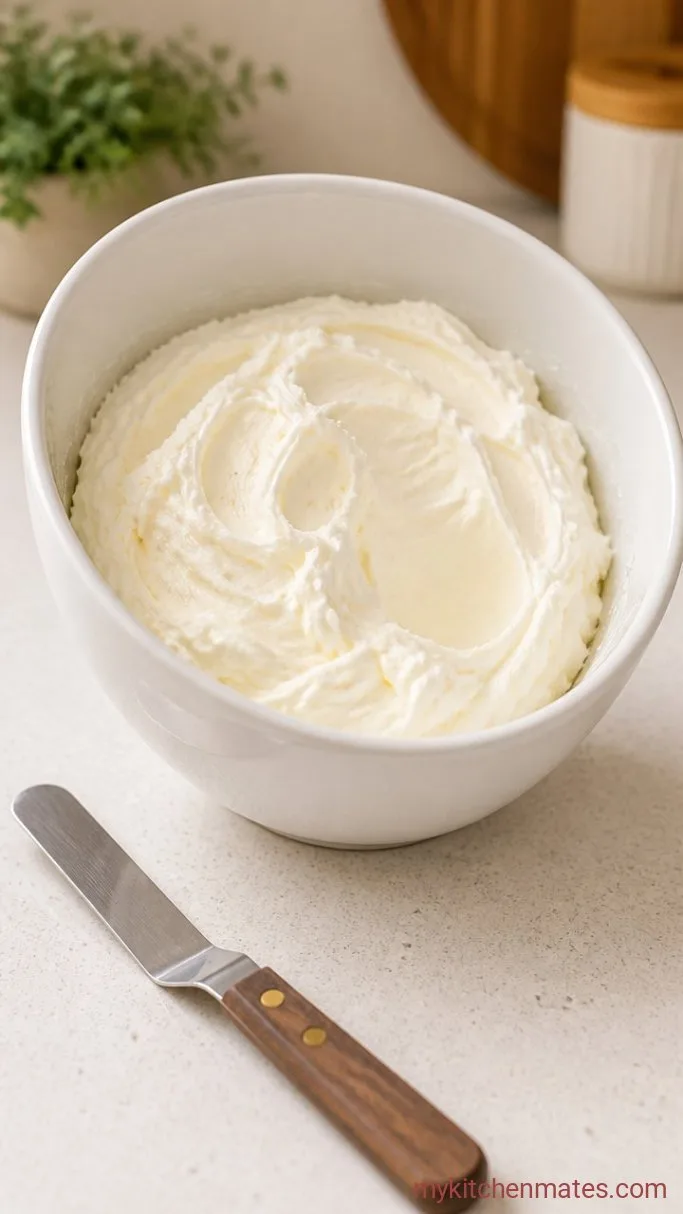
While the cake cools, beat the 1 cup softened butter for the frosting on medium speed until smooth. Add 3 cups of the powdered sugar, the 2 tbsp milk, and 1 tsp vanilla, and beat on low until combined. Crank the speed to high for 1 to 2 minutes until the frosting is light and creamy. If it feels too stiff, add another tablespoon of milk; if too loose, beat in up to another cup of powdered sugar.
The frosting should be spreadable but hold its shape when you pull a spatula through it.
Step 6: Frost the Top and Serve
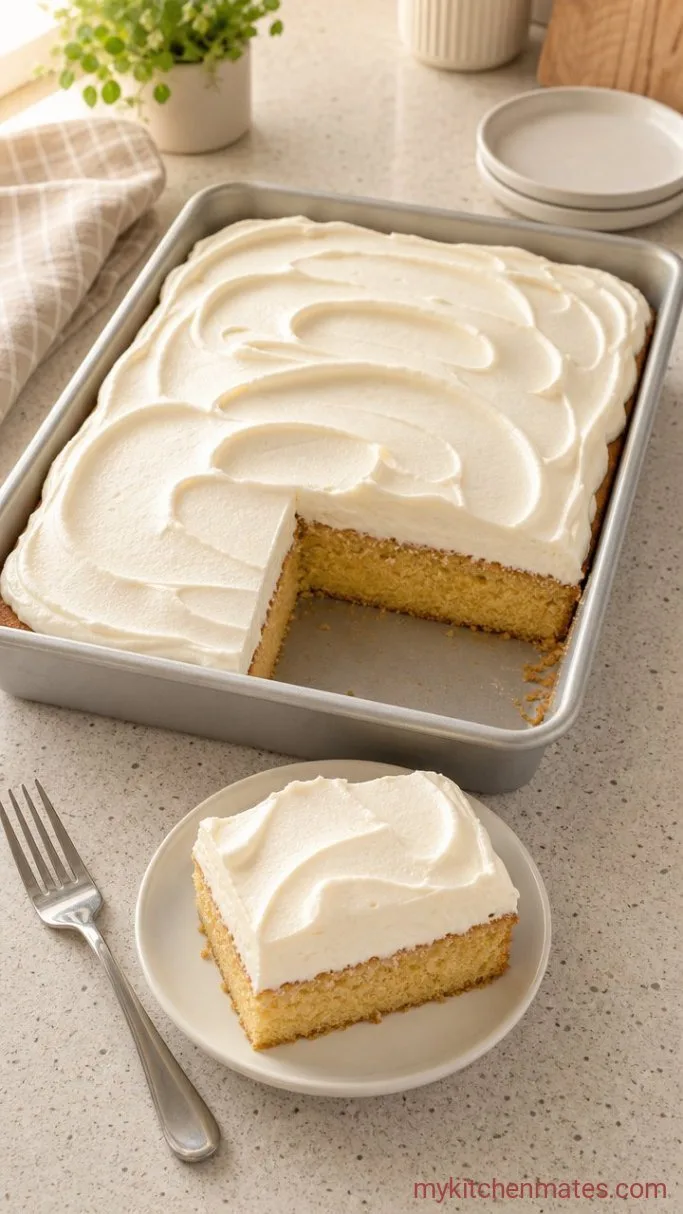
Once the cake is fully cool, dollop the frosting onto the center and spread it evenly to the edges with an offset spatula. A few gentle swoops in the buttercream give it that homemade look. Slice into 12 squares and serve.
A Few Notes for the Best Cake
- Use room temperature ingredients.: Cold butter won’t cream properly, and cold eggs or milk can shock the batter, giving you a denser cake.
- Don’t overmix after adding the flour.: Stir just until the white streaks vanish. Overworked gluten makes a chewy, tough crumb.
- Check for doneness a couple of minutes early.: Every oven runs a little differently, and a toothpick that pulls out clean means the cake is ready. If the top is browning too fast before the center is set, tent it loosely with foil.
- For the smoothest frosting spread, chill the cake for 20 minutes after it cools. The crumbs stay put.
- Leftover frosting?: It keeps in the fridge for up to a week. Bring it to room temperature and rewhip before using.
Bake times for other pan sizes (all at 350°F / 175°C):
| Pan size | Approximate bake time |
|---|---|
| Two 8-inch round pans | 24–28 minutes |
| 9-inch square pan | 28–32 minutes |
| 12-cup cupcake tin | 18–22 minutes |
Storing the Cake
- Refrigerate: Cover the frosted cake loosely with plastic wrap or a cake dome. It stays fresh in the fridge for up to 5 days.
- Reheating: A single slice warms nicely in the microwave for 10 to 15 seconds, which softens the buttercream just enough.
- Serve cold: Many people prefer this cake right from the fridge, when the frosting is firm and almost fudgy.
Frequently Asked Questions
Can I use oil instead of butter?
You can, but the texture changes. Oil makes a softer, slightly springier crumb. Use 3/4 cup of neutral oil, and know the butter flavor will be less prominent.
Why did my cake sink in the middle?
Most likely the oven door was opened too early, the cake wasn’t baked long enough, or the batter was overmixed. Wait until at least the 25-minute mark before peeking, and test with a toothpick.
How do I make this gluten-free?
Substitute a good 1:1 gluten-free baking flour blend that contains xanthan gum. The crumb may be a bit more delicate, but it works the same way.
Can I freeze the cake before frosting?
Yes. Wrap the completely cooled cake tightly in plastic and freeze for up to 3 months. Thaw in the fridge overnight, then frost as usual.
Vanilla Sheet Cake Recipe
Ingredients
Method
- Preheat oven to 350°F (175°C). Grease a 9×13 inch pan.
- Beat 1 cup butter and sugar until light and fluffy, about 3 minutes.
- Beat in eggs one at a time, then vanilla.
- Whisk flour, baking powder, and salt in a separate bowl.
- Add dry ingredients to butter mixture in three additions, alternating with milk, mixing just until combined.
- Pour batter into pan and bake 28–32 minutes, until a toothpick comes out clean. Cool completely.
- For frosting, beat 1 cup butter until smooth. Add 3 cups powdered sugar, 2 tbsp milk, and vanilla. Beat until light, adding more sugar or milk as needed.
- Spread frosting over the cooled cake, slice, and serve.
Notes
