
15-Minute Thai Shrimp Curry

This Thai shrimp curry comes together in 15 minutes with barely any chopping. Creamy coconut milk, spicy curry paste, and sweet shrimp make it a weeknight dinner you will reach for again and again.
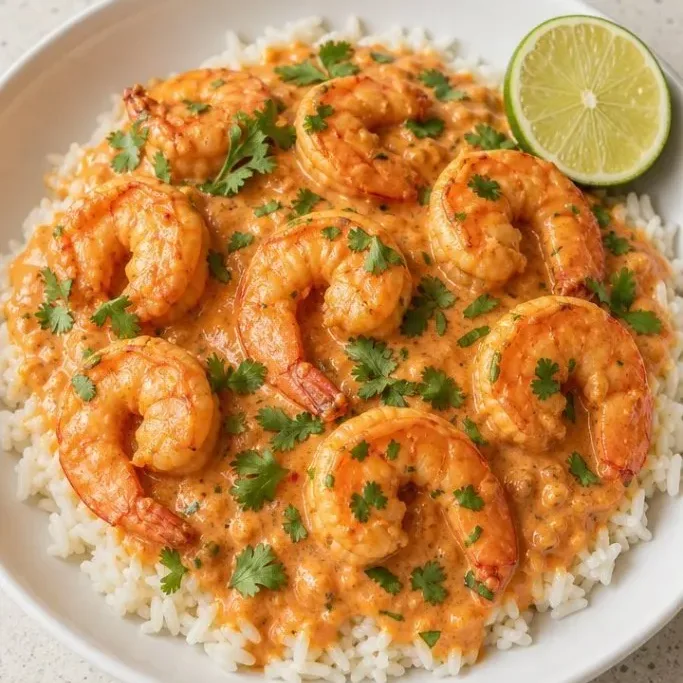
It tastes like takeout but cooks faster than delivery. The sauce is rich and velvety, with a gentle heat that warms without burning. Spoon it over steamed rice and dinner is done.
What Makes This Thai Shrimp Curry So Good
I love that it is fast, but the real reason it stays in the rotation is how balanced it is. The coconut milk tames the curry paste just enough, the shrimp stays tender, and the lime at the end makes everything pop.
You do not need a stocked pantry to pull it off. A jar of Thai curry paste, a can of coconut milk, a bag of frozen shrimp, and a handful of basil or cilantro. That little squeeze of lime is what brings it all together.
Ingredients
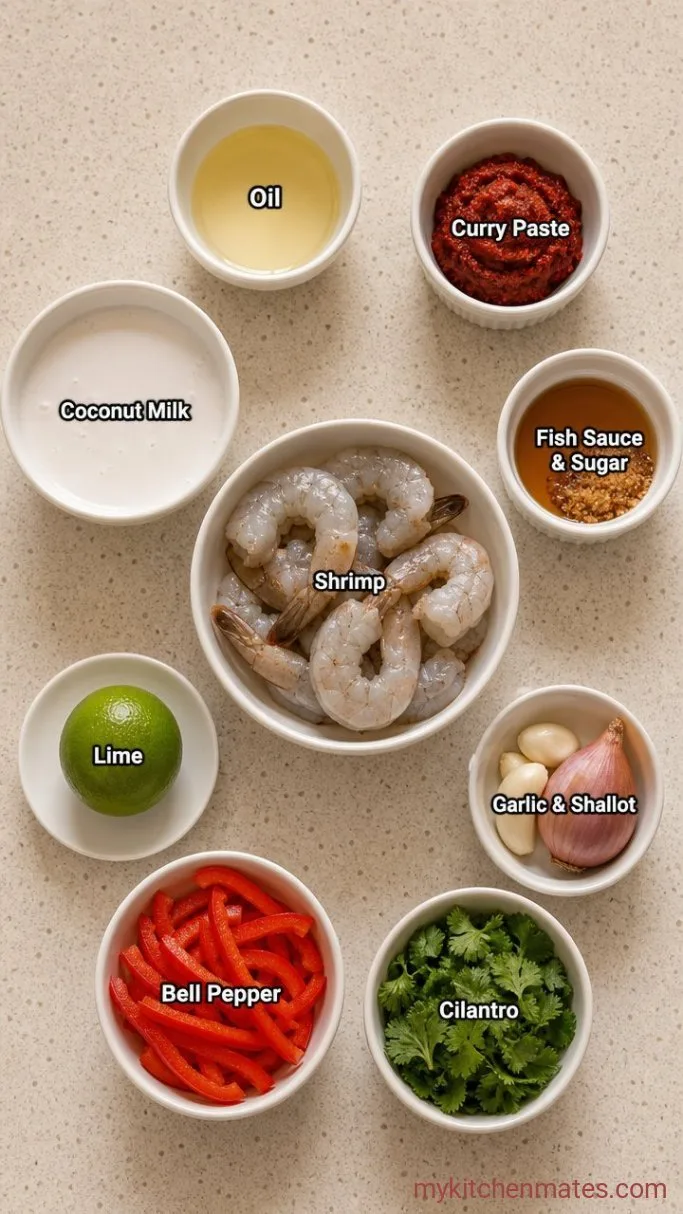
- 1 lb large shrimp, peeled and deveined: use frozen if you have them, just thaw and pat very dry
- 1 tbsp vegetable oil: or any neutral oil you like
- 3 tbsp Thai red curry paste: a jarred paste like Maesri or Thai Kitchen
- 1 (14 oz) can full-fat coconut milk: shake the can before you open it
- 1 tbsp fish sauce: for savory depth
- 2 tsp brown sugar: smooths out the heat
- 1 lime, juiced: brightens the whole dish right at the end
- 1 shallot, thinly sliced: or half a small onion
- 3 cloves garlic, minced
- 1 red bell pepper, thinly sliced
- ¼ cup fresh basil or cilantro leaves: Thai basil is great if you spot it
Variations / Substitutions
- Swap the protein: thinly sliced chicken thigh or cubed firm tofu work just as well; adjust the cooking time so they cook through.
- Change the paste: green curry paste makes it fresher and more herbal, yellow curry paste turns it milder and warmer.
- Add more vegetables: snow peas, broccoli florets, or sliced zucchini can go in with the bell pepper.
- Skip the sugar: stir in a teaspoon of honey or leave it out altogether if your curry paste is already sweet.
Thai Peanut Satay Sauce is a homemade sauce that goes great with this curry.
How to Make Thai Shrimp Curry
Step 1: Sear the Shrimp

Set a large skillet or wok over medium-high heat and add the oil. Once it shimmers, lay the shrimp in a single layer and let them sear for 1 to 2 minutes per side, until they just turn pink. They should curl slightly but still look a little translucent in the center. Transfer them to a plate and set aside.
They will finish cooking in the sauce later, so pulling them off early keeps them from turning rubbery.
Step 2: Sauté the Aromatics and Paste
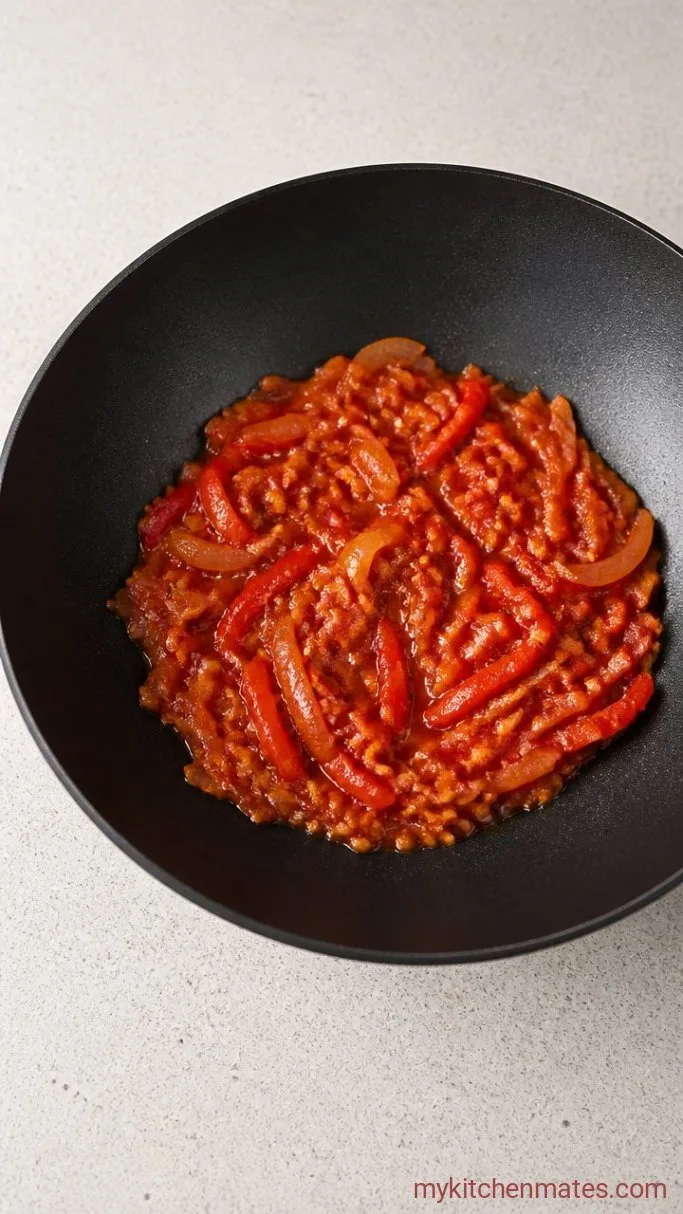
Drop the heat to medium. Toss the sliced shallot into the same pan and cook, stirring often, until it softens, about 3 minutes. Add the garlic and curry paste, then cook for 1 minute more, pressing the paste around the pan. It will darken a shade and become intensely fragrant.
The paste needs that minute of direct heat to bloom the spices. You will smell the difference.
Step 3: Simmer the Coconut Sauce and Add Shrimp
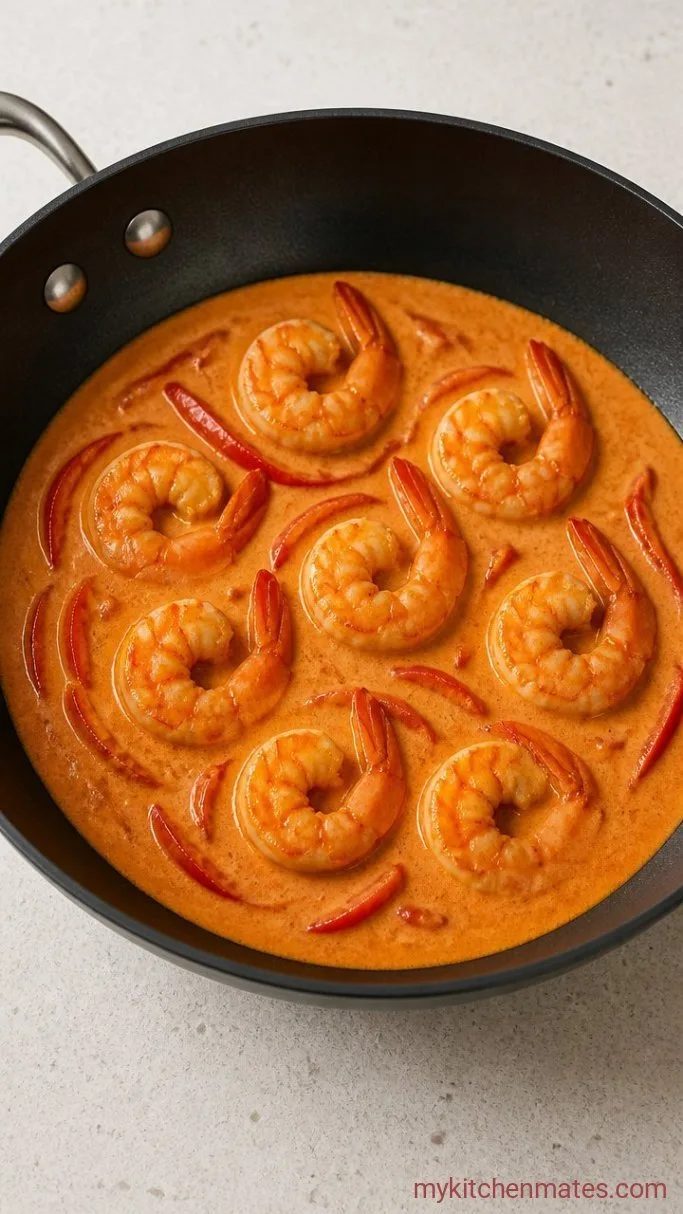
Pour in the coconut milk, fish sauce, and brown sugar. Give it a good stir and bring the mixture to a gentle simmer, not a rolling boil. Let it bubble softly for 5 minutes, stirring now and then. The sauce will thicken just enough to coat the back of a spoon. Add the seared shrimp and the bell pepper slices. Simmer for 2 to 3 minutes more, just until the shrimp are pink and tightly curled and the peppers are tender with a little bite left.
If the sauce looks too thick, splash in a spoonful of water. It should be spoonable but not heavy.
Step 4: Ladle Over Rice and Garnish
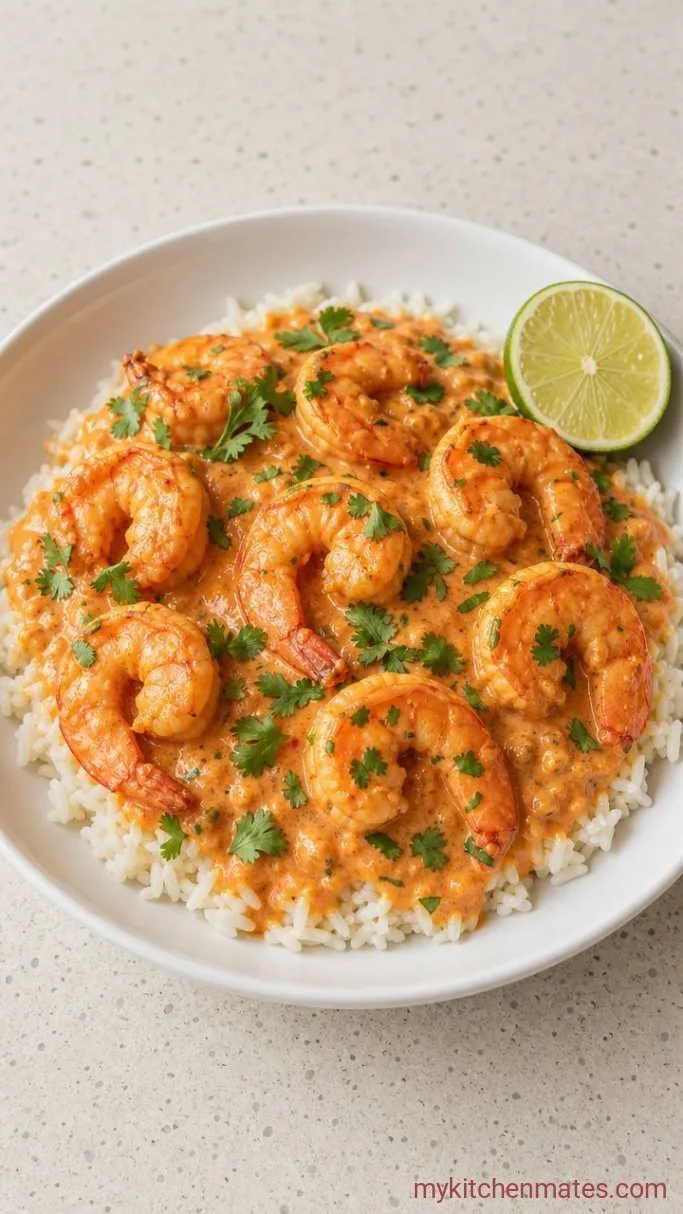
Pull the pan off the heat. Stir in the lime juice and most of the basil leaves, keeping a few pretty ones aside. Taste the sauce; if it wants more salt, add another small splash of fish sauce. If it needs brightness, add the rest of the lime. Ladle the curry into bowls over steamed jasmine rice and scatter the reserved basil on top. Serve it hot, while the shrimp are still tender and the sauce is silky.
Tips for the Best Thai Shrimp Curry
- If your curry paste is very firm, loosen it with a splash of coconut milk from the can before you add it to the pan. It will spread through the sauce more evenly.
- Taste before the shrimp go in.: The sauce should hit salty, sweet, and tart all at once. Adjust with a little more fish sauce or lime until it feels balanced to you.
- Pull the pan when the shrimp curl.: The moment they turn pink and form a tight C shape, they are done. Residual heat will keep carrying them, so moving the pan off the burner stops them from overcooking.
- Full-fat coconut milk matters here.: Light coconut milk can leave the sauce thin and watery. Give the can a good shake before opening so the cream and liquid mix back together.
Storing Leftovers
- Refrigerate: Pack the curry into an airtight container and keep it in the fridge for up to 3 days. The flavors settle and deepen overnight.
- Reheating: Warm it gently in a saucepan over medium-low heat, stirring often. Add a splash of water if the sauce has thickened too much. Do not let it boil hard or the coconut milk may split.
What to Serve with Thai Shrimp Curry
Steamed jasmine rice is the obvious choice, but coconut rice makes it feel extra lush. A crisp cucumber salad with rice vinegar and crushed peanuts cuts straight through the richness, and a side of quickly sautéed bok choy or green beans adds the right fresh crunch.
Frequently Asked Questions
How spicy is this curry?
It lands at a warm, medium heat with the paste amounts listed. Use 2 tablespoons of curry paste if you prefer mild, or add a sliced fresh chili with the garlic for extra fire.
Can I make it ahead of time?
Yes, the flavors actually get better after a rest. Make the curry through step 3 but stop before adding the shrimp and bell pepper. When you are ready to eat, bring the sauce back to a simmer, add the shrimp and peppers, and finish as written. Add the lime and herbs right before serving.
What is the best curry paste to use?
Maesri brand red curry paste is a favorite for its balanced flavor and steady heat. Thai Kitchen is milder and easy to find in most grocery stores. Both work well here.
Can I use coconut cream instead of coconut milk?
You can, but coconut cream is much thicker. Use half coconut cream and half water to get a consistency closer to full-fat coconut milk, or the sauce will feel heavy.
My sauce separated. What went wrong?
A hard boil can cause the coconut milk to split. If it looks grainy, take it off the heat, stir firmly, and keep the heat lower going forward. A spoonful of water stirred in can help bring it back together.
Thai Shrimp Curry Recipe
Ingredients
Method
- Heat oil in a large skillet over medium-high heat. Sear shrimp for 1 to 2 minutes per side until just pink, then transfer to a plate.
- Reduce heat to medium. Cook shallot until softened, about 3 minutes. Add garlic and curry paste, and cook 1 minute until fragrant.
- Pour in coconut milk, fish sauce, and brown sugar. Simmer 5 minutes, then add shrimp and bell pepper. Simmer 2 to 3 minutes until shrimp are cooked through.
- Remove from heat. Stir in lime juice and most of the basil. Ladle over rice and top with reserved basil.
Notes
