
Taiwanese Beef Noodle Soup: Rich, Spicy, and Fall-Apart Tender

Taiwanese beef noodle soup is a steaming bowl of deeply savory broth, tender braised beef, and chewy wheat noodles that warms you from the inside out. It’s the kind of weekend project that rewards you with a stunning dinner and leftovers that only get better.
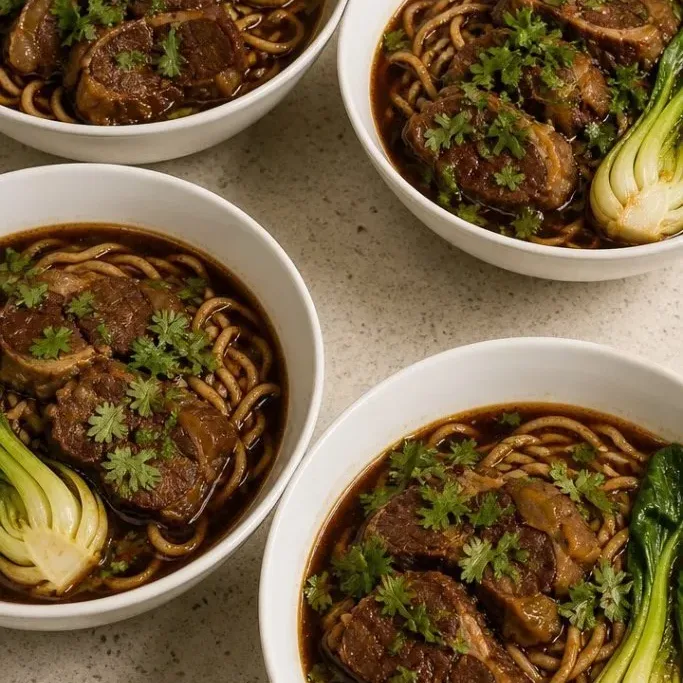
The broth gets its signature depth from chili bean paste, soy sauce, a handful of warm spices, and a long, slow braise. This version uses beef shank for extra silkiness, but brisket or chuck work beautifully too.
Why This Soup Stays in My Winter Rotation
The broth is the star here: rich, slightly spicy, and deeply meaty without feeling heavy. After a few hours in the oven, the beef turns so tender it practically shreds with a spoon, but still holds its shape.
It’s the kind of soup that makes the whole kitchen smell incredible long before you even lift the lid. I keep coming back to this version because it balances heat, sweetness, and savory notes just right.
Ingredients
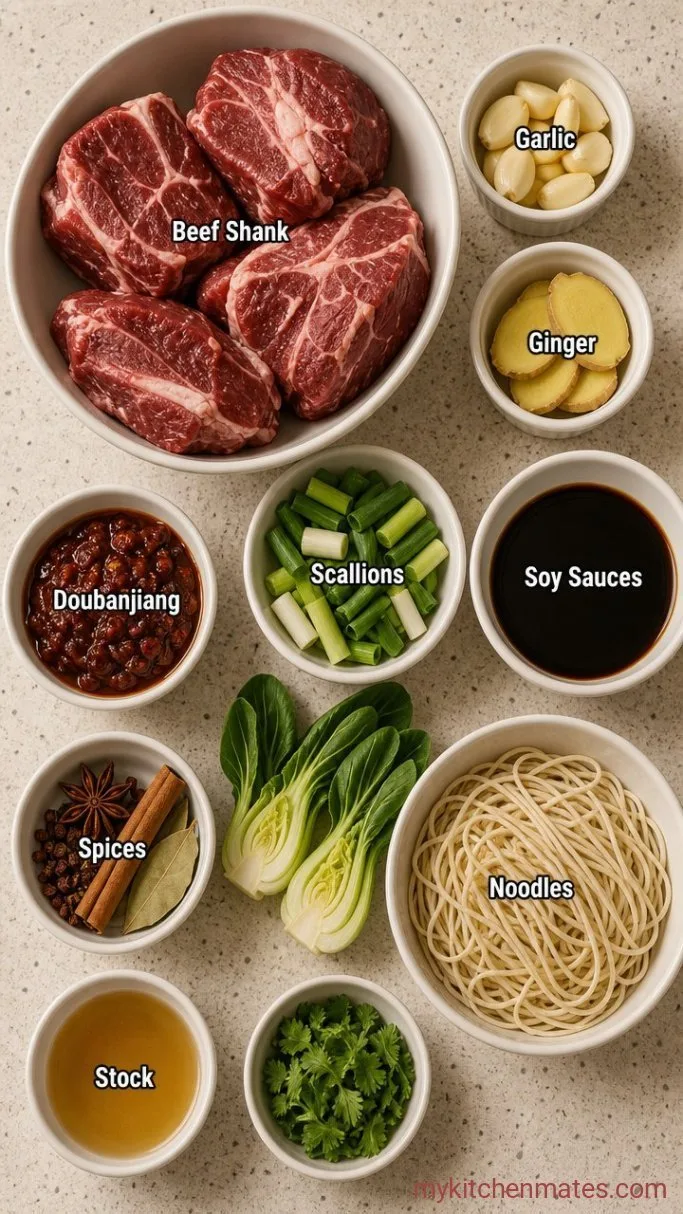
- 2 lbs beef shank: shin with plenty of connective tissue for silkiness; brisket or chuck also work.
- 2 tbsp vegetable oil
- 6 cloves garlic, smashed
- 3 slices fresh ginger (about ¼ inch thick)
- 3 scallions, cut into 3-inch pieces
- 3 tbsp doubanjiang (chili bean paste): the key to the broth’s deep red color and heat.
- ¼ cup light soy sauce
- 2 tbsp dark soy sauce: optional, mostly for color.
- 2 tbsp sherry
- 1 tbsp sugar (rock sugar if you have it)
- 3 star anise
- 1 cinnamon stick (about 2 inches)
- 2 bay leaves
- 1 tsp Sichuan peppercorns: optional, for a numbing kick.
- 8 cups water or beef stock: stock makes a richer broth.
- 1 lb fresh or dried wheat noodles
- 4 baby bok choy, halved
- chopped cilantro, for serving
Variations / Substitutions
- Make it vegetarian: replace beef with king oyster mushrooms and use vegetable stock; omit meat.
- Use gluten-free noodles: rice noodles or sweet potato noodles hold up well in the hot broth.
- Dial down the heat: reduce doubanjiang to 1 tbsp and skip the Sichuan peppercorns.
Soft and Fluffy Texas Roadhouse Rolls make the perfect bread to serve with this soup.
How To Make Taiwanese Beef Noodle Soup
Step 1: Blanch the Beef
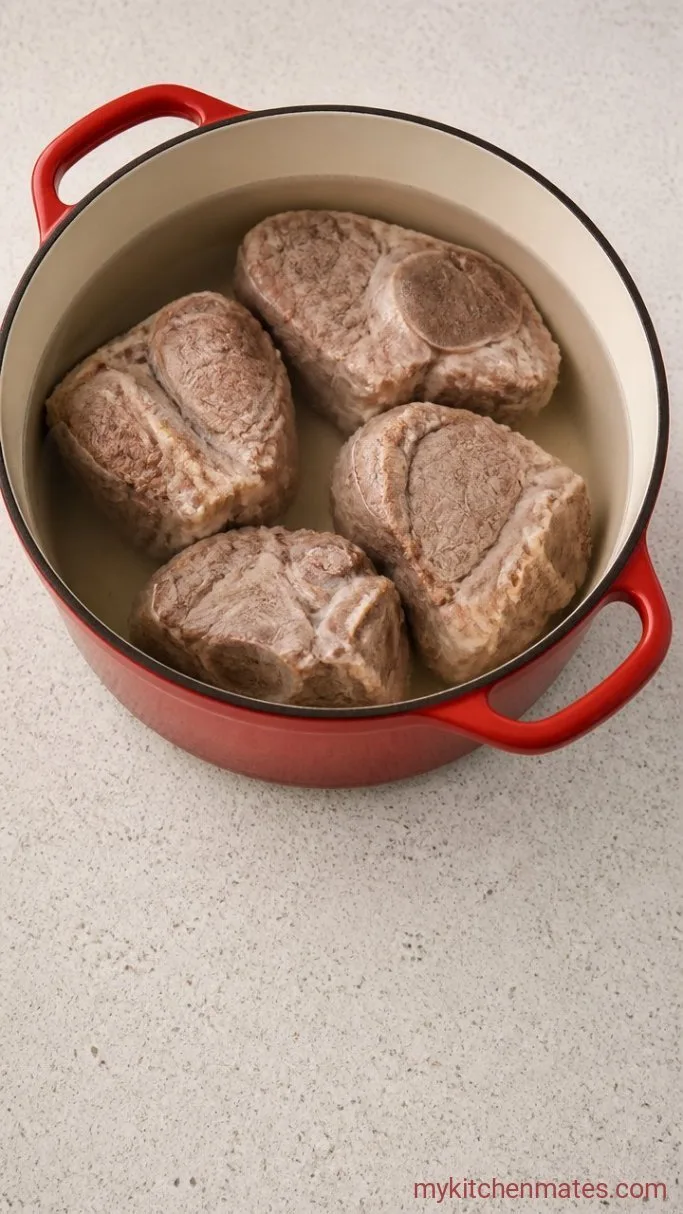
Place the beef shank in a large pot and cover with cold water. Bring to a boil over high heat, then cook for 5 minutes. Skim off the gray foam that rises to the surface. Drain the beef, rinse it under warm water, and cut it into thick 2-inch chunks.
The water will turn cloudy and scummy. That’s all the impurities you want to remove for a clean, clear broth.
Skipping this step leaves the broth murky and can give it an off taste. Rinsing the beef after blanching wipes away any remaining bits, so take the extra minute to do it.
Step 2: Brown the Aromatics
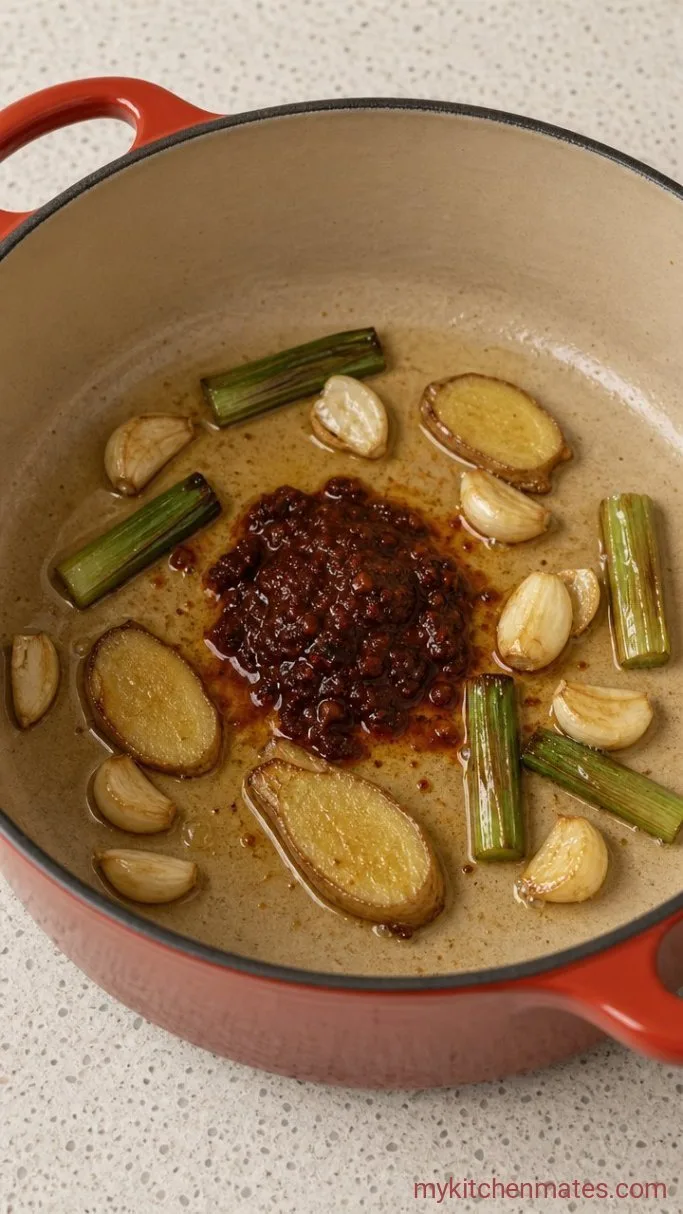
Wipe the pot dry, then heat the 2 tbsp vegetable oil over medium heat. Add the smashed garlic, ginger slices, and scallion pieces. Stir for about 2 minutes, until they smell fragrant and the scallions start to soften.
The kitchen will fill with a sharp, gingery scent that mellows as the garlic turns pale gold. You want the aromatics to release their flavor without charring.
Don’t let the garlic burn. Keep the heat at medium and move everything around so it colors evenly. You are building the flavor base that will carry the whole broth.
Step 3: Braise the Beef
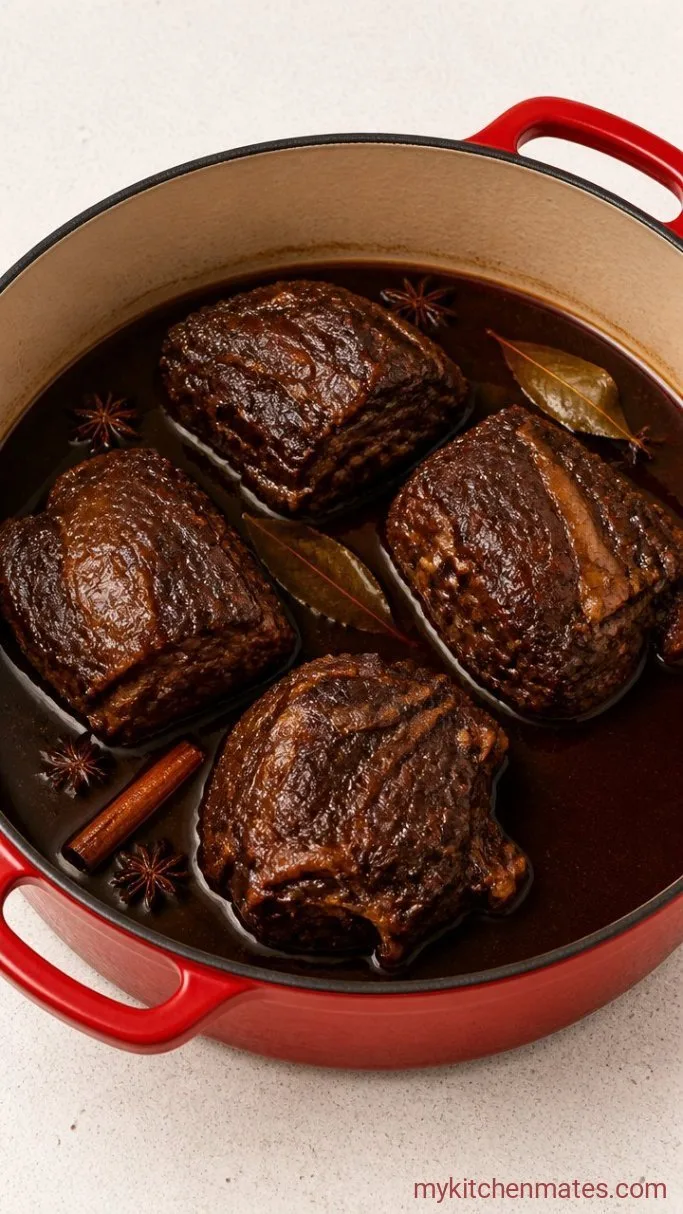
Reduce the heat to medium-low, add the 3 tbsp doubanjiang, and stir for 1 minute to release its color and aroma. Then pour in the light soy sauce, dark soy sauce (if using), Sherry, and sugar. Scrape up any browned bits from the bottom of the pot. Add the blanched beef chunks, star anise, cinnamon stick, bay leaves, and Sichuan peppercorns (if using). Pour in 8 cups water or beef stock. Increase the heat to high and bring to a boil, then cover the pot, transfer to a 325°F (160°C) oven, and braise for 2½ to 3 hours.
The liquid will transform from a thin, reddish broth into a dark, glossy sauce around the meat. Lift the lid and the beef should be fork-tender and almost pulling apart.
If you braise on the stovetop instead, keep the liquid at the gentlest simmer. Small bubbles should barely break the surface. Check occasionally to make sure the liquid hasn’t reduced too much. You want enough broth left to fill the bowls.
Step 4: Cook the Noodles
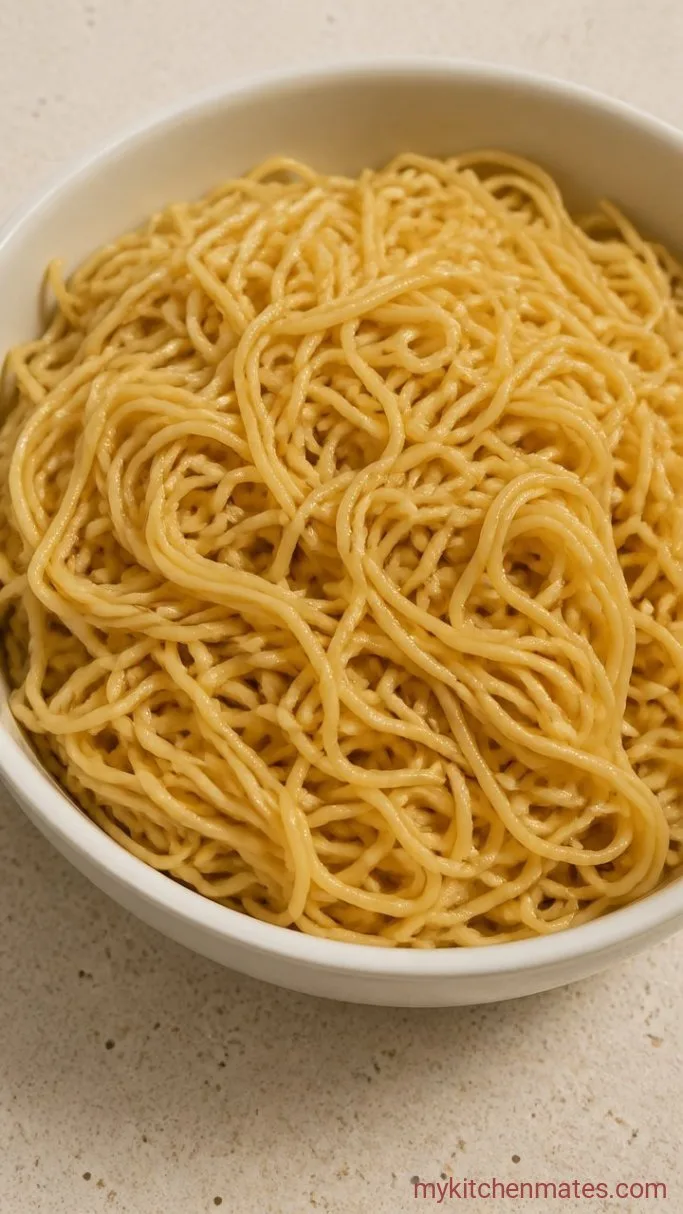
When the beef is nearly ready, bring a separate pot of water to a boil. Cook the wheat noodles according to package directions (usually 4 to 5 minutes for fresh, up to 8 for dried). Drain them well and divide among 4 to 6 deep bowls. In the same pot or a small pan, blanch the baby bok choy halves in boiling water for 30 seconds just until bright green, then drain.
The noodles should be chewy but cooked through, with no raw flour taste. Bok choy will turn a vivid green and keep its slight crunch.
Don’t overcook the noodles. They’ll soften further when the hot broth hits them. Working quickly here means every bowl gets hot noodles and crisp greens at the same time.
Step 5: Assemble the Bowls
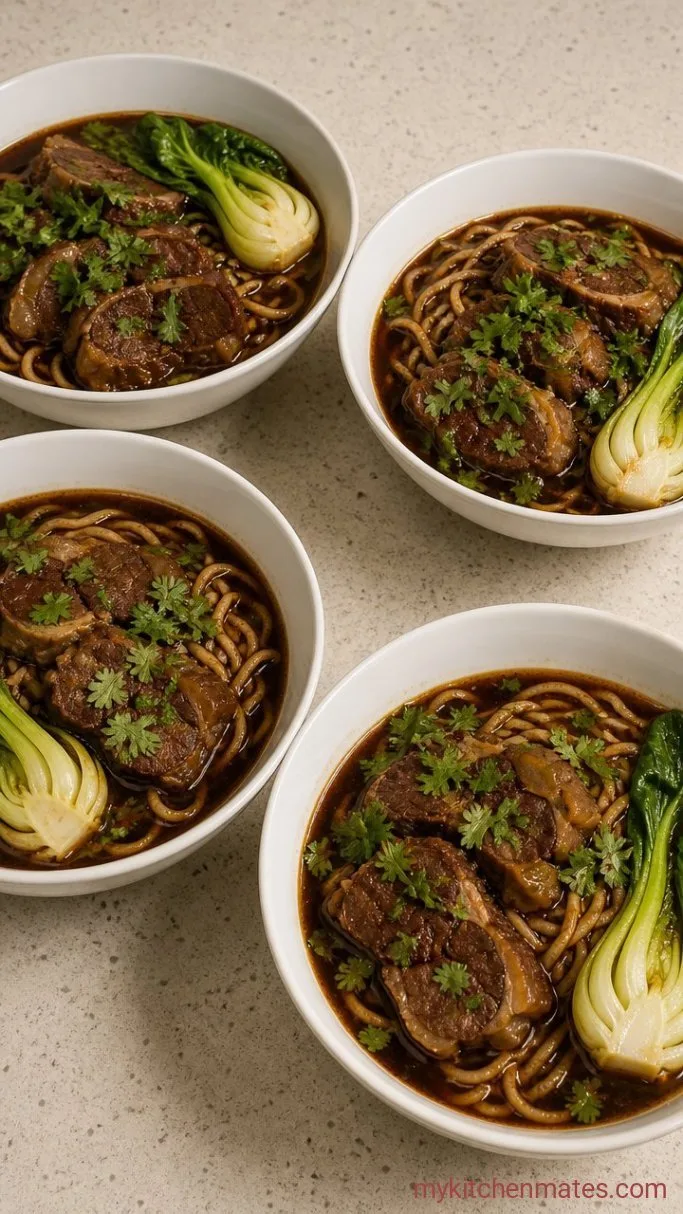
Ladle the hot broth and a generous portion of beef into each bowl over the noodles. Tuck the blanched bok choy alongside, then scatter chopped cilantro on top. Serve right away with a spoon and chopsticks.
The steam rising from the bowl carries all those warm spices, and the broth shimmers dark red with chili oil at the surface. Extra broth and beef only get better after a night in the fridge.
A Few Tips for the Best Bowl
- Use beef shank if you can find it. The connective tissue melts into the broth and makes it incredibly silky.
- Let the soup rest overnight in the fridge. The flavors deepen and the fat solidifies on top for easy removal.
- For a bolder broth, use a good beef stock instead of water.
- Don’t skip the doubanjiang. It’s not just heat but a fermented savory depth that defines the soup.
- If you like it fiery, add a spoonful of chili oil at the table.
Braise times by method:
| Method | Temperature | Time |
|---|---|---|
| Oven | 325°F (160°C) | 2½ to 3 hours |
| Stovetop | Low simmer | 2½ to 3 hours |
| Pressure Cooker | High pressure | 45 minutes |
Storing and Reheating
- Refrigerate: Store the soup in an airtight container for up to 4 days. The broth and beef taste even better the next day.
- Reheating: Warm gently on the stovetop over medium-low heat until the beef is heated through. Add a splash of water if the broth has thickened too much.
What Goes Well With Taiwanese Beef Noodle Soup
A small bowl of pickled mustard greens cuts through the richness, while smashed cucumber salad with garlic and sesame oil adds a cool, crisp bite. A drizzle of chili oil or a dash of black vinegar at the table lets everyone tailor the heat to their taste.
Frequently Asked Questions
Can I use a different cut of beef?
Yes, chuck, brisket, or short ribs all work well. Braise until the meat pulls apart easily with a fork.
Is there a way to make this less spicy?
Reduce the doubanjiang to 1 tbsp and skip the Sichuan peppercorns. The broth will still be deeply savory with a gentle warmth.
Can I make this in a slow cooker?
Yes. Brown the aromatics and doubanjiang on the stovetop, then transfer everything to a slow cooker. Cook on low for 8 hours.
How do I freeze leftovers?
Freeze the broth and beef separately in airtight containers. Thaw overnight in the fridge and reheat gently on the stovetop.
Taiwanese Beef Noodle Soup Recipe
Ingredients
Method
- Blanch beef in boiling water 5 minutes, drain, rinse, and cut into 2-inch chunks.
- Brown garlic, ginger, and scallions in oil over medium heat for 2 minutes.
- Add doubanjiang and stir 1 minute, then add soy sauces, wine, sugar, beef, spices, and liquid. Boil, cover, and braise in a 325°F (160°C) oven 2½ to 3 hours until tender.
- Cook noodles according to package, blanch bok choy 30 seconds, and drain.
- Ladle broth and beef over noodles, add bok choy, top with cilantro, and serve hot.
Notes
