
15-Minute Sundried Tomato Pesto Pasta

This pasta comes together in about the time it takes to boil water. The pesto is a punchy, no-cook sauce made from oil-packed sundried tomatoes, nuts, and Parmesan.
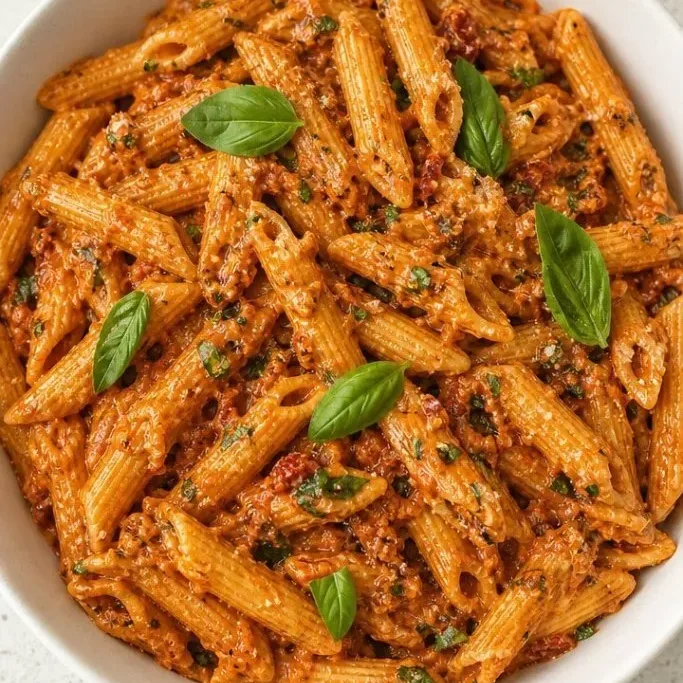
You get a deep savory tang from the tomatoes, a little richness from the cheese, and just enough garlic to wake everything up. It is the kind of dinner you make when you want something that tastes like you fussed, but you barely did.
Why This Pasta Works on Busy Nights
Sundried tomato pesto stores all its flavor in the jar. You just drop everything into a food processor and let it spin.
The sauce clings to hot pasta without needing cream or butter, thanks to the oil from the tomatoes and a splash of starchy pasta water. It tastes bright, salty, and a little nutty every time.
Ingredients
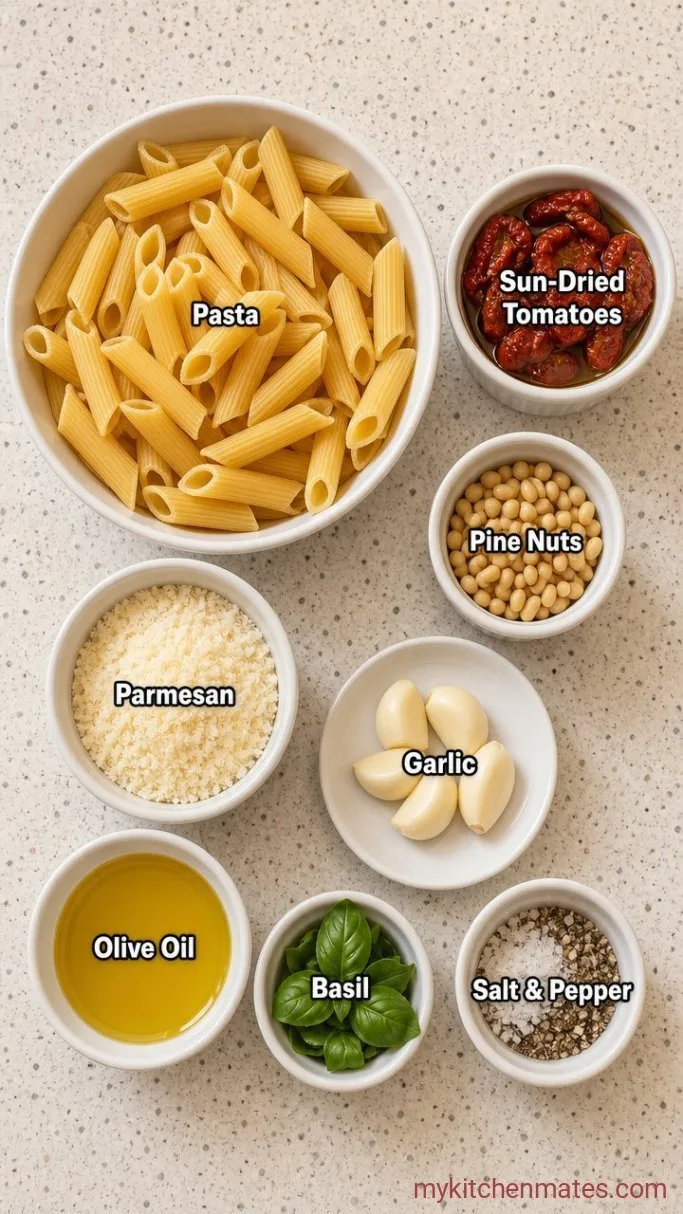
- 8 oz short dried pasta: penne, fusilli, or rigatoni all catch the pesto well.
- 1 cup oil-packed sundried tomatoes, drained: the oil-packed kind blends silky and smooth.
- ⅓ cup pine nuts or walnuts: walnuts give a slightly deeper, earthier taste if you have them.
- ½ cup freshly grated Parmesan: the real wedge stuff melts into the sauce best.
- 2 garlic cloves, peeled: start small and add more if you like heat.
- ¼ cup extra-virgin olive oil: use a fruity one if you have it, but any good olive oil works.
- ¼ cup fresh basil or flat-leaf parsley: basil is classic, parsley keeps it fresh if basil is scarce.
- ½ tsp salt, plus more for the pasta water
- ¼ tsp black pepper
Variations / Substitutions
- Make it nut-free: swap the nuts for an equal amount of raw sunflower seeds, and toast them dry in a pan for 2 minutes until they smell warm.
- Use a different nut: almonds or cashews both work. Almonds give a slightly sweeter pesto, cashews make it almost creamy.
- Skip the cheese: leave out the Parmesan and add an extra pinch of salt, plus 2 tbsp nutritional yeast for a dairy-free version with a savory kick.
- Play with herbs: fresh oregano or a handful of arugula folded into the pesto changes the whole vibe without extra work.
and Spooky Halloween Pasta Salad is a fresh salad to serve alongside this pasta.
How to Make Sundried Tomato Pesto Pasta
Step 1: Blend the Pesto
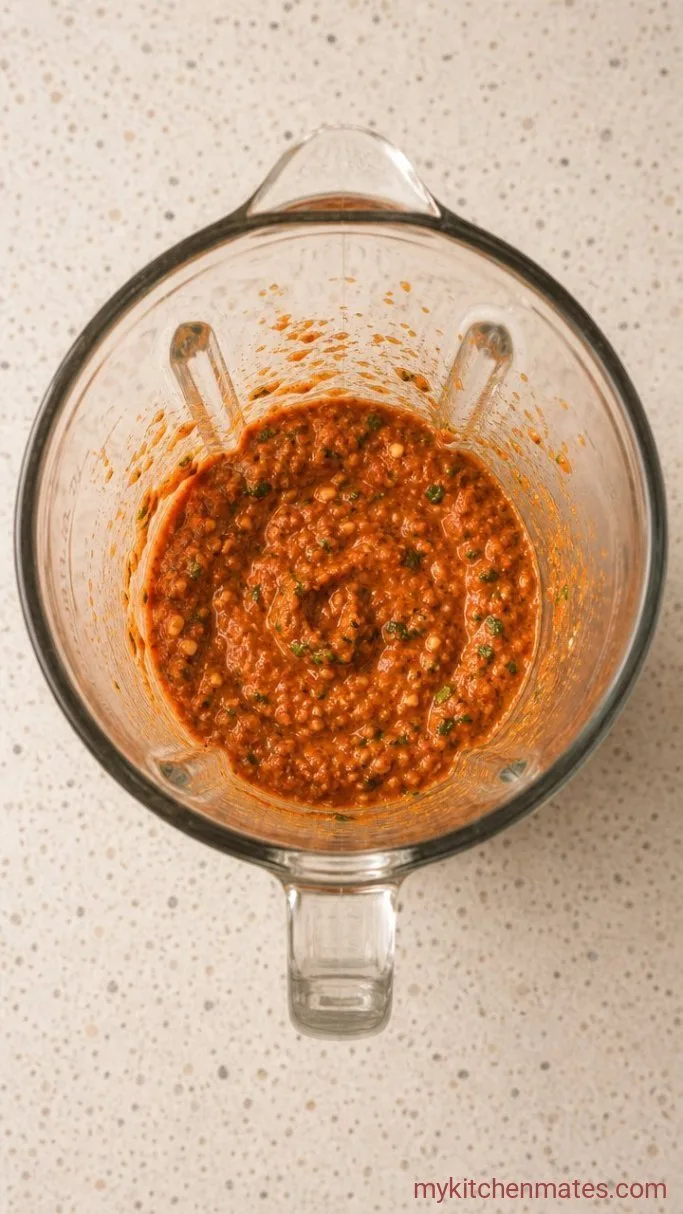
Add the drained sundried tomatoes, ⅓ cup pine nuts, ½ cup grated Parmesan, 2 garlic cloves, ¼ cup olive oil, ¼ cup fresh herbs, ½ tsp salt, and ¼ tsp pepper into a food processor. Pulse until everything is finely chopped and combined, stopping to scrape down the sides once. You want a thick paste that still has tiny flecks of tomato and nut, not a completely smooth puree.
Taste the pesto now and adjust the salt or garlic. The flavor will be intense, which is exactly what you want before it hits the hot pasta.
Step 2: Cook the Pasta
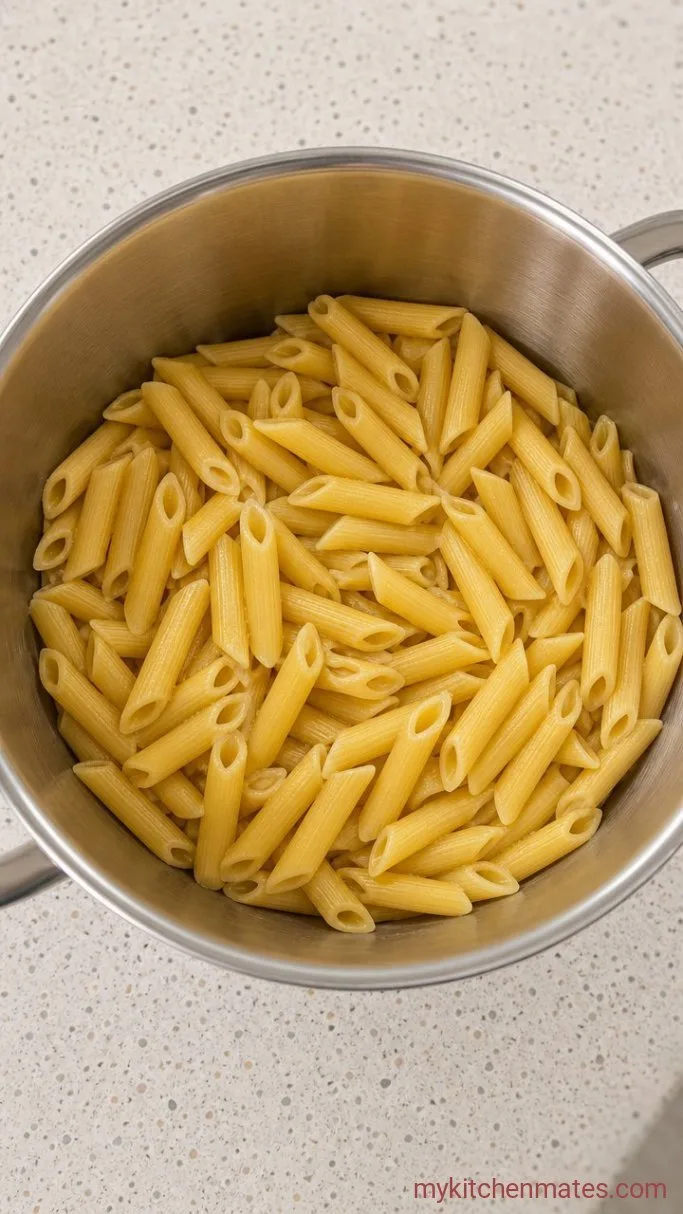
Bring a large pot of well-salted water to a boil. Add the 8 oz pasta and cook until al dente according to the package directions, usually about 9 to 11 minutes. Just before draining, scoop out 1 cup of the starchy pasta water and set it aside.
The pasta water looks cloudy and that cloudiness is what loosens the pesto into a sauce that coats every noodle.
Step 3: Toss with the Pesto and Serve
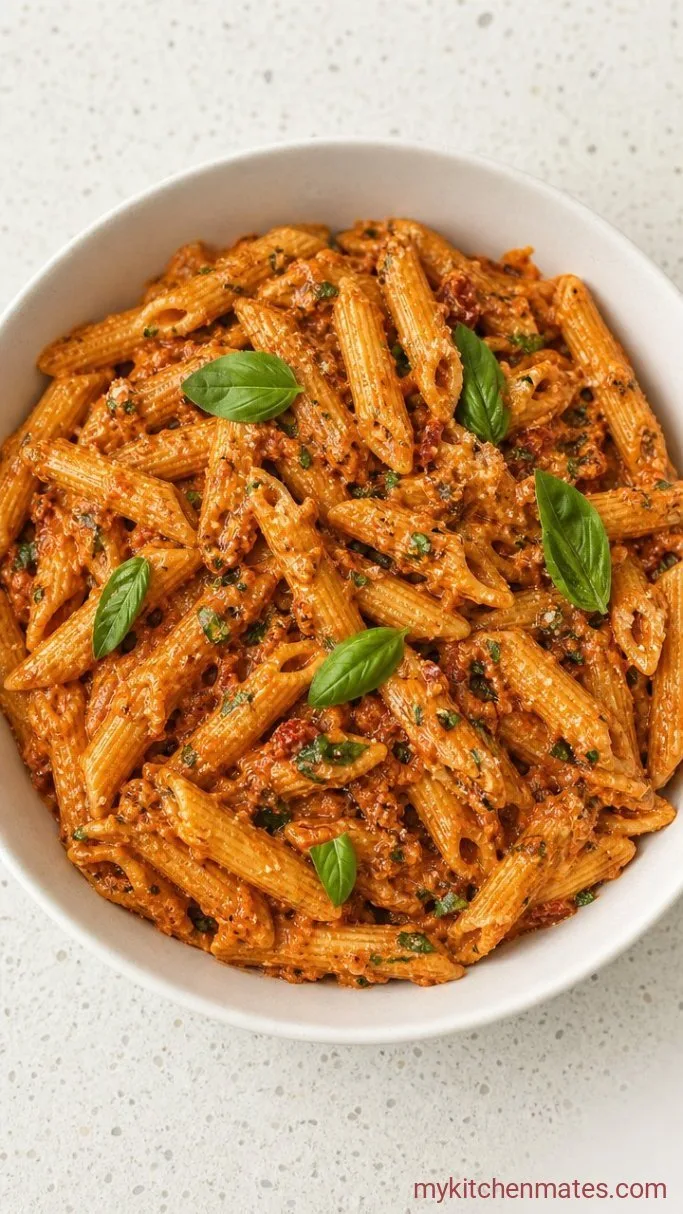
Return the drained pasta to the warm pot, off the heat. Scrape in all the pesto and start tossing with tongs, splashing in the reserved pasta water a tablespoon at a time until the sauce goes from thick paste to glossy coating. You will likely use about ¼ to ⅓ cup.
Twirl the pasta into bowls while it is still hot, and finish each plate with an extra shower of Parmesan and a crack of black pepper right at the table.
Tips for the Best Pesto Pasta
- Use oil-packed sundried tomatoes, not the dry ones in a bag. The oil softens them just enough to blend without soaking, and it carries flavor into the sauce.
- If your pesto tastes flat, add a tiny pinch of salt and a drop of red vinegar or lemon juice. Acid wakes up the tomatoes and brightens the whole dish.
- Dried pasta shapes with ridges or curves hold onto the pesto much better than long smooth noodles like spaghetti.
- If the pesto seizes up when you add it to the pasta, just drizzle in more warm starchy water and keep tossing until it relaxes.
Storing Leftovers
- Refrigerate: Pack the cooled pasta into an airtight container and keep it in the fridge for up to 3 days. The pesto settles a bit when cold, so bring it to room temperature or reheat very gently.
- Reheating: Warm it in a skillet over low heat with a splash of water, tossing often, just until it loosens up. The microwave works in a pinch, but the stove keeps the texture better.
- Serve cold: This pasta tastes great straight from the fridge as a cold lunch, almost like a pasta salad. Stir in some halved cherry tomatoes or a handful of arugula to freshen it up.
What to Serve with Sundried Tomato Pesto Pasta
A simple green salad with a sharp lemon vinaigrette cuts through the richness of the pesto without competing. Garlic bread rubbed with a raw clove and toasted under the broiler is always welcome, and roasted asparagus or broccoli tossed in olive oil and salt rounds out the plate.
Frequently Asked Questions
Can I use dry-packed sundried tomatoes instead of oil-packed?
Yes, but rehydrate them first. Soak the dry tomatoes in hot water for about 10 minutes, then drain well and pat them dry before blending, and add an extra tablespoon of olive oil to the pesto to make up for the missing oil.
What other pasta shapes work here?
Any short shape with nooks or tubes works best, like rotini, cavatappi, or orecchiette. Long pasta like fettuccine also works if you toss it well and use enough pasta water, but the pesto clings better to shapes with texture.
Can I make the pesto ahead of time?
Absolutely. Store the pesto in a jar topped with a thin layer of olive oil in the fridge for up to 5 days, or freeze it in an ice cube tray for quick single servings later.
How do I make this spicier?
Add a pinch of crushed red pepper flakes to the food processor when you blend the pesto, or scatter them over the finished bowls.
Sundried Tomato Pesto Pasta Recipe
Ingredients
Method
- Add sundried tomatoes, pine nuts, Parmesan, garlic, olive oil, herbs, salt, and pepper to a food processor. Pulse until finely chopped into a thick paste.
- Cook pasta in salted boiling water until al dente. Reserve 1 cup of pasta water, then drain.
- Return drained pasta to the pot off the heat, add the pesto, and toss. Stir in reserved pasta water a tablespoon at a time until the sauce coats the pasta. Serve with extra Parmesan and black pepper.
Notes
