
Fluffy Sugar Free Cinnamon Rolls

These sugar free cinnamon rolls are soft, buttery spirals filled with cinnamon and a brown sugar substitute, then topped with a tangy cream cheese icing. They taste like the real thing without any added sugar, so you can enjoy a warm, fresh-baked roll even when you are cutting back.
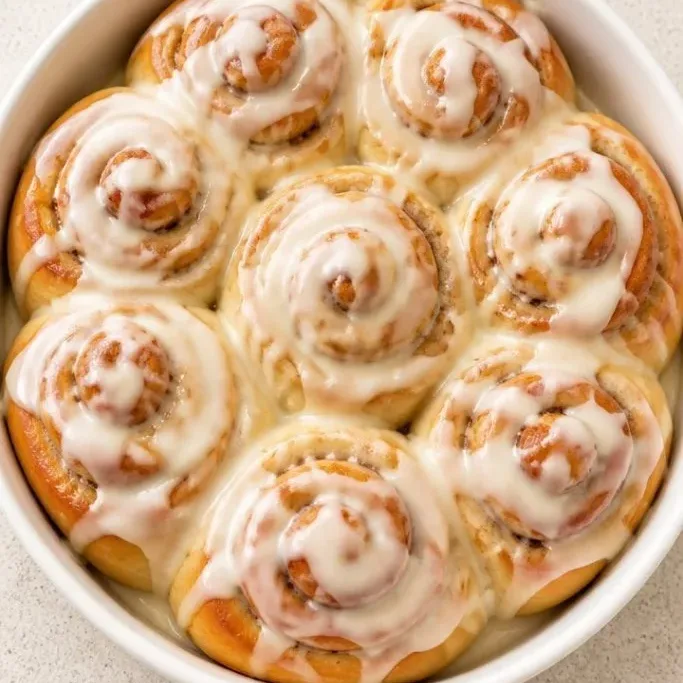
The dough is pillowy and tender, not dense or dry the way some sugar free baked goods can be. A little practice with the shaping gets you that classic swirl, and the smell while they bake will pull everyone into the kitchen.
Why This Cinnamon Roll Recipe Works
The dough gets its softness from buttermilk and a generous amount of butter, not from sugar. I use a brown sugar replacement that keeps the filling gooey and dark, so every bite has that familiar cinnamon-roll flavor.
The cream cheese icing is tangy, creamy, and perfectly sweetened with a powdered sweetener. It melts into the warm rolls right before you serve them, which is half the reason people hang around the cooling rack.
Ingredients
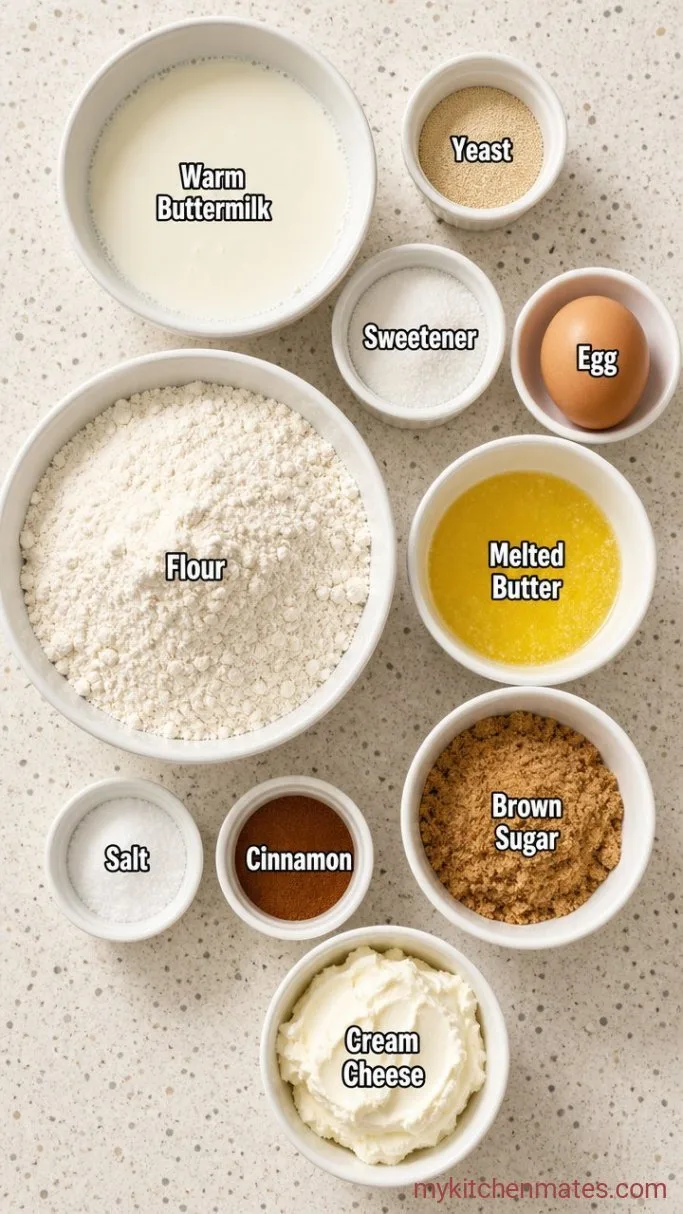
- 1 cup warm buttermilk (240 ml), room temperature: brings tenderness without making the dough cakey
- 2 1/4 tsp active dry yeast (one packet): make sure it is fresh; if it does not foam, the rolls cannot rise
- 3 tbsp granulated sweetener (such as allulose or monk fruit blend): helps activate the yeast and gives the dough a gentle sweetness
- 1 large egg, room temperature: adds structure and richness
- 1/4 cup unsalted butter, melted and cooled slightly: keeps the crumb soft
- 3 cups all-purpose flour (375 g): plus extra for dusting; use a 1:1 gluten-free flour blend if needed
- 1/2 tsp salt: balances the flavor
- For the filling:
- 1/3 cup brown sugar substitute (such as Swerve Brown or Lakanto Golden): gives the deep molasses-like note without sugar
- 2 tbsp ground cinnamon: the star flavor
- 3 tbsp unsalted butter, very soft: helps the filling stick and keeps it moist
- For the icing:
- 4 oz cream cheese, softened: full-fat for the creamiest texture
- 2 tbsp unsalted butter, softened: smooths it out so it drizzles easily
- 1/2 cup powdered sweetener (confectioners style): use a blend that measures like powdered sugar
- 1/2 tsp vanilla extract: rounds out the flavor
- Pinch of salt: wakes up the sweetness
Variations / Substitutions
- Dairy-free: use plant-based butter, unsweetened almond or oat milk with a teaspoon of lemon juice in place of buttermilk, and a dairy-free cream cheese alternative for the icing.
- Gluten-free: swap the flour with a 1:1 gluten-free baking blend that contains xanthan gum; the dough may be slightly more delicate to roll, so handle it gently.
- Different sweetener: allulose, erythritol blends, and monk fruit all work. Avoid pure stevia powder unless the package includes clear baking instructions, because the chemistry changes.
- Extra warmth: add a pinch of nutmeg or cardamom to the cinnamon filling for a deeper spice character.
Crustless Carnivore Quiche is a delicious breakfast to pair with these cinnamon rolls.
How To Make Fluffy Sugar Free Cinnamon Rolls
Step 1: Mix the Dough
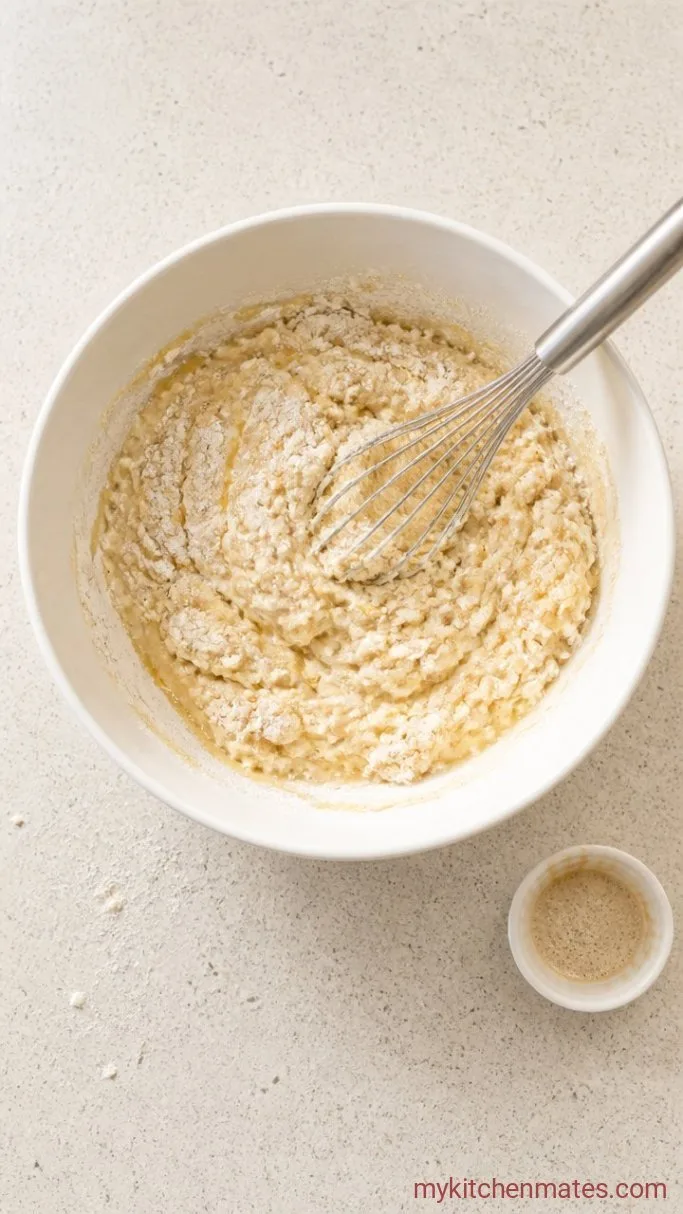
Stir the warm buttermilk, yeast, and granulated sweetener together in a large bowl. Let it sit for 5 to 8 minutes until a frothy layer forms on top, which tells you the yeast is alive and ready to work.
Whisk in the egg, melted butter, and salt until they come together. Add 2 cups of the flour and mix with a wooden spoon until a shaggy mass forms. Keep adding the remaining flour a quarter cup at a time, stopping when the dough pulls away from the sides of the bowl and looks soft but not sticky.
If the dough feels too wet, sprinkle in a tablespoon of flour at a time. A slightly tacky dough is much better than a stiff one, so err on the softer side. This extra moisture creates steam in the oven and gives the rolls their fluffy interior.
Step 2: Knead the Dough
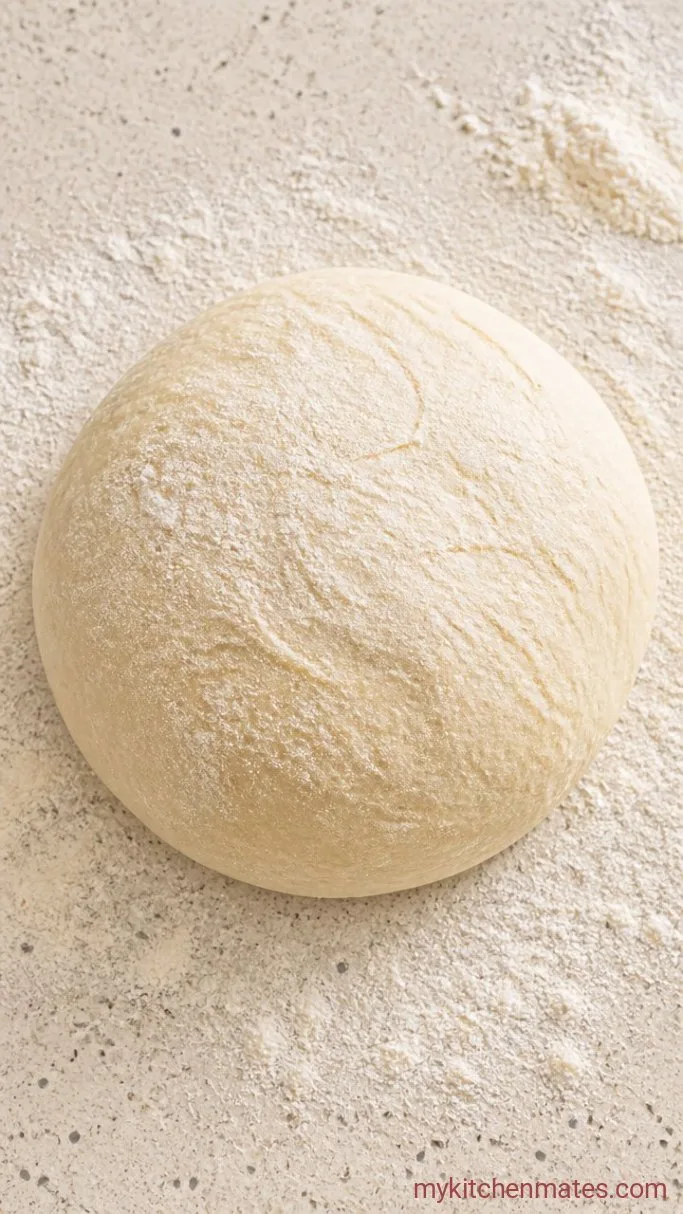
Scrape the dough onto a lightly floured surface. Push it away with the heel of your hand, fold it back, and give it a quarter turn. Repeat for 6 to 7 minutes. The mass should transform from rough to smooth and bounce back slowly when you press a finger into it.
Resist the urge to add too much flour during kneading. Every sprinkle dries out the dough, and you want it to feel supple, almost like a baby’s cheek. Only dust the surface enough to prevent sticking.
This step builds the gluten network that traps the yeast’s gases, so the rolls climb high and stay light. Under-kneaded dough will tear when you try to roll it out later, so give it the full time.
Step 3: Roll Out and Fill
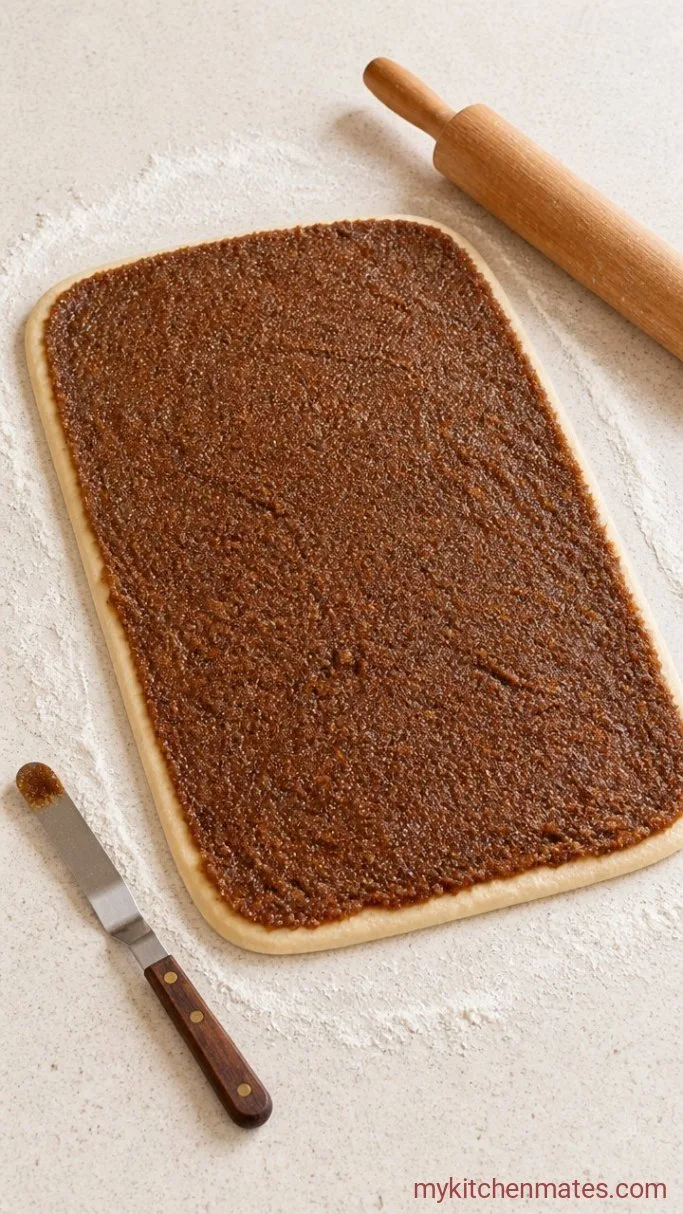
Form the dough into a ball, place it in a greased bowl, and cover with a tea towel or plastic wrap. Let it rise in a warm, draft-free spot for about 1 hour, until it is visibly doubled in size. While you wait, line a 9×13-inch baking pan with parchment paper and mix the brown sugar substitute and cinnamon together in a small bowl.
Once the dough has doubled, punch it down gently and turn it onto a lightly floured work surface. Roll it into a rectangle that measures roughly 16 by 10 inches. Spread the softened butter evenly across the whole surface, all the way to the edges. Sprinkle the cinnamon-brown sugar mixture over the butter and press it down lightly with your palm so it stays put.
A thin, even layer of filling matters more than the exact measurements. Pockets of dry cinnamon that are not mixed with butter will spill out when you slice the rolls and burn on the bottom of the pan.
Step 4: Shape and Rise
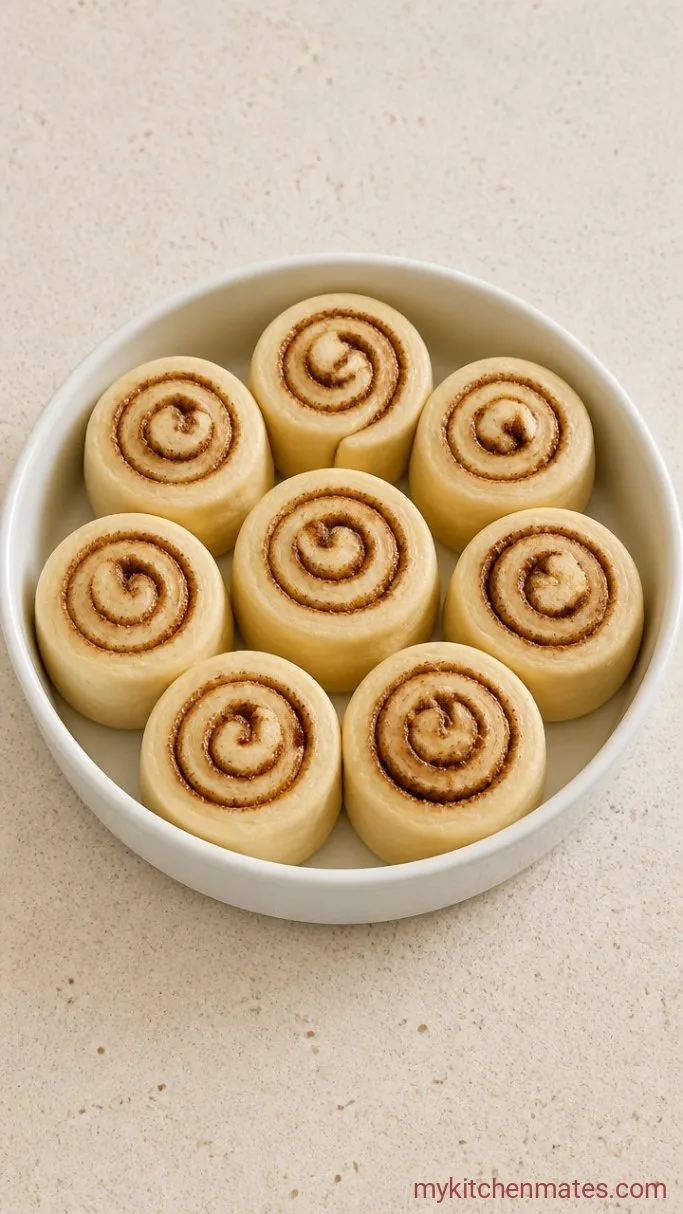
Starting at one long edge, roll the dough up tightly into a log. Keep the tension even without stretching the dough, so the spiral stays uniform. Pinch the seam shut and position the log seam-side down. Using a serrated knife or unflavored dental floss, cut 12 even slices, each about 1½ inches wide.
Arrange the slices cut side up in the prepared pan, leaving a little space between them so they have room to expand. Cover loosely with plastic wrap and let them rise a second time until they have puffed up noticeably and nearly doubled, about 35 to 45 minutes. The tops should look pillowy and jiggle a little when you shake the pan gently.
Placing the rolls cut side up right away means you never have to wrestle with flipping sticky, fragile slices. The second rise is what makes them light and swirly rather than flat and dense, so do not rush it.
Step 5: Bake the Rolls
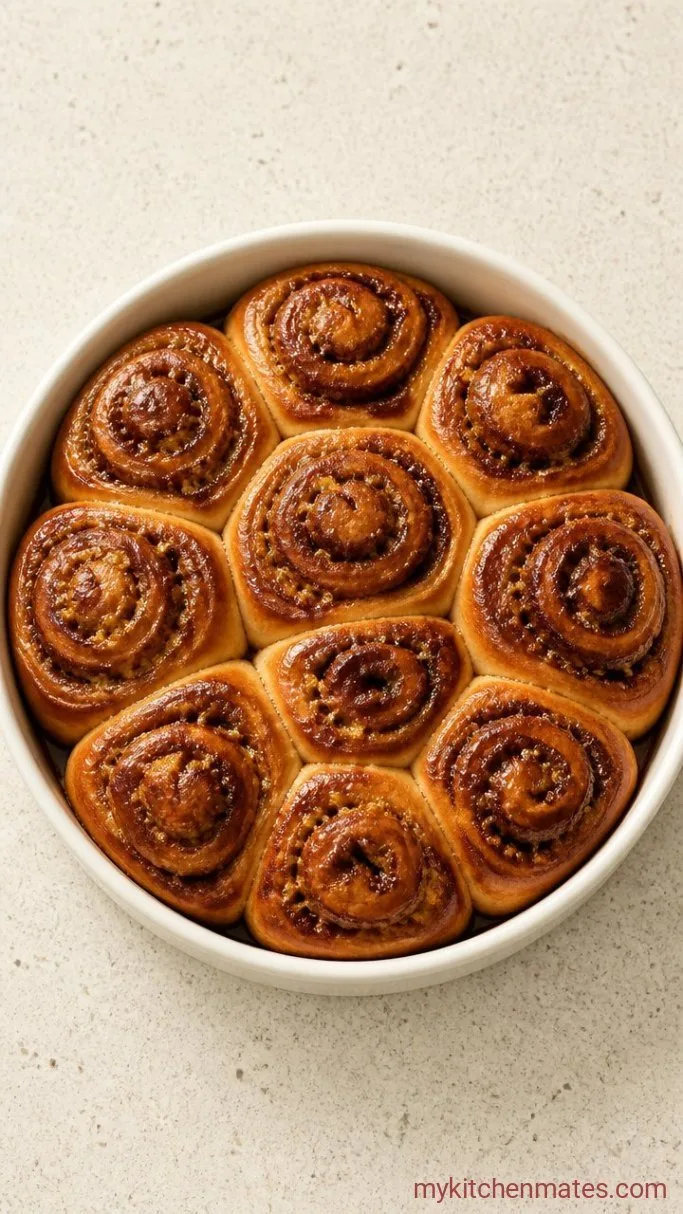
Preheat your oven to 350°F (175°C) during the last 15 minutes of the rise. Remove the plastic wrap and slide the pan onto the middle rack. Bake for 24 to 28 minutes, rotating the pan halfway through, until the tops are deep golden and the centre roll no longer looks doughy when you peek between the spirals.
The kitchen will smell incredible around the 20-minute mark, and you will likely see the rolls puff even more in the oven. That is a good sign that the gluten and yeast did their job. If the tops brown too fast, tent the pan loosely with foil for the last few minutes.
An instant-read thermometer stuck into the thickest part of a middle roll should read about 190°F to 200°F (88°C to 93°C) when they are done. Let the rolls cool in the pan for 10 minutes so the filling sets slightly and does not run straight off the plate.
Step 6: Frost and Serve
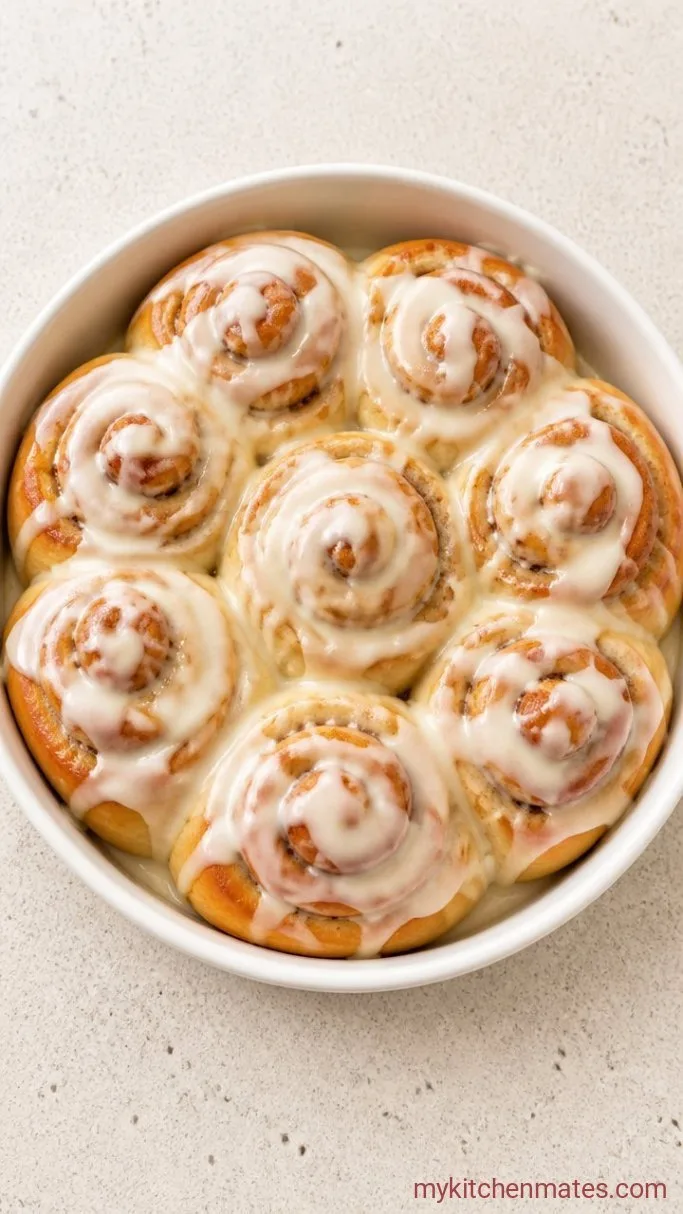
While the rolls cool a bit, beat the softened cream cheese, butter, powdered sweetener, vanilla, and a pinch of salt together until the mixture is completely smooth and looks like glossy frosting.
Drop spoonfuls of the icing over the warm rolls, letting it melt down into the crevices and pool between them. Serve while still warm, because that first bite of fluffy dough, sticky cinnamon filling, and tangy icing is the payoff for all that patience.
A Few Notes Before You Start
- Room temperature ingredients matter a lot here.: Cold egg or cold buttermilk will shock the yeast and slow the rise, so pull them from the fridge 45 minutes before you begin.
- Don’t substitute the butter in the filling with coconut oil.: The butter keeps the filling layer soft and gooey; coconut oil can turn grainy and make it sandy.
- If your brown sugar substitute is very coarse, pulse it in a blender or food processor first.: Fine granules melt into the cinnamon layer much better and mimic the texture of brown sugar.
- Leftover icing can be stored in the fridge for up to 5 days.: Thin it with a little heavy cream or milk and use it on pancakes or muffins, which happens to be a very good problem to have.
Bake times by pan (start checking 2 to 3 minutes early with a darker or glass pan):
| Pan | Bake Time |
|---|---|
| 9×13-inch light metal baking pan | 24 to 28 mins |
| 9×13-inch glass baking dish | 22 to 26 mins |
| Two 9-inch round pans | 18 to 22 mins |
Storing Leftover Rolls
- Refrigerate: covered for up to 3 days. The rolls will firm up as they chill, but a quick reheat brings them back.
- Reheat: a single roll in the microwave for 20 to 30 seconds until soft. For a whole pan, cover with foil and warm in a 300°F (150°C) oven for about 10 minutes.
- Freeze: baked rolls without icing in an airtight container for up to 2 months. Thaw overnight in the fridge, then reheat and frost before serving.
Frequently Asked Questions
Can I use a different sweetener in the dough?
Yes, any granulated sweetener that measures like sugar will work. Avoid pure monk fruit or pure stevia powders with no bulking agent, because the yeast needs a small amount of real sugar or a sugar-like substance to feed on. Most baking blends already contain erythritol or allulose that can act as a food source.
Why did my dough not double in size?
The most likely culprit is the liquid temperature. Yeast dies around 120°F (49°C), so if your buttermilk was too hot the yeast was killed instantly. Use lukewarm liquid around 105°F to 110°F (40°C to 43°C) and test with a thermometer if you are unsure.
Can I assemble these the night before?
Yes. After placing the sliced rolls in the pan, cover tightly and refrigerate overnight instead of doing the second rise at room temperature. In the morning, let them sit at room temperature for about 45 minutes to wake up the yeast and puff slightly, then bake as directed.
Are these cinnamon rolls keto friendly?
Not fully, because the all-purpose flour is still carb-rich. Each roll contains a moderate amount of net carbs from the flour. For a very low-carb version, you would need to replace the flour with a keto-specific blend, but the texture will be different.
Fluffy Sugar Free Cinnamon Rolls Recipe
Ingredients
Method
- Combine warm buttermilk, yeast, and granulated sweetener. Let stand 5 to 8 minutes until foamy. Whisk in egg, melted butter, and salt. Stir in flour gradually to form a soft dough.
- Knead on a lightly floured surface for 6 to 7 minutes until smooth and elastic.
- Place dough in a greased bowl, cover, and let rise until doubled, about 1 hour. Meanwhile, line a 9×13-inch pan with parchment and combine brown sugar substitute and cinnamon.
- Punch dough down and roll into a 16×10-inch rectangle. Spread with the softened butter and sprinkle evenly with the cinnamon mixture.
- Roll up tightly from the long edge, pinch seam, and cut into 12 slices. Arrange in pan, cover, and rise until puffed, 35 to 45 minutes.
- Preheat oven to 350°F (175°C). Bake 24 to 28 minutes until golden. Cool 10 minutes. Meanwhile, beat cream cheese, butter, powdered sweetener, vanilla, and salt until smooth. Frost rolls while still warm and serve.
Notes
