
Soft Sourdough Discard Sandwich Bread

Soft sourdough discard sandwich bread is the best way to use up extra starter and get a tender, sliceable loaf that holds up to sandwiches and toast.
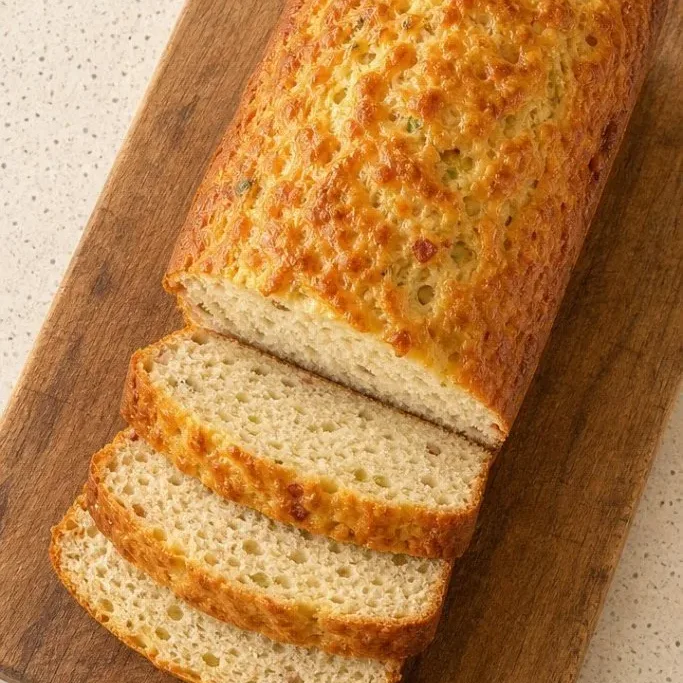
This recipe uses a little yeast to guarantee a reliable rise, and the dough handles easily whether you knead by hand or with a mixer.
Why This Loaf Works for Everyday Sandwiches
The crumb is soft and even, with just a hint of sourdough tang that doesn’t overwhelm the fillings.
A bit of butter and sugar enriches the dough, giving it a tender crust and a slight richness that keeps it from drying out.
It slices cleanly for sandwiches and toasts without crumbling.
Ingredients
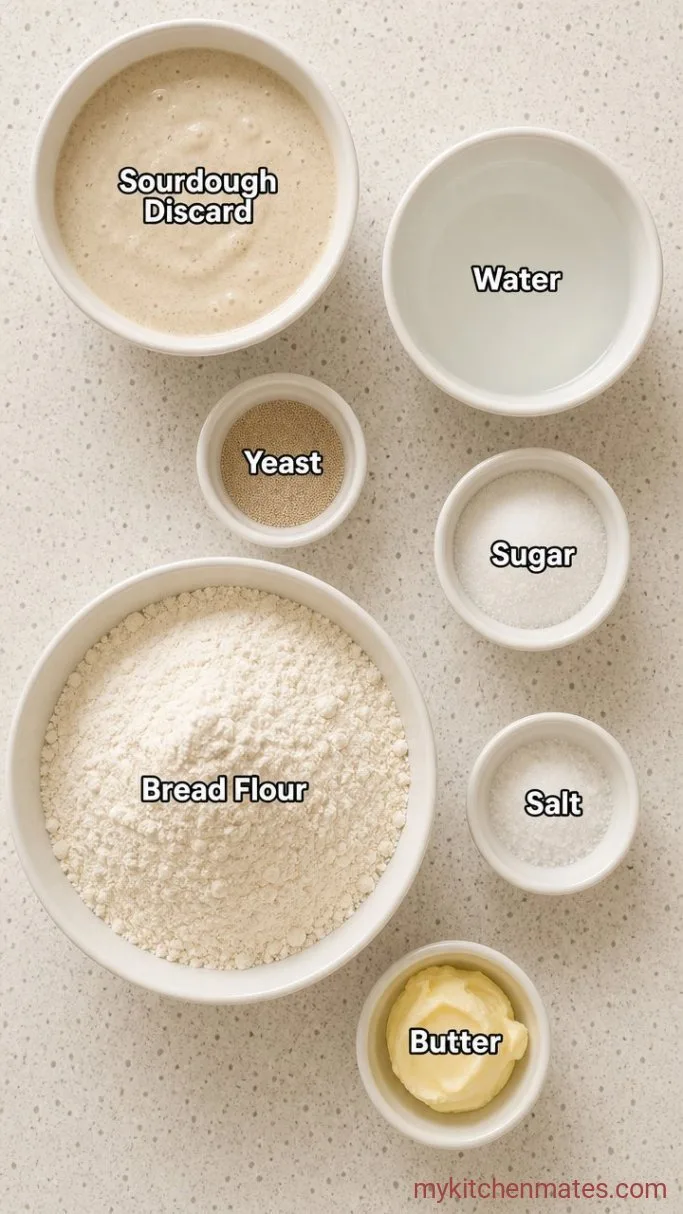
- 1 cup (240g) sourdough discard, unfed: straight from the fridge is fine, adds tang and moisture
- 1/2 cup (120ml) warm water (110°F / 43°C): to activate the yeast, not too hot
- 2 1/4 tsp (1 packet) active dry yeast: helps the bread rise reliably
- 3 tbsp (38g) granulated sugar: feeds the yeast and adds a touch of sweetness
- 3 cups (375g) bread flour: gives structure and chew; all-purpose works in a pinch
- 1 1/2 tsp kosher salt: strengthens gluten and seasons the bread
- 3 tbsp (42g) unsalted butter, softened: adds richness and softness to the crumb
Variations / Substitutions
- Swap whole wheat flour: replace up to 1 cup of bread flour with whole wheat flour for a nuttier loaf; you may need an extra tablespoon of water
- Use instant yeast: skip the blooming step and mix instant yeast directly with the flour; increase water temperature to 120°F (49°C)
- Add seeds: fold in 2 tbsp of sesame or poppy seeds for a little crunch
- Dairy-free: replace butter with an equal amount of olive oil or softened vegan butter
Cream of Potato Soup is a cozy soup to serve with this bread.
How to Make Sourdough Discard Sandwich Bread
Step 1: Mix the Dough
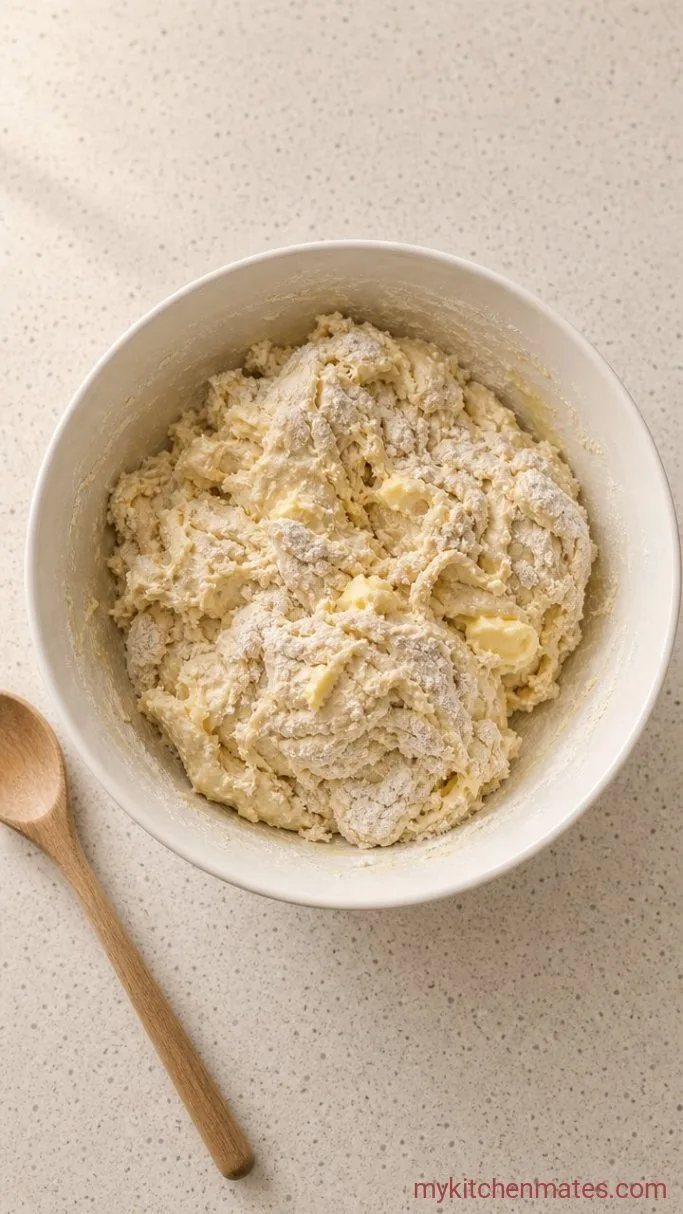
In a small bowl, combine 1/4 cup of the warm water, the 2 1/4 tsp yeast, and 1 tsp of the sugar. Let it sit until foamy, about 5 to 10 minutes. Meanwhile, in a large mixing bowl, whisk together the 3 cups flour, remaining sugar, and salt. Add the sourdough discard, the bloomed yeast mixture, the remaining warm water, and the softened butter. Stir with a wooden spoon until a shaggy dough forms.
The mixture should look clumpy and a little sticky, that’s exactly where you want it.
Step 2: Knead the Dough
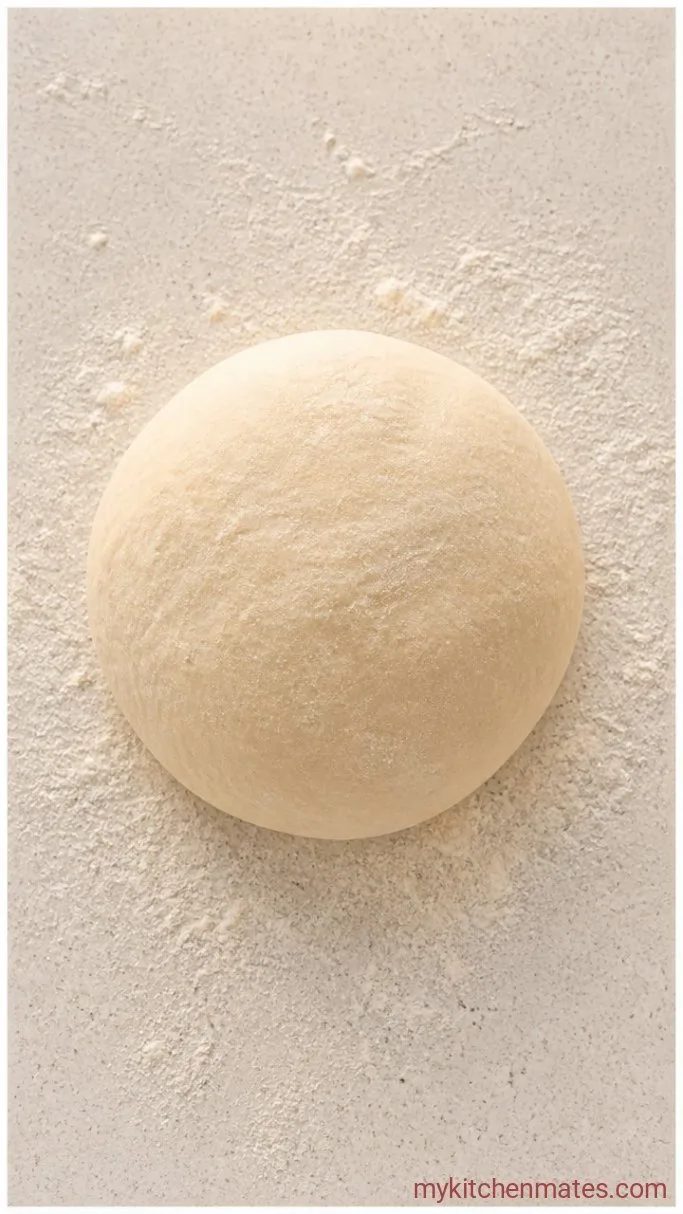
Turn the dough onto a lightly floured surface and knead by hand for 8 to 10 minutes, or use a stand mixer with a dough hook on medium-low speed for about 6 minutes. Only add a light dusting of flour if the dough sticks badly, keeping it as soft as you can. The dough is ready when it’s smooth and passes the windowpane test.
It will feel supple and slightly tacky, but not so sticky that it leaves residue on your fingers.
Step 3: Let the Dough Rise
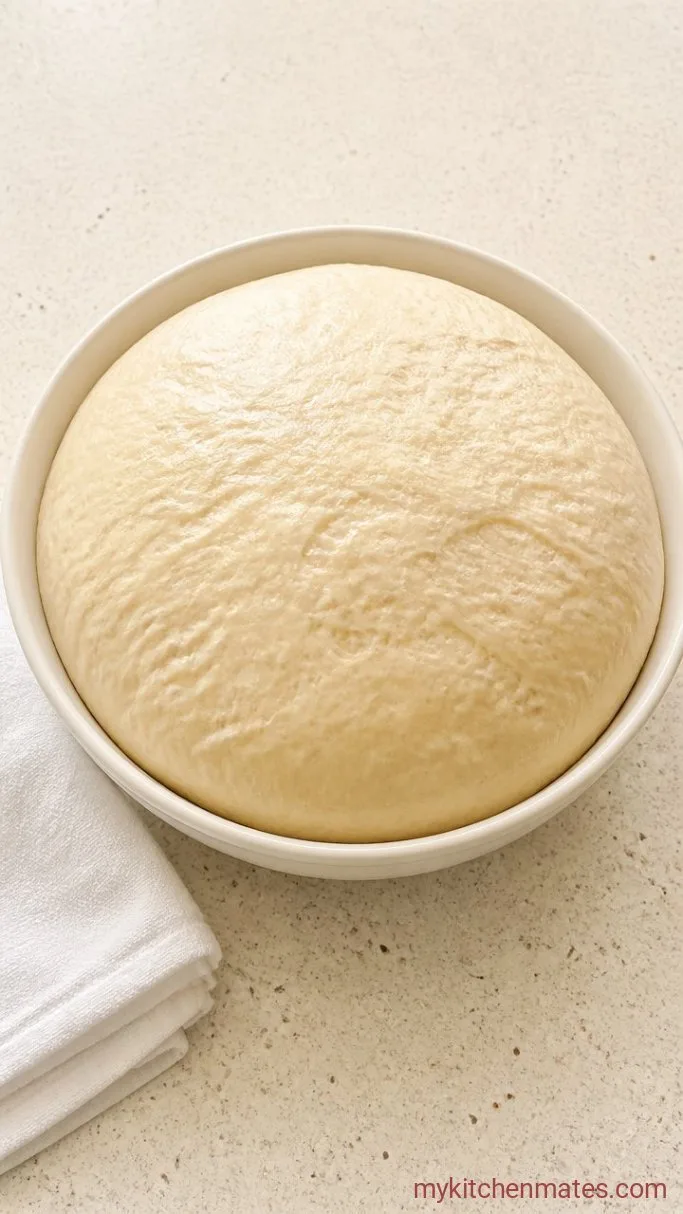
Place the dough in a greased bowl, cover it with a damp tea towel or plastic wrap, and let it rise in a warm spot until doubled, about 1 to 1 1/2 hours. The exact time depends on your kitchen temperature.
The dough will look puffy and feel springy. When you gently press it with two floured fingers, the indentation should slowly fill in.
Step 4: Shape and Proof the Loaf
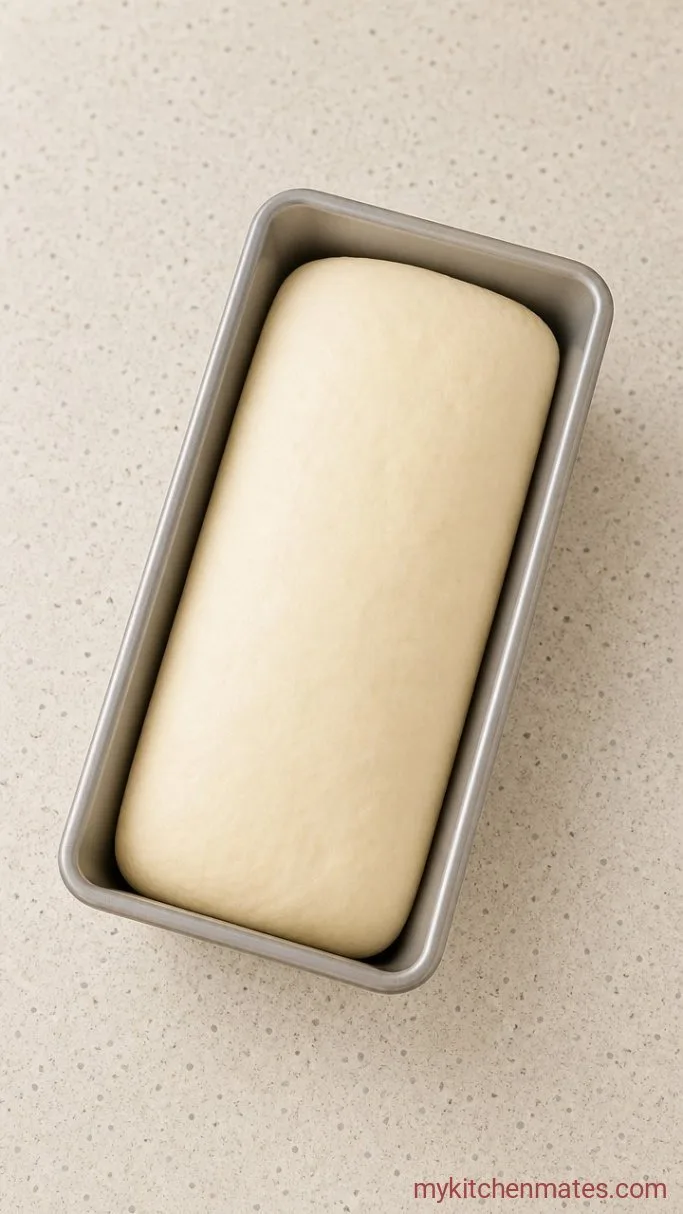
Grease a 9×5-inch loaf pan. Punch down the dough, turn it onto a clean surface, and pat it into a rough rectangle about 8×10 inches. Roll it up snugly from the short end, pinch the seam, and tuck the ends under. Place the shaped loaf seam-side down in the pan. Cover and let it proof again until the dough rises just above the rim of the pan, 45 minutes to 1 hour.
The top of the dough should dome nicely and feel puffy but not dry. A gentle poke leaves a slight indent that springs back slowly.
Step 5: Bake the Loaf
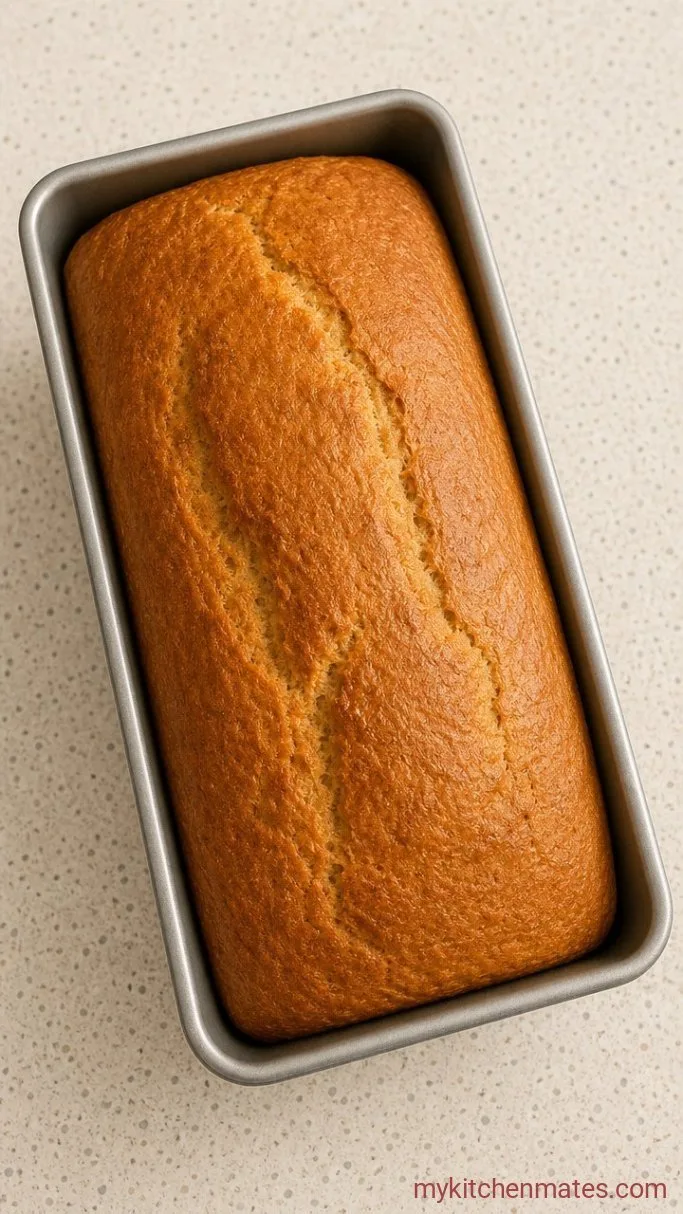
About 20 minutes before the second proof is finished, preheat your oven to 350°F (180°C). When the loaf has risen, bake it on the center rack for 30 to 35 minutes, or until the top is deep golden brown and the internal temperature registers 190°F to 200°F (88°C to 93°C) on an instant-read thermometer.
The crust will be a rich golden color and sound hollow when you tap the bottom of the loaf. The kitchen will smell amazing.
If the top browns too quickly, tent it loosely with foil for the last 10 minutes.
Step 6: Cool and Slice
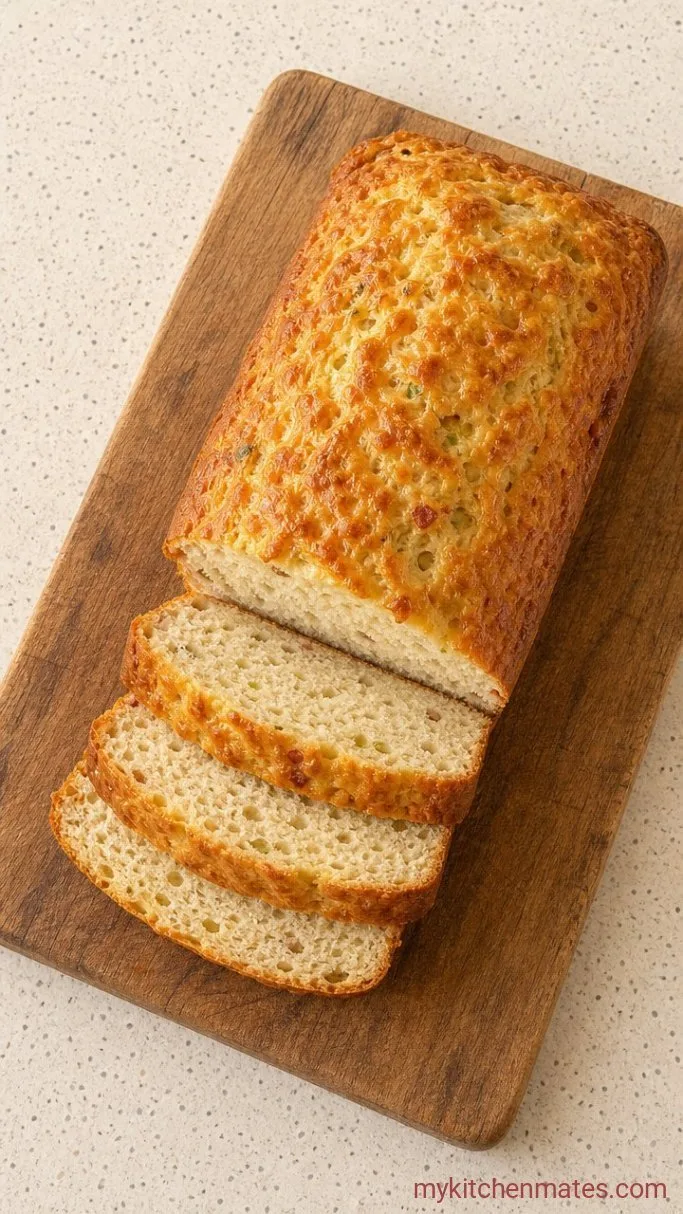
Let the bread cool in the pan for 5 minutes, then turn it out onto a wire rack to cool completely before slicing. This prevents the crumb from getting gummy.
The loaf should feel light and sound hollow, with a golden crust. Slice it thick for sandwiches and toast, and enjoy while still faintly warm.
Tips for the Best Loaf
- Bring your discard to room temperature while you gather ingredients to help the dough rise a little faster.
- For a softer crust, brush the warm loaf with melted butter right after it comes out of the oven.
- If your kitchen is cold, let the dough rise in the oven with just the light on.
- To get even slices for sandwiches, use a serrated knife and let the loaf cool completely.
Bake times by pan size:
| Pan Size | Bake Time | Internal Temp |
|---|---|---|
| 9×5 inch | 30-35 mins | 190-200°F (88-93°C) |
| 8.5×4.5 inch | 28-32 mins | 190-200°F (88-93°C) |
Storing and Keeping the Bread Fresh
Refrigerate: Wrap the cooled loaf tightly in plastic and keep it at room temperature for up to 4 days. Slice only what you need each time to keep the inside from drying out.
Freeze: Slice the whole loaf and freeze slices in a zip-top bag for up to 3 months. Toast straight from frozen.
Reheating: To refresh a room-temperature loaf, wrap it in foil and warm in a 300°F (150°C) oven for 10 minutes.
What to Serve with Sourdough Discard Sandwich Bread
This bread makes excellent BLTs, grilled cheese, or turkey clubs. The mild tang pairs especially well with sharp cheddar and smoky bacon. It’s also sturdy enough for a messy meatball sub or a thick swipe of butter and jam.
Frequently Asked Questions
Can I make this without any added yeast?
No. Sourdough discard alone doesn’t have enough leavening power for a reliable sandwich bread rise, so the yeast is essential for a light, even loaf.
Why did my loaf turn out dense?
Dense bread often comes from over-kneading, using old yeast, or not letting the dough proof long enough. Make sure your yeast is fresh and the dough doubles in volume at each rise.
Can I use all-purpose flour instead of bread flour?
Yes, you can substitute all-purpose flour. The crumb will be a bit softer and less chewy, but it still makes a very good sandwich loaf.
My crust got too hard, what happened?
Your oven may run a little hot, so try lowering the temperature by 25°F (about 15°C) next time. Brushing the top with melted butter after baking also helps soften the crust.
Sourdough Discard Sandwich Bread Recipe
Ingredients
Method
- Combine 1/4 cup warm water, yeast, and 1 tsp sugar. Let sit 5-10 minutes until foamy. In a large bowl, whisk flour, remaining sugar, and salt. Add discard, yeast mixture, remaining water, and butter. Stir until a shaggy dough forms.
- Knead by hand for 8-10 minutes on a floured surface, or in a stand mixer with a dough hook for 6 minutes, until smooth and elastic.
- Place in a greased bowl, cover, and let rise in a warm spot until doubled, about 1 to 1 1/2 hours.
- Grease a 9×5-inch loaf pan. Punch down dough, pat into an 8×10-inch rectangle, roll tightly, pinch seam, and place seam-side down in pan. Cover and proof until dough rises just above the rim, 45 minutes to 1 hour.
- Preheat oven to 350°F (180°C) toward the end of proofing. Bake for 30-35 minutes until deep golden and internal temp reaches 190-200°F (88-93°C).
- Cool in pan 5 minutes, then turn out onto a rack and cool completely before slicing.
Notes
