
Rich, Buttery Sourdough Brioche Bread (No Commercial Yeast)

This sourdough brioche bread is a soft, buttery loaf with a deep golden crust and a tender, pillowy crumb. All the lift comes from a bubbly sourdough starter, which gives it a faint tang that balances the richness.
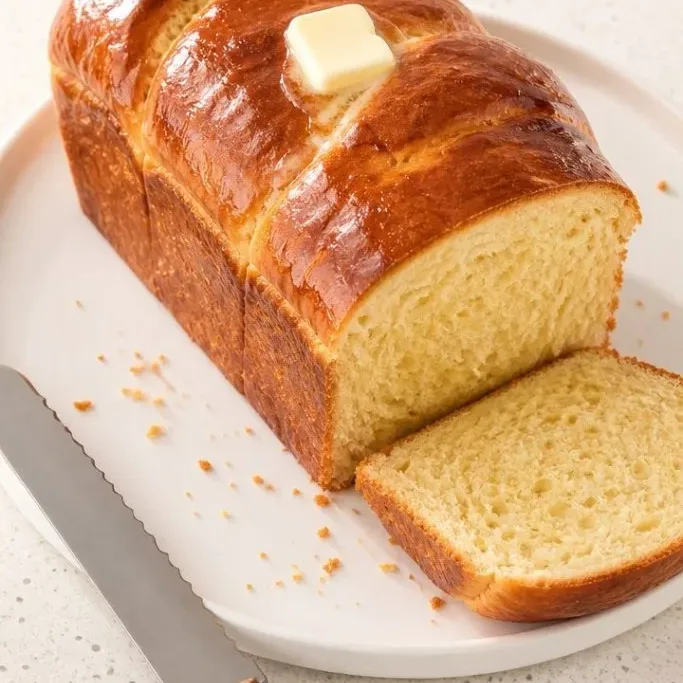
Slice it thick for French toast that soaks up custard without falling apart, or toast it simply with salted butter for a breakfast that feels a little special. It is a weekend project well worth the wait.
Why This Sourdough Brioche Works
Most brioche recipes use commercial yeast for a quick rise, but this version leans on an active sourdough starter. The flavor is deeper, with a subtle tang that cuts through all that butter and egg nicely.
The dough needs patience, but it is forgiving once you get the feel. The payoff is a loaf that stays soft for days and makes the kitchen smell incredible.
Ingredients
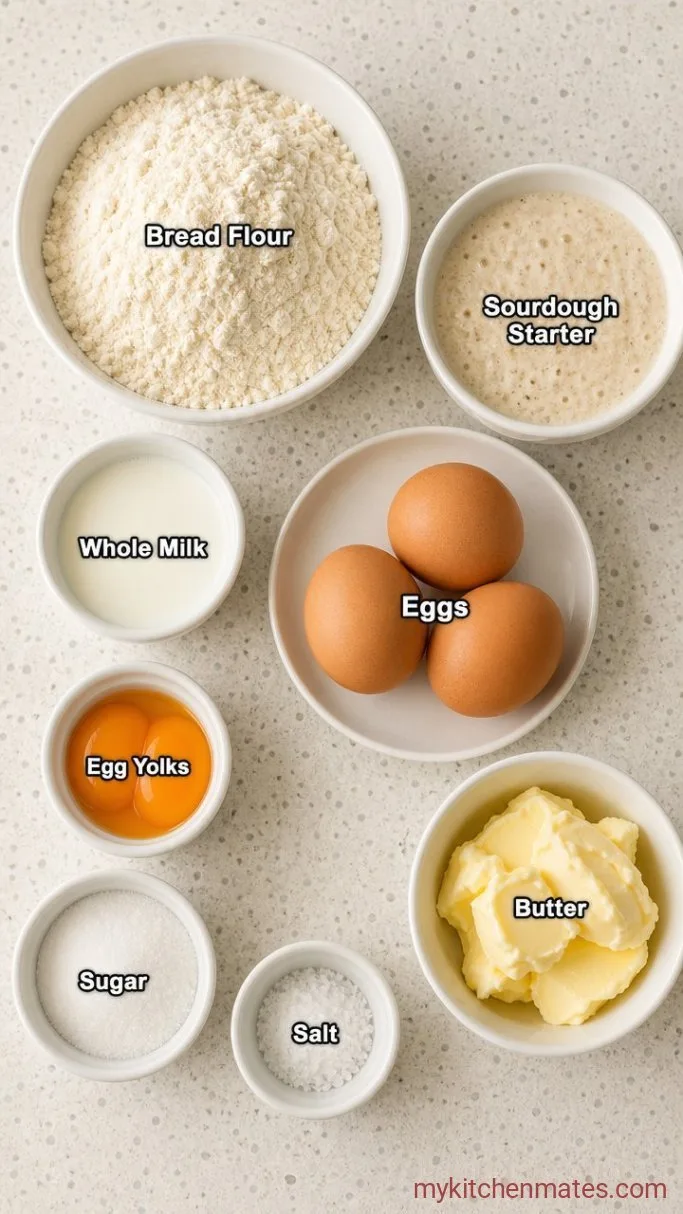
- 3 ¾ cups (450g) bread flour: spooned and leveled, plus more if needed
- 1 cup (240g) active sourdough starter: 100% hydration, fed and bubbly
- ½ cup (120ml) whole milk: at room temperature
- 3 large eggs: at room temperature
- 2 large egg yolks: at room temperature
- ¼ cup (50g) granulated sugar
- 1 ½ teaspoons fine sea salt
- 10 tablespoons (140g) unsalted butter: very soft, not melted
- 1 large egg yolk plus 1 tablespoon whole milk: for egg wash
- 1 tablespoon unsalted butter, melted: for brushing after baking
Variations / Substitutions
- Chocolate Chip Brioche: fold ¾ cup mini chocolate chips into the dough with the last of the butter.
- Cinnamon Twist: after the dough is rolled out in Step 4, brush with 2 tablespoons melted butter and sprinkle with 2 tablespoons cinnamon sugar before rolling.
- Orange Zest: add the zest of 1 large orange along with the eggs for a bright citrus note.
Red Cabbage Soup is a cozy soup to serve with this bread.
How To Make Sourdough Brioche Bread
Step 1: Mix the Dough
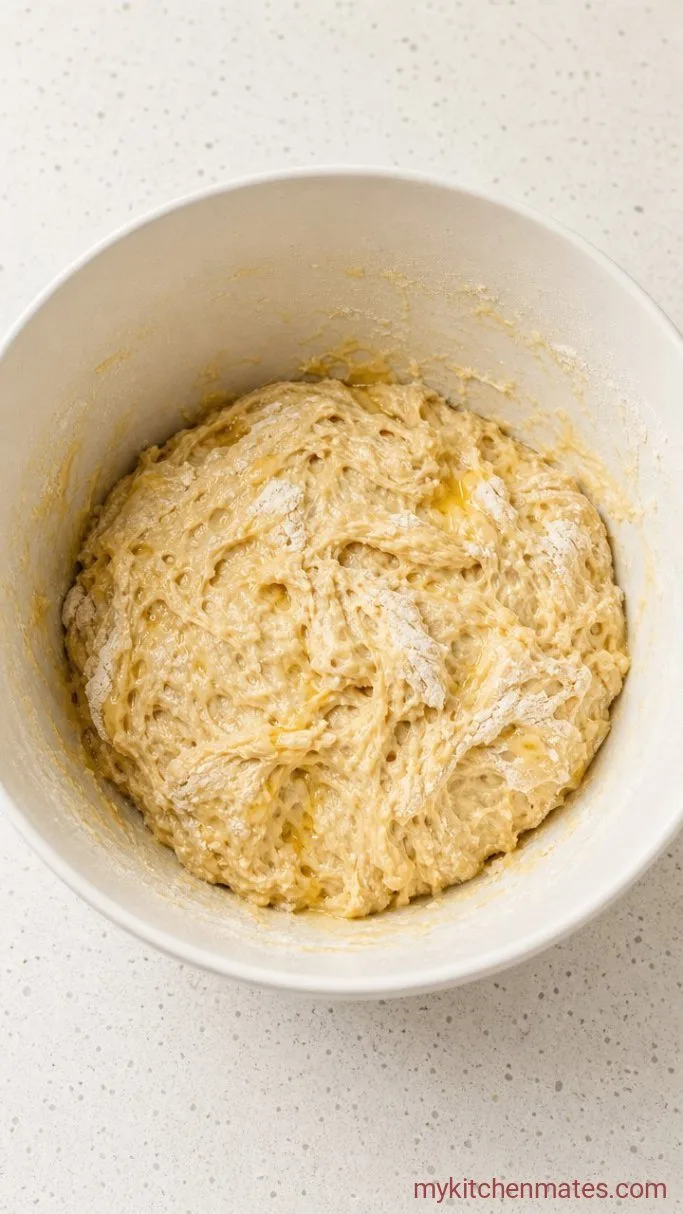
In a large bowl, combine the 3 ¾ cups bread flour, 1 cup active sourdough starter, ½ cup milk, 3 eggs, 2 egg yolks, and ¼ cup sugar. Stir with a wooden spoon until a shaggy, sticky dough forms and no dry flour remains. Cover the bowl and let it rest for 30 minutes.
The dough will look rough and tear easily at this point, which is exactly right. This short autolyse lets the flour fully hydrate and starts gluten development before you add the butter.
Skipping this rest makes incorporating the butter much harder, so let it sit while you measure out the rest of your ingredients.
Step 2: Knead in the Butter
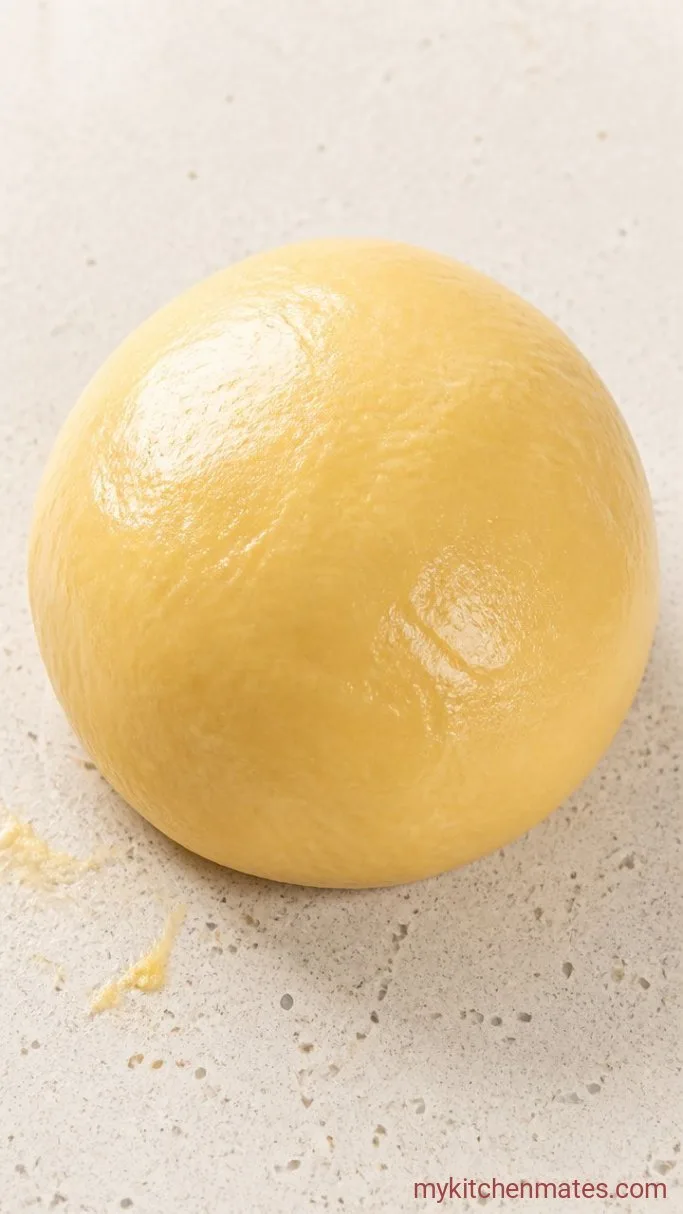
Add the 1 ½ teaspoons salt to the rested dough. Using a stand mixer fitted with the dough hook, knead on low speed for 2 minutes to distribute the salt. With the mixer still on low, begin adding the 10 tablespoons very soft butter, one tablespoon at a time, waiting until each piece is fully absorbed before adding the next. Once all the butter is in, increase the speed to medium and knead for 8 to 10 minutes. The dough should clear the sides of the bowl, look glossy, and pass the windowpane test.
It will be a messy puddle at first, but keep going. After several minutes you will hear it slap against the bowl as the gluten tightens. The dough will feel supple and elastic, with a soft sheen.
This is the most important step for a fluffy crumb. If the dough still tears easily after 10 minutes, sprinkle in up to 2 tablespoons extra flour and knead a minute more. Do not cut the kneading short.
Step 3: Bulk Ferment with Folds
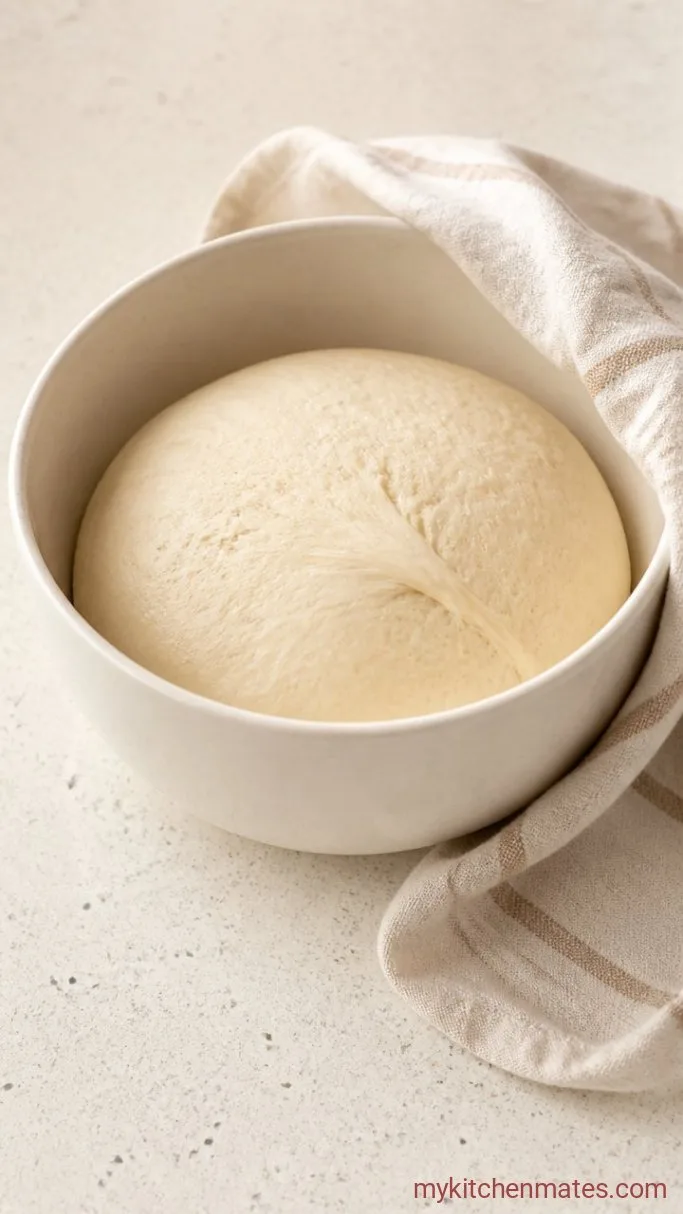
Shape the dough into a smooth ball and place it in a greased bowl, turning to coat. Cover and let it rise at room temperature (about 72°F or 22°C) for 4 to 6 hours. During the first 3 hours, perform a set of coil folds every 45 minutes: reach under the dough, gently stretch it upward, and fold it over itself. After the last fold, let it finish rising undisturbed until doubled in size.
When it is ready, the dough will jiggle when you shake the bowl and feel full of air. A wet finger pressed into the surface should leave an indentation that springs back slowly.
If your kitchen is cool, this phase can take longer, so watch the dough, not the clock. You can also do the bulk ferment in the fridge overnight; just take it out and let it come to room temperature for an hour before shaping.
Step 4: Shape the Loaf
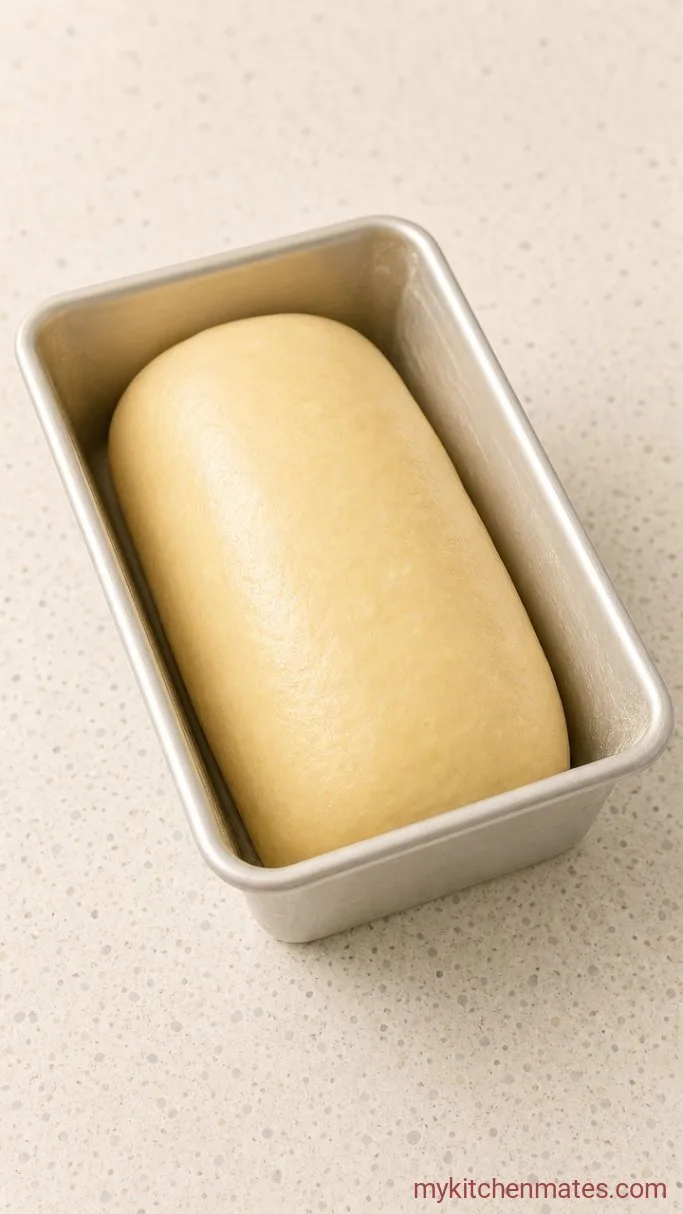
Gently turn the dough out onto a very lightly floured work surface. Pat it into a rough 9×12-inch rectangle. Fold the two short sides in toward the center, then roll the dough up tightly from the short end, pinching the seam to seal. Place the shaped loaf seam-side down into a greased 9×5-inch loaf pan.
The dough should feel tacky but not sticky, and the shaped log will sit neatly in the pan without slumping.
If the dough resists rolling, let it rest for 5 minutes to relax the gluten, then try again. A tight roll helps the loaf rise upward instead of spreading sideways.
Step 5: Proof Until Puffy
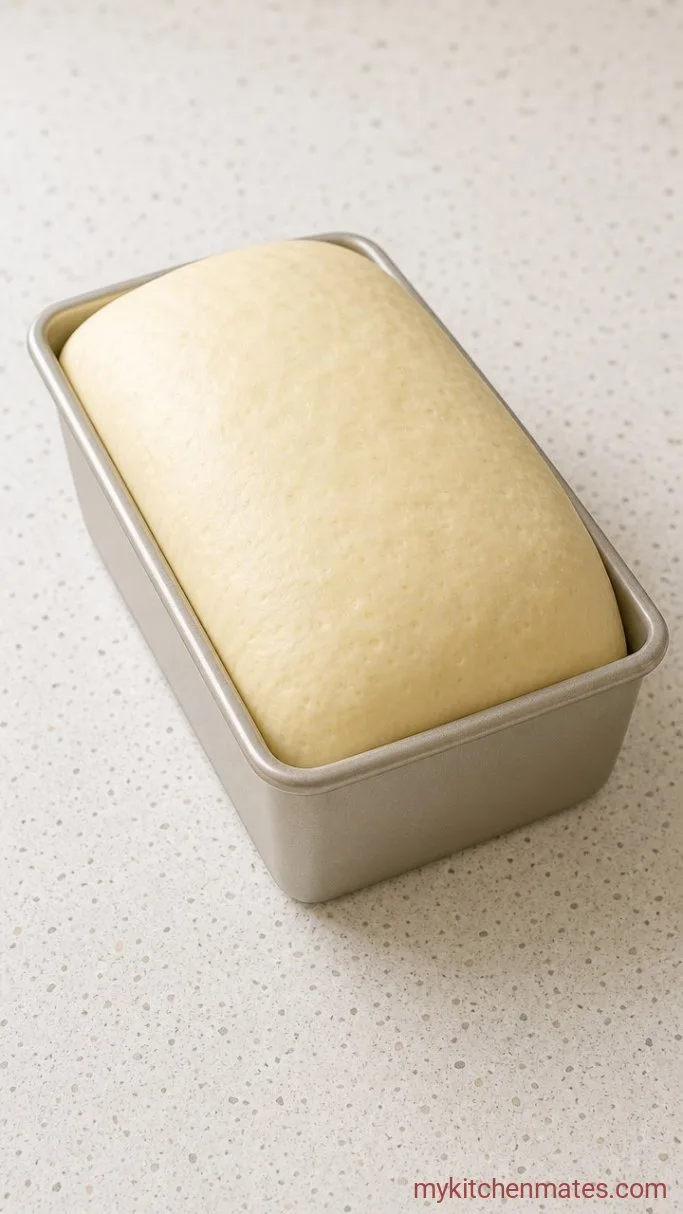
Cover the pan loosely with a clean towel or oiled plastic wrap. Let the dough proof at room temperature until it crests about 1 to 1 ½ inches above the rim of the pan. This can take 3 to 5 hours, depending on your kitchen temperature. The loaf is ready when a gentle poke with a floured finger springs back slowly and leaves a slight indent.
The surface will look smooth and domed, with tiny bubbles visible just under the skin.
Overproofing is the most common misstep. If the dough feels very airy and collapses when poked, it may fall in the oven. When in doubt, bake a little early. A slightly underproofed loaf will still give you a nice oven spring.
Step 6: Bake and Brush with Butter
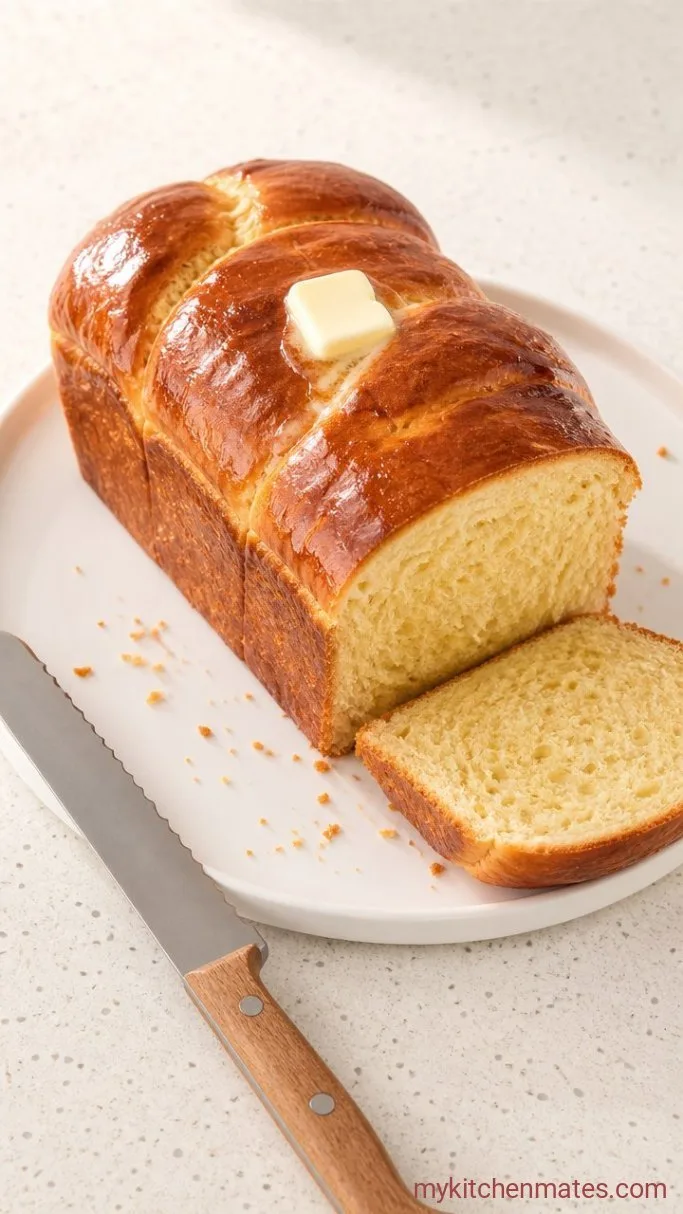
About 30 minutes before baking, preheat your oven to 375°F (190°C). Whisk together the reserved egg yolk and 1 tablespoon milk to make the egg wash. Brush the top of the proofed loaf generously with the wash. Bake for 35 to 40 minutes, until the top is a deep golden brown and an instant-read thermometer inserted into the center reads 190°F (88°C). If the top browns too quickly, tent it loosely with foil after 25 minutes.
The kitchen will fill with the smell of caramelized butter and bread, and the crust will crackle faintly as it comes out of the oven.
Let the loaf cool in the pan for 5 minutes, then turn it out onto a wire rack. While it is still warm, brush the top with the 1 tablespoon melted butter for that signature brioche shine. Slice and serve warm, with an extra smear of butter if you like.
Tips for the Softest Sourdough Brioche
- Use room-temperature ingredients. Cold eggs or milk slow fermentation and make it harder to blend in the butter.
- A high-fat European-style butter (82% butterfat) gives the richest flavor and most tender crumb.
- If the dough feels too sticky to handle during shaping, pop the bowl in the fridge for 30 minutes. Chilled dough is much easier to manage.
- For a darker, shinier crust, brush the loaf with the egg wash a second time halfway through baking.
Bake times by shape:
| Shape | Bake Time |
|---|---|
| 9×5-inch loaf | 35 to 40 minutes |
| Three 5×3-inch mini loaves | 25 to 30 minutes |
| 12 rolls | 18 to 20 minutes |
Storing Sourdough Brioche
- Room Temp: Wrap the cooled loaf tightly in plastic wrap or store in an airtight container at room temp for up to 3 days.
- Freeze: Slice the loaf and freeze the slices in a zip-top bag for up to 2 months. Toast straight from frozen.
What To Serve With Sourdough Brioche
This bread is a natural for French toast because its buttery crumb soaks up custard without falling apart. For a quick breakfast, toast a thick slice and spread with cultured butter and a drizzle of honey. It also makes a surprisingly good sandwich bread, especially with salty prosciutto and creamy brie.
Frequently Asked Questions
Can I use sourdough discard instead of active starter?
No, a strong active starter is essential. The dough needs that lift to get an airy crumb, and discard will not provide it.
Can I make this brioche without eggs?
I have not tested an egg-free version, but you could try a commercial egg replacer. Expect a denser loaf with less structure; it will not be quite the same.
Can I use instant yeast instead of sourdough?
Yes, you can. Replace the starter with 2 ¼ teaspoons instant yeast and reduce the milk to ⅓ cup. Proof the dough at room temp for 1 to 1 ½ hours instead of the long fermentation.
Sourdough Brioche Bread Recipe
Ingredients
Method
- Combine flour, starter, milk, eggs, egg yolks, and sugar. Stir to a shaggy dough, cover, and rest 30 minutes.
- Add salt and knead with a dough hook on low for 2 minutes. Add soft butter a tablespoon at a time on low, then knead on medium 8 to 10 minutes until smooth and passing windowpane test.
- Shape into a ball, place in a greased bowl, cover, and rise 4 to 6 hours at room temp. Perform coil folds every 45 minutes for the first 3 hours, then let rise until doubled.
- Turn dough onto a lightly floured surface, pat into a 9×12-inch rectangle, fold short sides in, roll tightly, and place seam-side down in a greased 9×5-inch loaf pan.
- Cover and proof until the dough crowns 1 to 1 ½ inches above the pan rim, 3 to 5 hours. Look for a slow spring back when poked.
- Preheat oven to 375°F (190°C). Brush with egg wash, bake 35 to 40 minutes until deep golden and internal temp reads 190°F (88°C). Cool 5 minutes in pan, turn out, brush with melted butter, and slice warm.
Notes
