
Crispy Scallion Pancakes in 25 Minutes

These scallion pancakes come together fast with a hot-water dough that rolls thin and fries into shattery, golden layers. The whole process, from mixing bowl to the table, takes about half an hour, most of it hands-off resting.
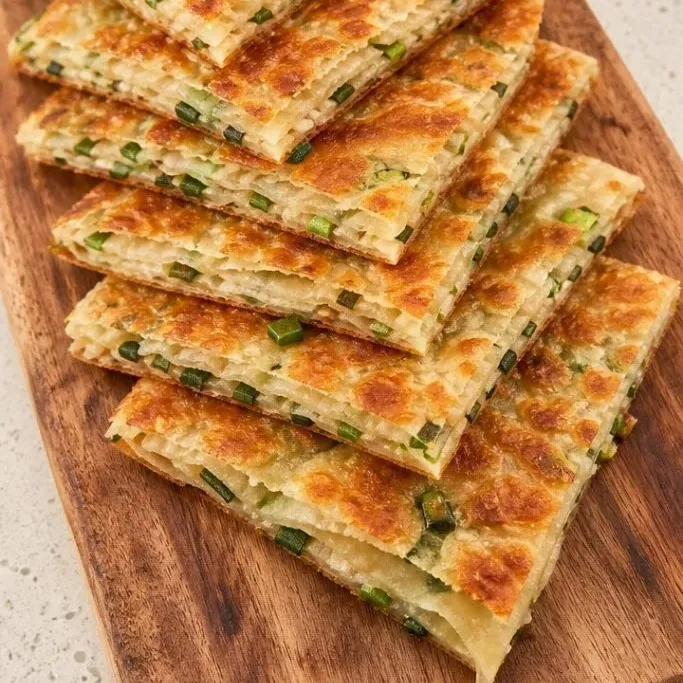
The reward is a stack of savory flatbreads that are crisp on the edges and tender inside, laced with fragrant scallions and toasted sesame oil. They work as a snack, a side, or a quick base for any dipping sauce you like.
What Makes These Scallion Pancakes Work
The dough uses boiling water, which changes how the starch behaves and gives you a soft, pliable dough without any yeast or long proofing. It relaxes quickly, so you can roll it very thin without it fighting back.
That thin rolling is the trick to the flaky layers. A brush of sesame oil keeps each turn separate, and as the pancakes fry, those layers puff and crackle apart. The scallions steam inside, giving you savory bites in every piece.
Ingredients
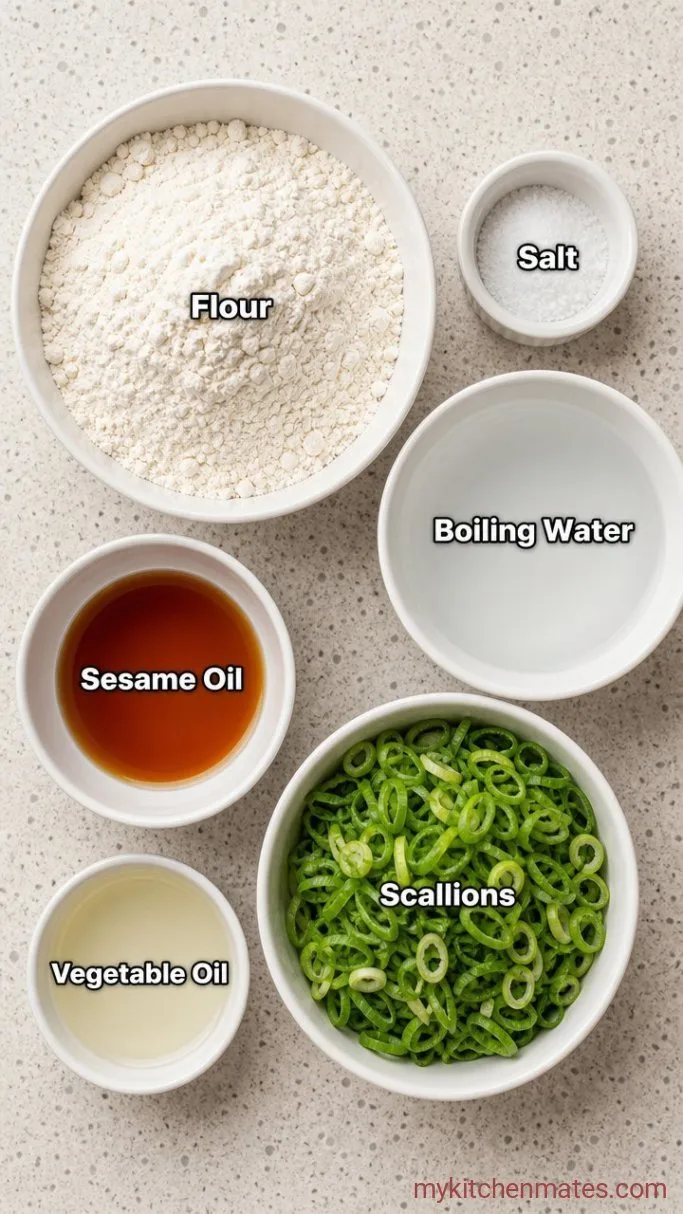
- 2 cups all-purpose flour (240g): spooned and leveled, no sifting needed
- 1 tsp fine sea salt: half for the dough, the rest for sprinkling
- ¾ cup boiling water (180ml): just off the boil
- 2 tbsp toasted sesame oil: the dark, fragrant kind
- 1 cup thinly sliced scallions (about 6 stalks): green and pale green parts only, sliced crosswise
- Vegetable oil, for frying: enough to coat the skillet with a thin film
Variations / Substitutions
- Garlic oil: stir a minced garlic clove into the sesame oil and let it sit for 10 minutes before brushing on the dough.
- Spicy version: mix a pinch of gochugaru or red chili flakes into the scallions before rolling.
- Add white pepper: sprinkle a tiny pinch with the scallions for a gentle heat that stays in the background.
- Gluten-free: use a cup-for-cup gluten-free flour blend that contains xanthan gum and swap the boiling water for very hot tap water so the dough is easier to handle.
Almond Coffee Cake goes perfectly with these pancakes for a cozy morning or afternoon.
How to Make Scallion Pancakes
Step 1: Make the Dough
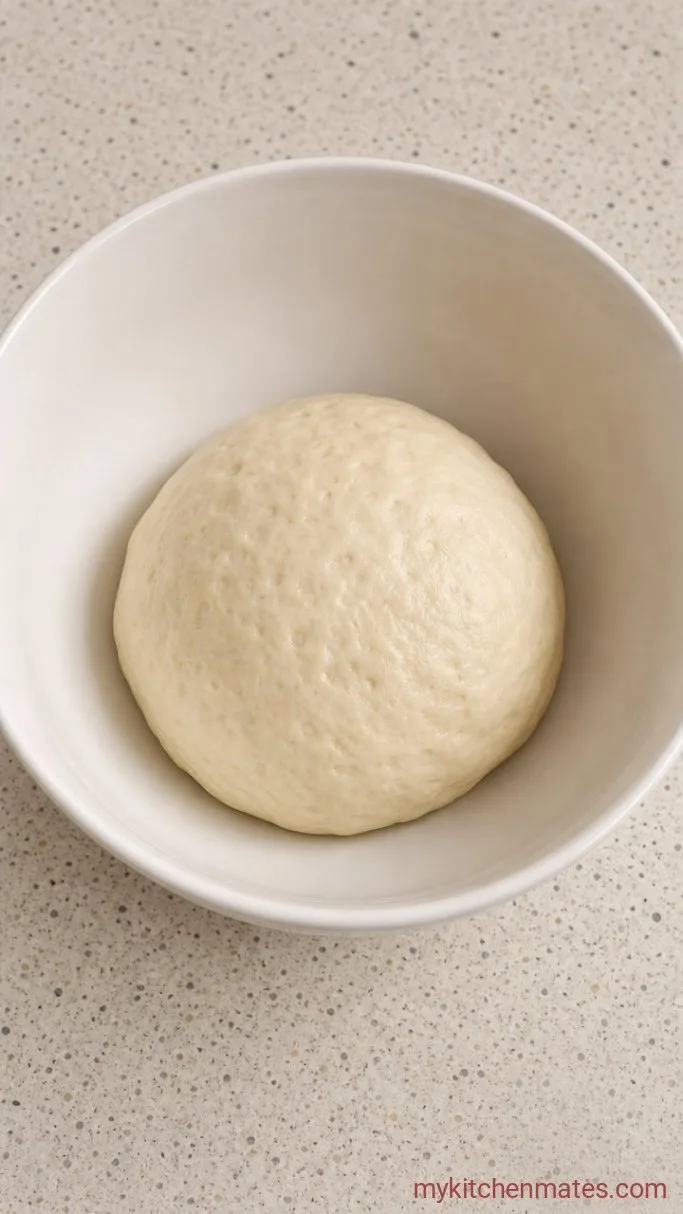
Stir together the flour and ½ tsp of the salt in a large bowl. Pour in the ¾ cup boiling water and mix with chopsticks or a fork until a shaggy mass forms. When it is cool enough to handle, about 1 minute, turn the dough onto a work surface and knead briefly for 2 minutes, just until smooth. Shape into a ball, cover with a damp towel or plastic wrap, and let it rest for 30 minutes. The rest relaxes the gluten so the dough becomes easy to roll paper-thin without springing back.
Right after kneading the dough will feel soft and a little tacky but should not stick to your fingers. If it feels dry, wet your hands and knead in another teaspoon of water. The finished dough will be pale, smooth, and pliant.
Step 2: Roll and Fill the Pancakes
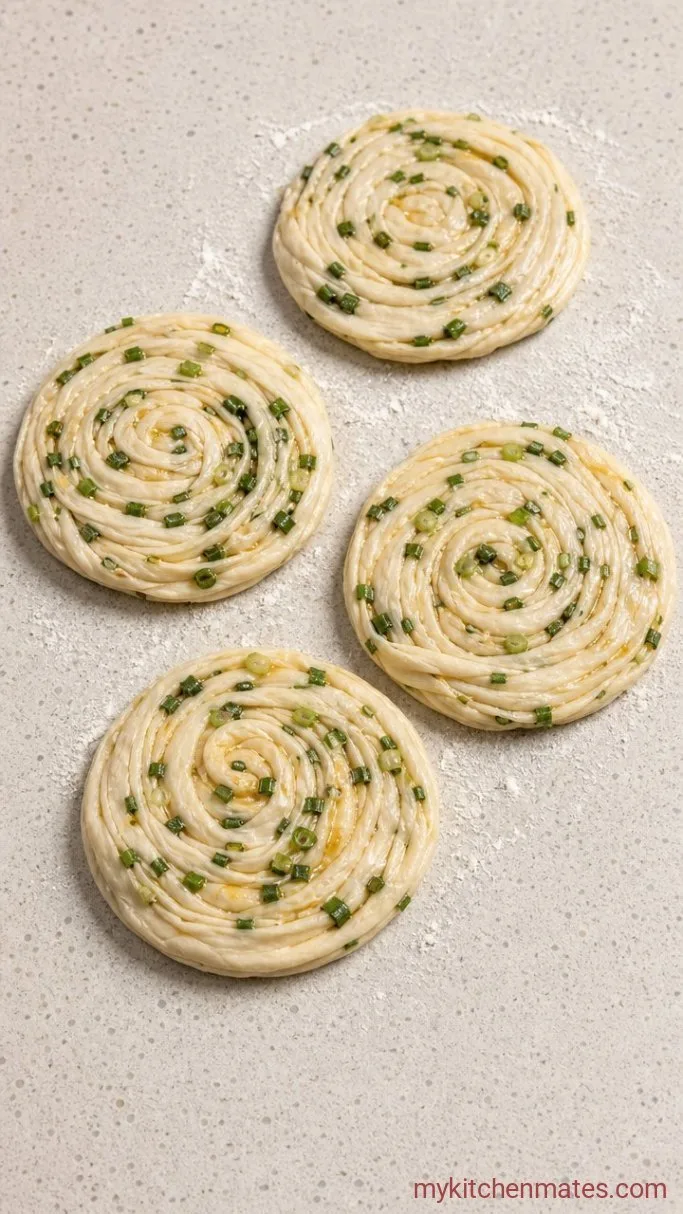
Divide the rested dough into 4 equal pieces, about 100g each. Lightly flour your counter and roll one piece into a rectangle as thin as you can without tearing, roughly 8 by 12 inches. Brush the whole surface with ½ tbsp of the sesame oil, then scatter a generous ¼ cup of scallions across the dough. Sprinkle with a little more salt. Starting from one long side, roll the dough tightly into a long snake, then coil that snake into a round snail shape and tuck the end underneath. Flatten gently with your palm and set aside. Repeat with the remaining dough pieces.
The sesame oil between the layers is what prevents them from fusing together as you roll and later fry. You should see a slight sheen of oil through the dough as you roll it tight. Let the coiled rounds rest for 5 minutes before flattening them further so they do not resist when you press them out in the next step.
Step 3: Pan-Fry the Pancakes
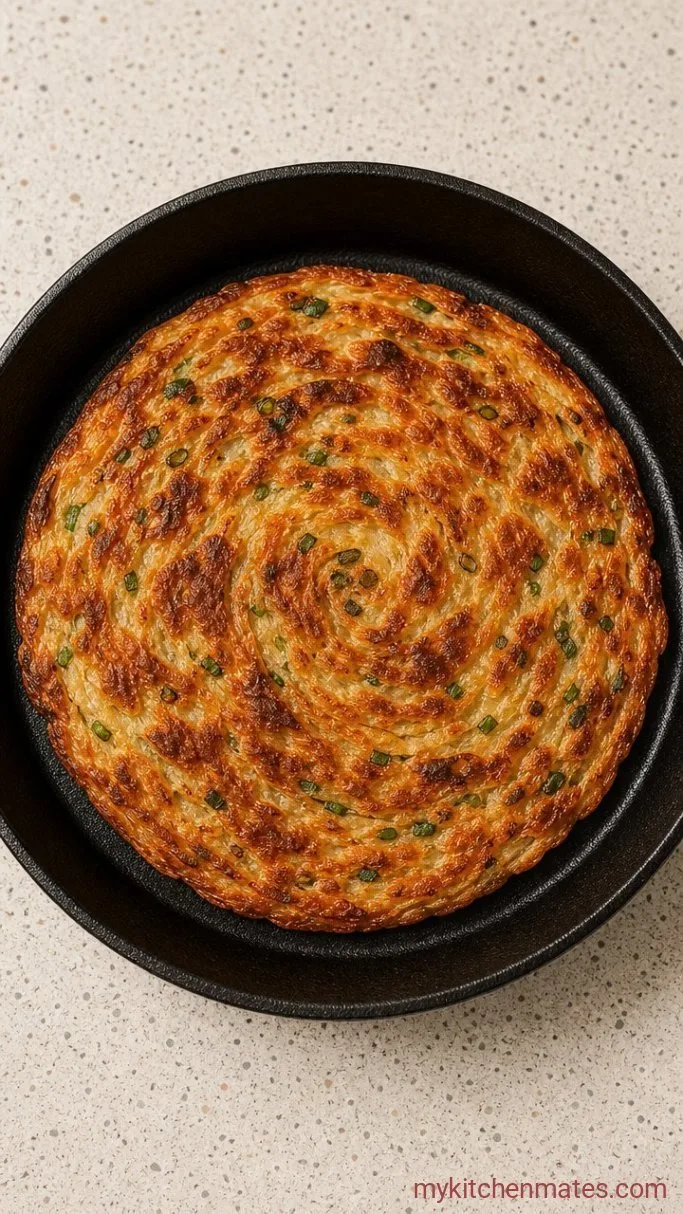
Set a large nonstick skillet over medium heat and add enough vegetable oil to coat the bottom with a thin film, about 1 tbsp. While the oil heats, gently flatten and roll each coiled round into a 6-inch circle, about ⅛ inch thick. When the oil shimmers, place one pancake in the pan. Fry until the bottom is deep golden and crispy, about 2 to 3 minutes, then flip and fry the second side for another 2 to 3 minutes. Transfer to a wire rack or a plate lined with a paper towel and repeat with the remaining pancakes, adding more oil as needed.
You will hear a steady sizzle and see the edges puff slightly as the layers separate. Use a spatula to press the pancake down lightly in a few spots to encourage even contact with the pan. If the pancakes brown too fast, lower the heat so the inside cooks through before the outside burns.
Step 4: Slice and Serve Hot
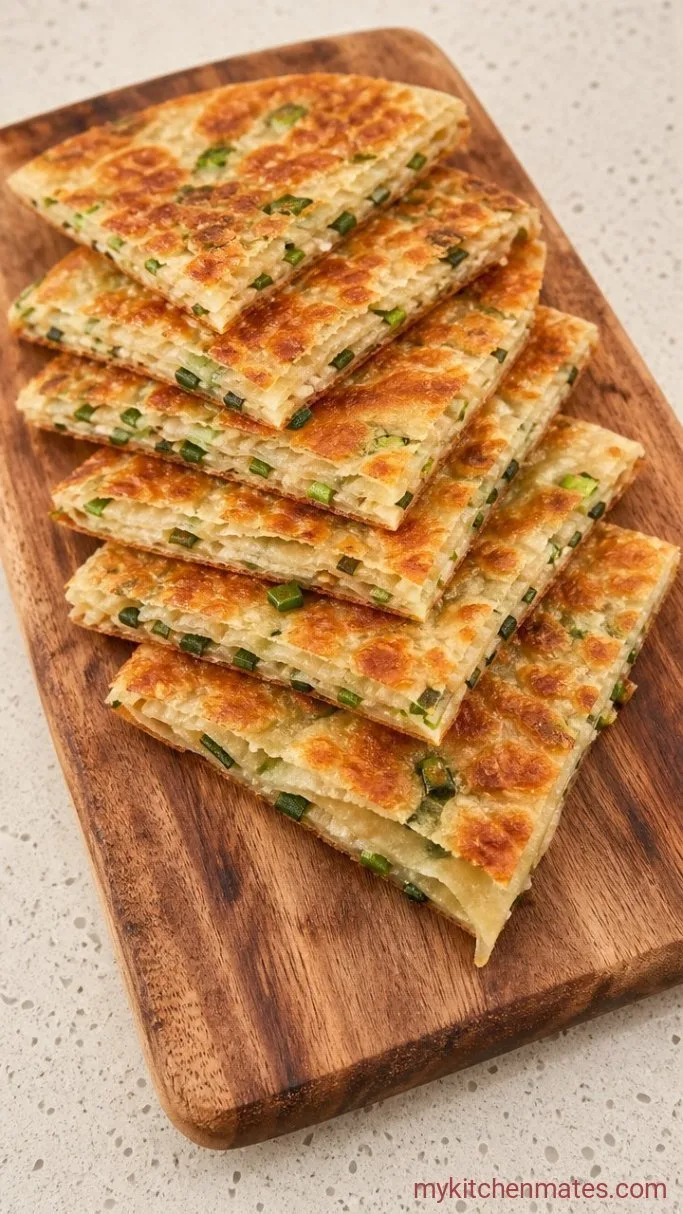
Cut each pancake into wedges, like a pizza, and serve them right away while the edges are still crackling. A simple dipping sauce of soy sauce, black vinegar, and a drop of chili oil is all you need.
Pile the wedges onto a platter and they will get snatched up fast. The outside is crisp and blistered in spots, while the inside shows tender, papery layers separated by soft scallion oil.
Tips for the Crispiest Pancakes
- Keep the rolled-out pancakes covered with a damp towel while you fry one at a time so they do not dry out.
- If you want all four pancakes hot at the same time, hold them in a 200°F (95°C) oven on a rack while you fry the rest.
- For the thinnest layers, roll the coiled snail round gently from the center outward, rotating as you go, and stop when it is about ⅛ inch thick. Pressing too hard squishes the layers together and they will not separate as well.
- Leftover cooked pancakes can be frozen with a sheet of parchment between each one, then reheated straight from the freezer in a dry nonstick pan over medium heat until crisp again.
Storing and Reheating
Refrigerate: Stack cooled pancakes between sheets of wax paper in an airtight container for up to 3 days. Reheating: Warm them in a dry skillet over medium heat for about 2 minutes per side until the surface crackles again. Microwaving makes them chewy, so stick with the pan.
What to Serve with Scallion Pancakes
These pancakes are light and salty, so they pair well with a saucy stir-fry like mapo tofu or a simple cucumber salad with rice vinegar for freshness. For a bigger meal, serve them alongside a bowl of hot and sour soup, where the broth softens the crispy edges just enough.
Frequently Asked Questions
Can I use cold water instead of boiling water?
No, the hot water is what makes the dough tender and easy to roll thin. Cold water produces a tougher, less pliable dough that will not create flaky layers.
Why did my pancakes puff up but not separate into layers?
The dough was likely rolled too thick, or you did not use enough sesame oil to coat the surface fully. Aim for the thinnest rectangle you can manage, and brush the oil all the way to the edges.
Can I make the dough ahead of time?
Yes, you can make the dough up to a day in advance. Wrap it tightly and refrigerate. Let it come to room temperature for 30 minutes before rolling so it is pliable again.
Can I use whole wheat flour?
You can swap up to half of the all-purpose flour with whole wheat, but the pancakes will be less flaky and have a denser bite. You may need an extra tablespoon of water to get a smooth dough.
Scallion Pancakes Recipe
Ingredients
Method
- Mix flour and ½ tsp salt in a bowl, add boiling water, stir into a shaggy dough, knead 2 minutes, cover, and rest 30 minutes.
- Divide dough into 4 pieces. Roll each thin, brush with sesame oil, top with scallions and salt, roll up, coil, and flatten. Rest 5 minutes.
- Heat a thin layer of oil in a skillet over medium heat. Roll each coil into a 6-inch circle and fry 2-3 minutes per side until golden and crisp.
- Cut into wedges and serve hot with a dipping sauce of soy sauce, vinegar, and chili oil.
Notes
