
Traditional Sambar (South Indian Lentil Stew)

Sambar is the heart of a South Indian meal, a deeply spiced lentil stew that pulls together toor dal, tangy tamarind, and whatever vegetables you have on hand. This is the version I make when I want the real thing without fuss, using a homemade sambar powder that fills the kitchen with a toasty, warm aroma.
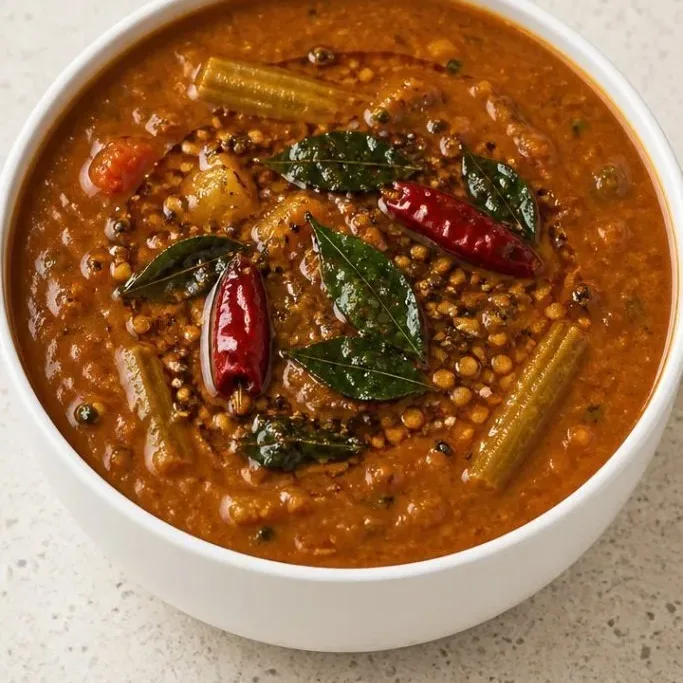
A good sambar is all about balance. The lentils go completely soft to thicken the broth, the tamarind gives it a clean sharpness, and the final tadka of mustard seeds and curry leaves wakes everything up just before you serve. I’ll walk you through it the way I make it at home.
Why This Sambar Stays in the Rotation
This recipe hits the same depth of flavor you get from an Udupi restaurant, but it comes together in under an hour using a pressure cooker. The real work is the sambar powder, which you toast and grind fresh in five minutes while the dal cooks. That one quick step makes the whole dish sing.
Roasting the spices before grinding unlocks oils that ground powders from a packet can’t match. If you already have a batch of homemade powder on hand, the active time drops even further. Either way, you end up with a stew that is hearty, sour, and layered.
Ingredients
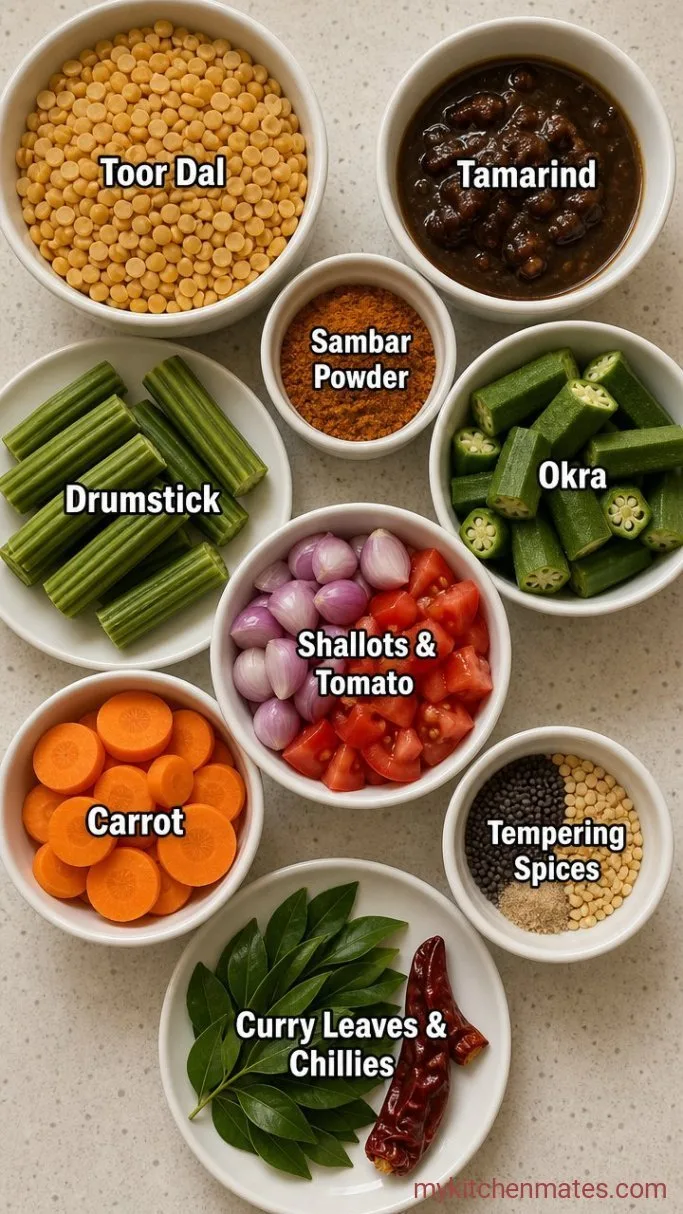
- 1/2 cup toor dal (split pigeon peas): rinse well before using; this is the backbone of the stew
- 1 small lime-sized tamarind: soak in warm water to extract the pulp, or use 1 tbsp tamarind paste
- 2 tbsp sambar powder: homemade is ideal (see tips), but any good South Indian brand works
- 1/2 tsp turmeric powder: adds color and earthiness
- Salt: start with 3/4 tsp and adjust after combining
- 1 drumstick (murungakkai): cut into 2-inch fingers; discard the tough ends
- 6 to 8 okra (ladies finger): trimmed and halved lengthwise
- 4 to 5 shallots: peeled and halved; they dissolve into the gravy beautifully
- 1 small tomato: roughly chopped
- 1 small carrot: peeled and sliced into thin rounds
- 1 tbsp vegetable oil or ghee: for the tempering
- 1 tsp mustard seeds
- 1/2 tsp urad dal (split black gram)
- A generous pinch of asafoetida (hing): adds a savory depth and helps with digestion
- 1 sprig curry leaves: fresh, if you can get them
- 2 dry red chillies: broken in half
Variations and Substitutions
- Different vegetables: The beauty of sambar is that it works with almost any vegetable. Try cubed eggplant, diced pumpkin, or even radish. Root vegetables like turnip or sweet potato add a lovely sweetness.
- No drumstick or okra: Use a mix of carrot, beans, and potato for a classic hotel-style sambar. The key is cutting everything roughly the same size so they cook evenly.
- Swap the dal: While toor dal is traditional, you can use half toor and half masoor dal (red lentils) in a pinch. The texture will be a bit softer, but it still tastes great.
- Tamarind paste shortcut: If you don’t have fresh tamarind, use a thick tamarind paste from a jar. Start with 1 tablespoon and add more after simmering if you want it tarter.
- A quicker powder: If you’re short on time, a store-bought MTR or Everest sambar powder works. Just be mindful that some blends are saltier, so hold back on extra salt until the end. For the full aromatic experience, try making a batch of homemade sambar powder once; it keeps for months.
Masala Bread Omelette is perfect for serving on the side of this stew.
How to Make Sambar
Step 1: Pressure Cook the Dal

Wash the 1/2 cup toor dal in a few changes of water, then add it to a pressure cooker with 1 and 1/2 cups of water and the 1/2 tsp turmeric powder. Close the lid and cook on high heat until you hear the first whistle, then lower the heat to medium and cook for 4 more whistles. Turn off the heat and let the pressure release naturally.
The dal should be completely soft and mushy when you open the cooker. If you see any separate grains, close it again and cook for one more whistle. A smooth, thick dal is what gives sambar its body, so don’t rush this step. While the dal cooks, you can get the tamarind ready.
Step 2: Soak the Tamarind
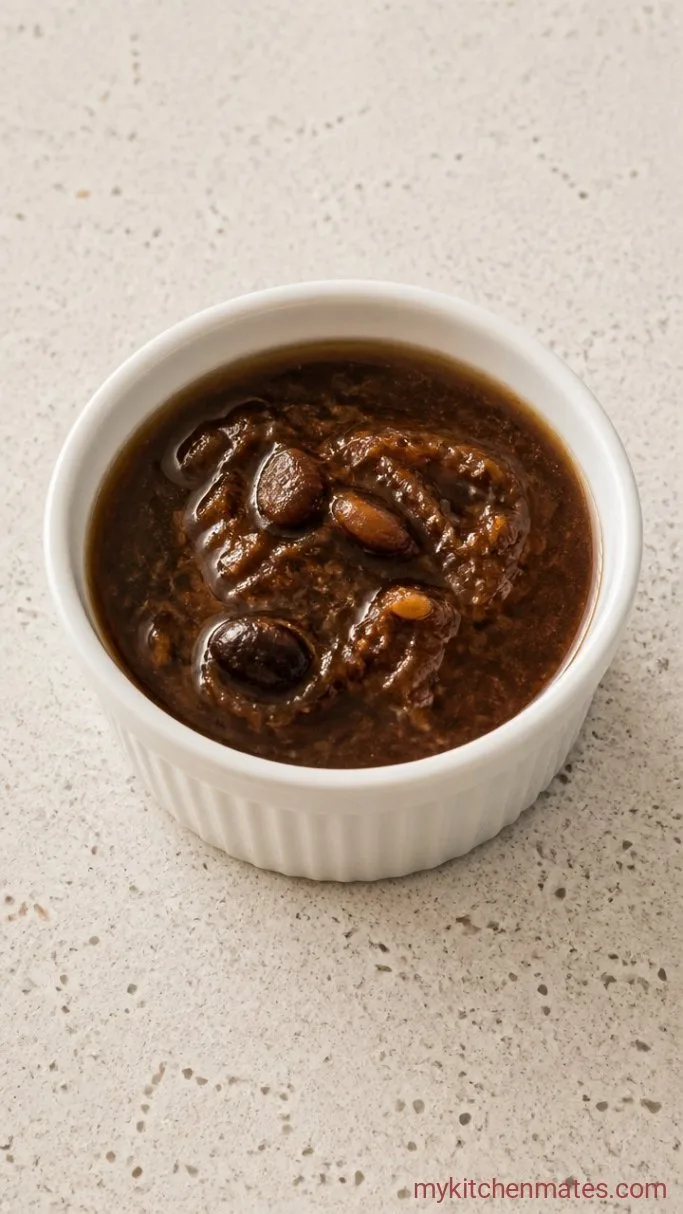
Place the tamarind in a small bowl and cover it with 1/4 cup of hot water. Let it sit for 10 to 15 minutes until the pulp softens. Once it’s cool enough to handle, use your fingers to squeeze and mash the tamarind, then strain the water through a sieve into a clean bowl. Press the pulp to extract as much thick liquid as you can. Discard the fibrous bits. You should end up with around 2 to 3 tablespoons of a dark, tangy pulp. Set it aside.
If you are using tamarind paste instead, dissolve 1 tablespoon in the same amount of warm water and skip the straining. That little bit of hot water helps it melt evenly into the stew later.
Step 3: Sauté the Vegetables
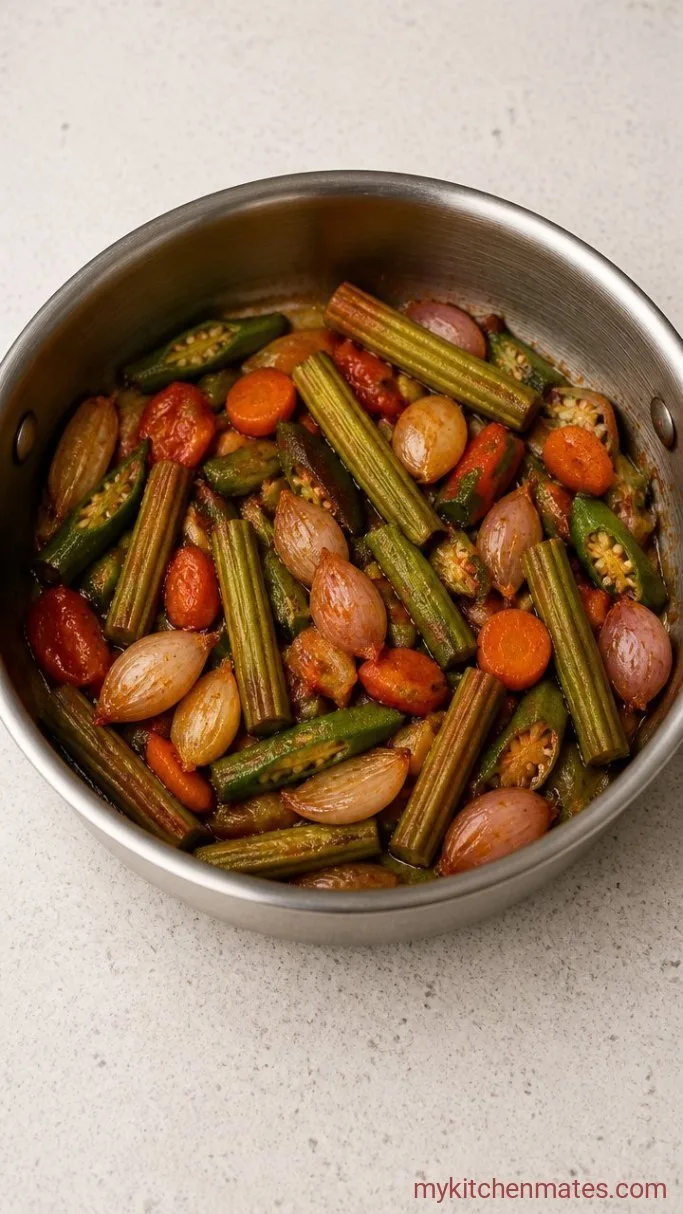
In a deep, heavy-bottomed pot or kadai, pour in the 1 tablespoon of oil for tempering, but hold the tempering spices for the very end. Instead, once the oil is hot on a medium flame, add the 4 to 5 halved shallots and fry them for about 2 minutes until they turn translucent and the edges start to brown lightly. This quick browning adds a sweet, caramelized note to the sambar base.
Now slide in the 1 chopped tomato and cook until it softens, about 2 minutes. The tomato will release moisture, helping everything simmer. Toss in the 2 tbsp sambar powder and stir for 30 seconds until the raw spice smell disappears and the mixture smells deeply toasted. This step blooms the spices in the oil and locks in the aroma.
Step 4: Combine and Simmer
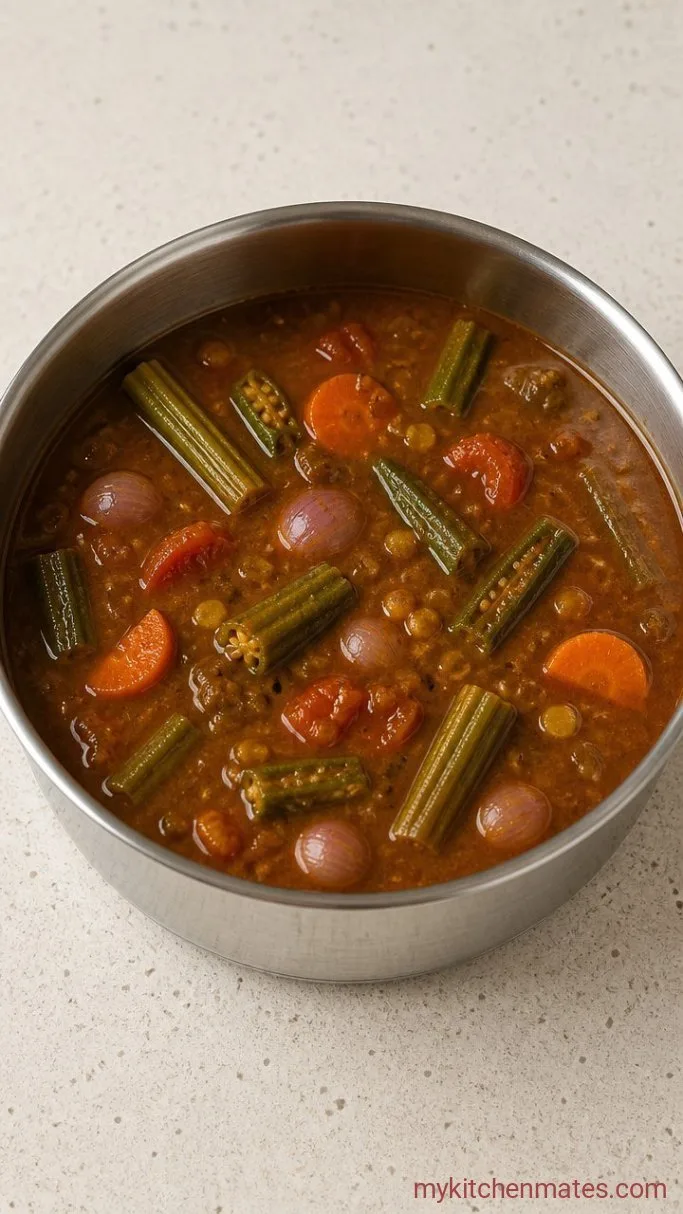
Add the cut drumstick, okra, and carrot slices to the pot. Pour in 2 cups of water and 3/4 tsp of salt, then stir everything together. Let the vegetables come to a boil on high heat, then lower the heat to medium and cook covered for about 8 to 10 minutes, until the drumstick is tender when poked with a fork.
Now pour in the mushy dal from the pressure cooker along with the tamarind extract. Stir well and let the sambar bubble gently on medium-low heat for another 5 to 7 minutes. The stew will thicken and the flavors will come together. Taste it here. You want a balance of sour from the tamarind and a warm spiciness from the sambar powder. Add more salt or tamarind if needed, keeping in mind the tempering will add another layer of flavor.
Step 5: Temper and Serve
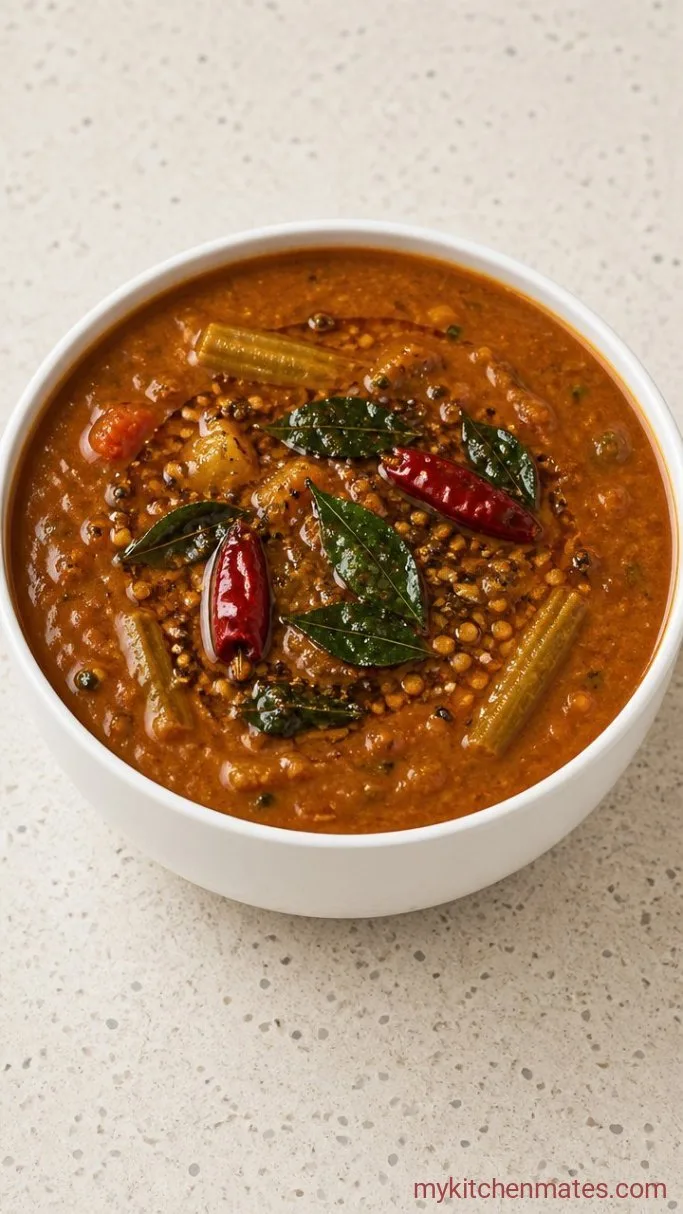
In a small tadka pan or a small skillet, heat the 1 tbsp vegetable oil or ghee on medium heat. Once the oil shimmers, drop in the 1 tsp mustard seeds and let them pop. The moment they start crackling, add the 1/2 tsp urad dal and fry until golden, just a few seconds. Toss in the pinch of asafoetida, the sprig of curry leaves, and the 2 dry red chillies, broken. Stand back a little because the curry leaves will splutter. Let them crisp up for about 10 seconds, then immediately pour the entire tempering over the bubbling sambar.
The sambar will hiss and release a cloud of fragrance. Give it a final stir so the tempering oils swirl through the stew. Serve it hot with steamed rice and a spoonful of ghee, or ladle it into bowls alongside idli or dosa. The tamarind sharpness and the roasted spice notes are at their best right now.
Tips for a More Authentic Sambar
- Freshly ground sambar powder makes all the difference. To make a quick batch, dry roast 1 tbsp coriander seeds, 1 tsp cumin seeds, 1/2 tsp fenugreek seeds, 1/2 tsp black peppercorns, 2 to 3 dry red chillies, and a tablespoon of chana dal until fragrant. Cool, then grind to a fine powder. This small effort gives you a far brighter, more aromatic sambar than any store-bought powder.
- Don’t skip the asafoetida. It has a strong, funky scent on its own, but once it hits hot oil, it transforms into a savory, oniony note that is vital to South Indian cooking.
- The dal must be cooked until it completely breaks down. If you can still see individual yellow grains, the sambar will be watery and the texture won’t feel right. Use an immersion blender directly in the pressure cooker (before adding the sambar powder) if needed.
- For a thicker sambar, mash a few pieces of cooked drumstick or carrot directly in the pot with the back of your ladle. This releases natural starch and adds body without extra dal.
- Allow the sambar to rest off the heat for 5 to 10 minutes before serving. It lets the flavors settle and the tempering infuse more deeply.
If you’re cooking for a group, here’s how to scale the ingredients:
| Servings | Toor Dal | Vegetables (roughly) | Water for Simmering |
|---|---|---|---|
| 4 | 1/2 cup | 3 cups mixed | 2 cups |
| 6 | 3/4 cup | 4 to 4.5 cups mixed | 3 cups |
| 8 | 1 cup | 5 to 6 cups mixed | 4 cups |
Increase the sambar powder by 1/2 tablespoon for every additional 1/4 cup of dal used, and taste for salt.
Storing Leftovers
Sambar tastes even better the next day, so it’s a perfect make-ahead dish. Refrigerate any leftovers in an airtight container for up to 3 days. The stew will thicken as it cools, so add a splash of water when you reheat it on the stovetop or in the microwave. For longer storage, freeze sambar for up to a month; the vegetables will soften a bit more but the flavor stays intact. Reheat directly from frozen with a little water over low heat.
What to Serve With Sambar
A bowl of hot sambar is classic with plain steamed rice and a pat of ghee melting on top. The richness of the ghee cuts through the tang of the tamarind perfectly. For a traditional breakfast or tiffin, ladle it beside idli or dosa, and add a spoonful of coconut chutney on the side. The mild coconut cools the palate between spoonfuls of the spiced stew. If you want a fuller meal, pair it with a simple stir-fried cabbage or potato curry and some crisp papad.
Frequently Asked Questions
Can I make sambar without a pressure cooker?
Yes. In a heavy pot, bring the rinsed dal and water to a boil, then reduce the heat to a simmer, cover, and cook until the dal is completely soft and mushy, about 35 to 40 minutes. Keep an eye on the water level and add a little more if it dries out too fast.
My sambar tastes slightly bitter. What went wrong?
A bitter taste usually comes from either too much tamarind or burnt spices. If you dry-roasted your own sambar powder, the fenugreek seeds can turn bitter if they go past golden. Another culprit is scorching the sambar powder in the hot oil in Step 3. Stir it constantly and take it off the heat the moment you smell a deep roasted aroma, not a burnt one.
Can I skip the onion and garlic for a no-onion version?
This recipe uses only shallots, which dissolve into the gravy and are often included in temple-style sambar. If you need a fully no-onion, no-garlic sambar, simply leave out the shallots. The asafoetida and the sambar powder will still provide plenty of depth. You may add a few extra vegetables like carrot and pumpkin to build body.
What can I use if I don’t have fresh curry leaves?
Fresh curry leaves have a unique citrusy aroma that dried ones can’t fully replicate. In a pinch, you can leave them out and the sambar will still taste good. If you have an Indian grocery nearby, pick up a packet of fresh curry leaves; they freeze well and keep for months.
Sambar Recipe
Ingredients
Method
- Wash toor dal and pressure cook with 1 1/2 cups water and turmeric for 4 whistles. Let pressure release naturally, then mash the dal smooth.
- Soak tamarind in 1/4 cup hot water for 15 minutes. Squeeze and strain the pulp, discarding fibers. Measure out 2 to 3 tbsp of the extract.
- Heat oil in a large pot, fry shallots until translucent, then add tomato and cook until soft. Stir in sambar powder and cook for 30 seconds until aromatic.
- Add drumstick, okra, carrot, 2 cups water, and 3/4 tsp salt. Boil, cover, and simmer for 8 to 10 minutes until vegetables are tender. Pour in the mashed dal and tamarind extract, then simmer for another 5 to 7 minutes. Taste and adjust salt or tamarind.
- In a small tadka pan, heat ghee or oil. Add mustard seeds; once they pop, add urad dal, asafoetida, curry leaves, and dry red chillies. Fry for 10 seconds, then pour the tempering over the hot sambar. Stir and serve immediately.
Notes
