
Tender Puerto Rican Beef Stew (Carne Guisada)

Puerto Rican beef stew, or carne guisada, is a slow-braised one-pot meal that fills your kitchen with the warm scent of sofrito, cumin, and bay leaf. It’s the kind of dinner that tastes like you fussed all day, but the pot does most of the work.
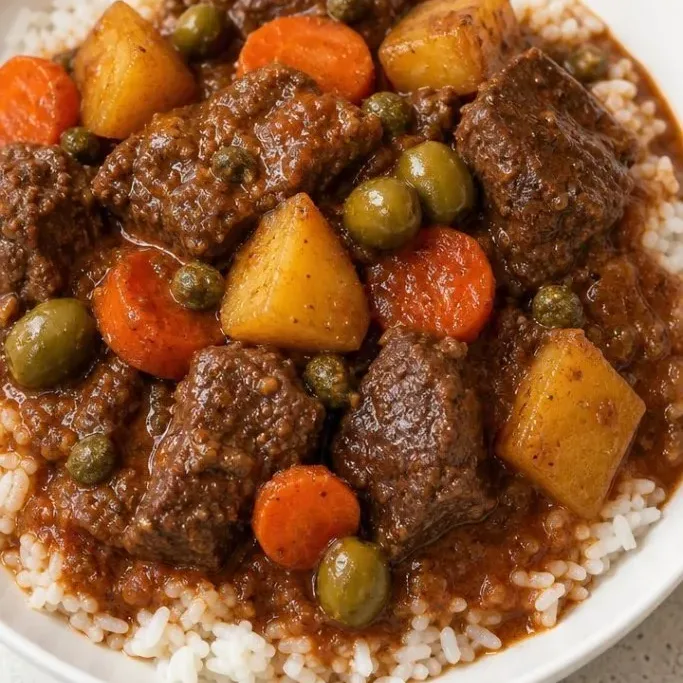
Tender chunks of chuck simmer with potatoes, carrots, and briny olives in a tomatoey broth until the meat threatens to fall apart on the spoon. Pile it over white rice and watch everyone go back for seconds.
Why This Stew Stays in Rotation
I come back to this carne guisada because it is built on flavor layers that are simple to pull off and incredibly dependable. The beef gets so soft you can break it with the side of a fork, and the broth is rich and savory, never watery.
The real trick is searing the meat until it forms a deep brown crust, then blooming the sofrito and tomato paste in the same pot. The potatoes cook right in the stew, soaking up every bit of that sauce and lending their own silky body.
Ingredients

- 2 lbs boneless beef chuck, cut into 1 1/2-inch chunks: well-marbled chuck gives the most tender result; avoid lean stew meat here.
- 2 tsp adobo seasoning: (such as Goya): a garlicky, salty all-purpose Puerto Rican spice blend.
- 1 packet sazón with achiote: (about 1 tsp): adds savory depth and a warm red tint to the broth.
- 3 tbsp olive oil, divided: for searing the beef and blooming the sofrito.
- 1/2 cup jarred or homemade sofrito: the cooking base of peppers, onions, garlic, and culantro.
- 1/4 cup tomato sauce: not ketchup; a plain canned tomato sauce works.
- 1 tbsp tomato paste: intensifies the tomato flavor and helps thicken the stew.
- 1 cup water or low-sodium beef broth: chicken broth works in a pinch, but beef adds more depth.
- 2 medium Yukon Gold potatoes (about 12 oz), peeled and cut into 1-inch cubes: waxy potatoes hold their shape while still softening.
- 2 medium carrots, peeled and sliced 1/2 inch thick: adds a subtle sweetness to the broth.
- 1/3 cup pimiento-stuffed green olives: the briny pop cuts through the richness; manzanilla olives are classic.
- 1 tbsp capers, drained: optional but traditional; they add a tangy saltiness.
- 1 dried bay leaf: a single leaf is all you need.
- 1 tsp white vinegar: stir in at the very end to wake up the whole dish.
Variations and Substitutions
- Chicken shoulder: swap the beef for an equal weight of boneless chicken shoulder cut the same size; the stew will be slightly sweeter and even more gelatin-rich.
- Yuca or malanga: use 2 cups of peeled, cubed yuca or malanga instead of potatoes; they become wonderfully creamy in the braise.
- Extra heat: add a sliced cubanelle or jalapeño pepper when you bloom the sofrito, or a pinch of cayenne.
- Capers only: if olives aren’t your thing, double the capers and skip the olives for a sharper, less briny finish.
- Herb finish: stir in a handful of chopped fresh cilantro just before ladling into bowls for a bright contrast.
Honey Oat Sourdough Sandwich Bread is perfect for serving on the side of this stew.
How to Make Puerto Rican Beef Stew
Step 1: Sear the Beef
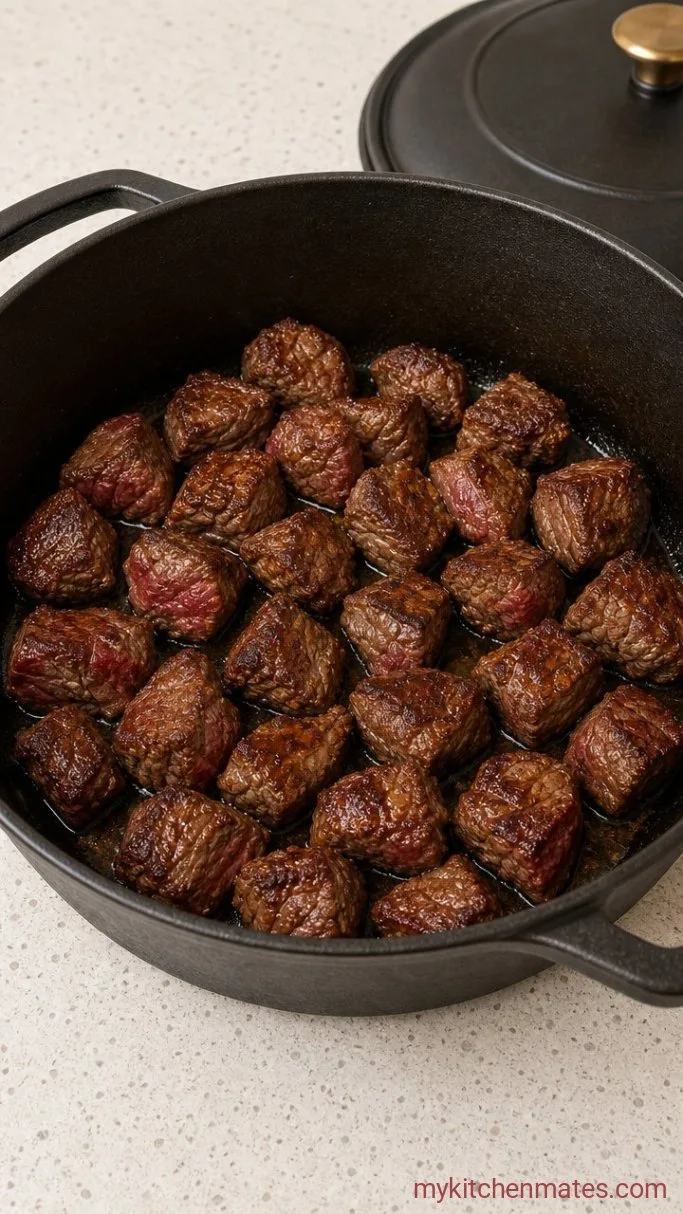
Pat the beef chunks dry with paper towels and season them all over with the 2 teaspoons of adobo seasoning. Heat 2 tablespoons of the olive oil in a large heavy pot or Dutch oven over medium-high heat. Working in two batches, add the beef in a single layer and sear until deeply browned on all sides, about 3 to 4 minutes per batch.
You are looking for a dark caramel-colored crust, not a quick gray sear. That browning is what builds the stew’s backbone, so let the meat sit undisturbed until it releases easily from the pot.
Don’t pile the cubes in too tightly; if the pan is crowded, the beef will steam instead of brown. Take your time with each batch, then transfer the seared meat to a plate and set it aside for now.
Step 2: Bloom the Sofrito
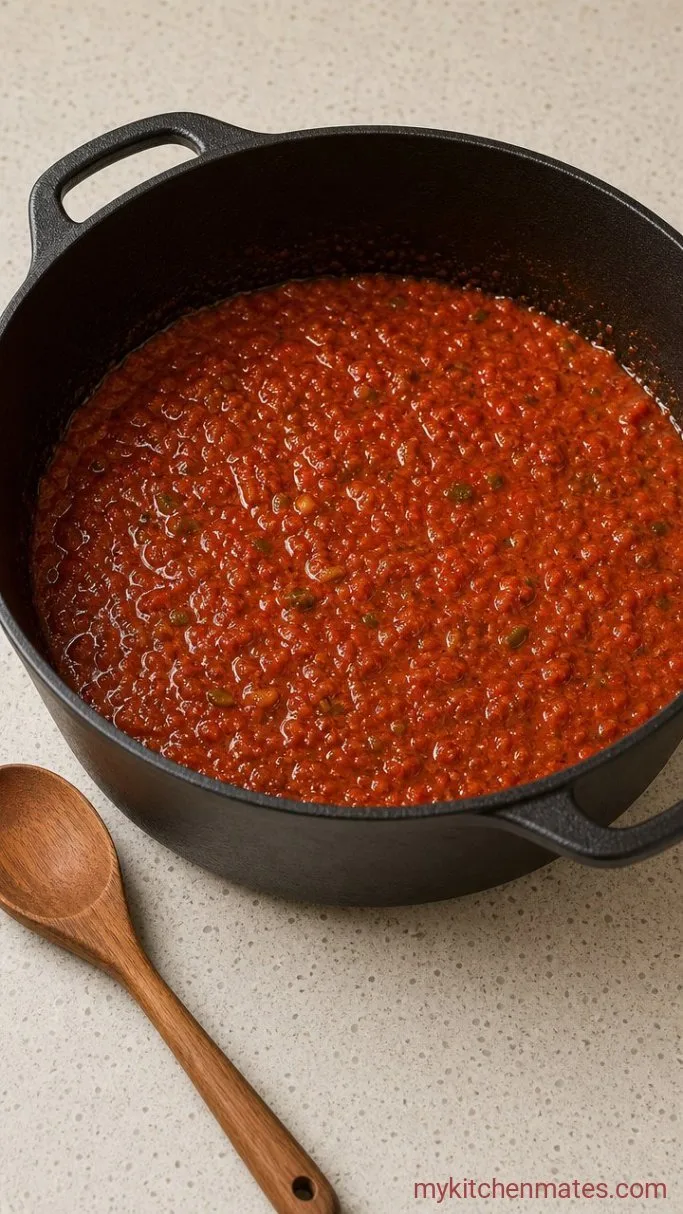
Reduce the heat to medium and add the remaining 1 tablespoon of olive oil to the same pot. Scrape in the 1/2 cup of sofrito and cook, stirring often, for about 2 minutes. Sprinkle in the packet of sazón and the 1 tablespoon of tomato paste, then stir continuously for another minute until the paste darkens slightly and everything smells toasty and fragrant.
The sofrito will sizzle and turn a deeper shade of green and red as it cooks. This step wakes up the spices and locks their flavor into the oil, so don’t skip it.
If the browned bits on the bottom of the pot start to look dry, add a splash of water to keep them from scorching. Those bits are pure flavor, and you want them to dissolve into the sauce later.
Step 3: Build the Broth
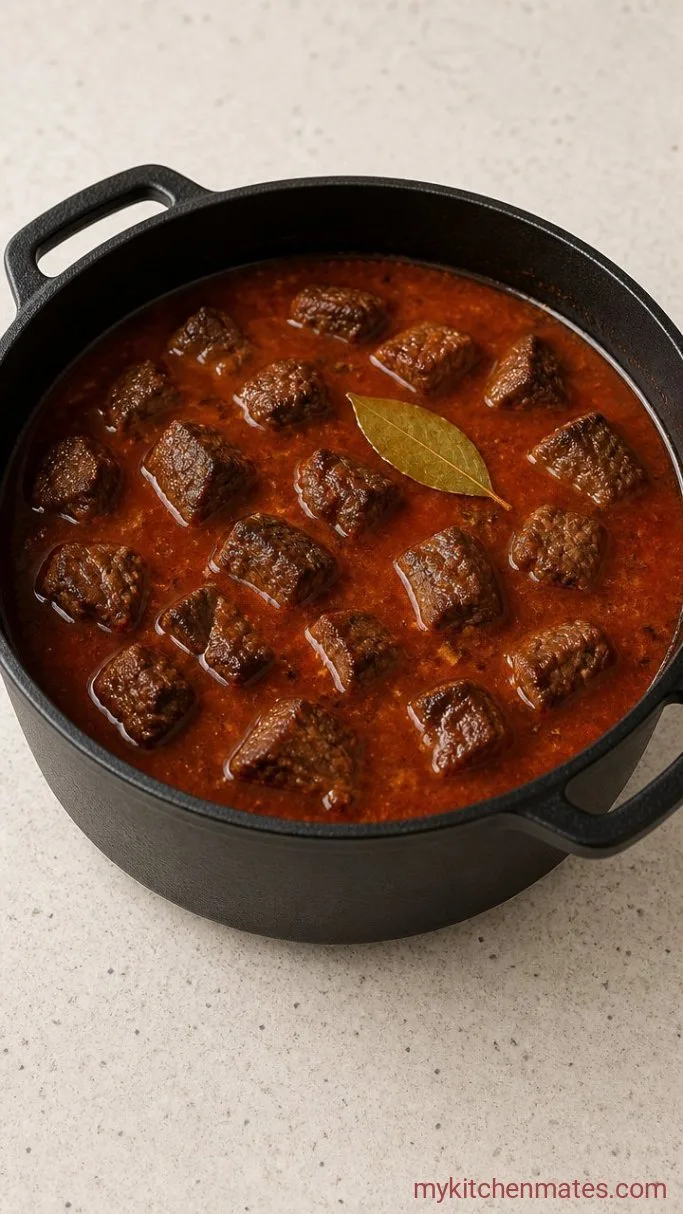
Pour the 1/4 cup of tomato sauce into the pot and stir it into the sofrito mixture. Let it cook for 30 seconds, then add the 1 cup of water or beef broth. Use a wooden spoon to scrape up all the stuck-on browned bits from the bottom of the pot. Drop in the bay leaf, then return the seared beef and any juices from the plate back to the pot.
The liquid should just barely cover the meat; if it doesn’t, add a little more water. Bring everything to a steady simmer.
The color at this stage will be a deep reddish-brown, and the broth will taste slightly sharp. That’s normal—the long braise will mellow everything and meld the flavors into a rich, rounded sauce.
Step 4: Braise Until Tender
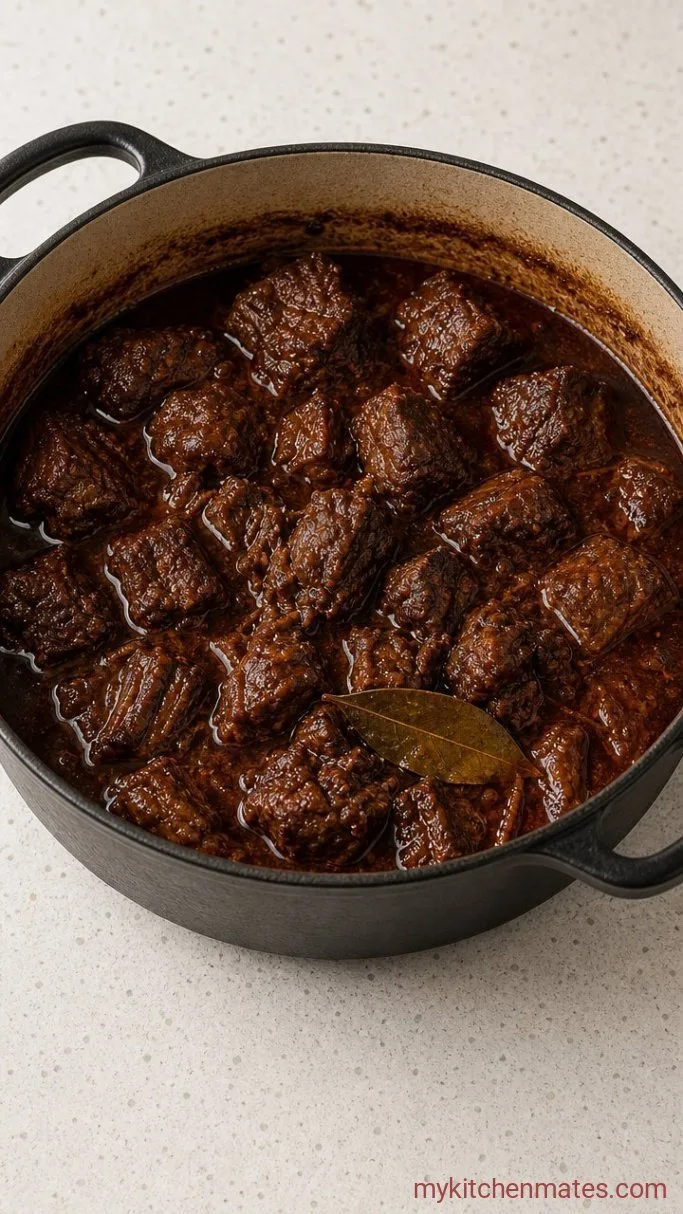
Lower the heat to its gentlest setting so the liquid burbles lightly without a hard boil. Cover the pot with a tight-fitting lid and braise for 1 hour 15 minutes. Stir once or twice during that time just to make sure nothing is sticking, but keep the lid on as much as possible.
After an hour and a quarter, the beef should be fork-tender but not quite falling apart. The broth will have deepened in color and reduced slightly, taking on a glossy sheen around the edges.
If the meat still feels tough, let it go another 15 to 20 minutes. Chuck is forgiving, but every batch is a little different, so trust the fork test over the clock.
Step 5: Fold in the Vegetables
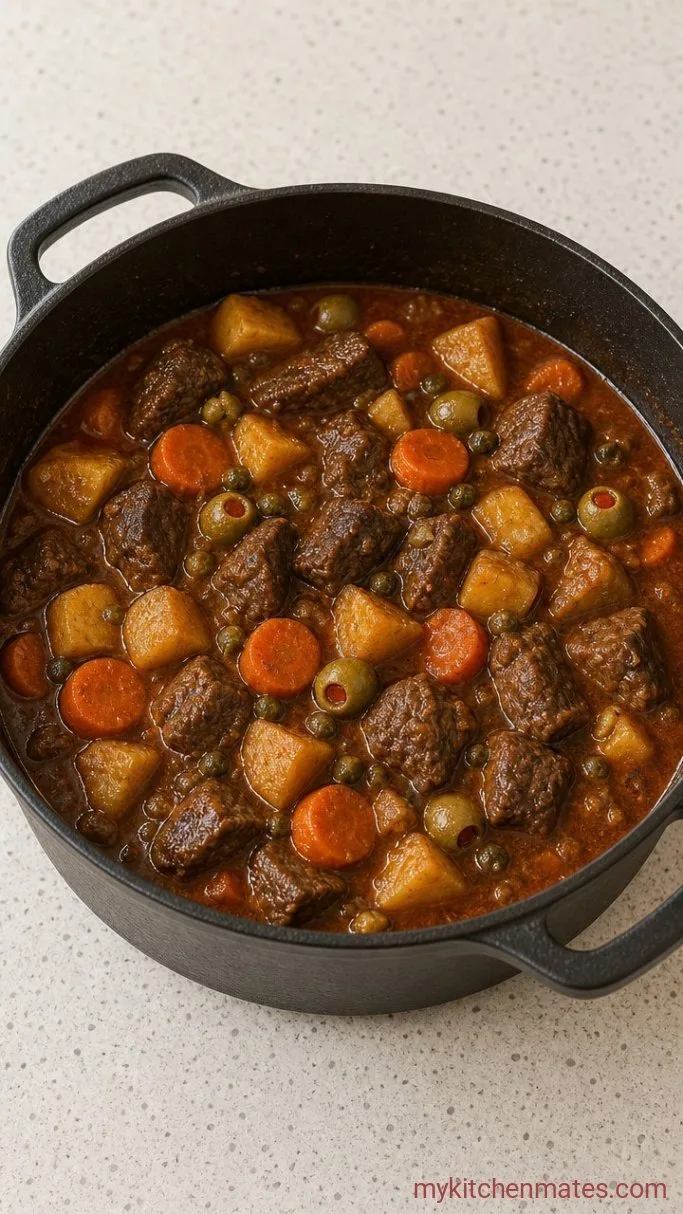
Carefully stir the cubed potatoes, sliced carrots, olives, and capers into the stew. Nestle them down into the broth so they are mostly submerged. Cover the pot again and continue to simmer gently for another 25 to 30 minutes, until the potatoes are tender and a paring knife slides through a carrot with zero resistance.
The potatoes will start to break down at the corners and thicken the sauce, which is exactly what you want. Every vegetable absorbs the braising liquid and becomes infused with the savory, briny flavor.
Keep the simmer low so the potatoes don’t collapse into mush before the carrots are done. A lazy bubble is the goal.
Step 6: Ladle Over Rice

Remove the bay leaf and stir in the 1 teaspoon of white vinegar. Taste the broth and add more adobo seasoning or a pinch of salt if it needs a boost. Spoon the stew into wide, shallow bowls over a generous scoop of steamed white rice, making sure each portion gets plenty of meat, potatoes, and that glossy sauce.
The finished stew is a deep rusty red, with chunks of beef that barely hold their shape and a sauce that coats the back of a spoon. The olives and capers dot the surface like little salty surprises.
Serve immediately while it’s piping hot. The steam rising off the rice feels like a warm welcome any night of the week.
Getting the Deepest Flavor
- The sear is everything. A heavy pot and medium-high heat give you the dark crust that flavors the whole pot; don’t settle for a pale surface.
- Let the stew sit off the heat for 10 minutes with the lid cracked after cooking. The sauce will tighten up and the flavors will settle as it cools just a little.
- A splash of vinegar at the end lifts the whole dish without making it sour. If you don’t have white vinegar, a squeeze of lime juice works too.
- If you have time, make the stew a day ahead. The flavors blend even better overnight, and the fat solidifies on top so you can skim it off before reheating.
Cook times by method:
| Method | Cook Time After Adding Beef |
|---|---|
| Stovetop gentle simmer | 1 hr 30 mins |
| Oven braise at 300°F (150°C) | 1 hr 45 mins |
Storing Leftover Stew
- Refrigerate: transfer cooled stew to an airtight container and refrigerate for up to 4 days. The sauce will thicken as it sits.
- Reheating: warm gently on the stovetop over low heat, adding a splash of water or broth if the sauce has tightened too much. You can also microwave individual portions.
What to Serve With Carne Guisada
A mound of fluffy white rice is non-negotiable—it drinks up the sauce and turns the meal into a full plate. Sliced avocado alongside adds a cool, buttery contrast that offsets the warmth of the stew. If you want to go full Puerto Rican, pan-fry a few ripe sweet plantains until their edges caramelize.
Frequently Asked Questions
Can I make this in a slow cooker?
Yes. Sear the beef and bloom the sofrito on the stovetop first, then transfer everything except the vegetables to a slow cooker. Cook on low for 6 to 7 hours, add the potatoes and carrots, and cook on high for 30 to 45 minutes until they are tender.
What if I can’t find sazón with achiote?
You can make a quick substitute with 1/2 teaspoon each of ground cumin, ground coriander, and sweet paprika. The color won’t be as deep, but the savory notes will be there.
Is there a way to thicken the stew if it looks thin?
The potatoes naturally break down and do most of the work. If you want it thicker, smash a few pieces of potato against the side of the pot and stir them into the broth before serving.
Can I use beef stew meat instead of chuck?
You can, but steer clear of packages labeled simply “stew meat.” They often contain lean cuts that dry out. Look for chuck, or ask your butcher to cut a chuck roast into cubes for you.
Puerto Rican Beef Stew Recipe
Ingredients
Method
- Pat the beef dry, season with adobo, and sear in batches in 2 tbsp oil over medium-high heat until deeply browned. Set aside.
- Lower heat to medium, add remaining oil, sofrito, sazón, and tomato paste. Cook 2 minutes, stirring, until fragrant and darkened.
- Stir in tomato sauce, water or broth, and bay leaf. Scrape up browned bits, return beef to the pot, and bring to a simmer.
- Cover and braise on low heat for 1 hr 15 min, stirring once, until beef is fork-tender.
- Add potatoes, carrots, olives, and capers. Cover and simmer 25 to 30 min until vegetables are tender.
- Remove bay leaf, stir in vinegar, adjust salt, and ladle over rice.
Notes
