
15-Minute Pistachio Pesto Pasta

This pistachio pesto pasta comes together in about 15 minutes with a blender, fresh basil, and shelled pistachios. It’s bright, nutty, and just creamy enough without any cream.
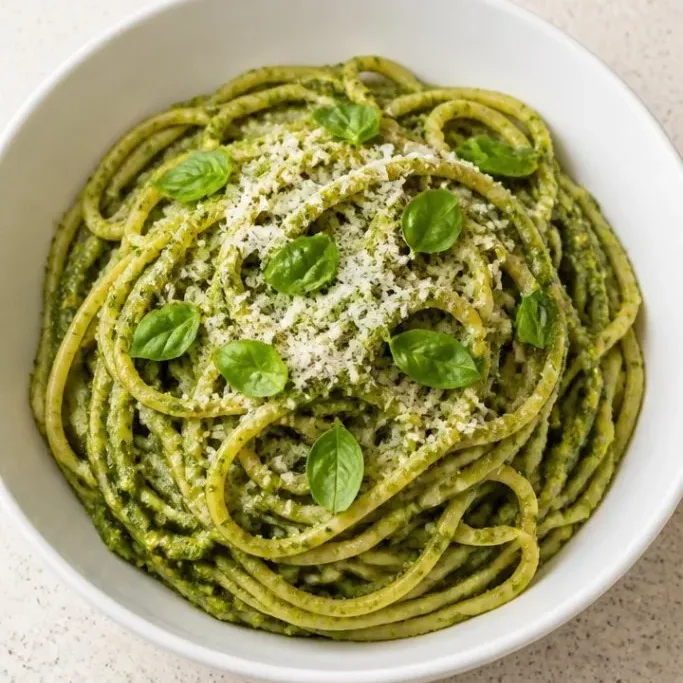
Perfect for busy weeknights when you want something that tastes like you put in more effort. Toss it with any long pasta, and dinner is on the table fast.
Why Pistachio Pesto Is Worth It
Regular pesto leans on pine nuts, but pistachios bring their own natural richness. You get a sauce that clings to the pasta without feeling heavy, with a soft green color and a little texture in every bite.
There’s no toasting required, so the whole thing happens while the water boils. The lemon juice keeps it fresh and the Parmesan adds a quiet saltiness.
Ingredients

- 2 cups fresh basil leaves: packed, no thick stems
- 1/2 cup shelled unsalted pistachios: raw or dry-roasted, with no added salt
- 2 cloves garlic: peeled
- 1/2 cup grated Parmesan cheese: plus more for serving
- 2 tbsp fresh lemon juice: about half a lemon
- 1/2 tsp fine sea salt: plus more for the pasta water
- 1/2 cup extra-virgin olive oil: plus a drizzle to finish
- 1 lb spaghetti or linguine: any long pasta you like
Variations / Substitutions
- Nut Swap: Almonds or walnuts work instead of pistachios. Toast them briefly in a dry pan for a deeper flavor.
- Vegan: Replace Parmesan with 2 tbsp nutritional yeast and a pinch of salt.
- Herb Boost: Blend in a handful of fresh parsley or mint for an even brighter note.
- Cheese-Free: Omit Parmesan and use an extra 2 tbsp pistachios plus a little more salt.
Creamy Cheesy Pasta is another reader favorite dinner worth making next.
How to Make Pistachio Pesto Pasta
Step 1: Cook the Pasta
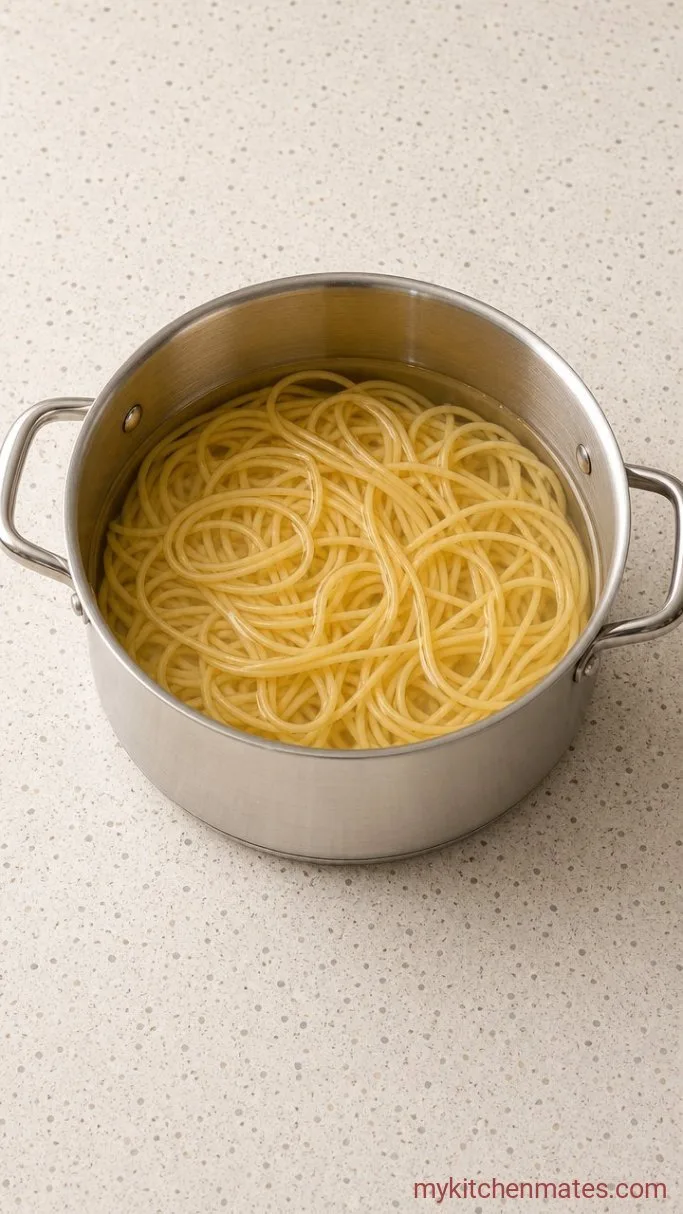
Bring a large pot of heavily salted water to a boil. I use about 1 tablespoon of salt. Drop in the 1 lb of spaghetti and cook according to the package directions until al dente, usually 10 to 12 minutes. Before draining, scoop out about 1 cup of the starchy pasta water and set it aside.
Step 2: Blend the Pistachio Pesto

While the pasta boils, make the pesto. In a food processor, pulse the 1/2 cup pistachios and 2 garlic cloves until they’re broken up into fine crumbs. Add the 2 cups basil leaves, 2 tablespoons lemon juice, 1/2 teaspoon salt, and 1/2 cup Parmesan. Pulse a few times to combine, then, with the machine running, slowly pour in the 1/2 cup olive oil. Blend until you have a thick, slightly textured paste. Stop and scrape down the sides as needed. Taste and add more salt or lemon juice if you like.
Step 3: Toss and Serve the Pasta

Drain the pasta and return it to the warm pot. Scoop all the pesto over the top. Toss well with tongs, adding a splash or two of the reserved pasta water to loosen the sauce until it clings nicely to the noodles. Divide among bowls and finish with extra Parmesan, a few crushed pistachios, and a drizzle of olive oil. Serve right away while it’s hot.
Tips for the Brightest Pesto
- Reserve pasta water before draining. It’s what makes the sauce smooth without extra oil.
- Don’t overprocess the pesto. A slightly chunky texture gives it more nutty character.
- If the pesto tastes flat, a tiny pinch of red pepper flakes or an extra squeeze of lemon wakes it up.
- Leftover pesto freezes well in an ice cube tray. Use it later on sandwiches or roasted vegetables.
Storing Leftovers
- Refrigerate: Tossed pasta keeps in an airtight container for 3 days. The pesto alone stays fresh for up to 5 days, covered with a thin layer of olive oil.
- Reheating: Warm the pasta gently in a skillet with a splash of water to bring back the saucy texture. It’s also nice cold, straight from the fridge.
What to Serve with Pistachio Pesto Pasta
A simple arugula salad with shaved Parmesan and lemon vinaigrette cuts through the richness. For something warm, roasted cherry tomatoes or grilled zucchini work well because their sweetness balances the nutty, garlicky pesto.
Frequently Asked Questions
Can I make the pesto ahead of time?
Yes, but it’s best within a day. For longer storage, refrigerate it with a thin film of olive oil on top to prevent browning.
What if I don’t have a food processor?
A high-speed blender works, too. Use the small jar if you have one, and stop to scrape down the sides often.
Can I use salted pistachios?
Yes, but skip the added salt in the pesto and taste before adjusting.
How do I keep the pesto from turning brown?
Press plastic wrap directly onto the surface and refrigerate. A splash of extra lemon juice also helps slow oxidation.
Pistachio Pesto Pasta Recipe
Ingredients
Method
- Bring a large pot of heavily salted water to a boil. Cook the pasta until al dente, about 10 to 12 minutes. Reserve 1 cup of pasta water, then drain.
- In a food processor, pulse the pistachios and garlic until finely chopped. Add the basil, lemon juice, salt, and Parmesan. With the machine running, slowly pour in the olive oil and blend until a thick paste forms.
- Toss the drained pasta with the pesto, adding splashes of reserved pasta water as needed to loosen the sauce. Serve with extra Parmesan, crushed pistachios, and a drizzle of olive oil.
Notes
