
Pineapple Upside Down Bundt Cake (No Sticking)

This is the classic caramelized pineapple upside down cake, but baked in a Bundt pan so every slice gets extra sticky edges and a dramatic ring shape. The brown sugar topping sinks into the tender buttermilk cake as it bakes, and a couple simple tricks mean it slides out of the pan clean every time.
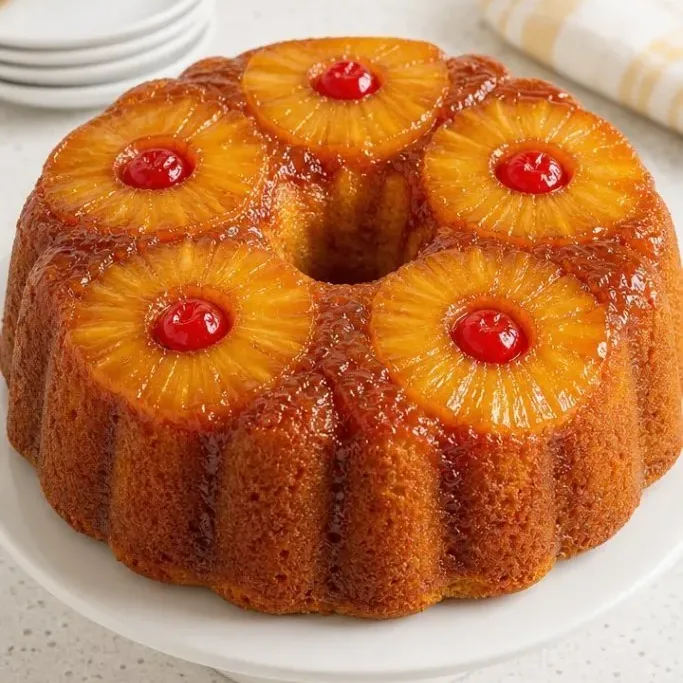
If you have ever worried about the topping staying in the pan, this version fixes that. The Bundt shape gives the cake more surface area to soak up that buttery, pineapple syrup, and the method keeps the pattern intact.
Why This Bundt Cake Works
The brown sugar and butter melt into a thin, sticky glaze in the oven, coating the pineapple rings and cherries. When you invert the cake, that glaze drips down the sides and settles into every ridge, so the whole outside is glossy and dark.
Buttermilk keeps the crumb soft and slightly tangy, which balances the sweet topping. A Bundt pan also bakes the cake more evenly around the center tube, so there are no soggy spots under the fruit.
Ingredients
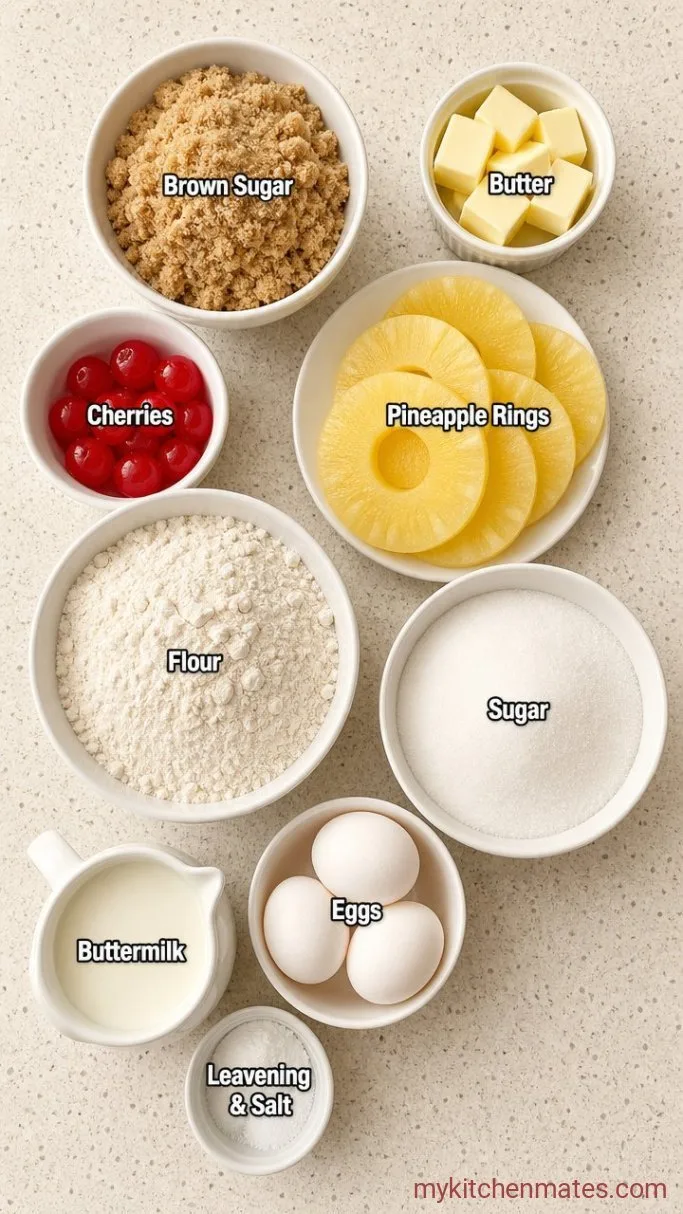
- 4 tbsp unsalted butter, plus more for greasing: melt for the topping, save extra to grease the pan
- ⅔ cup packed light brown sugar: dark brown sugar works too, with a deeper molasses note
- 1 can (20 oz) pineapple rings in juice: drain well and pat dry before using
- 10 to 12 maraschino cherries: stems removed, patted dry
- 1¾ cups all-purpose flour: spooned and leveled
- 1½ tsp baking powder
- ½ tsp baking soda
- ½ tsp fine salt
- ½ cup unsalted butter, room temperature: for the cake batter
- 1 cup granulated sugar
- 2 large eggs, room temperature
- 2 tsp vanilla extract
- ¾ cup buttermilk, room temperature: makes the cake tender
Variations / Substitutions
- Swap the fruit: canned peach slices or apricot halves work instead of pineapple, but drain them very well.
- Skip the cherries: fresh cranberries add a bright pop of color and tartness when pineapple is out of season.
- Use dark brown sugar: it gives the topping a deeper caramel flavor that stands out against the sweet cake.
- Dairy-free option: replace the butter in the cake with a neutral oil, use a thick plant-based yogurt thinned with a little water in place of the buttermilk, and stick with vegan butter for the topping.
- Smaller pan: a standard 9-inch round cake pan makes a classic flat cake if you do not have a Bundt.
Warm Pineapple Bread Pudding is another reader favorite dessert worth making next.
How To Make Pineapple Upside Down Bundt Cake
Step 1: Make the Brown Sugar Topping
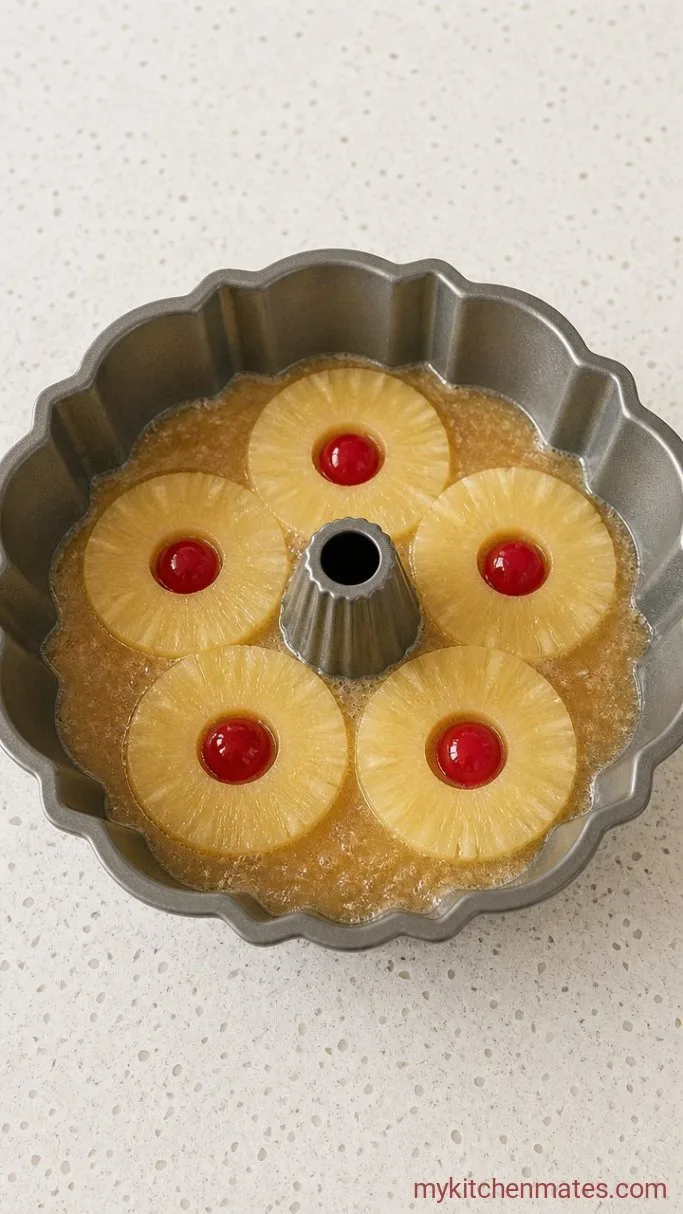
Preheat your oven to 350°F (175°C). Melt the 4 tbsp butter in a small saucepan or in the microwave, then pour it into a 10-cup Bundt pan. Tilt the pan so the butter coats the bottom and a little way up the sides, then sprinkle the ⅔ cup brown sugar evenly over the butter.
Arrange the drained pineapple rings in a single layer around the bottom of the pan, cutting a few in half if needed to fit them snugly. Gently press a cherry into the center of each ring and tuck extra cherries into any gaps. The fruit will shift a little as the cake rises, so placing them close together helps the pattern look full after baking.
Step 2: Cream the Butter and Sugar
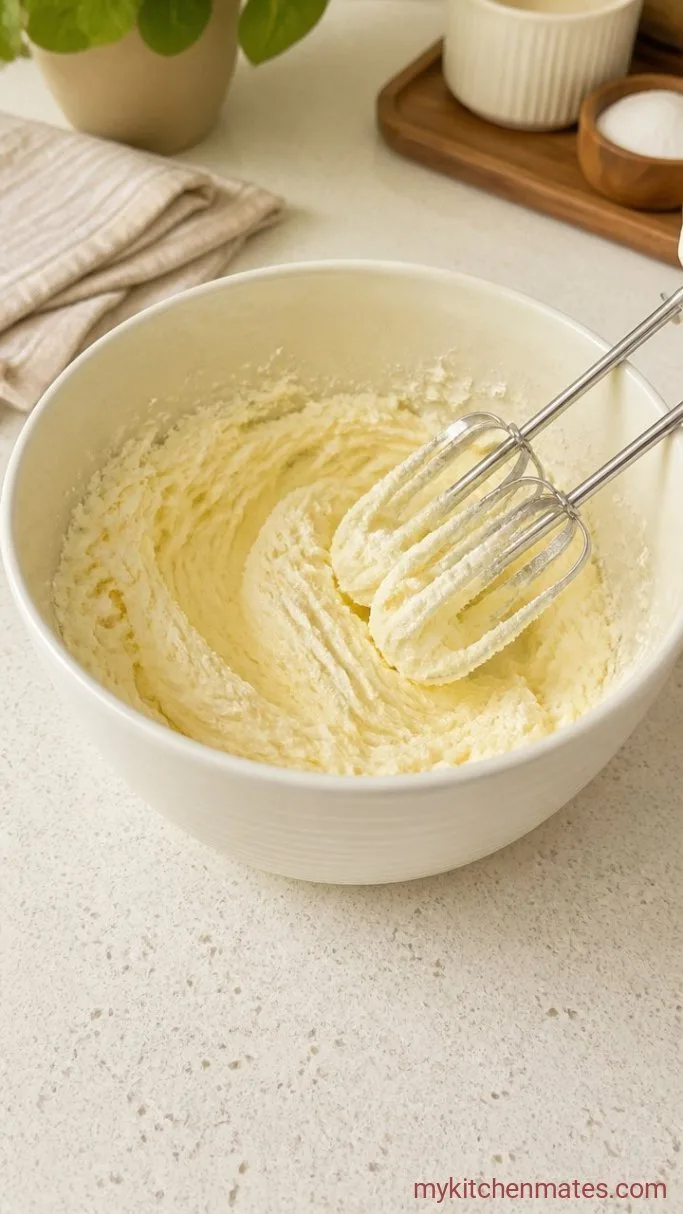
In a large bowl, beat the room-temperature ½ cup butter and 1 cup granulated sugar with a hand mixer on medium speed until the mixture looks pale and fluffy, about 3 minutes. Scrape down the sides once so everything incorporates.
When the butter and sugar are properly creamed, the mixture will feel light and not gritty between your fingers. This traps air that helps the cake rise and gives it a fine, soft crumb.
Step 3: Mix the Dry and Wet Ingredients
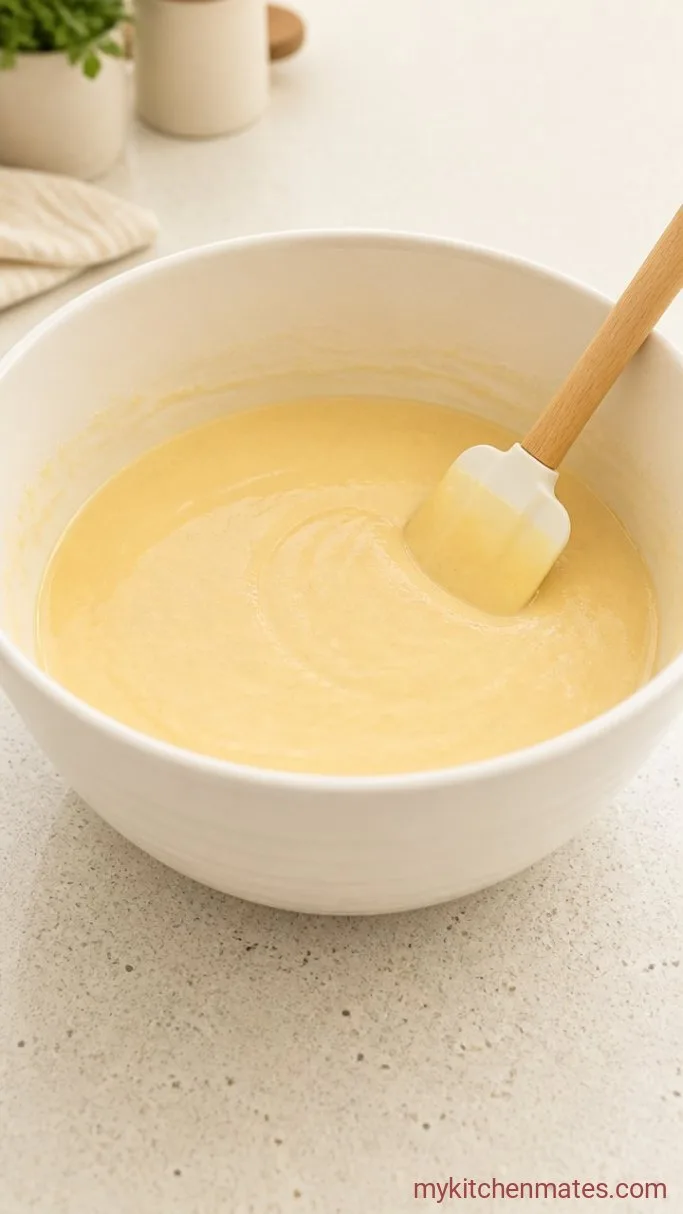
In a separate bowl, whisk together the 1¾ cups flour, 1½ tsp baking powder, ½ tsp baking soda, and ½ tsp salt. In a liquid measuring cup, stir the 2 large eggs, 2 tsp vanilla, and ¾ cup buttermilk until combined.
With the mixer on low, add a third of the flour mixture to the creamed butter and sugar, then half of the buttermilk mixture, and repeat until everything is just blended. Stop mixing as soon as the last streak of flour disappears. Overmixing at this stage can make the cake tough, so switch to folding by hand with a spatula if you see any dry pockets left.
Step 4: Pour the Batter Over the Topping
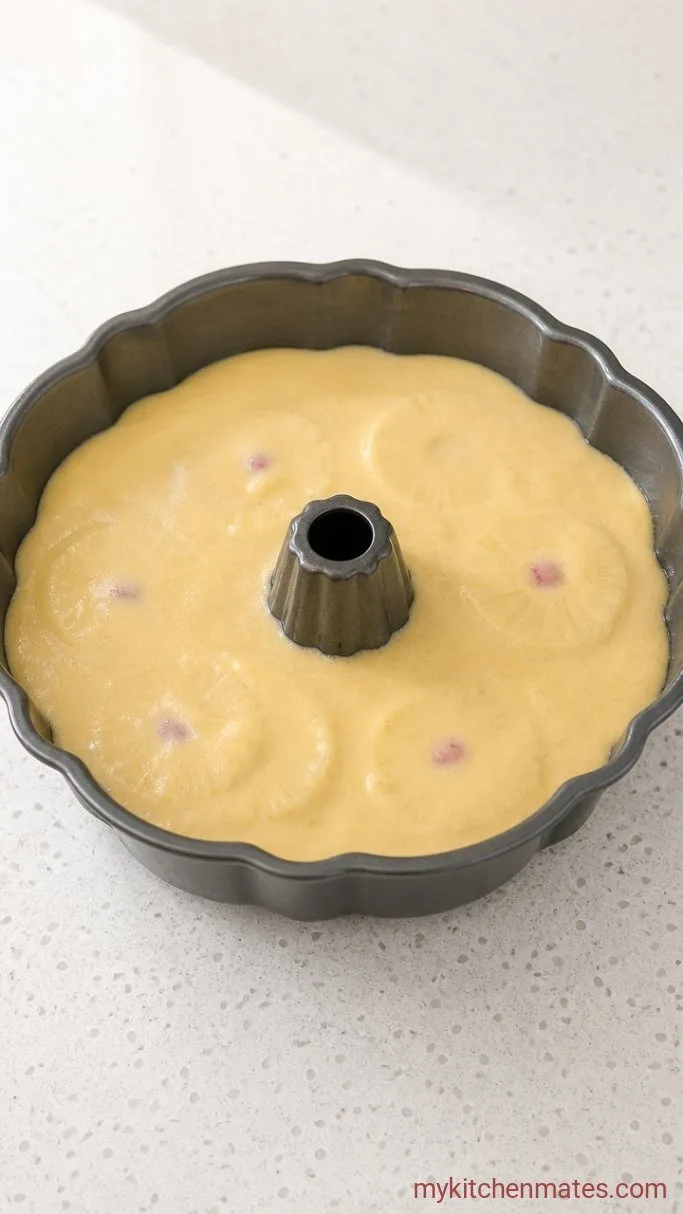
Spoon the thick batter in large dollops over the fruit and brown sugar in the Bundt pan. Spread it gently with a spatula so it reaches the edges and the surface is mostly even, but do not press hard enough to disturb the pineapple underneath.
The batter will cover the topping completely. Tap the pan lightly on the counter once to release any large air bubbles. You will notice the brown sugar starting to seep up around the edges already, which is a good sign.
Step 5: Invert and Reveal the Cake
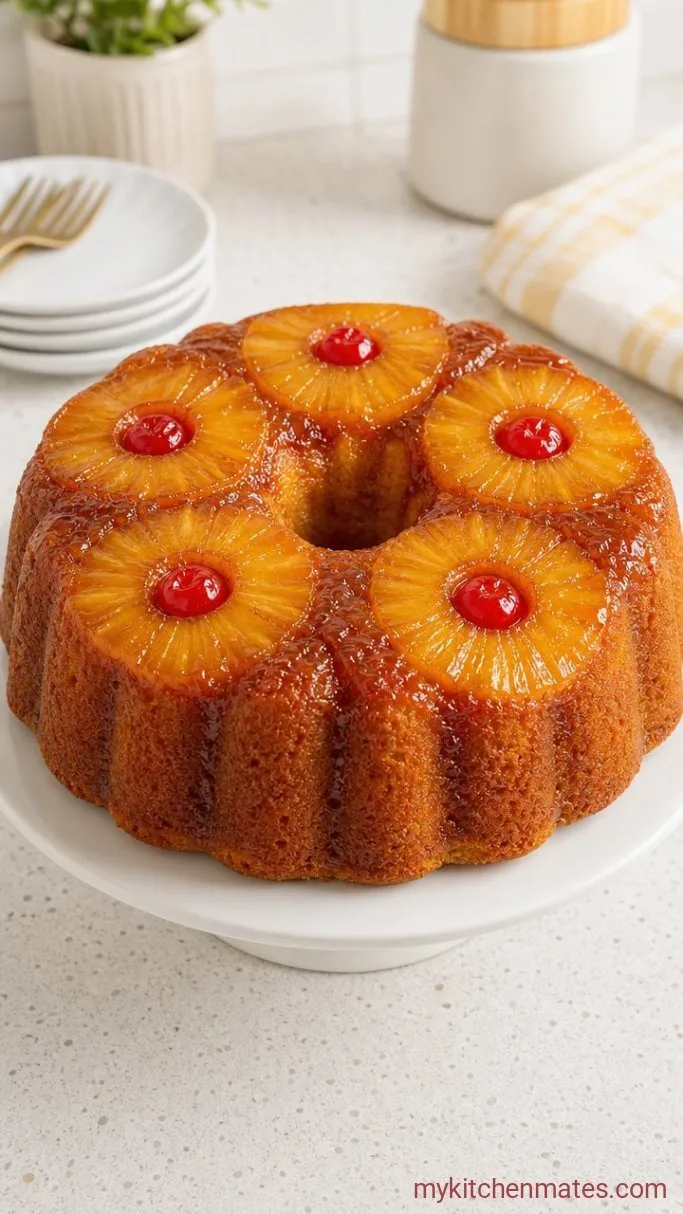
Bake for 45 to 50 minutes, until a toothpick inserted near the center comes out clean and the top springs back when pressed lightly. Let the cake cool in the pan on a wire rack for exactly 10 minutes. No longer, or the sugar can harden and stick.
Run a thin knife around the center tube and outer edge, then set a large plate or platter upside down over the pan. Holding both together firmly, flip them over in one confident motion. Lift the pan off slowly, and the cake will release with the glossy pineapple and cherry pattern sitting on top. Serve the cake while it is still warm, when the brown sugar glaze is soft and the crumb pulls apart easily.
Tips for a Clean Release and Perfect Cake
- Grease the Bundt pan with softened butter or a flour-based baking spray before pouring the melted butter and sugar in. Even with the butter in the topping, a light coating on the sides and center tube gives extra insurance.
- Drain the pineapple rings really well and blot them dry with paper towels. Extra juice makes the topping too watery and can create soggy gaps.
- Set a timer for the 10-minute cooling window. If you invert too soon the cake can break, and if it cools longer, the sugar tightens and the fruit sticks.
- Tap the pan after inverting but before lifting it off. A few firm taps with a wooden spoon on the bottom of the pan help any clinging fruit drop onto the cake.
- Stick to a light-colored metal Bundt pan if you have one. Dark metal pans brown the crust faster and can make the edges a little dry before the center is done.
Bake times vary by pan size and material.
| Pan Type | Bake Time |
|---|---|
| 10-cup light metal Bundt pan | 45 to 50 mins |
| 10-cup dark metal or coated | 40 to 45 mins |
| 12-cup Bundt pan | 38 to 43 mins |
Keeping the Cake Moist
- Refrigerate: wrap leftover cake tightly and store in the fridge for up to 4 days. The topping stays sticky, but the cake will firm up a bit when cold.
- Reheating: warm individual slices in the microwave for 15 to 20 seconds. The glaze softens and the crumb relaxes back to its tender baked texture.
- Serve cold: the cake is still good straight from the fridge, with a slightly denser crumb and chewier topping.
What to Serve With Pineapple Upside Down Bundt Cake
A scoop of vanilla ice cream melting over a warm slice balances the sticky sweetness with cold, creamy contrast. A dollop of lightly sweetened whipped cream works the same way but feels lighter. If you want a little sharpness, fresh raspberries or a spoonful of tart lemon curd cuts through the rich caramel notes.
Frequently Asked Questions
Can I use fresh pineapple instead of canned?
Yes, cut fresh pineapple into rings and pat them very dry. The cake may need an extra 5 minutes of bake time because fresh pineapple releases less liquid.
What if I don’t have a Bundt pan?
Use a 9-inch round cake pan. Layer the butter, brown sugar, and fruit the same way, then pour the batter on top. The bake time will be similar, about 40 to 45 minutes.
Can I leave out the cherries?
Absolutely. The cake is still beautiful with just pineapple rings, or you can scatter a few pecan halves in the spaces between the rings for a nutty crunch.
Pineapple Upside Down Bundt Cake Recipe
Ingredients
Method
- Preheat oven to 350°F (175°C). Melt 4 tbsp butter and pour into a greased 10-cup Bundt pan, tilting to coat. Sprinkle brown sugar evenly over butter, then arrange pineapple rings and cherries in a single layer.
- Beat ½ cup room-temperature butter and granulated sugar on medium speed until pale and fluffy, about 3 minutes.
- Whisk flour, baking powder, baking soda, and salt in a bowl. In another, mix eggs, vanilla, and buttermilk. Add dry and wet mixtures alternately to the creamed butter, mixing just until combined.
- Spoon batter over the fruit and spread gently. Tap the pan once on the counter.
- Bake 45 to 50 minutes until a toothpick comes out clean. Cool in the pan for 10 minutes, then loosen edges, invert onto a plate, and serve warm.
Notes
