
30-Minute Pad Thai Noodles

Pad Thai is the dish that makes you wonder why you ever dialled for takeout. Sweet, salty, sour, and just slippery enough with noodles, it’s a stir-fry that hits every note in one pan.
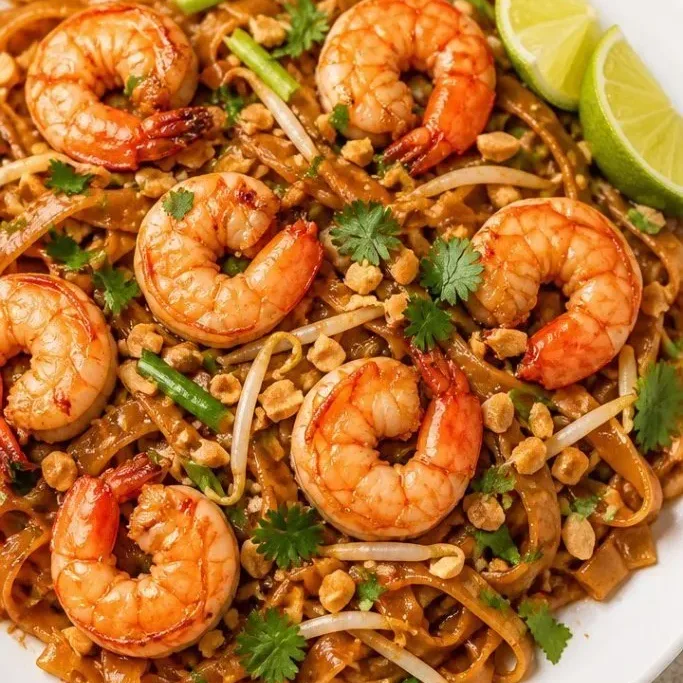
The real trick is getting the sauce right and the heat high enough to char the edges without turning the noodles to mush. Once you have that down, dinner lands on the table faster than the delivery app can load.
What Makes This Pad Thai So Good
The sauce uses tamarind paste, not powder, so it’s tangy and deep without being watery. That little bit of sourness is the soul of the dish, and it balances the fish sauce and brown sugar in seconds.
Shrimp cook separately and go back in at the end, which keeps them tender instead of dry. The eggs are scrambled right in the wok, soaking up the pan juices before the noodles even touch the heat.
The whole thing takes about 30 minutes if you soak the noodles while you prep everything else. It’s the only pad Thai recipe I come back to on a Tuesday.
Ingredients
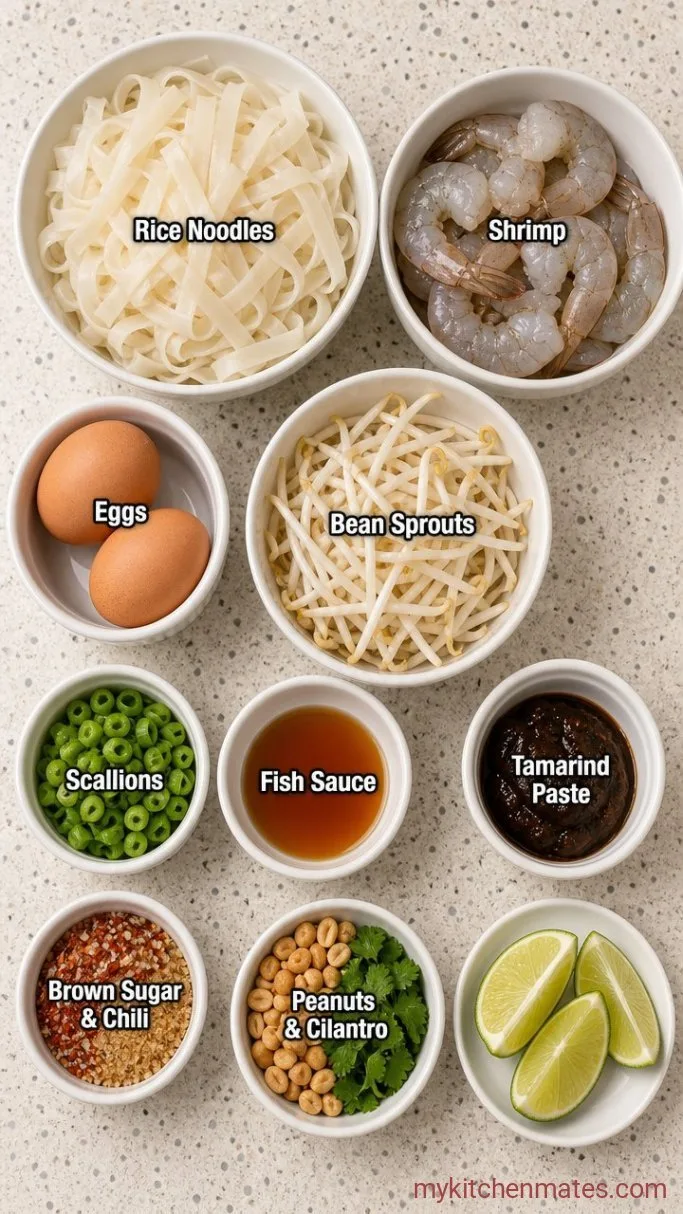
- 8 oz flat rice noodles: wide, medium thickness work best for stir-frying
- 8 oz large shrimp, peeled and deveined: or swap for thinly sliced chicken or pressed tofu
- 2 large eggs
- 1 cup bean sprouts
- 2 scallions, sliced into 2-inch pieces
- 3 tbsp fish sauce: use a good-quality brand, it’s the main salt source
- 2 tbsp tamarind paste (concentrate): look for it in the Asian aisle or a jar labelled “tamarind concentrate”
- 2 tbsp light brown sugar: palm sugar works too, break it up well
- 1 tbsp rice vinegar
- ½ tsp chili flakes or to taste
- 2 tbsp neutral oil: like vegetable or peanut oil
- ¼ cup chopped roasted peanuts
- 1 lime, cut into wedges
- Small handful fresh cilantro leaves
Simple Swaps
- Protein: Use sliced chicken thigh (3 to 4 mins) or cubed extra-firm tofu (pat dry, cook 4 to 5 mins) instead of shrimp. Cook them the same way, removing before the eggs.
- Vegetarian: Omit fish sauce and replace with an equal amount of soy sauce or vegan fish sauce. Skip the shrimp and egg, or keep the egg if you eat them.
- Sweetener: Light brown sugar gives a mild caramel note, but coconut sugar or palm sugar add a more authentic edge.
- Heat: Leave out the chili flakes or double them. A drizzle of sriracha at the table works nicely.
- Acid: If tamarind is hard to find, mix 1 tbsp lime juice with 1 tbsp rice vinegar as a quick stand-in, but the real thing is worth hunting down.
Spicy Thai Glass Noodle Salad makes a bright, easy side salad for these noodles.
How to Make Pad Thai Noodles
Step 1: Soak the Noodles
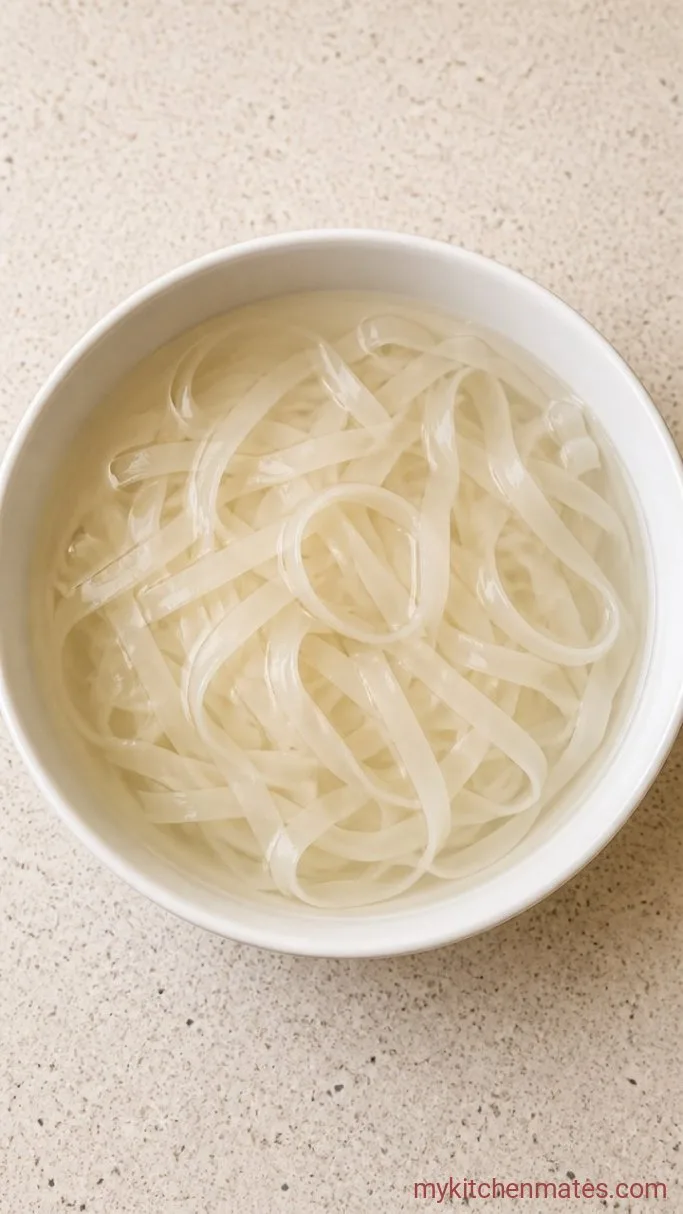
Place the 8 oz rice noodles in a large bowl and cover them with hot tap water. Let them sit for about 10 minutes until they are pliable but still have a firm core. Drain and rinse with cold water, then give them a good shake so they aren’t dripping wet.
You want the noodles to bend easily without snapping. If they feel fully soft now, they’ll turn to paste in the wok, so check a strand early and drain as soon as they hit that flexible-but-chewy stage.
Step 2: Whisk the Sauce
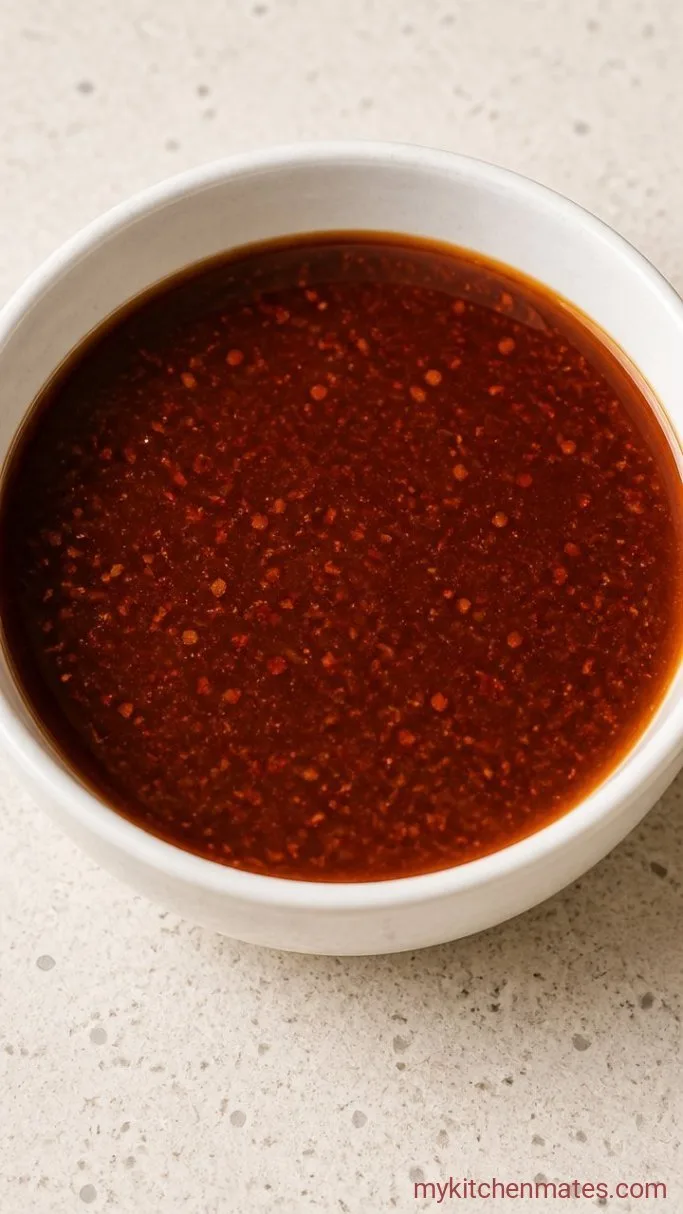
In a small bowl, stir together the 3 tbsp fish sauce, 2 tbsp tamarind paste, 2 tbsp brown sugar, 1 tbsp rice vinegar, and the chili flakes until the sugar dissolves. Taste it. It should be sharp and salty with a faint sweetness. If your tamarind is especially sour, add another teaspoon of sugar.
The sauce will look thin, and that’s fine. It thickens on the hot noodles. Give it another stir right before you pour it into the pan so nothing settles.
Step 3: Sear the Shrimp
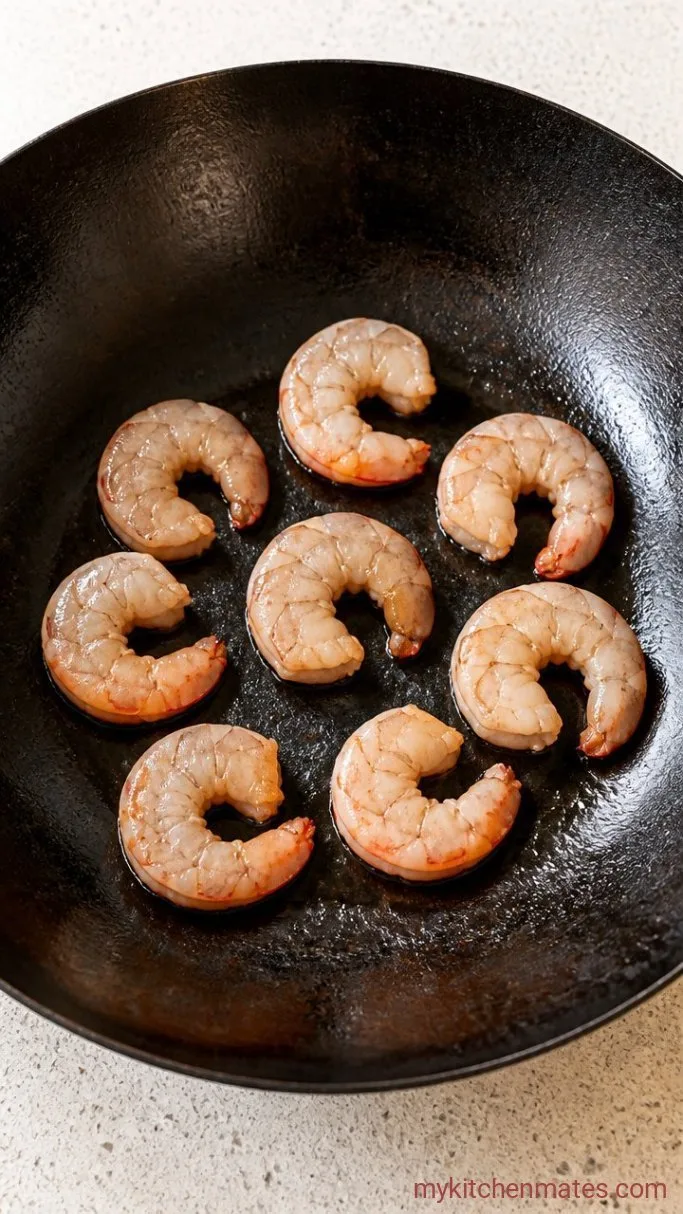
Heat 1 tbsp of oil in a wok or large skillet over high heat until it shimmers. Add the shrimp in a single layer and cook without moving them for 1 minute, then flip and cook 1 to 2 minutes more until pink and barely opaque. Scoop them onto a plate and set aside.
Work quickly and don’t crowd the pan. The shrimp should have a little colour on the edges, but they’re still going to finish in the final toss, so pulling them at this point stops them from turning rubbery.
Step 4: Scramble the Eggs
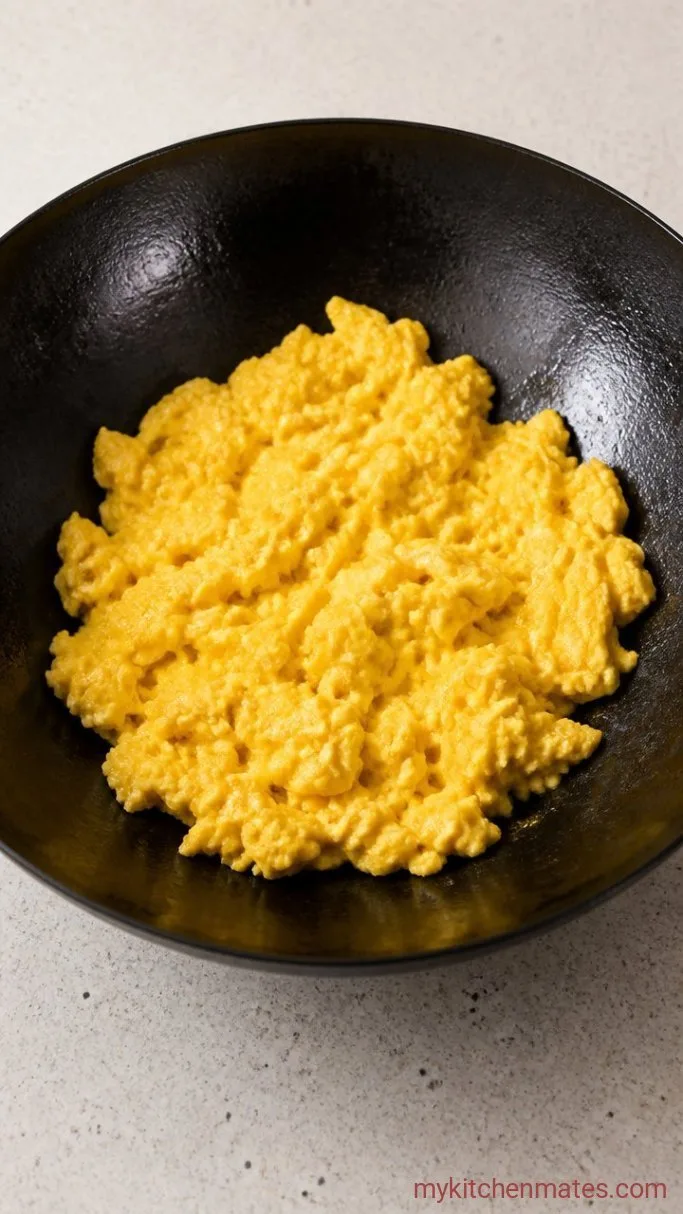
Add the remaining 1 tbsp oil to the hot pan. Crack both eggs straight in and let them set for about 20 seconds without stirring. Then push them around with a spatula, breaking them into large soft curds. Cook just until they’re set but still a little glossy.
The eggs will pick up any browned bits from the shrimp, which adds flavour. Don’t overcook them now because they’ll break apart further when you stir-fry the noodles a moment later.
Step 5: Toss and Serve the Pad Thai
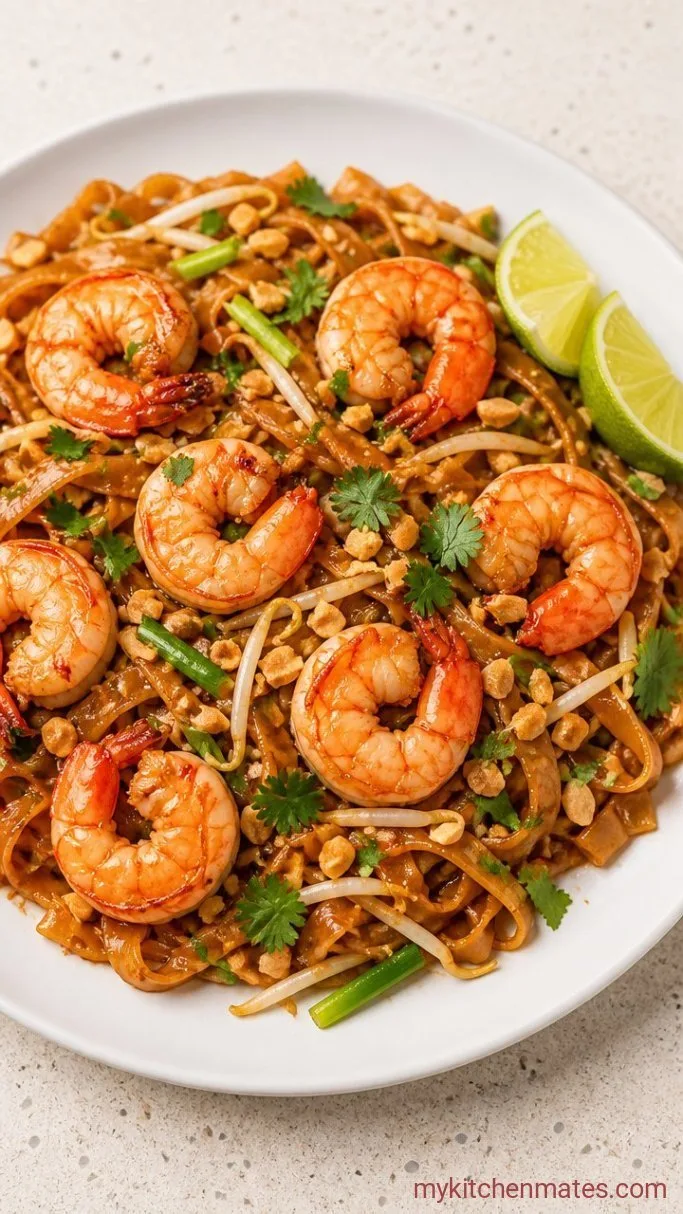
Add the drained noodles to the pan and pour the sauce over them. Use two spatulas or tongs to toss everything together over high heat for 1 to 2 minutes, lifting and separating the noodles so they coat evenly and soften completely. Return the shrimp to the pan along with the bean sprouts and scallions, and toss just until the sprouts wilt slightly, about 30 seconds.
Slide the pad Thai onto a serving plate or two shallow bowls. Scatter chopped peanuts and cilantro over the top, and tuck lime wedges on the side. The noodles should look glossy and charred at the edges, with no sauce pooling underneath. Serve right away while the whole thing is steaming.
Tips for the Best Pad Thai
- Get the wok screaming hot: before you add anything. The first drop of oil should ripple and smoke lightly. That high heat gives the charred, smoky edge you taste at street stalls.
- Prep everything before you light the stove.: Once the pan is hot, things move fast. Have the soaked noodles, sauce, shrimp, eggs, sprouts, and garnishes all within arm’s reach.
- Resist the urge to stir-fry more than one batch in a single go.: A crowded wok cools down fast and turns into a steamer, so double the recipe means cooking it in two rounds.
- Use flat, wide rice noodles labelled for pad Thai or stir-fry.: Round vermicelli rice noodles break down and clump under this kind of heat. Check the package thickness; you want the ones about ¼ inch wide.
If you’re swapping proteins, here are the adjusted cook times:
| Protein | Cook time (total) | Notes |
|---|---|---|
| Shrimp | 2 to 3 mins | Pink and opaque |
| Chicken (thinly sliced) | 3 to 4 mins | Cook until no longer pink inside |
| Tofu (pressed, cubed) | 4 to 5 mins | Golden and crisp on all sides |
Storing Leftover Pad Thai
- Refrigerate: leftovers in a sealed container for up to 3 days. The noodles will soften a little as they sit, but the flavour holds.
- Reheat: in a hot skillet with a tiny splash of water to loosen the noodles. Stir-fry for 2 to 3 minutes. A microwave works too, though the edges won’t crisp back up.
What to Serve With Pad Thai Noodles
A simple cucumber salad with rice vinegar and a pinch of sugar cuts through the richness of the stir-fry. Cold beer or a glass of barely sweet Thai iced tea rounds out the meal without competing with the salty-sour sauce.
Frequently Asked Questions
Can I make pad Thai without tamarind?
You can, but it won’t taste the same. In a pinch, mix equal parts lime juice and rice vinegar with a little brown sugar, though the real sour punch comes from tamarind.
Is pad Thai gluten free?
Generally yes if you use fish sauce (check the label) and skip soy-based additions. Rice noodles, tamarind, and the other ingredients here are naturally gluten free.
My sauce tastes too salty. What now?
Add a little more lime juice and brown sugar until the balance comes back. You can also stir in a few extra bean sprouts at the end to mute the saltiness.
Can I double this for a crowd?
Yes. Just cook it in separate batches rather than piling everything into one pan. Two pans going at once works if you have the space, but each batch needs its own high heat.
30-Minute Pad Thai Noodles Recipe
Ingredients
Method
- Soak noodles in hot water for 10 minutes until pliable; drain and rinse.
- Whisk fish sauce, tamarind, brown sugar, rice vinegar, and chili flakes until smooth.
- Sear shrimp in hot oil over high heat until pink, about 2-3 minutes; remove to a plate.
- Crack eggs into the same pan, scramble briefly until just set.
- Add noodles and sauce to the pan; toss for 1-2 minutes, then return shrimp with sprouts and scallions, tossing until hot. Serve topped with peanuts, cilantro, and lime wedges.
Notes
