
Old-Fashioned Orange Cake (A Vintage Loaf)

This orange cake is the kind of simple, sturdy loaf that you’d find tucked into a well-worn recipe box. It’s moist, citrusy, and made with everyday ingredients you likely have on hand.
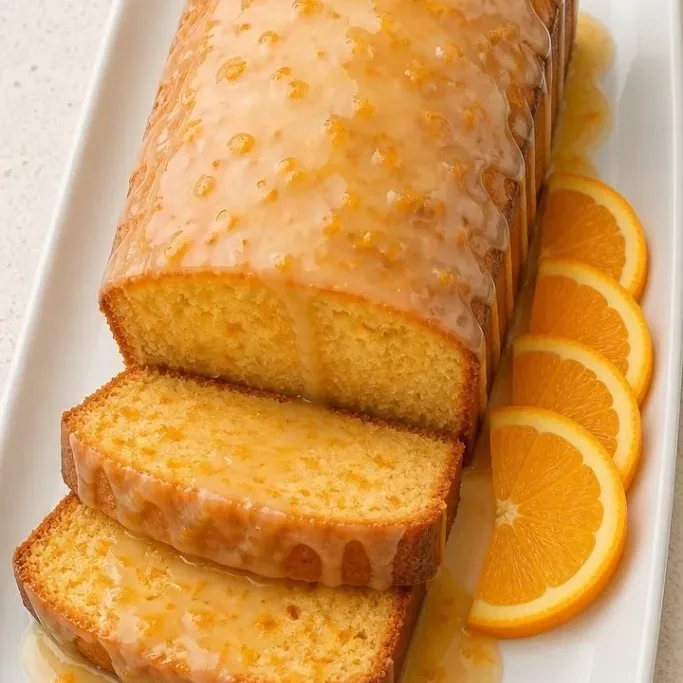
No mixer required, just a bowl and a whisk. The crumb is tender from buttermilk and fresh orange zest, and a glossy orange glaze soaks right in while it cools.
Why This Orange Cake Works
The buttermilk does double duty here. It reacts with the baking soda to give the cake a fine, even rise and keeps it from drying out for days.
Fresh zest is non-negotiable. It brings a bright, aromatic orange flavor that bottled juice alone cannot match, and you’ll smell it the moment the loaf hits the oven.
Ingredients
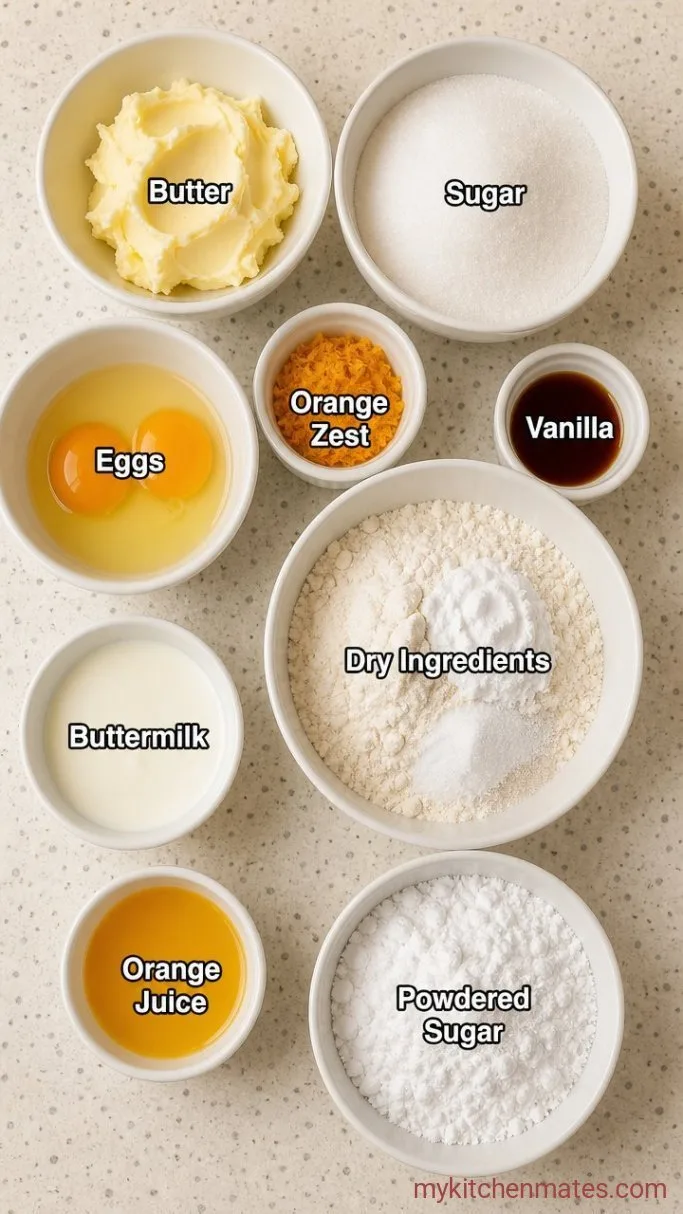
- 1/2 cup unsalted butter, softened: brings richness; let it sit out for 30 minutes before starting.
- 1 cup granulated sugar: sweetens and helps aerate the butter when whisked.
- 2 large eggs: at room temperature so they blend in smoothly.
- 1 tbsp fresh orange zest: from about 2 medium oranges; use a microplane for fine flecks.
- 1 tsp vanilla extract: rounds out the citrus.
- 2 cups all-purpose flour: spooned and leveled, not scooped.
- 1 1/2 tsp baking powder: gives the cake its lift.
- 1/2 tsp baking soda: reacts with the acidic buttermilk for tenderness.
- 1/2 tsp fine sea salt: balances the sweetness.
- 1/2 cup buttermilk: thick, cultured buttermilk works best; see substitutions if you don’t have any.
- 3 tbsp fresh orange juice: from the zested oranges, for the batter.
Glaze
- 1 cup powdered sugar: sift if it’s lumpy.
- 2 to 3 tbsp fresh orange juice: to reach a thick, pourable consistency.
- 1 tsp orange zest: optional, for extra flecks of color and zing.
Variations / Substitutions
- Use oil instead of butter: swap the softened butter for 1/2 cup neutral vegetable oil. The cake will be a bit more tender and stay moist even longer.
- No buttermilk?: stir 1 1/2 tsp lemon juice or white vinegar into 1/2 cup whole milk and let it sit 5 minutes until thickened.
- Lemon twist: Replace all orange zest and juice with lemon zest and lemon juice. You’ll get a sharp, sunny loaf.
- Add a spice: 1/2 tsp cardamom or a pinch of nutmeg folded into the dry ingredients gives a subtle warmth.
Lemon Raspberry Loaf Cake is another dessert you’d probably love if you enjoy this cake.
How To Make Old-Fashioned Orange Cake
Step 1: Whisk the Butter and Sugar
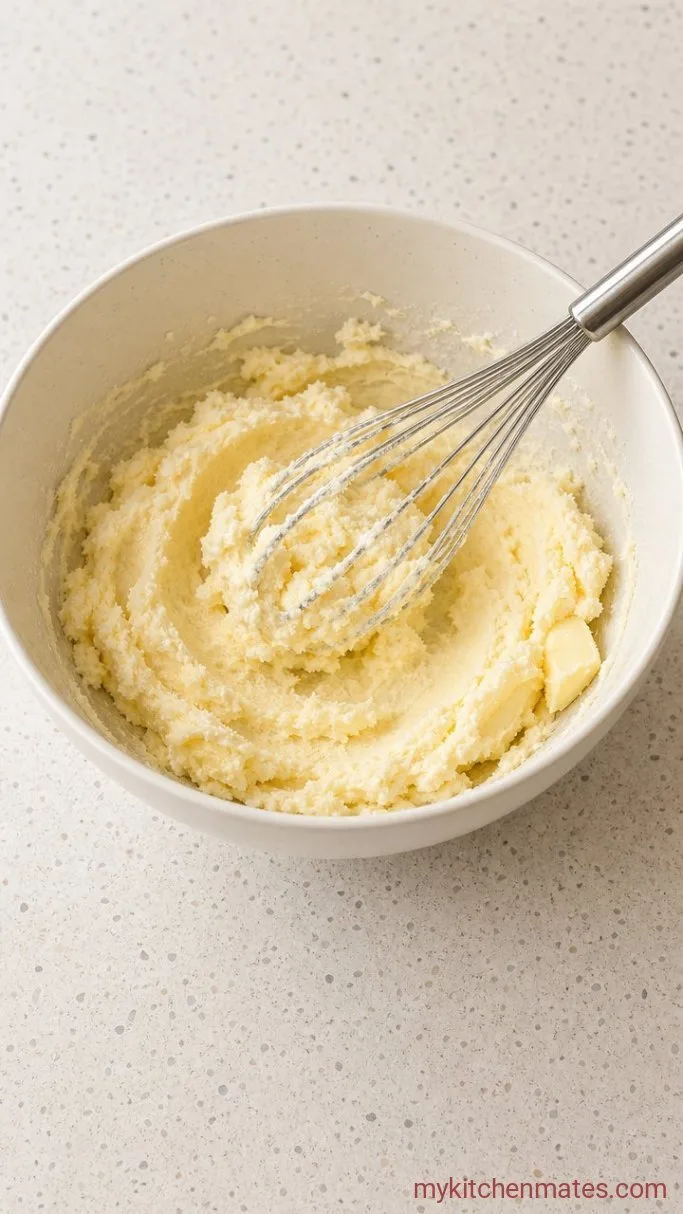
Preheat your oven to 350°F (175°C) and line a 9×5-inch loaf pan with parchment paper, leaving a little overhang on the long sides. In a large mixing bowl, whisk the softened 1/2 cup butter and 1 cup sugar until the mixture looks pale and fluffy, about 2 minutes.
You’re not after a stiff, airy mousse like you would with an electric mixer. It should look like damp sand with a few small clumps of butter still visible.
Step 2: Add the Eggs and Orange Aromatics
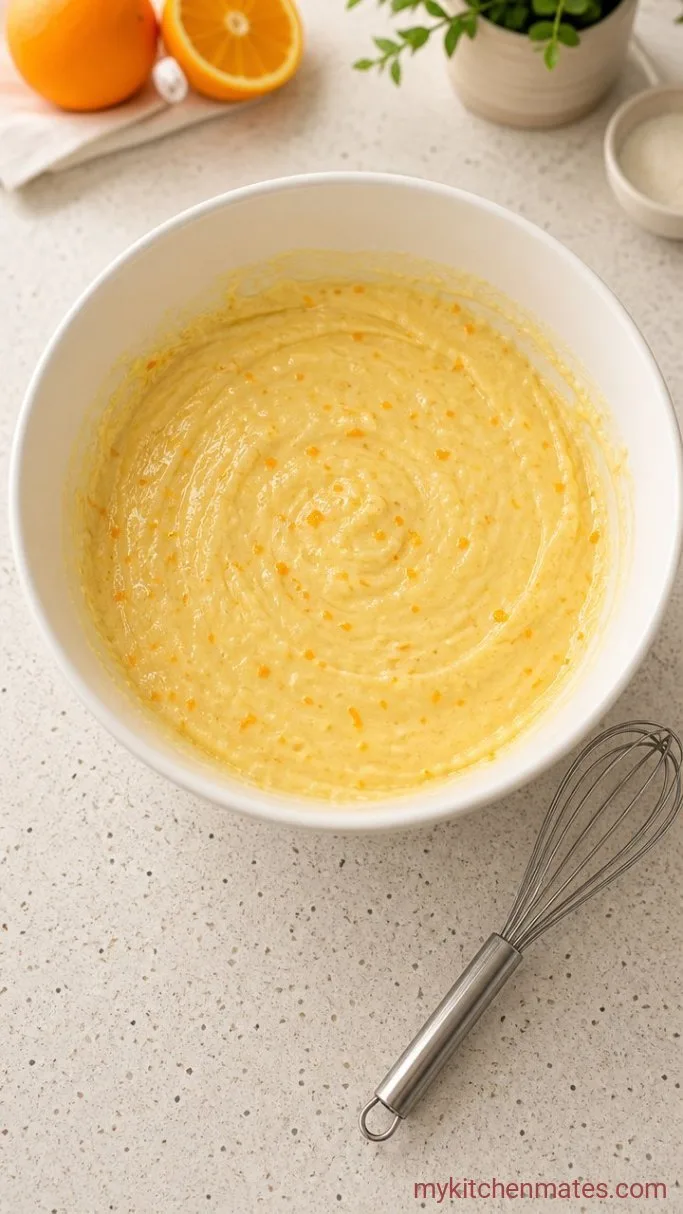
Crack the 2 eggs into the bowl one at a time, whisking well after each until the batter smooths out. Then whisk in the 1 tbsp orange zest, 3 tbsp orange juice, and 1 tsp vanilla. The mixture will look slightly curdled at first, but it will come together.
The scent at this stage is already a preview of what’s to come: bright, fresh, and a little buttery. Resist the urge to speed through, as taking a beat here helps the eggs emulsify properly.
Step 3: Fold the Dry Ingredients and Buttermilk
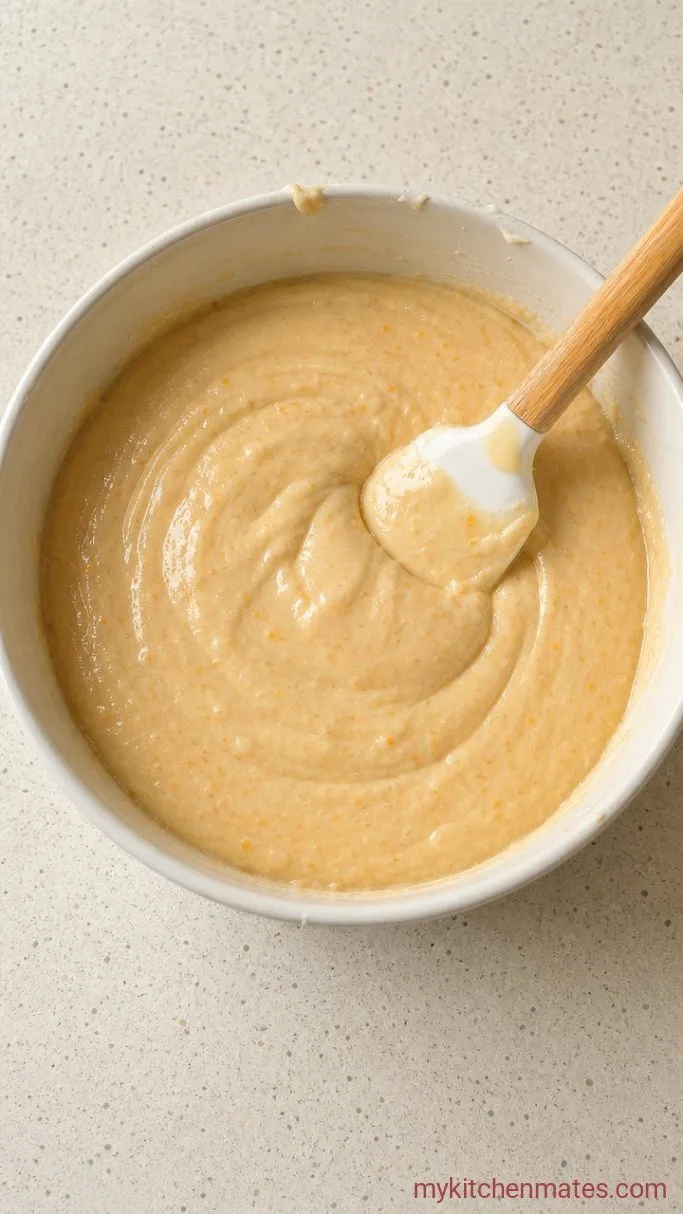
In a separate bowl, whisk together the 2 cups flour, 1 1/2 tsp baking powder, 1/2 tsp baking soda, and 1/2 tsp salt. Add half of this dry mix to the wet ingredients and fold just a few times with a spatula. Pour in the 1/2 cup buttermilk and fold again until almost blended. Finish with the remaining dry mix and fold until no floury streaks remain, about 10 to 12 strokes total.
A few small lumps are perfectly fine. overmixing at this point develops gluten and makes the crumb tough, so stop the moment the streaks disappear.
Step 4: Bake the Loaf
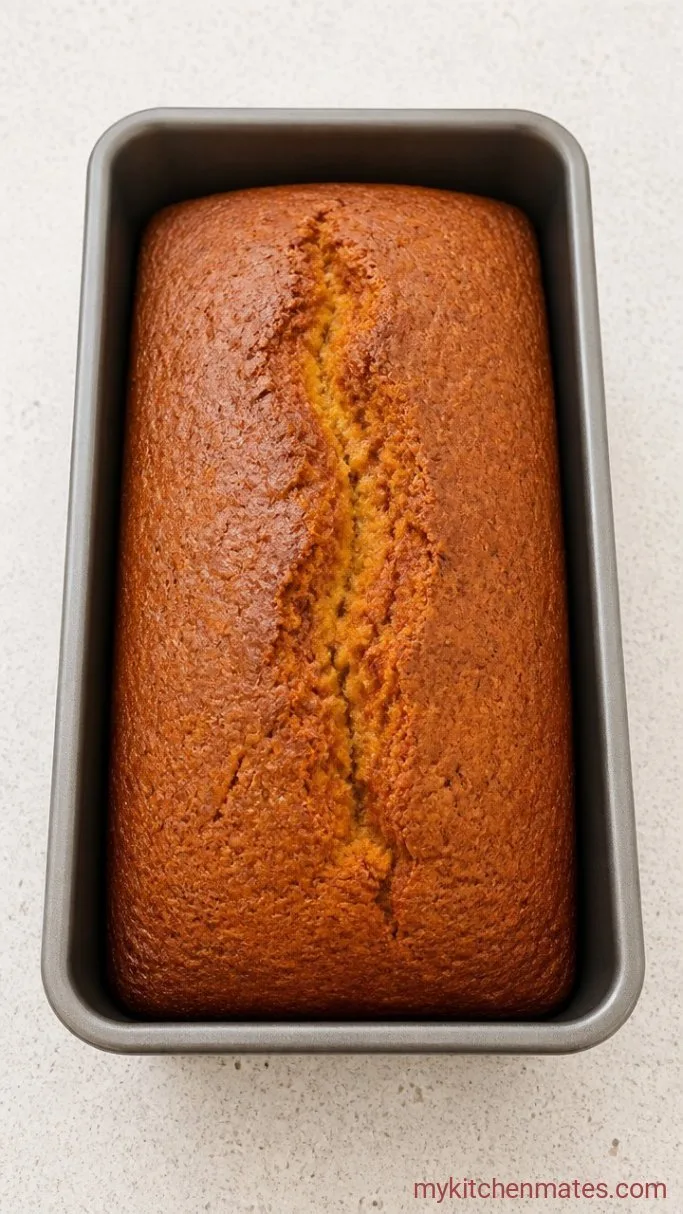
Scrape the batter into the prepared pan and spread it even with the back of a spoon. Bake on the middle rack for about 50 to 55 minutes. The cake is done when the top is golden brown and a toothpick inserted in the center comes out clean or with a few moist crumbs.
You might notice a crack running along the top. That’s a good sign; it means the center sprang up before the crust set. If the top browns too fast before the middle is baked, tent it loosely with foil during the last 10 minutes.
Step 5: Glaze and Slice
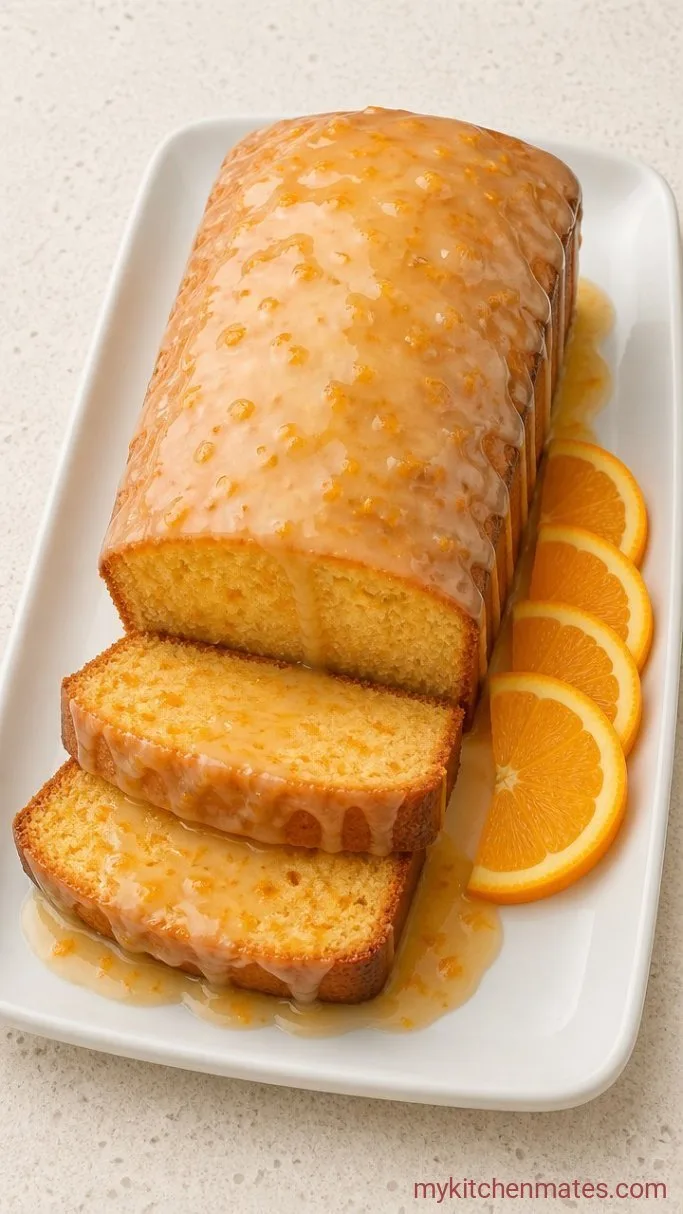
Let the cake cool in the pan on a rack for 10 minutes, then lift it out using the parchment and set it directly on the rack to cool completely. Once cooled, stir the 1 cup powdered sugar with 2 tbsp of the fresh orange juice until thick and smooth; add the last tablespoon of juice a little at a time only if needed to reach a thick, ribbon-like consistency. Stir in the extra teaspoon of zest if you like, then pour the glaze over the top of the loaf, letting it drip down the sides.
Slice and serve while the glaze is still slightly sticky, and you’ll get those clean, glossy slices that taste like old-fashioned citrus candy.
A Few Notes Before You Start
- The glaze is easiest to control when the cake is fully cool. If you pour it over a warm cake, it will thin out and soak right in rather than sitting on top.
- Spoon your flour into the measuring cup and level it off. A heavy hand with flour leads to a dry, crumbly loaf.
- If your oranges have thin skins, you may only need one large orange for all the zest and juice the recipe calls for.
Bake times by pan:
| Pan size | Temp | Time |
|---|---|---|
| 9×5-inch loaf pan | 350°F | 50-55 mins |
| 8-inch bundt pan | 350°F | 40-45 mins |
| 12 muffin cups | 375°F | 18-22 mins |
Storing Leftovers
- Refrigerate: Wrap the cooled, glazed loaf tightly in plastic wrap or store in an airtight container. It keeps well in the fridge for up to 4 days. The glaze may soften slightly.
- Reheating: A 10-second zap in the microwave warms a slice and brings back that buttery crumb.
- Serve cold: This cake is lovely straight from the fridge with coffee.
What To Serve With Old-Fashioned Orange Cake
Pour a cup of strong black coffee or Earl Grey tea. The slight bitterness cuts through the sweet, bright glaze. A scoop of softly whipped cream or a spoonful of plain Greek yogurt alongside a slice adds a creamy, tangy contrast without masking the orange flavor.
Frequently Asked Questions
Can I use bottled orange juice instead of fresh?
Yes, but the flavor will be flatter and less aromatic. Fresh juice, especially from zested oranges, gives the batter and glaze a brighter punch.
Why did my glaze turn out too runny?
You likely added too much juice at once. Next time, start with only 2 tbsp and add the remaining juice a few drops at a time until it reaches a thick, flowing consistency.
How do I prevent the cake from sticking to the pan?
Lining the pan with parchment paper, with a little overhang on the long sides, makes lifting the loaf out simple. Even with a greased pan, parchment is a safer bet for this sticky batter.
Can I freeze this cake?
Yes, freeze the unglazed loaf wrapped tightly for up to 2 months. Thaw overnight in the fridge, then glaze and serve. You can also freeze individual glazed slices with wax paper between them.
Old-Fashioned Orange Cake Recipe
Ingredients
Method
- Preheat oven to 350°F. Line a 9×5-inch loaf pan with parchment. Whisk butter and sugar until pale and fluffy, about 2 minutes.
- Beat in eggs one at a time, then whisk in orange zest, vanilla, and 3 tbsp orange juice.
- In a separate bowl, whisk flour, baking powder, baking soda, and salt. Fold half into the wet mix, add buttermilk, then fold in the rest until just combined.
- Scrape batter into the pan and bake 50-55 minutes until golden and a toothpick comes out with moist crumbs. Cool in pan 10 minutes, then lift out and cool completely on a rack.
- Stir powdered sugar with 2 tbsp orange juice and optional zest. Add remaining juice a few drops at a time if needed to reach a thick, pourable glaze. Pour over cooled loaf and let set before slicing.
Notes
