
Chewy Orange Sugar Cookies with a Bright Citrus Glaze

Orange sugar cookies bring a sunny bolt of citrus to the classic soft sugar cookie. They’re the kind of treat you can pull together on a weeknight, with just enough tang in the glaze to balance the sweet, buttery dough.

The recipe uses real orange zest and juice, so the flavor is bright and natural, never candy-like. Bake them until the edges are just golden and the centers stay plump and tender.
What Makes These Orange Cookies Work
The dough gets a double hit of orange: zest rubbed into the sugar and a splash of juice in the wet mix. That method pulls all the citrus oils out of the zest, so every bite carries genuine orange flavor.
The glaze is dead simple but essential. It sets up with a slight crunch and a whisper of tang that cuts through the butter and makes the cookie feel a little more special.
Ingredients
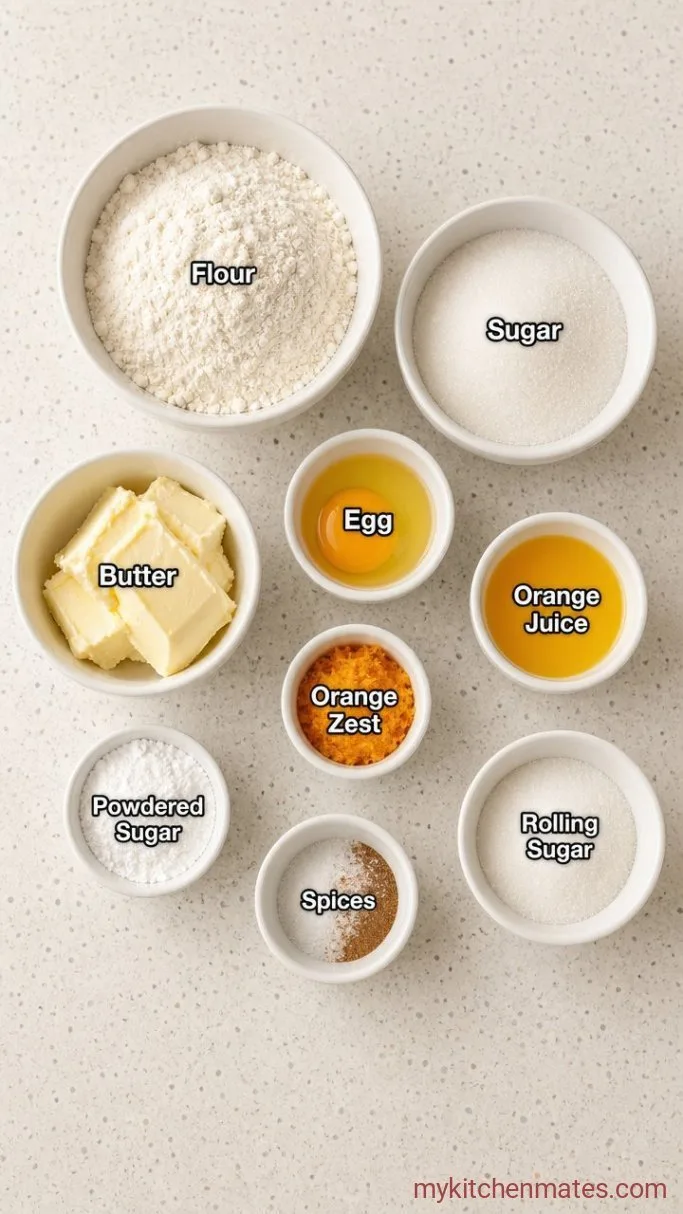
- 2 ¼ cups (280g) all-purpose flour: use the spoon-and-level method so the cookies stay soft.
- 1 tsp cream of tartar: key for the chewy texture; do not skip.
- ½ tsp baking soda
- ½ tsp fine sea salt
- 1 cup (226g) unsalted butter, softened: let it sit out 30–45 minutes.
- 1 ½ cups (300g) granulated sugar, plus more for rolling
- 1 large egg, room temperature
- 2 tbsp freshly squeezed orange juice
- 2 tbsp finely grated orange zest (from about 2 oranges): pack the zest lightly.
- 1 tsp vanilla extract: optional but rounds out the citrus.
For the glaze:
- 1 cup (120g) powdered sugar
- 2–3 tbsp freshly squeezed orange juice
- Pinch of orange zest (for topping)
Variations / Substitutions
- Lemon instead of orange: swap the zest and juice for lemon for a brighter, tangier cookie.
- Lime for a sharper kick: use lime zest and juice, and consider adding a little coconut extract.
- Skip the cream of tartar: you can leave it out, but the cookies will be slightly less chewy and more crisp. If you want a softer, cakier cookie, try the lemon ricotta cookies on the site.
Soft and Chewy Lemon Sugar Cookies are next on our list if these cookies are your kind of dessert.
How to Make Orange Sugar Cookies
Step 1: Whisk the Dry Ingredients
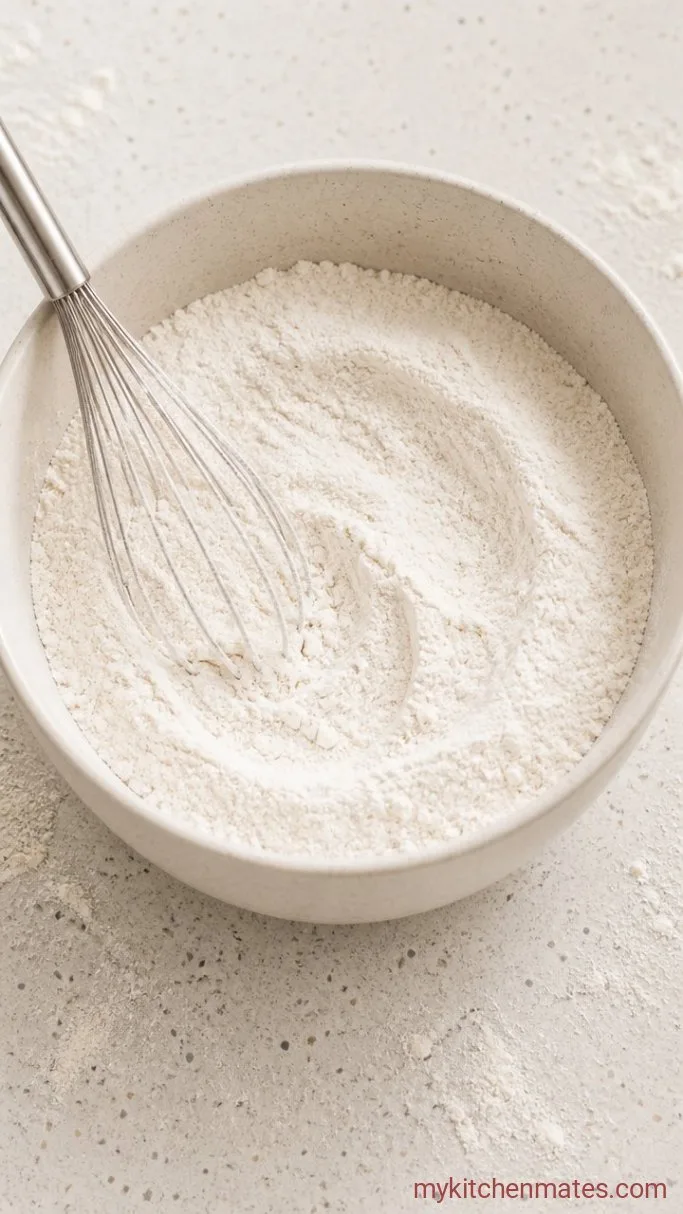
Preheat the oven to 350°F (175°C) and line two baking sheets with parchment. In a medium bowl, whisk together the 2 ¼ cups flour, 1 tsp cream of tartar, ½ tsp baking soda, and ½ tsp salt to break up any lumps.
The dry mix will look like plain flour; that’s fine. A quick whisk distributes the leavening evenly, so you don’t get one cookie with a bitter soda pocket.
Step 2: Cream the Butter and Sugar
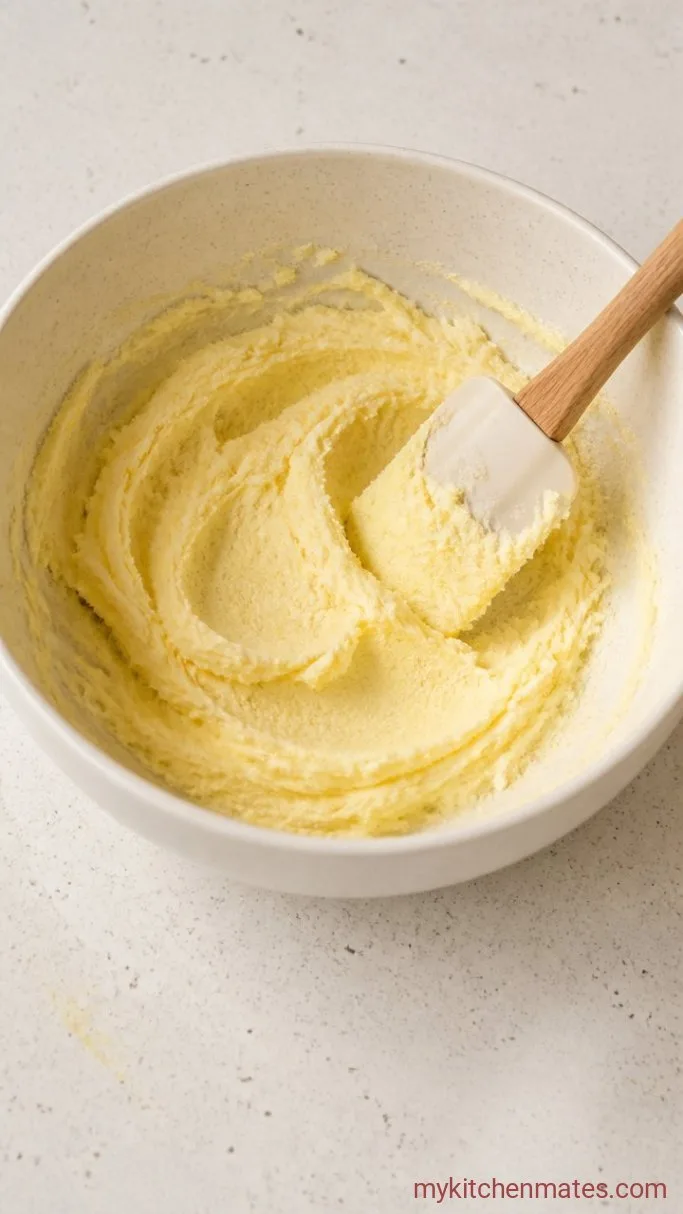
In a large bowl, beat the 1 cup softened butter and 1 ½ cups sugar with an electric mixer on medium-high until pale and fluffy, about 2 minutes. Scrape down the bowl, then beat in the egg, 2 tbsp orange zest, 2 tbsp orange juice, and vanilla extract until combined. The mixture may look slightly curdled from the juice, but it will smooth out with the flour.
The creaming step whips air into the butter, which gives the cookies lift and keeps them tender. When it’s ready, the mixture should be noticeably lighter in color and soft enough that it smears easily against the bowl.
Step 3: Shape the Dough and Chill
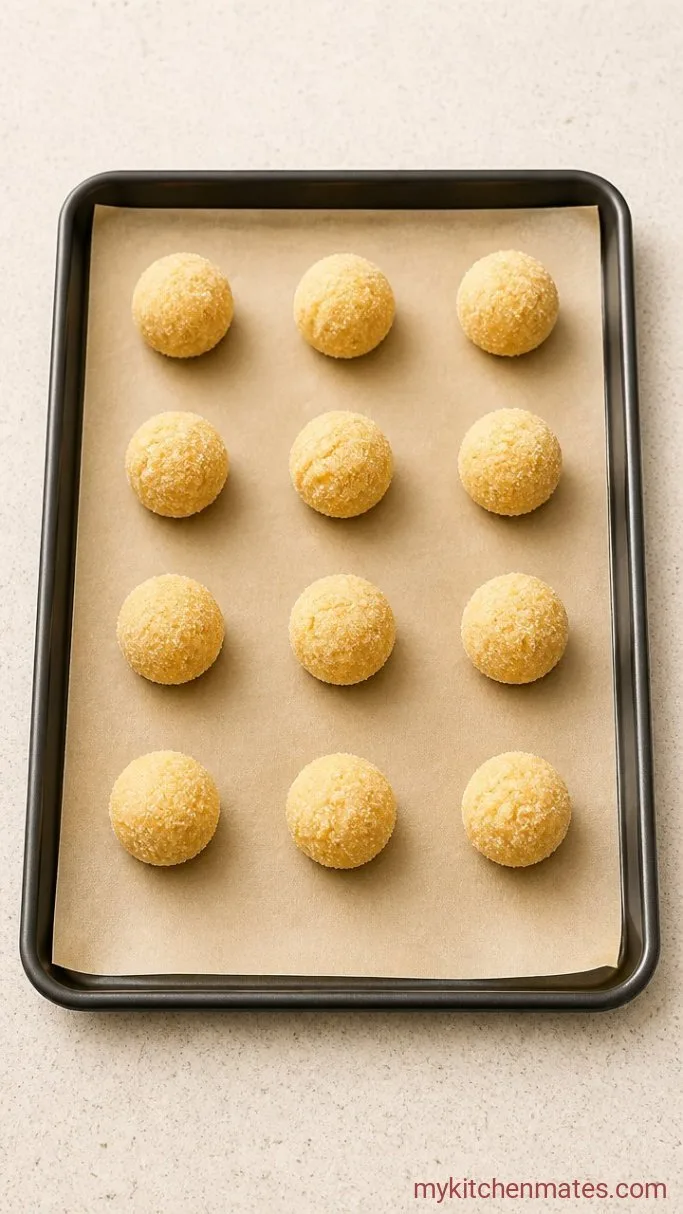
Add the dry ingredients in two additions, mixing on low just until no white streaks remain. Scoop rounded tablespoon-sized balls of dough (about 1 ½ tbsp each) and roll them in a shallow bowl of extra granulated sugar until coated. Place them 2 inches apart on the prepared baking sheets, then refrigerate the sheets for 30 minutes to firm up the dough.
Chilling is the secret to thick, soft centers. The cold dough spreads more slowly in the oven, so the cookies stay plump instead of turning into thin discs. You’ll see the sugar coating sparkle on the chilled dough balls.
Step 4: Bake Until Just Golden
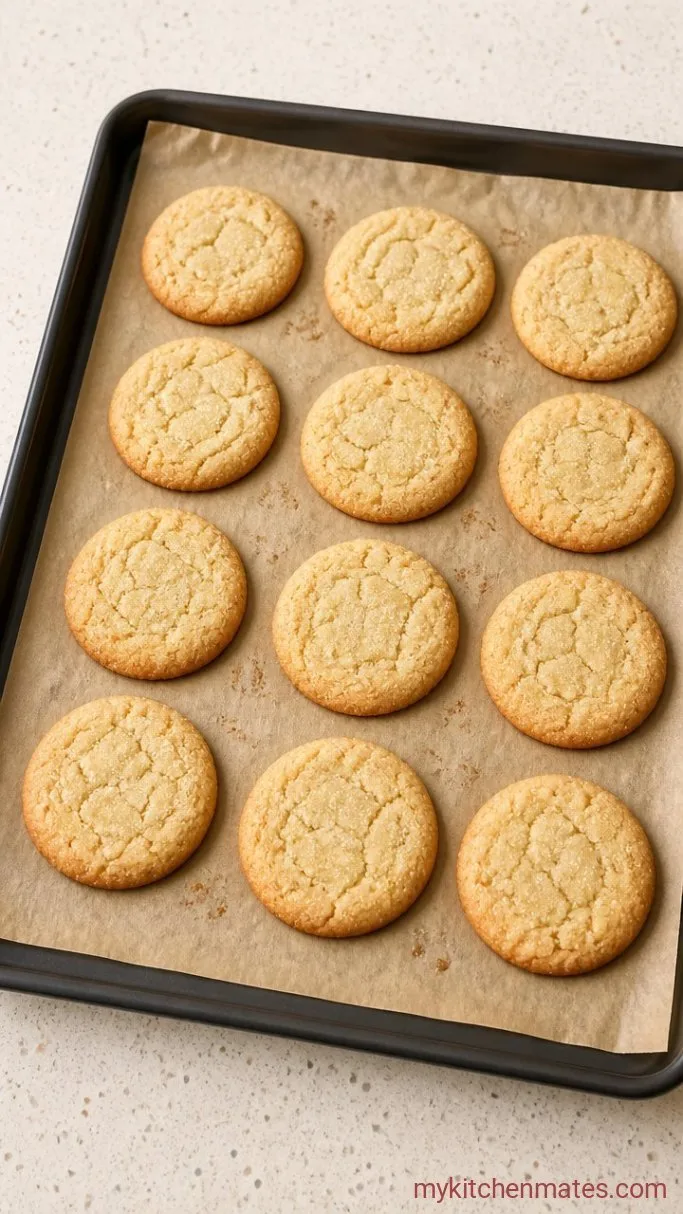
Bake one sheet at a time on the middle rack for 10 to 12 minutes, until the edges are set and just barely golden, but the centers still look slightly soft and puffy. Rotate the pan halfway through. Let the cookies cool on the baking sheet for 5 minutes, then transfer to a wire rack to cool completely before glazing.
The cookies will puff up and then gently fall as they cool, giving them that classic crinkly top. Don’t wait for the centers to look fully baked in the oven or they’ll turn out dry.
Step 5: Glaze the Cookies

While the cookies cool, whisk the 1 cup powdered sugar with 2 tbsp of orange juice in a small bowl until smooth. Add more juice, a few drops at a time, if you like a thinner glaze. Once the cookies are cool, drizzle or spread a thin layer of glaze over each one, then sprinkle a few flecks of fresh orange zest on top for extra color and a burst of citrus aroma. Let the glaze set for about 10 minutes before stacking.
Baking Tips for Good Texture
- Measure flour gently.: Spoon the flour into the measuring cup and level it with a knife. Scooping straight from the bag packs in too much and makes dry cookies.
- Chill the dough at least 30 minutes.: Every extra 15 minutes in the fridge makes the cookies slightly thicker and chewier, so if your kitchen is warm, aim for the full 45.
- Watch the bake time closely.: The window between underbaked and dry is only a minute or two. Pull the sheet when the centers still look soft; they’ll set as they cool.
- Warm the glaze juice for a shinier finish.: Heating the orange juice just until lukewarm helps the powdered sugar dissolve into a glossy, smooth glaze that sets with a slight sheen.
Bake times by pan type:
| Pan Type | Bake Time |
|---|---|
| Light aluminum | 10–12 minutes |
| Dark nonstick | 8–10 minutes |
Storing and Freezing
Store glazed cookies in an airtight container at room temperature for up to 4 days. Tuck a slice of bread in the container to keep them soft. For longer storage, freeze unglazed cookies for up to 3 months. Thaw at room temperature, then glaze fresh before serving for the best texture.
Frequently Asked Questions
Can I use bottled orange juice?
Bottled juice works in a pinch, but fresh juice gives the glaze a much brighter, less candy-like taste. For the zest, you need fresh oranges anyway, so squeeze what you have.
Can I make the dough ahead of time?
Yes. Wrap the mixed dough (before chilling) tightly in plastic and refrigerate it for up to 2 days. Let it sit at room temperature for 10 minutes to soften slightly before scooping and shaping, then continue with chilling on the baking sheet.
Can I freeze unbaked dough balls?
Absolutely. Roll the dough balls in sugar, place them on a lined sheet, and freeze until solid. Transfer to a zip-top bag and freeze for up to 3 months. Bake straight from frozen, adding 1–2 extra minutes to the bake time. No need to thaw first.
Why did my cookies spread flat?
Flat cookies usually mean the dough wasn’t cold enough or the butter was too soft. Make sure you chill the shaped dough for at least 30 minutes, and check that your butter is softened but not greasy or melted before creaming.
Orange Sugar Cookies Recipe
Ingredients
Method
- Preheat the oven to 350°F (175°C) and line two baking sheets with parchment. Whisk flour, cream of tartar, baking soda, and salt in a medium bowl.
- Beat butter and sugar until pale and fluffy, about 2 minutes. Mix in egg, orange zest, orange juice, and vanilla. The mixture may look curdled.
- Add dry ingredients in two additions, mixing on low just until combined. Scoop tablespoon-sized dough balls, roll in sugar, place on sheets 2 inches apart, and refrigerate 30 minutes.
- Bake one sheet at a time for 10–12 minutes, until edges are just golden and centers still look soft. Cool on the pan 5 minutes, then transfer to a rack.
- Whisk powdered sugar with 2 tbsp orange juice until smooth. Drizzle or spread over completely cooled cookies, top with zest, and let set 10 minutes.
Notes
