
Sticky Orange Marmalade Loaf Cake

This orange marmalade loaf cake is the one I turn to when I want a bright, unfussy dessert that uses up the half-empty jar in the fridge. It bakes into a golden, tender loaf with little bursts of jammy citrus in every slice.
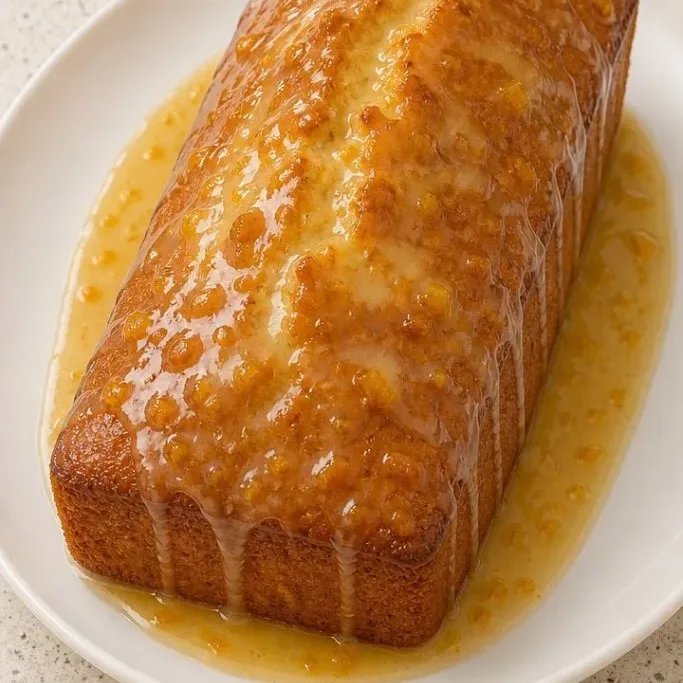
A glossy marmalade glaze sets on top so it’s just sticky enough, and the crumb stays soft for days. It’s the kind of cake that feels a bit special without asking much from you.
Why This Loaf Cake Earns a Spot
I love recipes that reward you for using what’s already in the kitchen. A jar of marmalade that’s been sitting on the door shelf suddenly becomes the star, stirred right into the batter and whisked into the glaze.
This cake has a tight, even crumb that slices cleanly but still melts on your tongue. The marmalade in the batter keeps it from drying out, while fresh orange zest brightens the whole thing without being pushy.
It comes together in one bowl with a hand mixer and bakes into a tall, fragrant loaf. No fussy layers or frosting, just a simple cake that tastes as good on day three as it does the day you bake it.
Ingredients
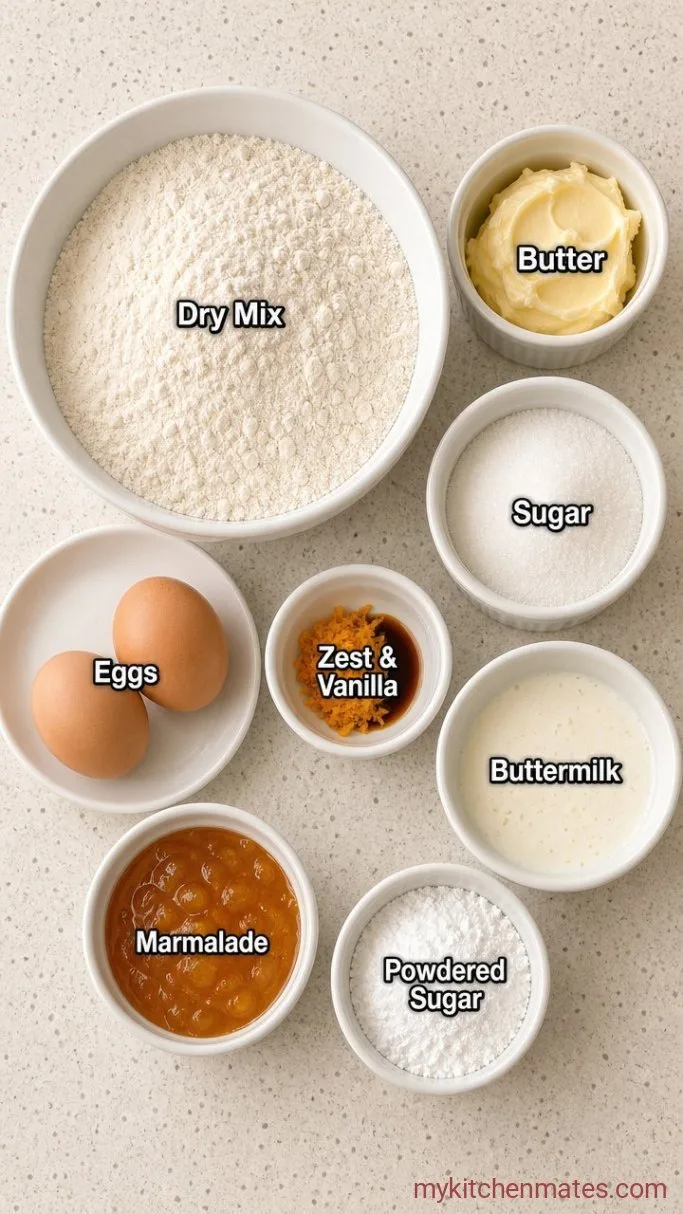
- 2 cups (250 g) all-purpose flour, spooned and leveled: if you scoop straight from the bag you’ll pack in too much.
- 2 tsp baking powder: gives the cake a nice lift.
- ½ tsp fine sea salt: balances the sweetness.
- ½ cup (113 g) unsalted butter, softened: take it out of the fridge about an hour before you start.
- ¾ cup (150 g) granulated sugar: just enough sweetness without overpowering the citrus.
- 2 large eggs, at room temperature: cold eggs can make the batter curdle.
- 1 tbsp orange zest: use organic if you can, since you’re eating the peel.
- 1 tsp vanilla extract: rounds out the flavor.
- ½ cup (120 ml) buttermilk, at room temp: you can make your own by stirring 1½ tsp lemon juice into milk and letting it sit 5 minutes.
- ½ cup (160 g) orange marmalade: thick-cut gives you the best jammy bits.
For the glaze
- 1 cup (120 g) powdered sugar
- 2 tbsp orange marmalade
- 1 to 2 tbsp fresh orange juice or milk: enough to get a drizzle-able consistency.
Variations / Substitutions
- Swap the citrus: any thick marmalade works here. Lemon, grapefruit, or blood orange marmalade all bring a different kind of brightness.
- Make it dairy-free: use a neutral oil instead of butter, and replace the buttermilk with oat milk mixed with a teaspoon of lemon juice. The texture will be a little more open but still tender.
- Use whole wheat pastry flour: substitute up to half the all-purpose flour for a nuttier, more substantial crumb. Don’t use regular whole wheat or it turns dense.
- Skip the glaze: the cake is wonderful on its own, with a light dusting of powdered sugar if you like.
Moist Coffee Loaf Cake is another reader favorite dessert worth making next.
How to Make Sticky Orange Marmalade Loaf Cake
Step 1: Cream the Butter and Sugar
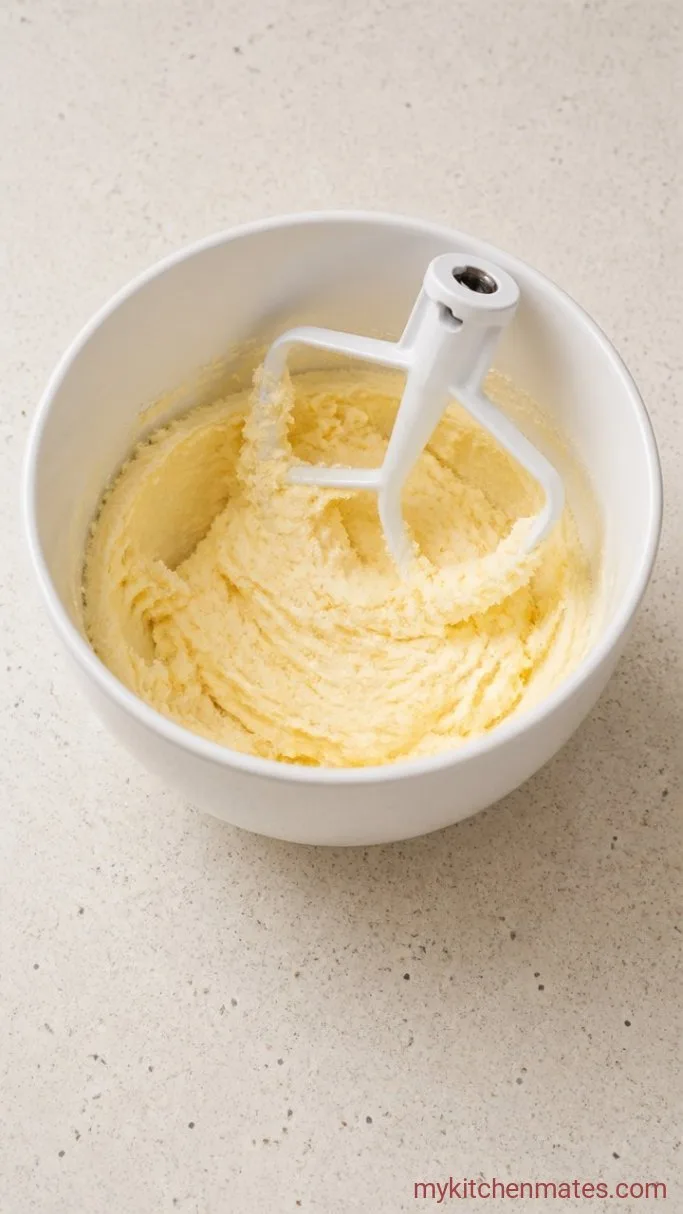
Preheat your oven to 350°F (175°C) and grease a 9×5-inch loaf pan. Line the bottom with a strip of parchment paper so the ends hang over the long sides; that will let you lift the whole cake out later.
In a large bowl, beat the ½ cup softened butter and ¾ cup granulated sugar with a hand mixer on medium speed until the mixture looks pale and airy. This takes about 3 minutes, and you’ll see the sugar blend into the butter so it no longer feels gritty between your fingers.
Step 2: Alternate the Wet and Dry
Whisk the 2 cups flour, 2 teaspoons baking powder, and ½ teaspoon salt together in a small bowl. Set it aside for a moment.
Crack the 2 eggs into the butter mixture one at a time, beating well after each. Add the 1 tablespoon orange zest and 1 teaspoon vanilla, and mix until combined. The batter might look slightly separated at this point, which is totally normal.
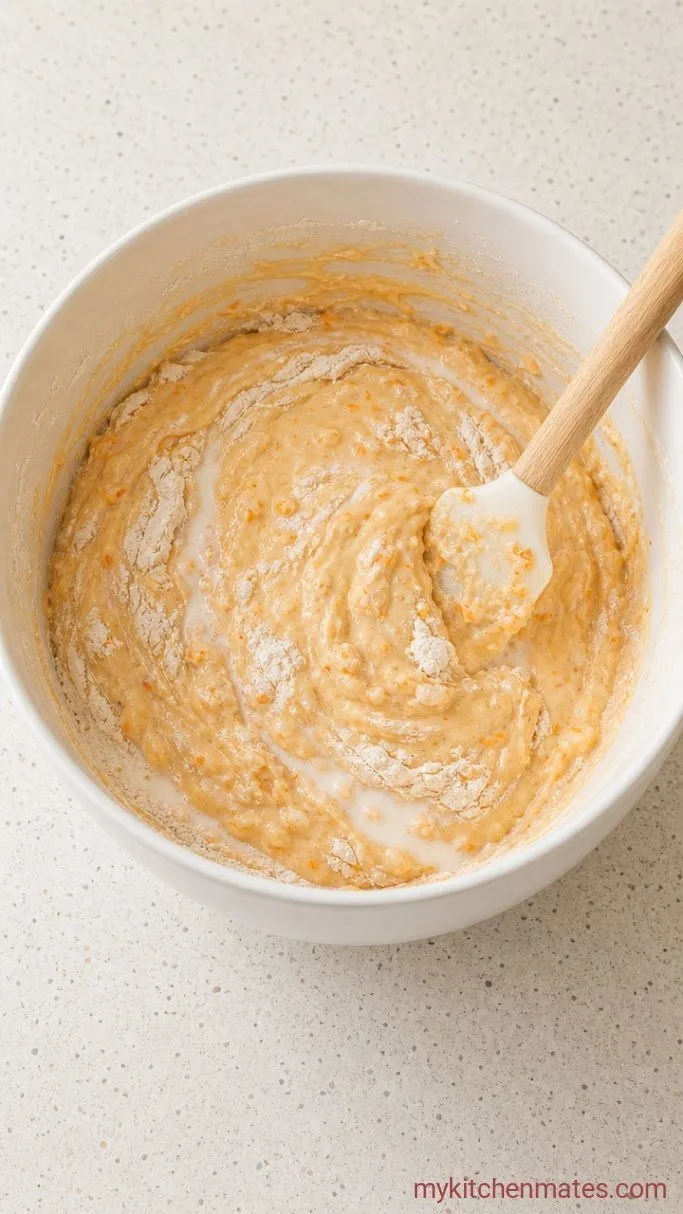
With the mixer on low, add the flour mixture in three additions, alternating with the ½ cup buttermilk. Start and end with the dry ingredients, blending for about 15 seconds after each addition. Stop as soon as the flour disappears. Then fold in the ½ cup marmalade by hand with a rubber spatula, giving it just a few strokes to keep those sticky bits whole.
Step 3: Bake the Cake
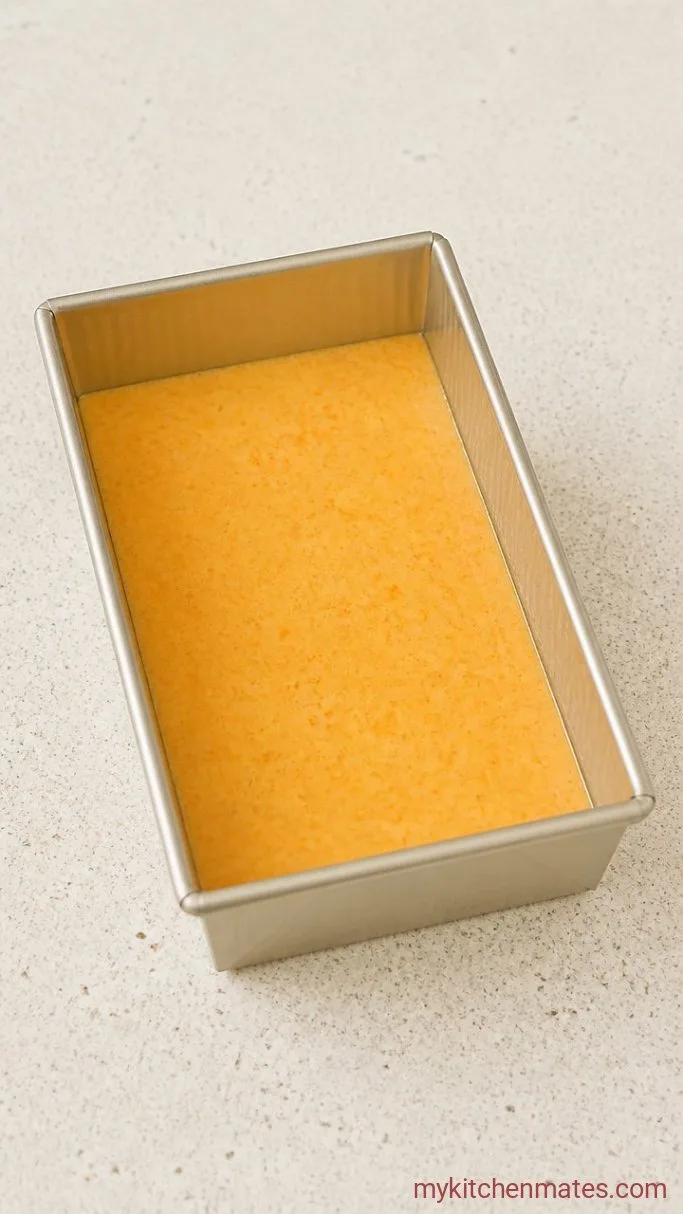
Scrape the batter into your prepared pan and smooth the top. Slide it into the oven and bake for 50 to 55 minutes. Check at the 50-minute mark by poking a toothpick into the center; it should come out with a few moist crumbs clinging to it, not wet batter.
The cake will dome and turn a deep golden brown. The edges will start pulling away from the pan, and your kitchen will smell like candied oranges. Let it cool in the pan on a rack for 10 minutes, then lift it out using the parchment and let it cool completely before glazing.
Step 4: Glaze the Cooled Cake
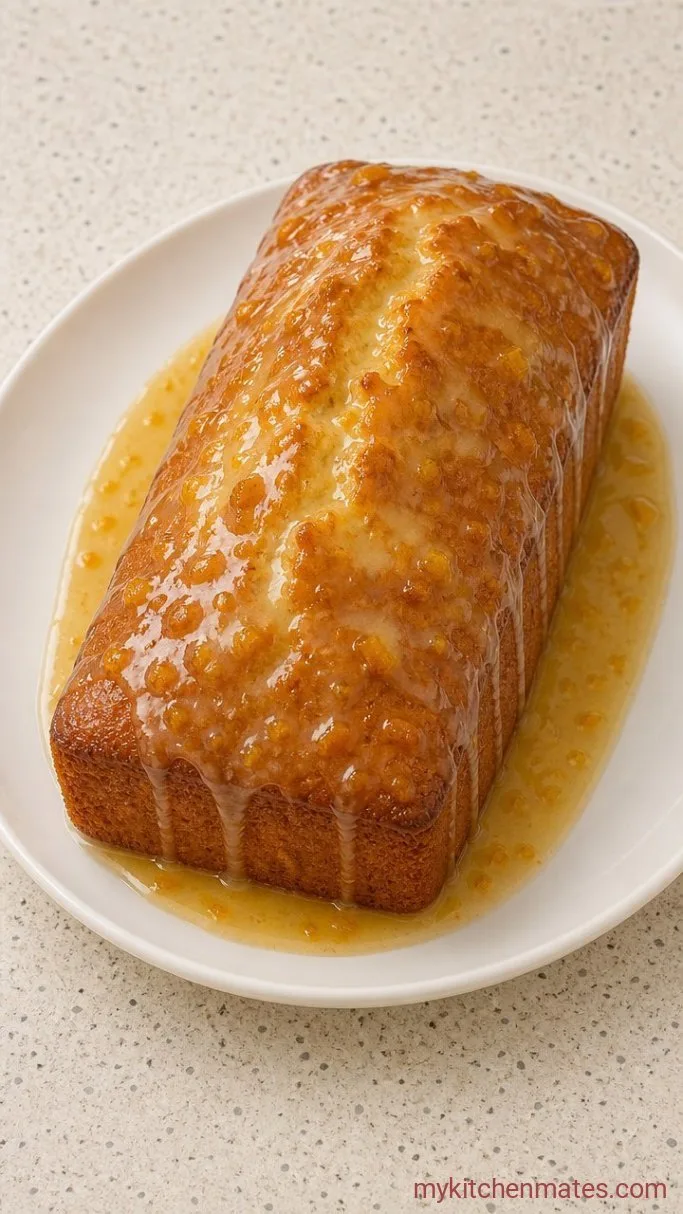
Whisk together the 1 cup powdered sugar, 2 tablespoons marmalade, and 1 tablespoon of the orange juice in a small bowl. Add more juice a few drops at a time until the glaze is thick but pourable; it should ribbon off the whisk slowly.
Set the cooled cake on a plate or rack and drizzle the glaze over the top, letting it drip down the sides. It will set to a glossy, slightly tacky finish within about 30 minutes. Slice and serve at room temperature, and the glaze will help keep the loaf moist for days.
A Few Tips for the Best Marmalade Cake
- Use room-temperature ingredients. Cold butter won’t cream properly, and cold eggs or buttermilk can shock the batter into curdling. Take everything out of the fridge 45 to 60 minutes before you start.
- If your marmalade has big, chunky pieces of peel, give them a quick chop before measuring. Smaller pieces distribute more evenly so you don’t end up with one slice holding all the peel.
- Don’t overmix once the flour goes in. Mixing develops gluten, and too much will make the cake tough instead of tender. Fold in the marmalade gently after the dry ingredients are just combined.
- Spoon and level the flour. Scooping directly from the bag can add up to 30% extra flour, which leads to a dense, dry loaf.
Bake times change if you use a different pan. Here’s a quick guide:
| Pan Size | Oven Temp | Bake Time |
|---|---|---|
| 9×5-inch loaf pan | 350°F (175°C) | 50 to 55 mins |
| 8-inch round cake pan | 350°F (175°C) | 25 to 30 mins |
| 10-cup Bundt pan | 350°F (175°C) | 40 to 45 mins |
Storing Leftovers
- Refrigerate: Keep the cake in an airtight container in the fridge for up to 5 days. The glaze will stay tacky, not runny. Let slices come to room temperature before serving for the best texture.
- Freeze: Wrap the unglazed, cooled cake tightly in plastic wrap, then foil, and freeze for up to 3 months. Thaw overnight in the fridge and glaze just before serving.
Frequently Asked Questions
Can I use homemade marmalade?
Yes, any marmalade works. If yours is on the thin side, reduce the buttermilk by 1 tablespoon so the batter doesn’t get too loose.
How do I make this cake gluten-free?
Swap the all-purpose flour for a good 1:1 gluten-free baking flour blend. The texture will be a little more delicate, but it still bakes up moist.
What if I don’t have buttermilk?
Stir 1½ teaspoons of lemon juice or white vinegar into ½ cup whole milk, let it sit for 5 minutes, and use that. The cake won’t be quite as tender, but it’ll be close.
Can I skip the glaze?
Absolutely. The cake is delicious on its own, with a light dusting of powdered sugar or a spoonful of extra marmalade spread over the warm slices.
Sticky Orange Marmalade Loaf Cake Recipe
Ingredients
Method
- Preheat oven to 350°F (175°C) and grease a 9×5-inch loaf pan, lining the bottom with parchment. Cream the softened butter and sugar until pale and fluffy, about 3 minutes.
- Whisk flour, baking powder, and salt in a small bowl. Beat eggs into the butter mixture one at a time, then add orange zest and vanilla. Alternately add the dry ingredients and buttermilk on low speed, then fold in the ½ cup marmalade by hand.
- Transfer batter to the pan and bake 50 to 55 minutes, until a toothpick comes out with moist crumbs. Cool 10 minutes in the pan, then lift out and cool completely.
- Whisk powdered sugar, 2 tbsp marmalade, and enough orange juice to make a thick, pourable glaze. Drizzle over the cooled cake, let set for 30 minutes, and slice.
Notes
