
Moist Orange Creamsicle Cake with Creamy Filling

This Orange Creamsicle Cake combines a soft, citrusy sponge with a silky vanilla cream filling and frosting that tastes exactly like the frozen popsicle center. It is bright, sweet, and the kind of dessert you can pull together without a whole afternoon in the kitchen.
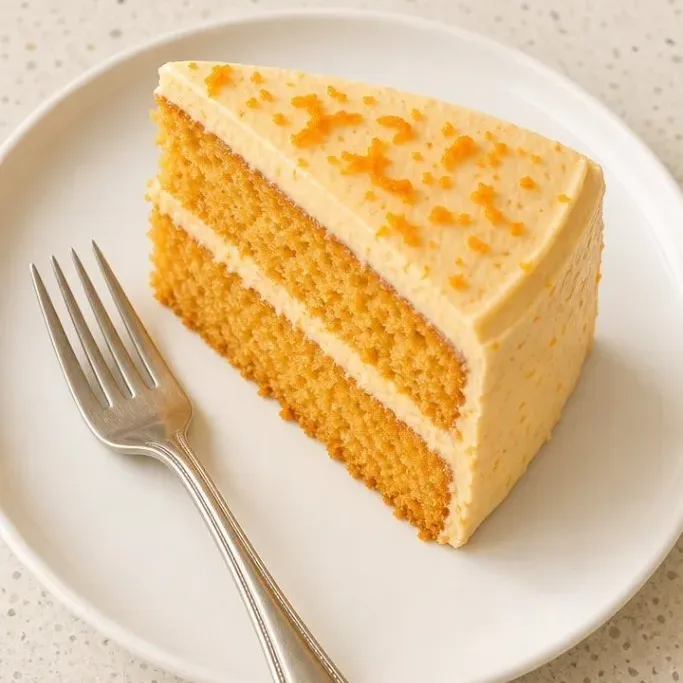
Every bite carries that nostalgic creamsicle flavor, but in a cake that holds its shape and looks impressive on a plate. Bring it to a party and watch it disappear fast.
Why This Cake Works
I keep coming back to this cake because the orange flavor comes from real zest and fresh juice, not just extract, so it tastes vibrant and natural. The crumb stays moist thanks to buttermilk and butter, even after a day in the fridge.
The frosting is where the creamsicle magic really happens. Cream cheese gives it a slight tang, while whipped topping folds in for that airy, melt on your tongue texture you remember from the popsicle. No heavy buttercream, no fussy syrups. Just a straightforward, reliable cake that delivers.
Ingredients
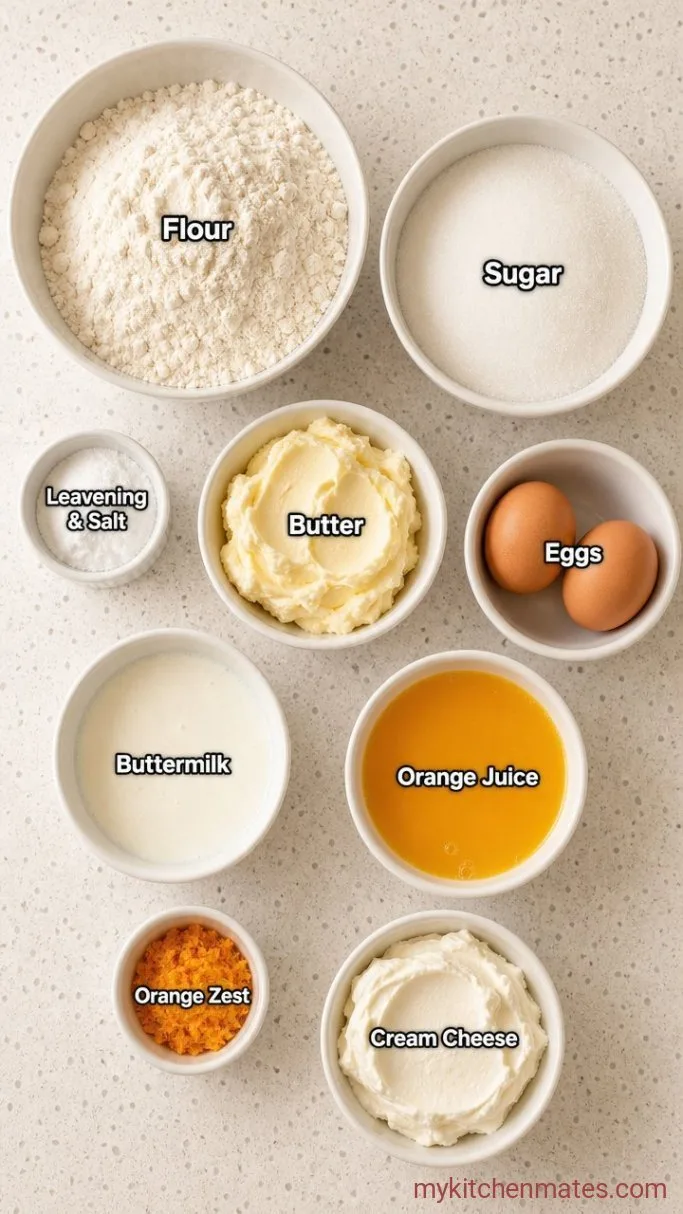
For the cake
- 2 cups (250g) all-purpose flour: spooned and leveled, not scooped
- 1 ½ cups (300g) granulated sugar
- 1 ½ tsp baking powder
- ½ tsp baking soda
- ½ tsp fine salt
- ½ cup (115g) unsalted butter, softened to room temperature
- 2 large eggs, room temperature
- 1 cup (240ml) buttermilk, room temperature
- ½ cup (120ml) fresh orange juice: from about 2 large oranges
- 2 tbsp orange zest: zest the oranges before juicing them
- 2 tsp vanilla extract
For the creamsicle frosting
- 8 oz (226g) block cream cheese, softened
- 1 cup (120g) powdered sugar
- 1 tsp vanilla extract
- 1 tsp orange zest
- 8 oz (226g) frozen whipped topping, thawed: such as Cool Whip
Variations and Substitutions
- Lemon or lime: swap the orange juice and zest for equal amounts of fresh lemon or lime for a different citrus creamsicle feel.
- Buttermilk: if you do not have buttermilk, stir 1 tbsp lemon juice into 1 cup whole milk and let it sit 5 minutes until slightly thickened.
- Cream cheese: use mascarpone for a milder, even softer frosting.
- Whipped topping: fold in 2 cups of freshly whipped heavy cream instead of the frozen topping for a less sweet version.
- Gluten-free flour: a 1:1 gluten-free all purpose blend works well; the texture will be a touch more tender.
Creamy Orange Creamsicle Drink makes the perfect drink to sip alongside this cake.
How to Make Orange Creamsicle Cake
Preheat the oven to 350°F (175°C). Grease two 8-inch round cake pans and line the bottoms with parchment paper.
Step 1: Mix the Cake Batter

Whisk together the 2 cups flour, 1 ½ cups sugar, baking powder, baking soda, and salt in a large bowl. Toss in the ½ cup softened butter and beat on low speed until the mixture looks like damp sand, about 1 minute. This step coats the flour with fat so the cake stays tender.
Add the 2 eggs one at a time, beating well after each. The batter will thicken and turn pale. In a small pitcher, stir together the buttermilk, orange juice, orange zest, and vanilla. With the mixer on low, pour in half of the liquid, mix just until blended, then add the remaining half. Scrape the bowl and give it a few final stirs by hand. Do not overbeat; stop as soon as the streaks of flour disappear. Overmixing can make the cake tough.
Pour half of the batter into each pan and smooth the tops.
Step 2: Bake the Cake Layers
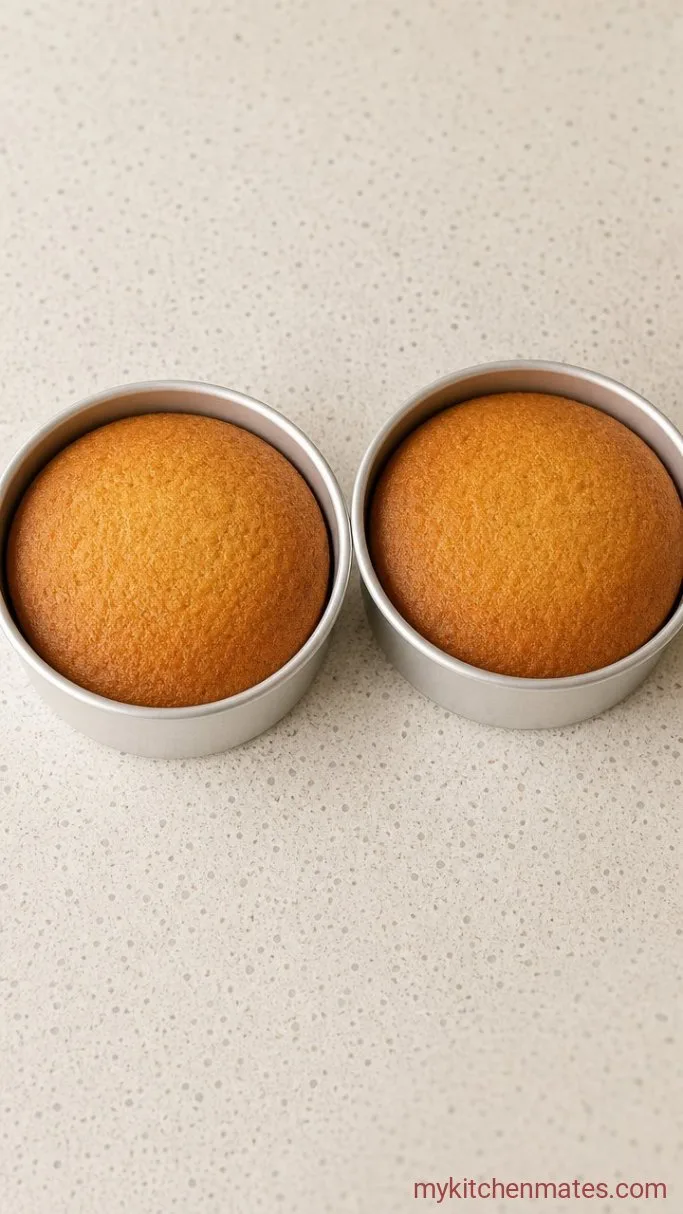
Bake on the middle rack for 25 to 28 minutes. The edges will pull away from the pan slightly, and a toothpick inserted in the center should come out clean or with a few moist crumbs. The tops will be golden and spring back when pressed gently.
Let the cakes cool in the pans for 10 minutes, then turn them out onto a wire rack. Peel off the parchment and let them cool completely, about 1 hour. Rushing this will melt the frosting later.
Step 3: Make the Creamsicle Frosting
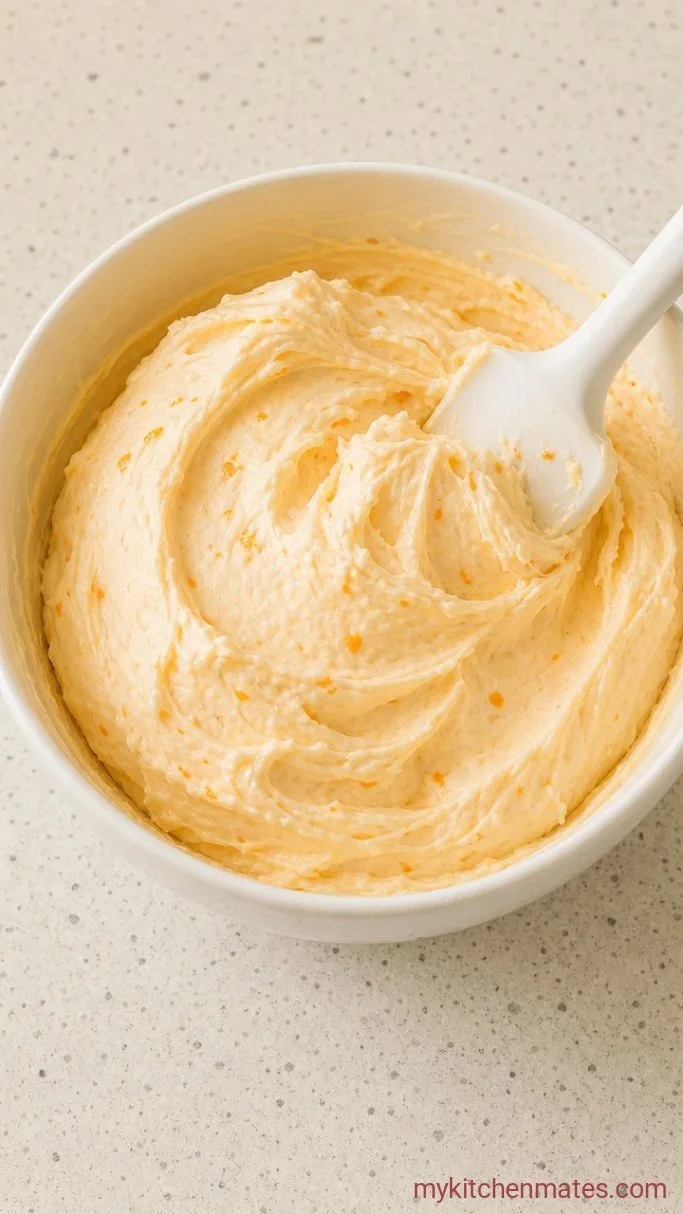
Beat the 8 oz cream cheese and 1 cup powdered sugar in a large bowl until smooth and creamy, about 2 minutes. Mix in the vanilla and orange zest. Gently fold in the 8 oz whipped topping with a rubber spatula. Keep folding until you see no streaks of white topping, but be patient and do not stir hard or the frosting will deflate.
The frosting will be light and moussy. If it feels too soft, chill it for 15 minutes before assembling.
Step 4: Fill and Stack the Cake
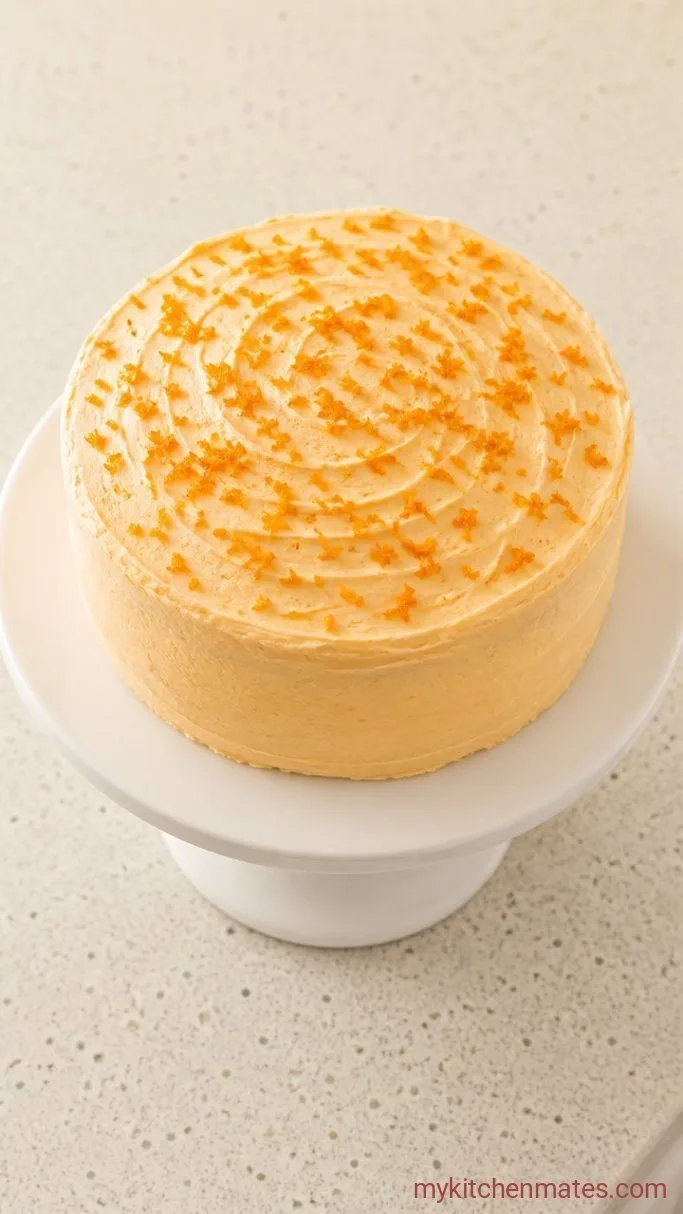
Place one cooled cake layer on a serving plate. Pile about a third of the frosting onto the center and spread it to the edges with an offset spatula. The frosting layer should be thick, almost like a filling, so do not scrape it thin. Set the second layer on top, flat side up.
Spread the remaining frosting over the top and down the sides. Work quickly; a few swirls look nice, or you can smooth the sides with a bench scraper. It does not need to be perfect. The cake already looks cheerful with those pale orange and white streaks.
Step 5: Slice and Serve
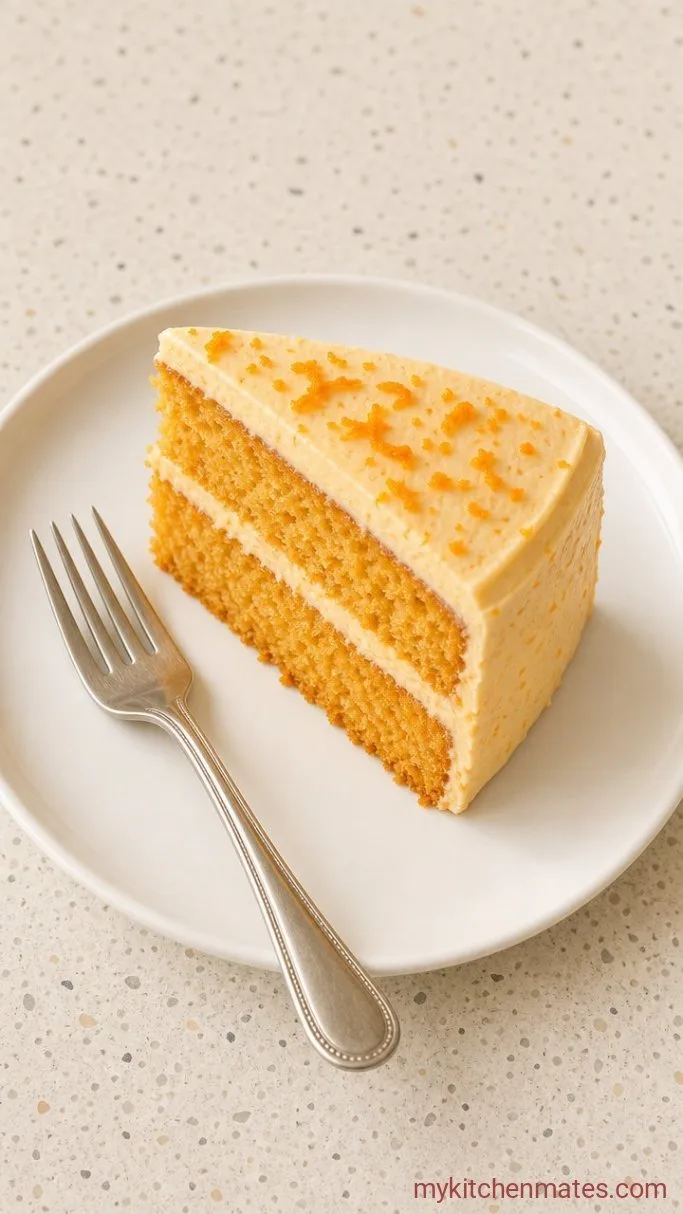
Slice the cake with a sharp knife, wiping the blade between cuts. The layers will be tall, bright, and creamy. A few extra shreds of orange zest on top right before serving lifts the aroma.
Serve slightly chilled or at cool room temperature. The frosting holds its shape well at room temp for about an hour.
Tips for a Perfect Creamsicle Cake
- Room temperature ingredients.: Softened butter and eggs blend evenly, so the batter does not separate. Pull them out 30 minutes before you start.
- Do not overmix the batter.: Stir just until the flour disappears. A few small lumps are fine; they will bake out.
- Cool the layers completely.: Even a hint of warmth will turn the frosting soupy. Speed this up by popping the layers in the fridge after 20 minutes of cooling.
- Chill the assembled cake for 30 minutes before slicing.: This firms the creamy frosting and gives you clean, picture worthy layers.
Bake times can shift a little with different pans. Use the table below as a guide.
| Pan Size | Material | Bake Time |
|---|---|---|
| Two 8-inch rounds | Light metal | 25 to 28 mins |
| Two 9-inch rounds | Light metal | 22 to 25 mins |
| 9×13-inch sheet | Metal | 28 to 32 mins |
Storing and Freezing This Cake
- Refrigerate: Cover the cake loosely and keep it in the fridge for up to 4 days. The creamy frosting stays stable and the cake stays moist. Let slices sit at room temperature for 15 minutes before eating for the best texture.
- Freeze unfrosted layers: Wrap the completely cooled cake layers in plastic wrap, then foil. Freeze for up to 3 months. Thaw overnight in the fridge, then frost. The assembled frosted cake can weep slightly upon thawing, so I recommend freezing the layers separately.
Frequently Asked Questions
Can I use orange extract instead of fresh juice?
Yes, but the flavor will be less bright. Use 1 tsp orange extract in the batter and increase the buttermilk to 1 cup plus 2 tbsp to keep the liquid balance.
Can I make this as a sheet cake?
Absolutely. Pour the batter into a greased 9×13-inch pan and bake for 28 to 32 minutes until a toothpick tests clean. Cool completely, then spread all the frosting over the top.
How far ahead can I make the cake?
You can bake the cake layers a day ahead, wrap them well, and keep them at room temperature. Assemble and frost the next day. The fully assembled cake also stays fresh in the fridge for 2 days.
Can I use homemade whipped cream instead of frozen whipped topping?
Yes. Whip 2 cups of heavy cream with 2 tbsp powdered sugar until stiff peaks form, then fold it in place of the thawed topping. The frosting will be a bit softer, so keep the cake chilled until serving.
Orange Creamsicle Cake Recipe
Ingredients
Method
- Whisk flour, sugar, baking powder, baking soda, and salt. Beat in butter until crumbly. Add eggs one at a time. Combine buttermilk, orange juice, zest, and vanilla; mix into dry ingredients just until smooth.
- Divide batter between two greased 8-inch pans. Bake at 350°F for 25 to 28 minutes. Cool completely.
- Beat cream cheese and powdered sugar until smooth. Add vanilla and zest, then fold in whipped topping until no streaks remain.
- Place one cake layer on a plate, spread a generous third of the frosting on top, then top with the second layer. Frost the top and sides with the remaining frosting.
- Slice and serve chilled or at room temperature.
Notes
