
Moist Lemon Yogurt Cake with a Tangy Glaze

This lemon yogurt cake comes together in one bowl and stays incredibly moist for days, thanks to a generous pour of Greek yogurt and oil. A glossy lemon glaze soaks into the top, adding a bright, zesty kick that cuts through each soft slice.

It is the kind of cake you can stir together on a Tuesday evening and still be eating for breakfast by Thursday, no mixer needed. Every bite has a gentle crumb that holds up to a mug of coffee or a pile of fresh berries.
Why This Cake Stays So Moist
The yogurt does double duty here. Its fat keeps the crumb tender, while its acidity reacts with baking powder to give the cake a high, even rise without drying out. You taste the lemon first, then a clean, creamy finish that lingers just long enough.
I have baked this cake with low-fat yogurt and it still works, but full-fat Greek yogurt makes it almost custardy in the center. The glaze is not an afterthought; it seals in moisture and gives the top that crackly, sweet-tart bite I keep going back for.
Ingredients
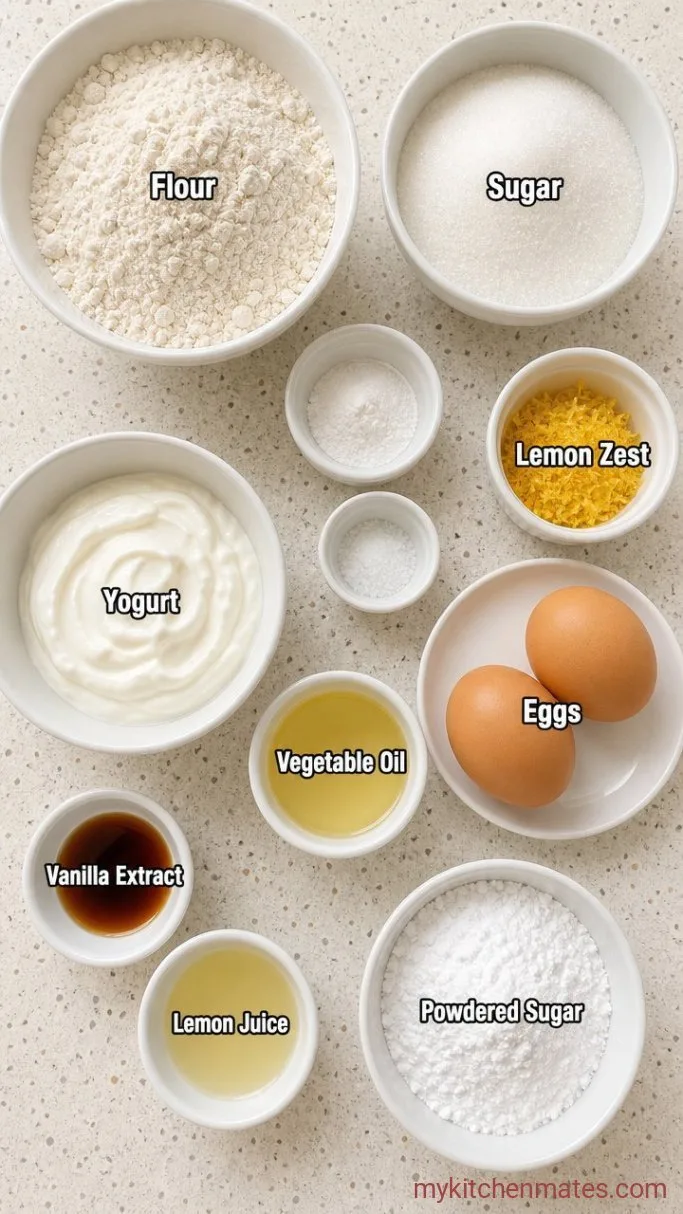
- 1 1/2 cups all-purpose flour: spooned and levelled, never scooped straight from the bag
- 2 tsp baking powder: check the date so your cake rises fully
- 1/2 tsp fine sea salt: balances the sugar and brightens the lemon
- 1 cup granulated sugar
- 2 tbsp lemon zest: from about 2 large lemons, finely grated
- 3/4 cup plain full-fat Greek yogurt: full-fat gives the softest crumb
- 1/2 cup vegetable oil: or any neutral oil you have on hand
- 2 large eggs: at room temperature if you remember, cold works in a pinch
- 1 tsp vanilla extract
- 1/4 cup fresh lemon juice: about 1 large lemon
For the glaze
- 1 cup powdered sugar
- 2 to 3 tbsp fresh lemon juice: add a little at a time until you get a thick, pourable consistency
Variations / Substitutions
- Dairy-free: swap the Greek yogurt for a thick plant-based yogurt like coconut or cashew; the crumb may be a touch denser but still delicious.
- Poppy seed twist: stir 2 tablespoons of poppy seeds into the dry ingredients for a classic lemon poppy seed loaf.
- Citrus swap: try orange zest and juice for a milder, sunnier cake, or use lime for a zippier edge.
- Glaze-free: dust the cooled cake with powdered sugar or serve slices with a spoonful of lemon curd.
Fluffy Soda Cake is another reader favorite dessert worth making next.
How to Make Lemon Yogurt Cake
Step 1: Mix the Dry Ingredients
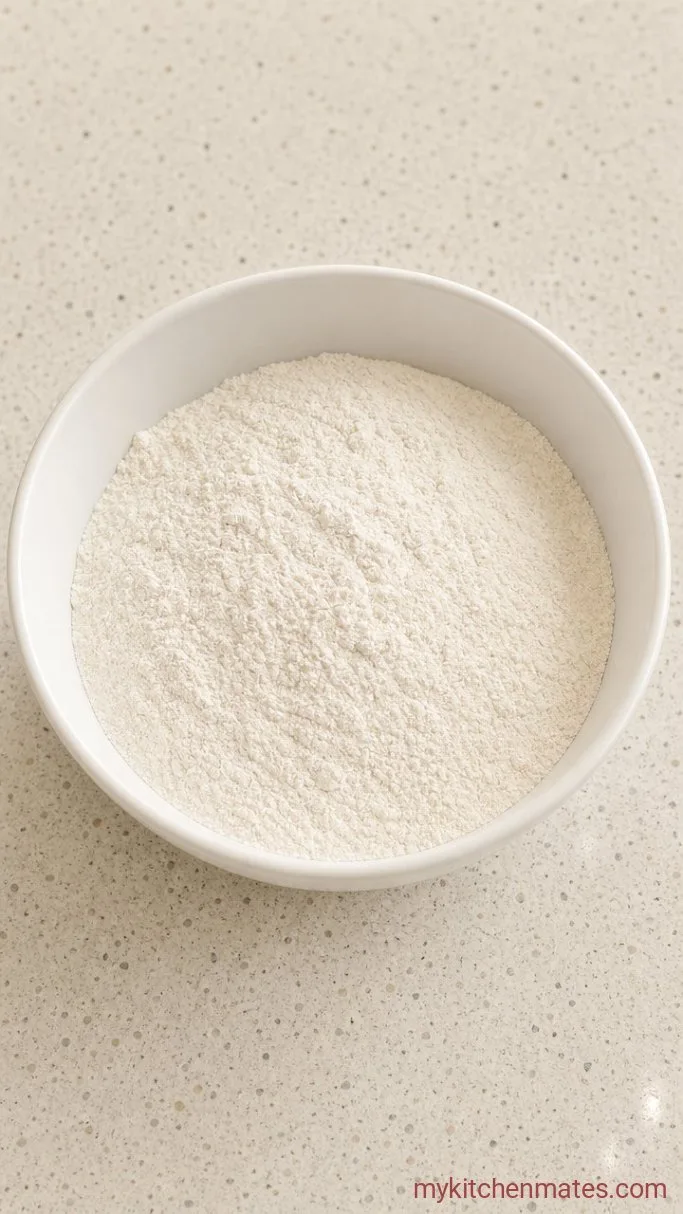
Preheat your oven to 350°F (175°C) and grease a 9×5-inch loaf pan, then line it with parchment paper for easy lifting. In a medium bowl, whisk together the 1 1/2 cups flour, 2 teaspoons baking powder, and 1/2 teaspoon salt until evenly combined.
The powder does all the lifting here, so make sure no clumps hide at the bottom. Once the salt is distributed, set the bowl aside while you work on the wet mix.
Step 2: Whisk the Wet Ingredients

In a large bowl, combine the 1 cup sugar and 2 tablespoons lemon zest. Rub them together with your fingertips for about 20 seconds until the sugar turns pale yellow and smells intensely lemony. This draws out the oils and flavours every bite. Pour in the 3/4 cup yogurt, 1/2 cup oil, 2 eggs, 1 teaspoon vanilla, and 1/4 cup lemon juice. Whisk until you get a smooth, pale mixture with no streaks of oil or egg white.
The batter will look a little glossy from the oil. That slickness is what keeps the baked cake soft even after a few days in the fridge.
Step 3: Fold in the Dry Ingredients
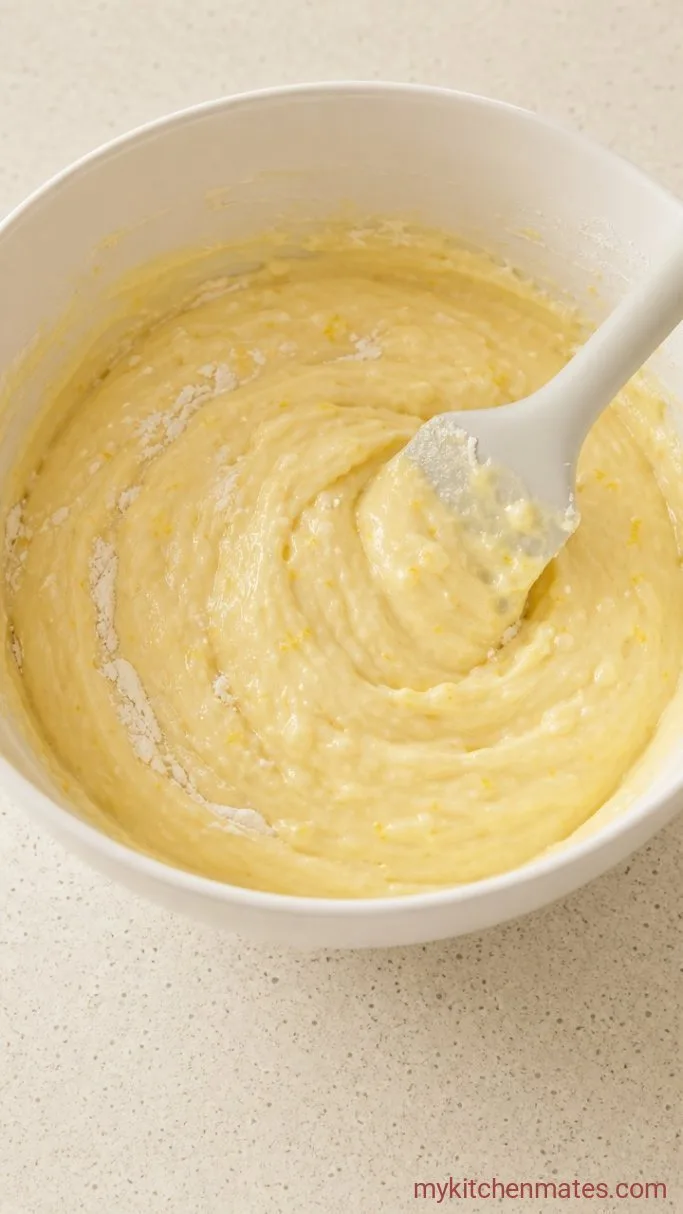
Scrape the dry ingredients into the wet bowl. Using a silicone spatula, fold gently, cutting through the center and scooping the batter up from the bottom, just until you no longer see dry streaks of flour. A few small lumps are fine. Pour the batter into your prepared pan and smooth the top with the spatula.
Overmixing wakes up the gluten and makes a cake tough, so stop as soon as the flour disappears. The batter should look thick and pale yellow, with small air bubbles beginning to pop through.
Step 4: Bake the Cake
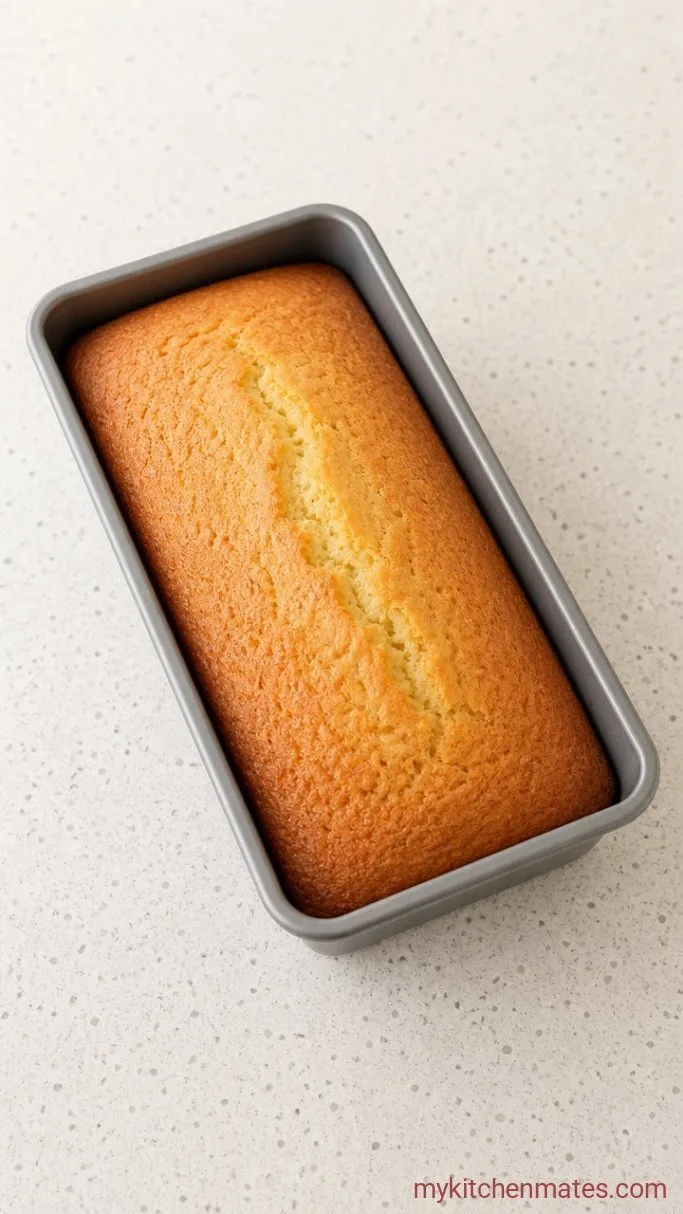
Slide the pan onto the middle rack and bake for 50 to 60 minutes. Start checking at 50 minutes by inserting a toothpick into the centre. It should come out clean or with a few moist crumbs clinging to it. If the top is browning too fast, tent the pan loosely with foil around the 40-minute mark. When it is done, let the cake rest in the pan on a wire rack for 10 minutes, then lift it out using the parchment and cool completely on the rack.
Expect a golden, domed top with a small crack running lengthwise. The whole kitchen will fill with a warm, buttery lemon scent that means it is nearly time.
Step 5: Glaze and Slice the Cake

Whisk the 1 cup powdered sugar with 2 tablespoons of lemon juice. Add the third tablespoon only if the glaze feels too thick to drip. Place the cooled cake on a serving plate and pour the glaze slowly over the centre, nudging it toward the edges with the back of a spoon so it runs down the sides. Let it set for about 10 minutes, then slice and serve.
The glaze hardens into a shiny, crackled shell that shatters gently under a knife. Each slice shows a tender, sunny crumb with a sugary lip on top.
Tips for a Lighter, Moister Crumb
- Let the yogurt and eggs sit out for 20 minutes while you preheat the oven. Room temperature ingredients blend more evenly and bake up taller.
- For an extra lemony boost, poke the warm cake all over with a skewer and brush it with 2 tablespoons of lemon juice mixed with 1 tablespoon of sugar before glazing.
- Use a light-coloured metal loaf pan. Dark pans can over-brown the crust before the centre sets.
- If the glaze thickens before you pour, microwave it for 5 seconds and stir. It loosens right up.
Bake times vary by pan:
| Pan size | Bake time |
|---|---|
| 9×5-inch loaf pan | 50 to 60 mins |
| 8-inch round pan | 30 to 35 mins |
| Muffin tin (12 cup) | 18 to 22 mins |
Keeping It Fresh
Refrigerate: wrap the unglazed cake tightly in plastic and store in the fridge for up to 5 days. Glaze just before serving, or the icing will soften and turn tacky.
Freeze: wrap the cooled, unglazed cake in a double layer of plastic, then foil, and freeze for up to 2 months. Thaw overnight in the fridge and glaze once it comes to room temperature.
Reheating: a 10-second zap in the microwave per slice brings back that fresh-from-the-oven softness. Take care with the glaze; it melts quickly.
Frequently Asked Questions
Can I use flavored yogurt instead of plain?
Yes. Vanilla or lemon Greek yogurt works well, though you may want to reduce the sugar by 2 tablespoons to offset the extra sweetness. Avoid fruit-on-the-bottom varieties; the pieces can sink.
My cake sank in the middle. What went wrong?
It is often from opening the oven door too early or from overmixing the batter. Check the cake only after the 50-minute mark, and fold the dry ingredients with a gentle hand.
Can I make this gluten-free?
Yes. Substitute a 1:1 gluten-free flour blend that contains xanthan gum. The texture will be slightly more crumbly, but the yogurt helps keep it tender.
Do I really need the glaze?
No, you can skip it. Dust the top with powdered sugar, or serve each slice with a dollop of whipped cream and fresh raspberries.
Lemon Yogurt Cake Recipe
Ingredients
Method
- Preheat oven to 350°F (175°C). Grease a 9×5-inch loaf pan and line with parchment.
- Whisk flour, baking powder, and salt in a bowl. In a separate large bowl, rub sugar and lemon zest together, then whisk in yogurt, oil, eggs, vanilla, and 1/4 cup lemon juice.
- Fold dry ingredients into wet until just combined. Pour batter into the pan and smooth the top.
- Bake 50 to 60 minutes until a toothpick comes out clean. Cool in pan 10 minutes, then transfer to a rack to cool completely.
- Whisk powdered sugar with 2 to 3 tbsp lemon juice until smooth. Pour over the cooled cake, let set 10 minutes, then slice and serve.
Notes
