
Moist Lemon Velvet Cake with Tangy Cream Cheese Frosting

This lemon velvet cake is the softest, most tender lemon cake I know how to bake. The crumb is fine and damp, with enough lemon zip to wake up the richness of the butter and cream cheese.
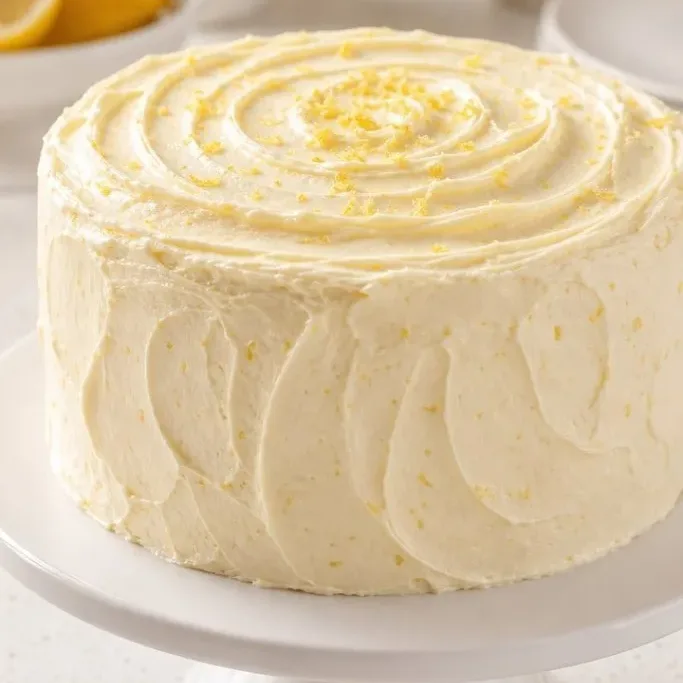
What you get is a cake that feels like a special occasion but comes together without a mixer marathon. The frosting is tangy, not cloying, and the whole thing stays moist for days.
What Makes This Cake So Tender
A little oil and a lot of buttermilk are the real secret here. The oil coats the flour proteins lightly, so the cake never bakes up tough, and the buttermilk keeps the crumb delicate.
I use a reverse creaming technique, where the butter gets cut into the dry ingredients before the liquids go in. It sounds fussy, but it just means less mixing once the flour gets wet, and that’s what gives the velvet texture its name.
The lemon flavor comes from both zest and juice. That two-punch approach gives you the bright oil in the zest and the sharp real lemon taste in the crumb, so it never leans into candy territory.
Ingredients
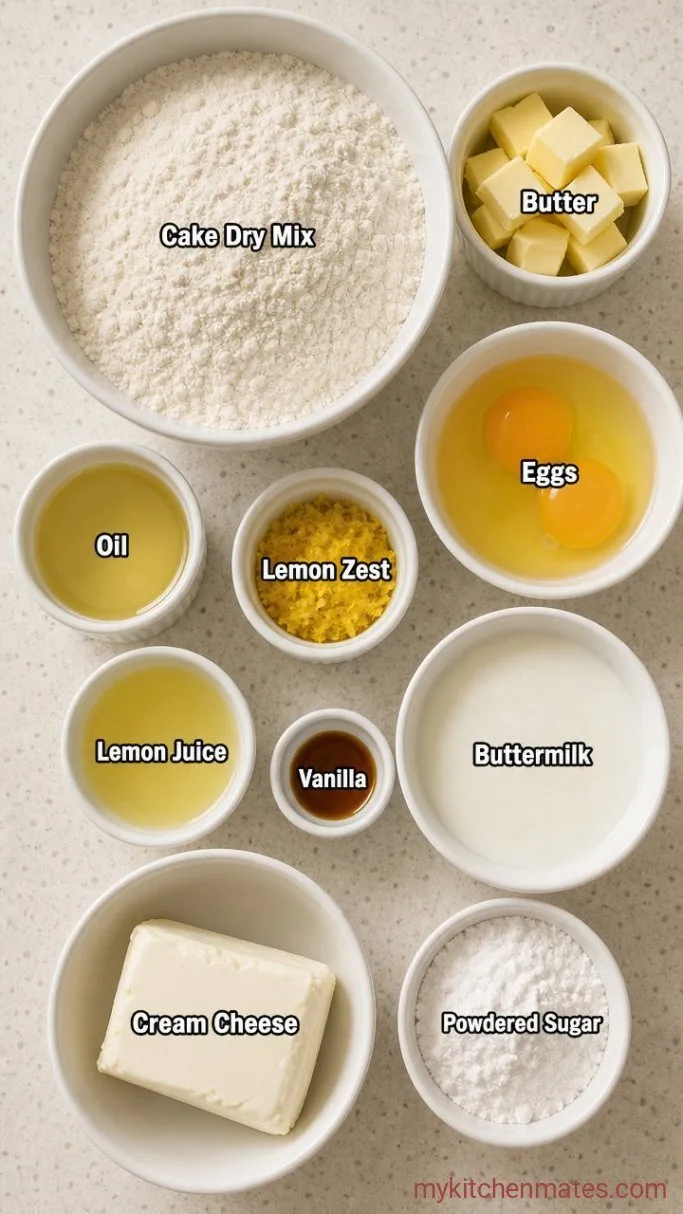
- 2 ¼ cups all-purpose flour (280g): spoon and level it, don’t scoop from the bag
- 1 ½ cups granulated sugar (300g) : fine white sugar dissolves best
- 1 tsp baking powder : gives the cake a gentle lift
- ½ tsp baking soda : reacts with the buttermilk for tenderness
- ½ tsp salt : balances the sweetness
- ½ cup unsalted butter, softened (113g) : leave it out for 30 minutes so it creams easily
- ⅓ cup vegetable oil (80ml) : any neutral oil like canola or sunflower
- 3 large eggs, room temperature : cold eggs can seize the batter
- 1 Tbsp lemon zest (from about 2 lemons) : use a microplane for fine zest
- ¼ cup fresh lemon juice (60ml) : bottled won’t give the same brightness
- 1 tsp vanilla extract : rounds out the lemon without masking it
- 1 cup buttermilk, room temperature (240ml) : if you don’t have any, stir 1 Tbsp lemon juice into 1 cup whole milk and let it sit 5 minutes
For the frosting:
- 8 oz cream cheese, cold (225g) : full-fat block, straight from the fridge
- ½ cup unsalted butter, softened (113g)
- 3 cups powdered sugar (360g) : sift if it has lumps
- 1 Tbsp lemon zest
- 1 tsp vanilla extract
- pinch of salt
Variations / Substitutions
- Swap the frosting : a simple lemon glaze made from 1 cup powdered sugar and 2 Tbsp lemon juice works if you want a lighter cake
- Use limes instead : lime zest and juice in both the cake and frosting give you a lime velvet cake with a sharper edge
- Make it dairy-free : use a vegan butter block and a dairy-free cream cheese alternative, plus swap the buttermilk for 1 cup of oat milk mixed with 1 Tbsp lemon juice
- Add a berry layer : spread a thin layer of lemon curd or raspberry jam between the cake layers before frosting for extra punch
- Bake it as cupcakes : the same batter makes about 18 to 20 cupcakes; fill the liners halfway and bake for 17 to 20 minutes
Mini Red Velvet Bento Cake is next on our list if this cake is your kind of dessert.
How To Make Lemon Velvet Cake
Step 1: Mix the Dry Ingredients

Preheat your oven to 350°F (175°C) and grease two 8-inch round cake pans. Line the bottoms with parchment circles and grease the parchment too.
Whisk the 2 ¼ cups flour, 1 tsp baking powder, ½ tsp baking soda, and ½ tsp salt together in a medium bowl. Give it a good whisk so the leaveners spread evenly; any clump of baking powder can leave a bitter spot.
It looks like plain flour right now, but that even distribution is what you need before the butter hits it. A quick whisk takes maybe 20 seconds and saves you from a cake with a weird tunnel in the middle.
Step 2: Cream the Butter and Sugar
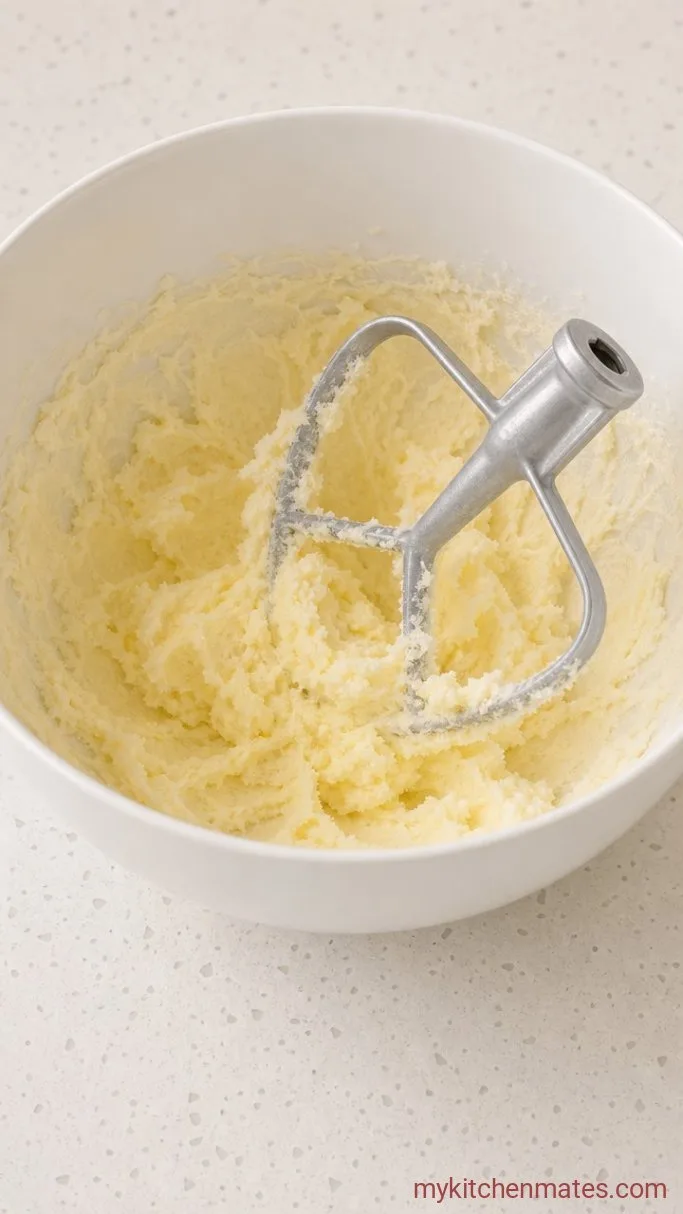
Put the ½ cup softened butter, 1 ½ cups sugar, and ⅓ cup oil in the bowl of a stand mixer fitted with the paddle. Beat on medium speed for 3 minutes, scraping the bowl once.
The mixture will look pale and fluffy, almost like wet sand at first, then it smooths out. You’re not looking for dramatic volume here, just a consistent texture with no butter chunks.
If your butter was too cold, the sugar won’t grab it right and the mixture will stay crumbly longer. Leave the butter out a full 30 minutes next time, but for now just keep beating until it comes together.
Step 3: Alternate the Dry Mix and Buttermilk
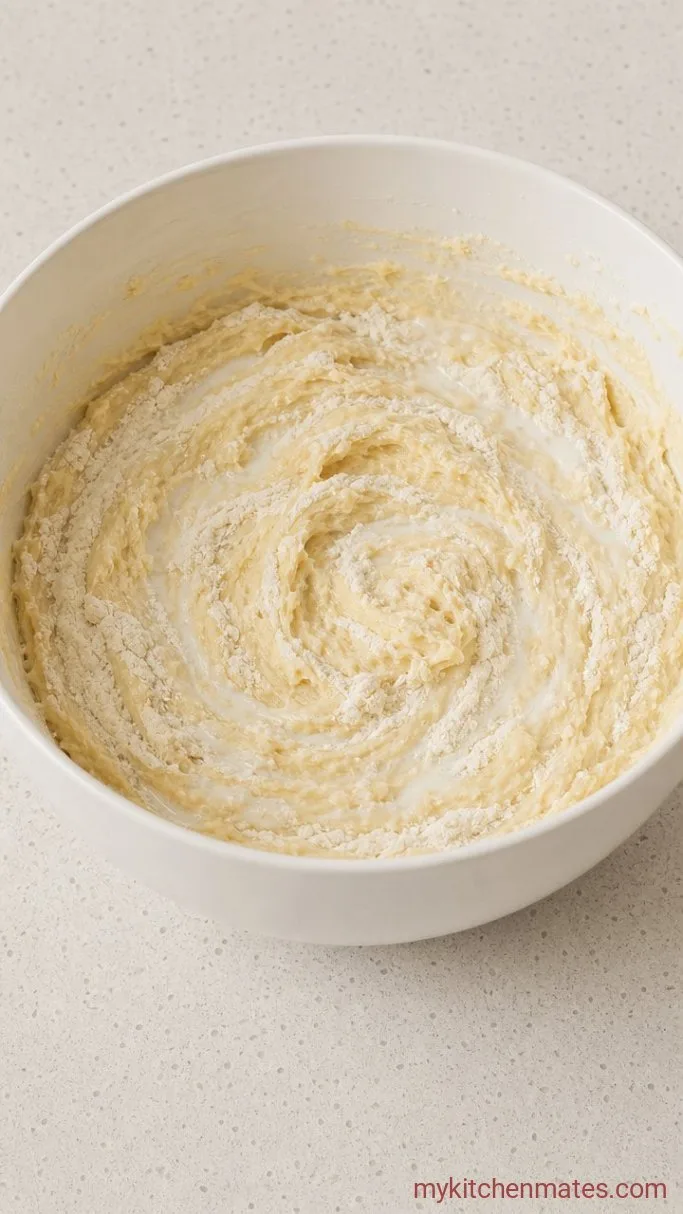
Add the 3 eggs one at a time, beating well after each. Then beat in the 1 Tbsp lemon zest, ¼ cup lemon juice, and 1 tsp vanilla. The batter will look a little curdled from the lemon juice and that’s fine.
With the mixer on low, add a third of the flour mixture, then half the 1 cup buttermilk, another third of flour, the rest of the buttermilk, and finish with the last of the flour. Mix just until the last streak of flour disappears, no longer than about 10 seconds after each addition.
Overmixing here makes the cake tough, so stop the moment the batter looks uniform. It should be thick and smooth, with a fresh lemony smell that makes you want to taste it right there.
Step 4: Bake the Cakes
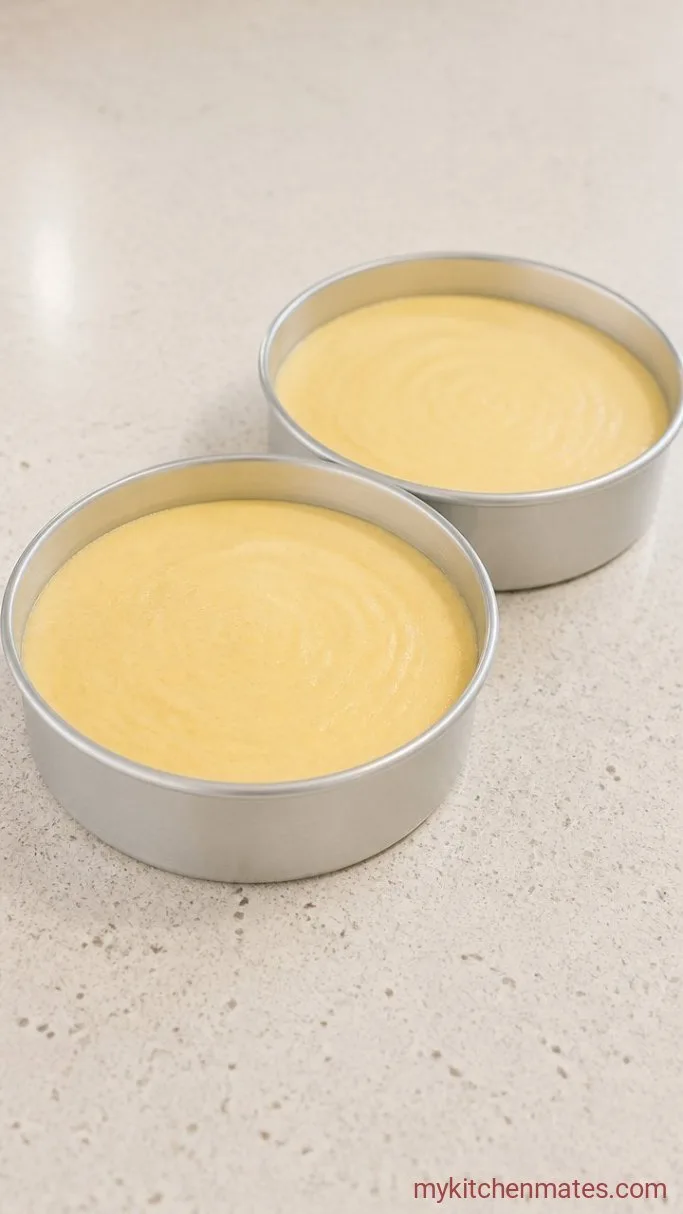
Divide the batter evenly between the two prepared pans. Tap each pan firmly on the counter twice to pop any large air bubbles.
Bake on the middle rack for 28 to 32 minutes. The cakes are done when the centers spring back when you press them lightly and a toothpick comes out with a few moist crumbs, not wet batter.
The edges will pull away from the pan just slightly and the tops will be a pale golden brown. Let the cakes cool in the pans for 10 minutes, then turn them out onto a rack to cool completely before you touch the frosting.
Step 5: Beat the Cream Cheese Frosting
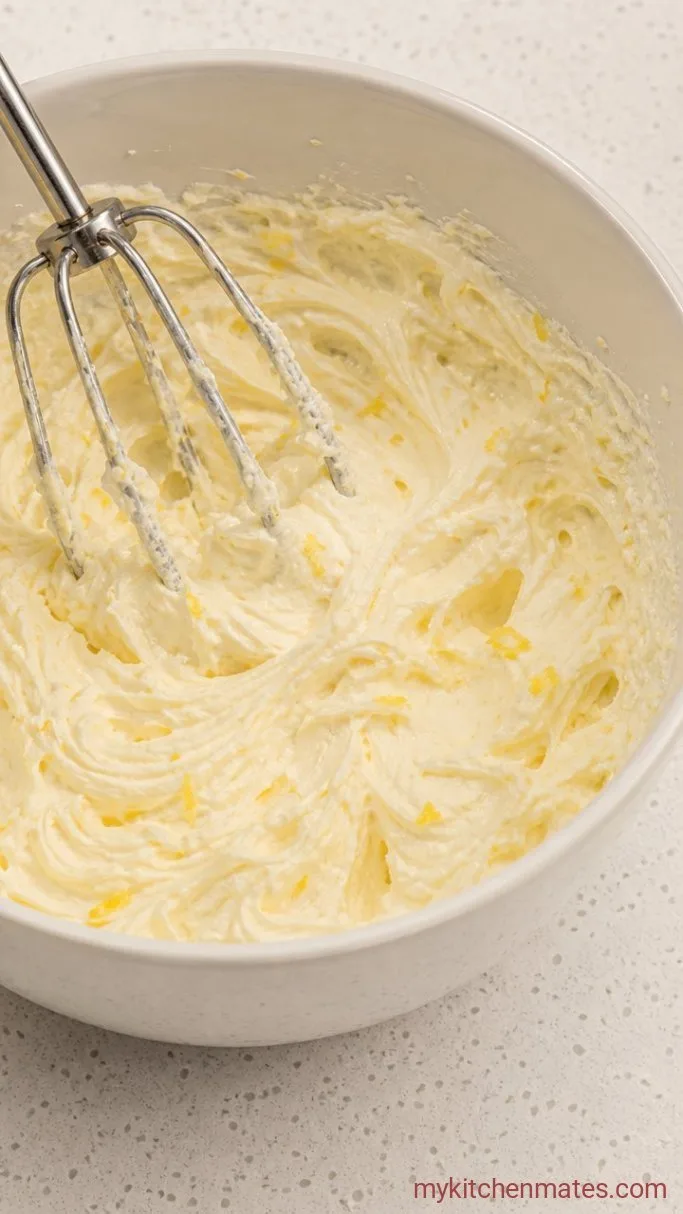
Once the cakes are completely cool, make the frosting. In the same mixer bowl (wipe it clean), beat the 8 oz cold cream cheese and ½ cup softened butter on medium speed until smooth, about 2 minutes.
Add the 3 cups powdered sugar, 1 Tbsp lemon zest, 1 tsp vanilla, and a pinch of salt. Start on low so the sugar doesn’t puff out, then crank the speed to high and beat for 2 minutes until the frosting is light and spreadable.
If it feels too soft to hold a swirl, pop the bowl in the fridge for 10 minutes. Cold cream cheese helps the frosting firm up fast without needing a ton of extra sugar.
Step 6: Assemble and Frost the Cake
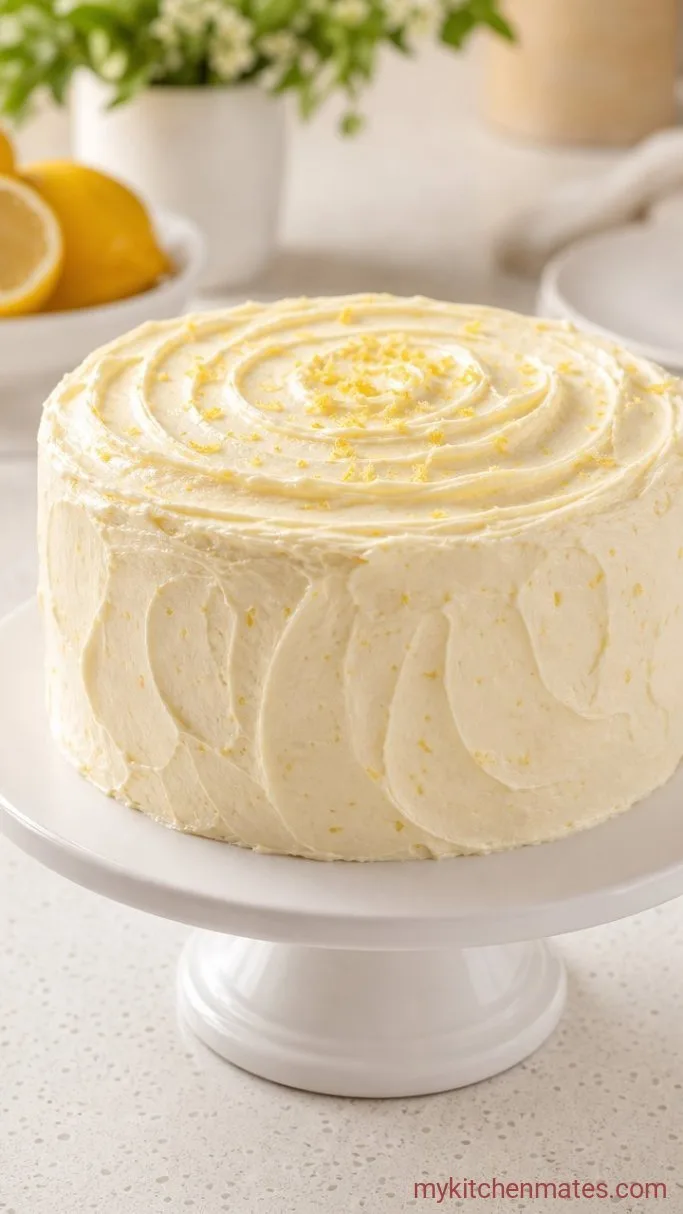
Place one cooled cake layer on a serving plate, flat side up. Spoon a generous heap of frosting onto the center and spread it to the edges with an offset spatula.
Set the second layer on top, flat side down this time, so you have a smooth top surface. Cover the whole cake with a thin crumb coat first if you want a clean finish, chill it for 15 minutes, then pile on the rest of the frosting and swirl it any way you like.
Finish with a little extra lemon zest scattered across the top. Slice and serve while the cake is still cool enough for the frosting to hold its shape, and watch the soft inner crumb pull apart with each forkful.
A Few Notes Before You Start
- Weigh the flour if you can – spooning straight from the bag can pack in too much and give you a dry cake. 280g on a scale saves you the guesswork.
- Don’t skip the oil – it keeps the cake moist even after a few days in the fridge, where cakes made with only butter can dry out.
- If your frosting gets too runny – chill it for a few minutes and whip it again. Cold cream cheese is your friend here.
- Frost only cold layers – warm cake will melt the frosting and make a mess. Pop the cake layers in the fridge for 20 minutes before assembling if you’re short on time.
Bake times by pan size:
| Pan | Time |
|---|---|
| Two 8-inch rounds | 28–32 minutes |
| One 9×13-inch pan | 30–35 minutes |
| Cupcakes (lined) | 17–20 minutes |
| Three 6-inch rounds | 25–28 minutes |
Keeping It Fresh
Refrigerate – Store the frosted cake in a cake keeper or under a large bowl turned upside down for up to 5 days. The cake gets even more moist after a day in the cold.
Freeze – Wrap unfrosted cake layers tightly in plastic wrap and freeze for up to 2 months. Thaw in the fridge overnight, then frost. You can also freeze the whole frosted cake in an airtight container for up to a month; let it thaw in the fridge before serving.
Serve cold or at room temp – I like it straight from the fridge on a warm day, but let it sit out for 20 minutes if you want the crumb to soften up even more.
Frequently Asked Questions
Can I use bottled lemon juice?
No. Fresh lemon juice gives the cake real brightness and tang that bottled just doesn’t match. The frosting will also taste flat with bottled juice.
Why did my cake sink in the middle?
Usually it’s because the oven door was opened too early or the cake wasn’t quite done when you checked it. Test it at the 28-minute mark and only pull it when the center springs back.
Can I make this cake ahead of time?
Yes. Bake the layers a day ahead, wrap them well, and keep them at room temperature. Frost the next day; the cake actually stays softer that way.
How do I get clean cake slices?
Use a long serrated knife and wipe it clean between each cut. If the frosting is sticking, dip the knife in hot water and dry it quickly before slicing.
Lemon Velvet Cake Recipe
Ingredients
Method
- Preheat oven to 350°F (175°C). Grease two 8-inch round cake pans and line the bottoms with parchment. Whisk flour, baking powder, baking soda, and salt in a medium bowl.
- Beat butter, sugar, and oil together with a hand or stand mixer on medium speed for 3 minutes until pale and smooth.
- Add eggs one at a time, beating after each. Mix in lemon zest, lemon juice, and vanilla. On low speed, alternate adding the flour mixture and buttermilk, starting and ending with flour. Mix just until combined.
- Divide batter between pans. Bake 28–32 minutes until a toothpick comes out with moist crumbs. Cool in pans 10 minutes, then turn out onto a wire rack to cool completely.
- For the frosting, beat cream cheese and butter until smooth. Gradually add powdered sugar, then add lemon zest, vanilla, and salt. Beat on high for 2 minutes until light and fluffy.
- Place one cake layer on a plate, spread with frosting, top with second layer. Frost top and sides. Garnish with extra lemon zest if you like. Slice and serve.
Notes
