
Lemon Polenta Cake with a Lemony Soaking Syrup

This lemon polenta cake is a rustic Italian-style dessert with a bright lemony flavor and a wonderfully tender crumb. It comes together quickly and bakes into a golden, syrup-soaked cake that holds up well for days.

Because the cake uses polenta and ground almonds instead of wheat flour, it’s naturally gluten free without any special substitutions. The coarse cornmeal gives each slice a pleasant sandy bite, while the lemon syrup keeps everything moist long after it cools.
Why This Lemon Polenta Cake Stays in My Rotation
The texture is what gets me every time. It’s dense but never heavy, with a fine sandy crumb from the polenta that has just enough bite to feel substantial.
And that lemon syrup? It soaks into the warm cake and sets into a glossy, tangy glaze. I know any leftover slice will still taste fresh the next day.
Ingredients
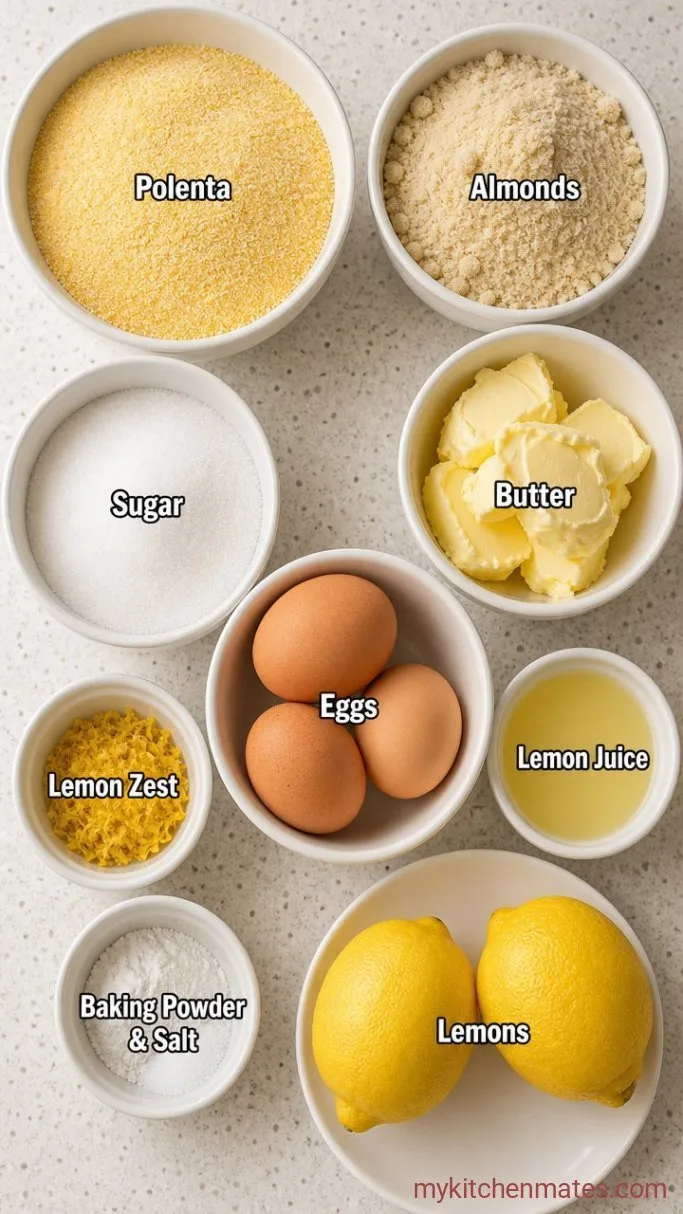
- 1 cup (170 g) fine polenta: quick-cooking polenta gives the softest crumb
- 1 cup (100 g) ground almonds: almond flour works equally well
- 1 cup (200 g) granulated sugar
- ½ cup (115 g) unsalted butter, softened
- 3 large eggs
- Zest of 2 lemons: about 2 packed tablespoons
- 2 tbsp lemon juice
- 1 tsp baking powder: use a gluten-free brand if needed
- ¼ tsp salt
- For the syrup:
- ¼ cup (60 ml) fresh lemon juice
- ¼ cup (50 g) granulated sugar
Variations / Substitutions
- Dairy-free: swap the butter for a good vegan block butter; the cake will be a fraction less rich but still tender.
- Orange instead of lemon: replace lemon zest and juice with orange zest and juice for a gentler citrus flavor.
- Lower sugar: you can use ¾ cup (150 g) sugar in the cake batter; the cake will be a little less sweet and the crumb slightly firmer.
Blueberry Lavender Lemonade makes the perfect drink to sip alongside this cake.
How To Make Lemon Polenta Cake
Step 1: Cream the Butter and Sugar
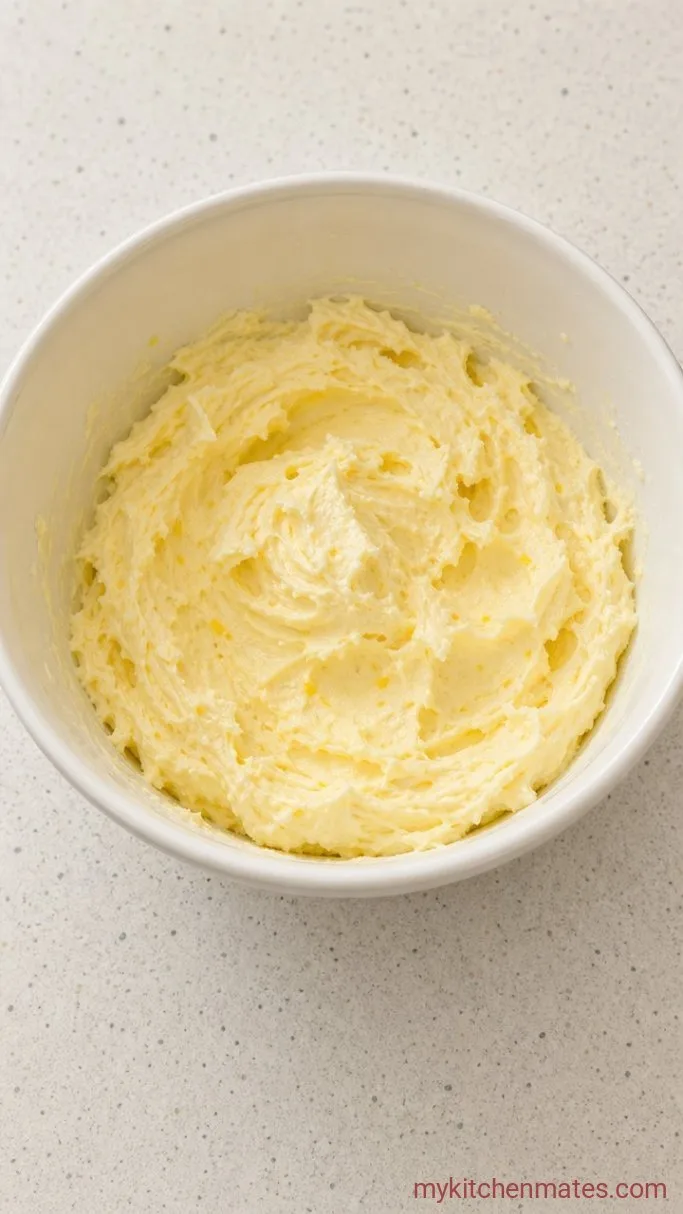
Beat the softened butter and sugar with a hand mixer or in a stand mixer until pale and fluffy, about 3 minutes. The mixture should look creamy and lighten in color, not just combined.
Add the eggs one at a time, beating well after each one. Then mix in the lemon zest and the 2 tablespoons of lemon juice. The batter may look a little curdled at this stage, and that’s fine.
Step 2: Fold in the Polenta and Almonds
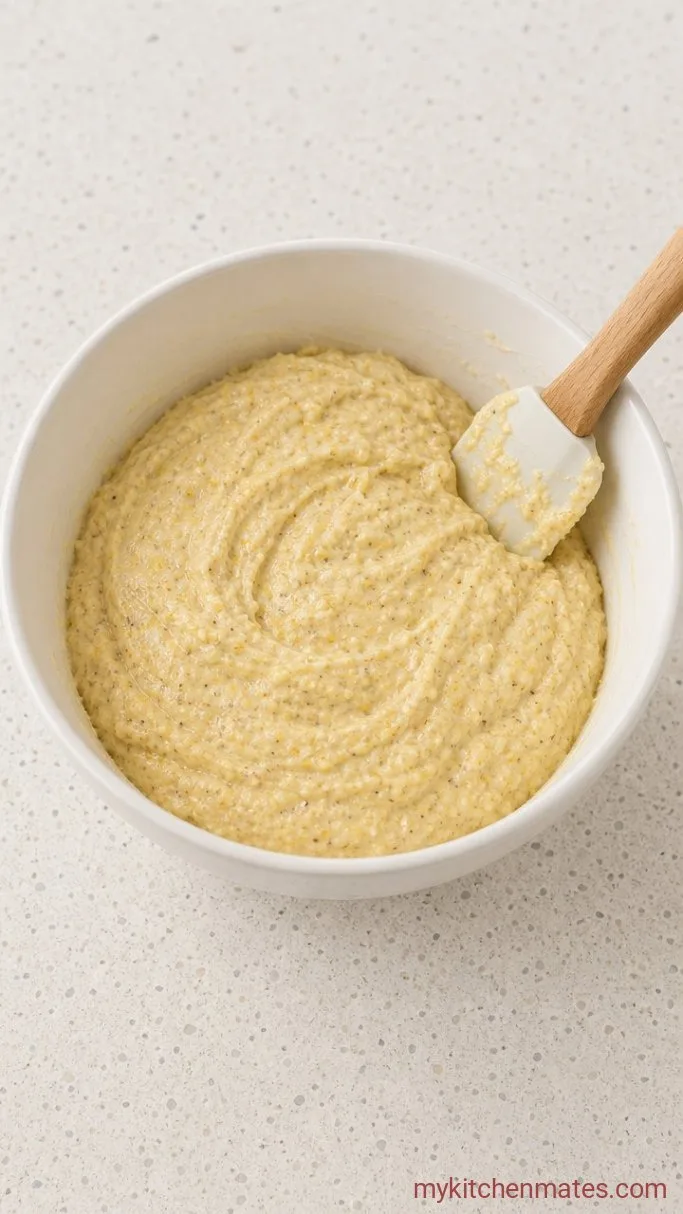
Stir the polenta, ground almonds, baking powder, and salt together in a small bowl so the baking powder is evenly distributed. Tip the dry mix into the butter mixture and fold gently with a spatula just until no dry streaks remain.
Stop folding as soon as everything is combined; overworking the batter can make the cake tough. The batter will be thicker than a typical cake batter, with a grainy look from the polenta.
Step 3: Bake the Cake
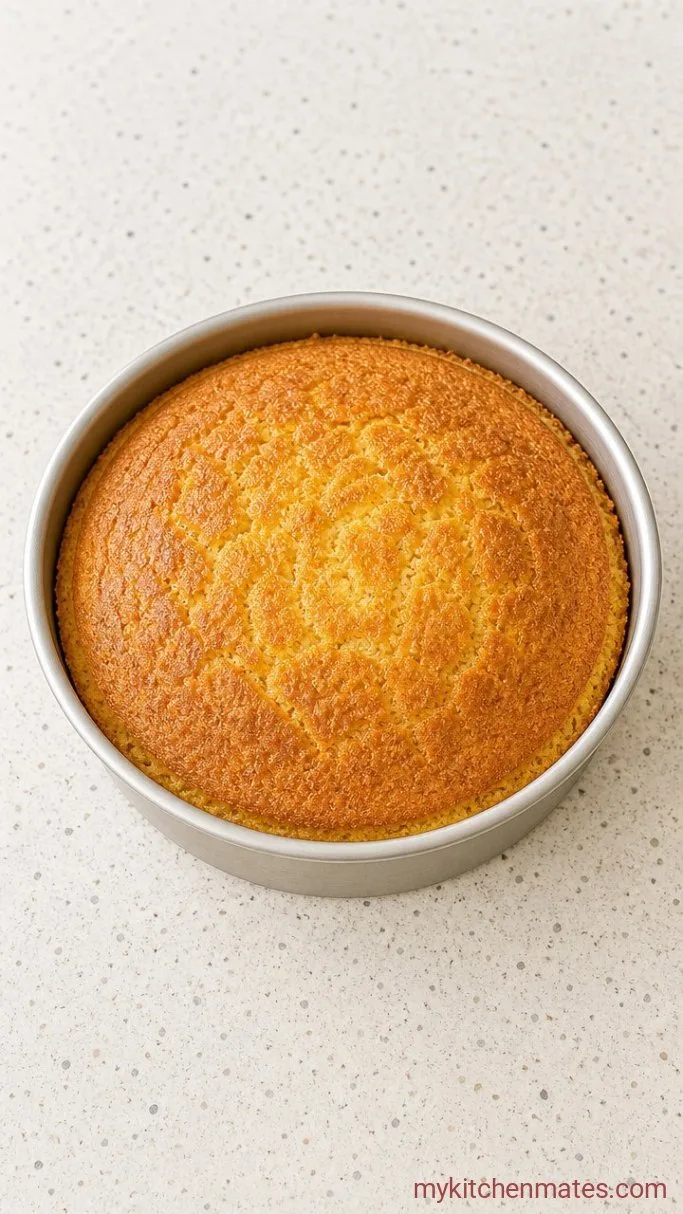
Preheat the oven to 350°F (180°C). Butter an 8-inch round cake pan and line the bottom with parchment paper. Scrape the batter into the pan and smooth the top.
Bake for 40 to 45 minutes, until the cake is golden and a toothpick pushed into the center comes out clean or with a few moist crumbs. The top will feel springy and the edges will pull away from the pan slightly.
Step 4: Soak with Lemon Syrup and Serve
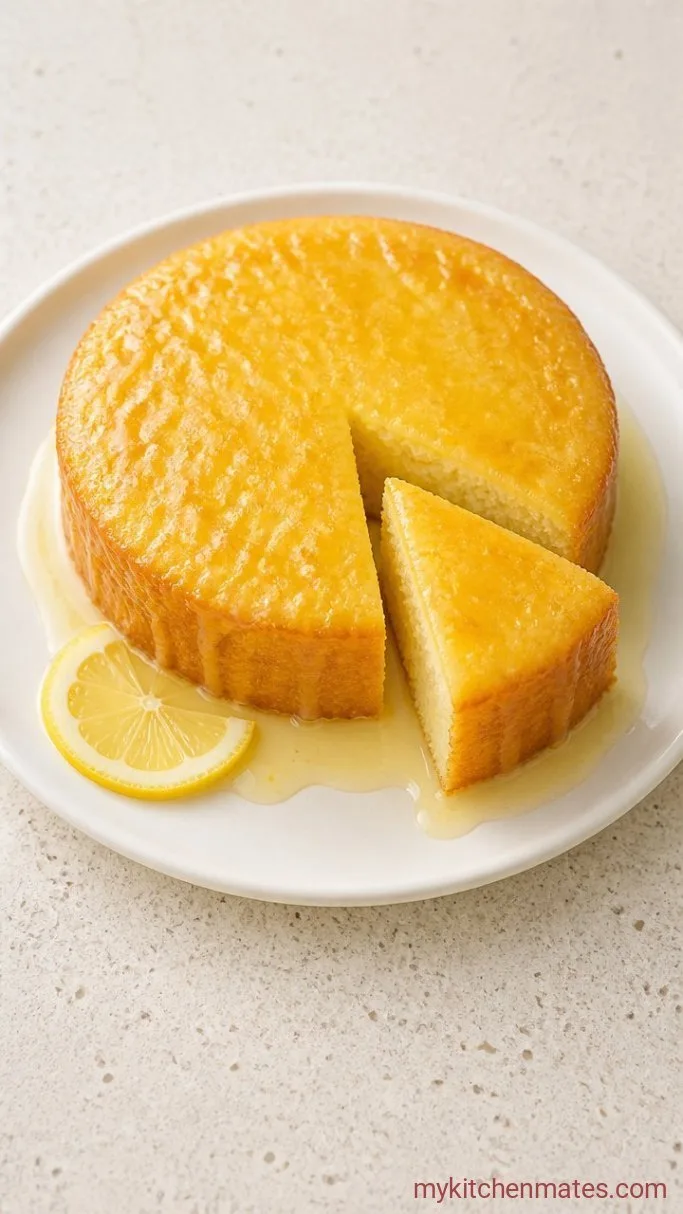
While the cake bakes, warm the lemon juice and sugar for the syrup in a small pan over low heat, stirring just until the sugar dissolves. Do not let it boil.
As soon as the cake comes out of the oven, poke holes all over the top with a skewer and slowly pour the warm syrup over the surface. Leave the cake in the pan to cool completely so the syrup soaks in, then run a knife around the edge, turn it out, and slice. Dust with powdered sugar if you like and serve at room temperature.
Tips for a Soft, Syrupy Cake
- Use fine polenta or finely ground cornmeal. Coarse polenta will stay gritty even after baking.
- Don’t rush the cooling. Letting the cake rest in the pan gives the syrup time to soak all the way through.
- Line the pan with a circle of parchment paper in addition to buttering it. The sticky syrup can grab onto the pan if you skip the parchment.
- If you want a lighter crust, tent the cake loosely with foil after the first 30 minutes of baking.
Bake times shift a bit depending on your pan:
| Pan Size | Bake Time |
|---|---|
| 8-inch round pan | 45-50 mins |
| 9-inch round pan | 40-45 mins |
| 9×5-inch loaf pan | 50-55 mins |
Storing Leftover Cake
- Refrigerate: keep the cake in an airtight container for up to 5 days. The texture stays moist and fudgy straight from the fridge.
- Serve cold: this cake tastes just as good cold as it does at room temperature, so you don’t need to warm it up.
What To Serve With Lemon Polenta Cake
A thick spoonful of Greek yogurt or a cloud of softly whipped cream cuts through the lemon’s bright tang nicely. Fresh raspberries or a quick berry compote add a jammy contrast that works really well with the coarse crumb.
Frequently Asked Questions
Can I use coarse polenta instead of fine?
Coarse polenta stays gritty no matter how long you bake the cake. Stick with fine polenta or medium-grind cornmeal for the smoothest texture.
Is there a nut-free option?
You can swap the ground almonds for an equal weight of fine polenta, but the cake will be denser and less tender. I wouldn’t recommend it unless you have to avoid nuts.
Why did my cake stick to the pan?
The warm syrup makes the cake prone to sticking, so lining the pan with parchment paper is a must. Butter the paper and the sides well before adding the batter.
Can I use a different citrus?
Absolutely. Blood orange, Meyer lemon, or regular orange all work. The syrup will be a little sweeter with orange, so you might reduce the sugar in the syrup by a tablespoon.
Lemon Polenta Cake Recipe
Ingredients
Method
- Beat the butter and sugar until pale and fluffy, about 3 minutes. Add eggs one at a time, then mix in lemon zest and lemon juice.
- Whisk together polenta, almonds, baking powder, and salt. Fold into the butter mixture until just combined.
- Preheat oven to 350°F. Butter an 8-inch round pan and line with parchment. Spread batter in the pan and bake 40 to 45 minutes until golden and a toothpick comes out clean.
- Warm lemon juice and sugar for the syrup until dissolved. Poke holes in the hot cake and pour syrup over the top. Cool completely in the pan, then turn out and serve.
Notes
