
Bright and Tender Lemon Loaf Cake

This lemon loaf cake gets its soft texture from buttermilk and two rounds of lemon so every bite tastes bright and fresh. It bakes in a standard loaf pan and the simple lemon glaze sets to a thin, crackly shell on top.
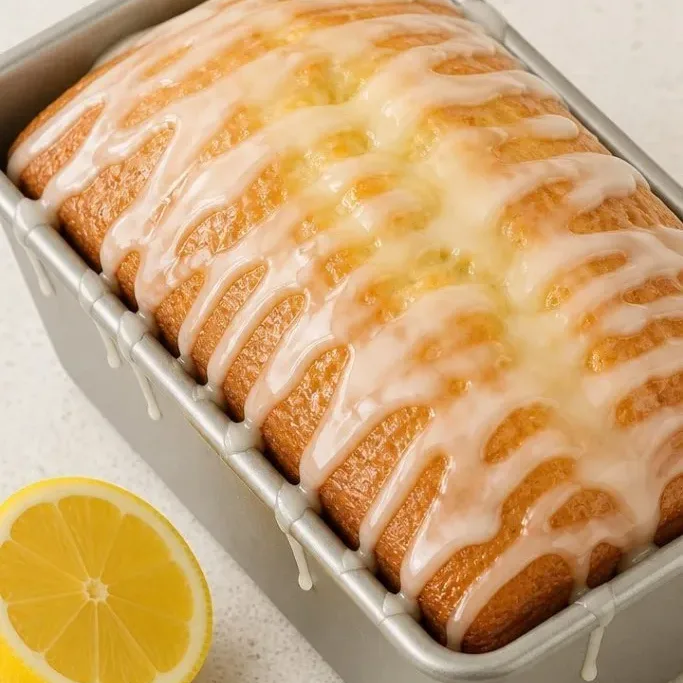
It is the kind of cake that feels right at home on a brunch table or next to an afternoon cup of coffee, and it holds its moisture for days.
What Makes This Lemon Loaf So Good
The crumb is tight but never dry because buttermilk and butter work together to keep it soft. Lemon zest gives the cake a floral, citrusy backbone, while a brush of warm lemon syrup pushes the flavor into every layer.
A pourable lemon glaze cools into a thin, slightly crisp shell that cracks when you slice into it. That contrast between the tender loaf and the snappy glaze is what makes it worth turning on the oven.
I like loaf cakes because they bake up without fuss, slice clean, and get better after a day on the counter. This one has been my go-to when I need a straightforward cake that still feels a little special.
Ingredients
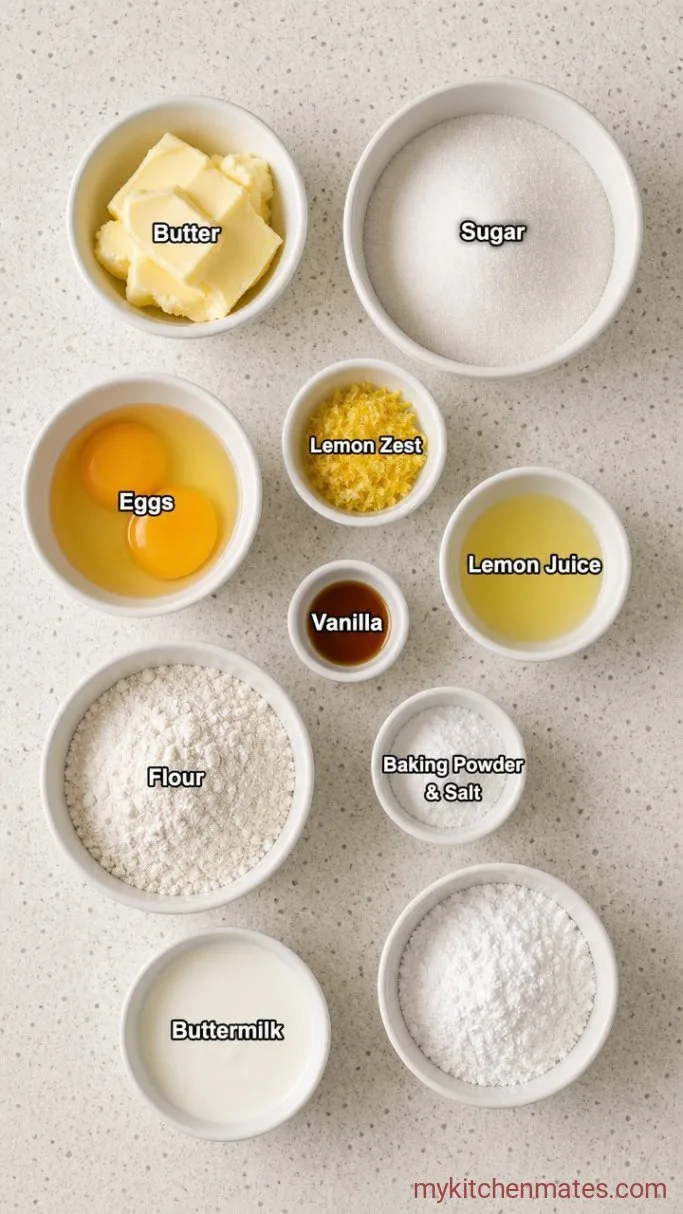
- 1/2 cup unsalted butter, softened: gives the loaf richness and helps the crumb stay tender
- 1 cup granulated sugar: sweetens the cake and creams with the butter for structure
- 2 large eggs, at room temperature: adds moisture and stability
- 1 tbsp lemon zest: packed, from about 2 medium lemons
- 2 tbsp fresh lemon juice: brightens the batter and works with the syrup and glaze
- 1 tsp vanilla extract: rounds out the lemon
- 1 1/2 cups all-purpose flour: spooned and leveled
- 1 1/2 tsp baking powder: the main leavener
- 1/2 tsp fine salt: balances the sweetness
- 1/2 cup buttermilk, at room temperature: activates the baking powder and makes the loaf extra moist
Lemon Syrup
- 1/4 cup granulated sugar: dissolves into a light soak
- 2 tbsp fresh lemon juice: creates a sharp, sweet syrup
Lemon Glaze
- 1 cup powdered sugar: the base for a smooth, pourable finish
- 2 to 3 tbsp fresh lemon juice: enough to reach a thick but drizzle-able consistency
Variations and Substitutions
- Use full-fat plain yogurt: if buttermilk is not on hand, yogurt keeps the loaf just as tender. Thin it with a spoonful of milk if it is very thick.
- Swap in orange: use orange zest and juice for a milder citrus loaf that still works beautifully with the syrup and glaze.
- Dairy-free option: replace the butter with a neutral oil, use plant milk plus 1 1/2 tsp lemon juice in place of buttermilk, and skip the syrup or use a simple lemon soak. The texture softens a little but stays moist.
- Fold in 1 tbsp poppy seeds: they add a gentle crunch without changing the bake time.
Lemon Curd Cake is another reader favorite dessert worth making next.
How to Make Lemon Loaf Cake
Step 1: Cream the Butter and Sugar
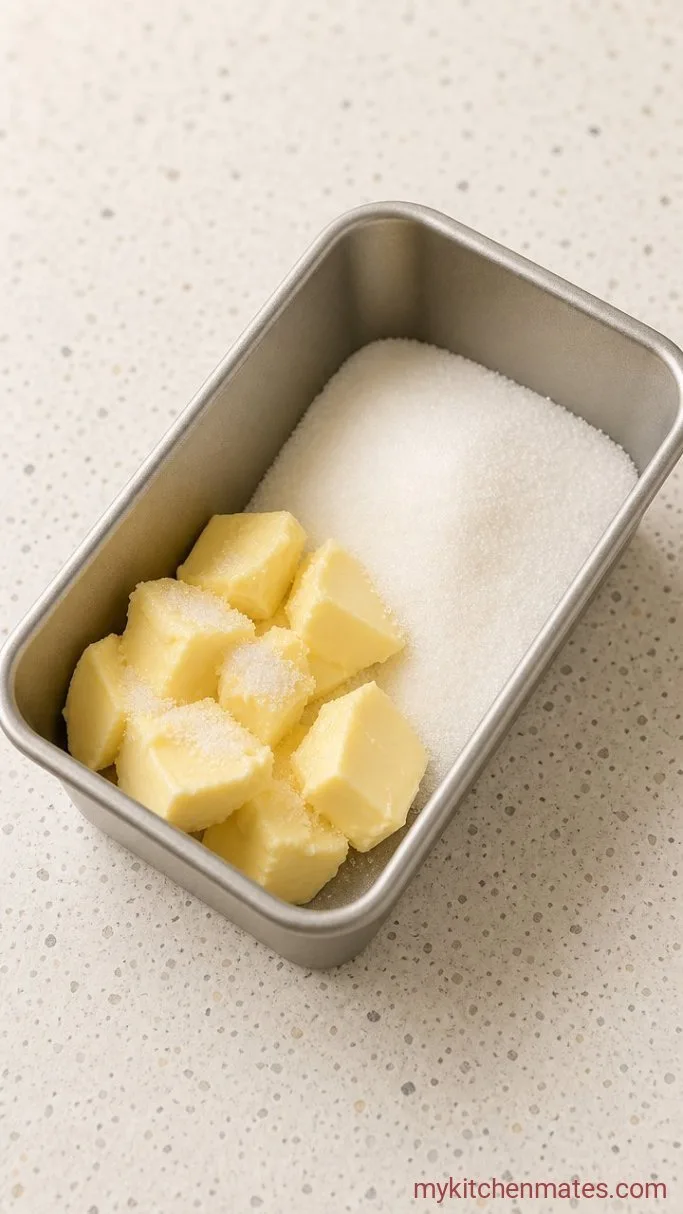
Heat oven to 350°F (175°C) and line a 9×5 inch loaf pan with parchment. In a large bowl, beat the 1/2 cup softened butter and 1 cup granulated sugar with a hand mixer or a stand mixer fitted with the paddle attachment. Beat for about 3 minutes on medium speed, until the mixture looks pale and fluffy.
The sugar granules will cut into the butter, creating tiny pockets of air that help the loaf rise. If you stop early, the batter will still come together but the top of the cake will be denser and less domed.
Step 2: Add the Eggs, Zest, and Juice
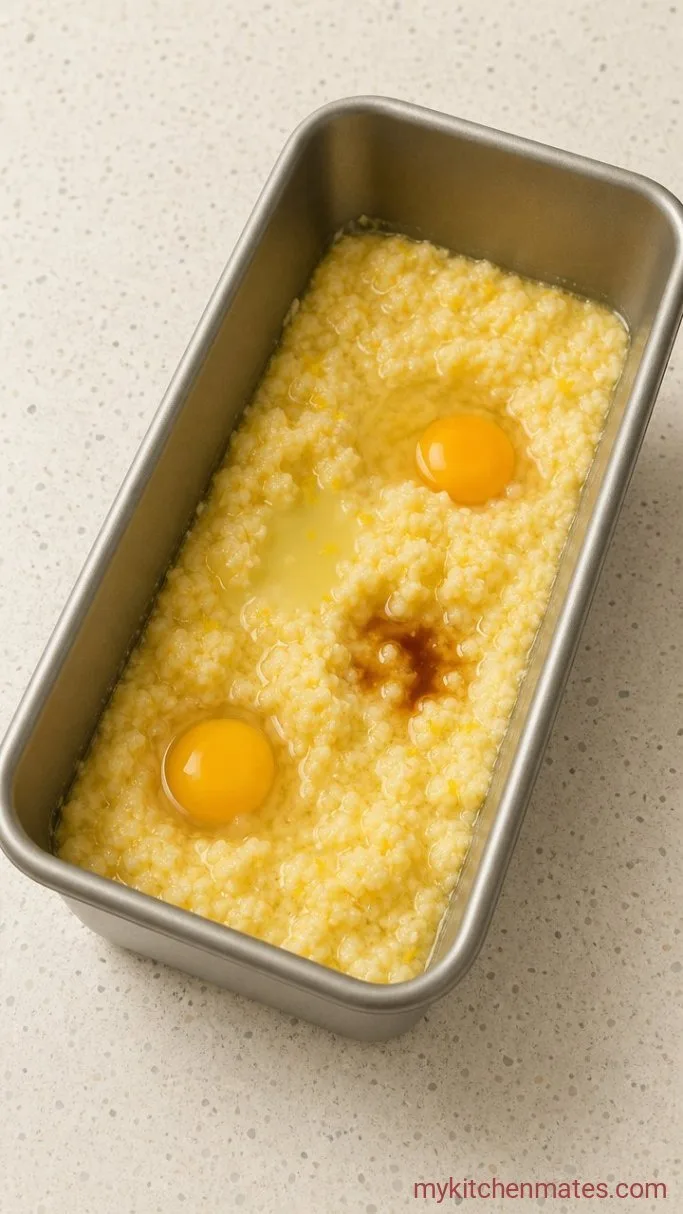
Crack the 2 eggs into the bowl one at a time, beating well after each so the batter stays smooth. Add the 1 tbsp lemon zest, 2 tbsp lemon juice, and 1 tsp vanilla, then beat on low just until combined.
The batter may look a little curdled after the lemon juice hits the butter mixture. That is normal and the dry ingredients will smooth it out in the next step. You will smell the lemon oil releasing from the zest right away, and that aroma gets stronger in the oven.
Step 3: Alternate the Dry Mix and Buttermilk
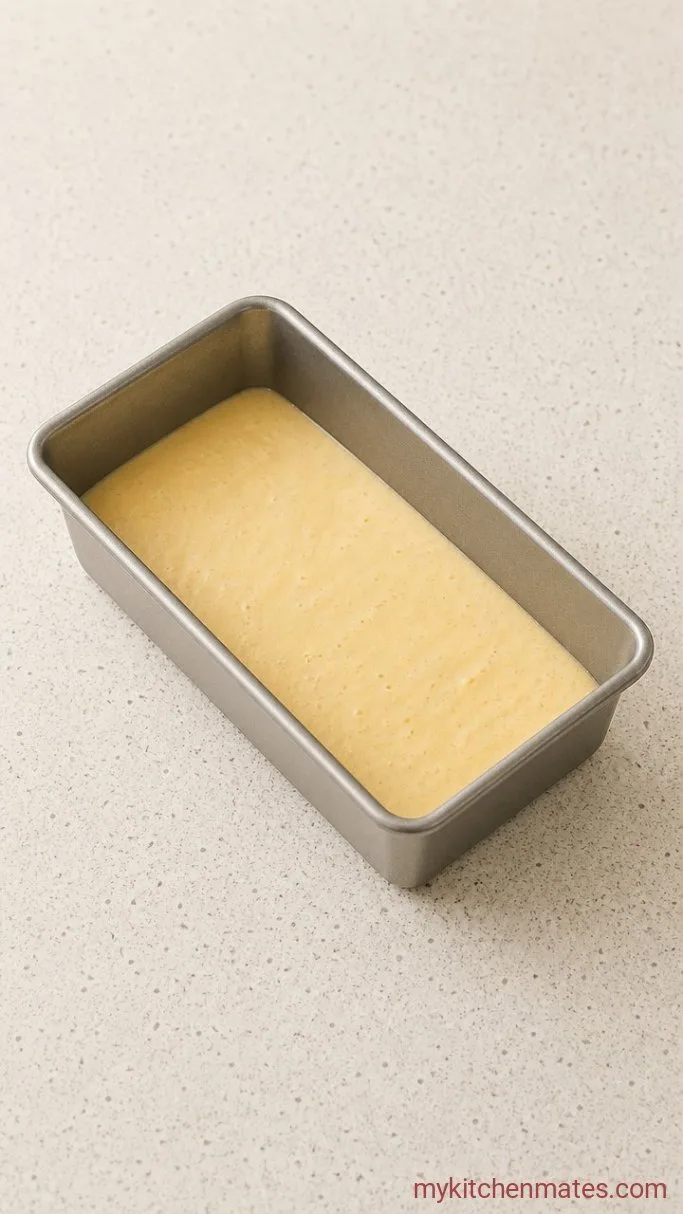
In a separate bowl, whisk together the 1 1/2 cups flour, 1 1/2 tsp baking powder, and 1/2 tsp salt. On low speed, add half of this flour mixture to the butter mixture, then pour in the 1/2 cup buttermilk and mix briefly. Add the remaining flour mixture and stir just until no dry streaks remain.
Stop as soon as the flour disappears. Overmixing develops gluten and can make the loaf tough and gummy instead of tender. The finished batter will be thick and spoonable, not pourable.
Step 4: Bake the Loaf
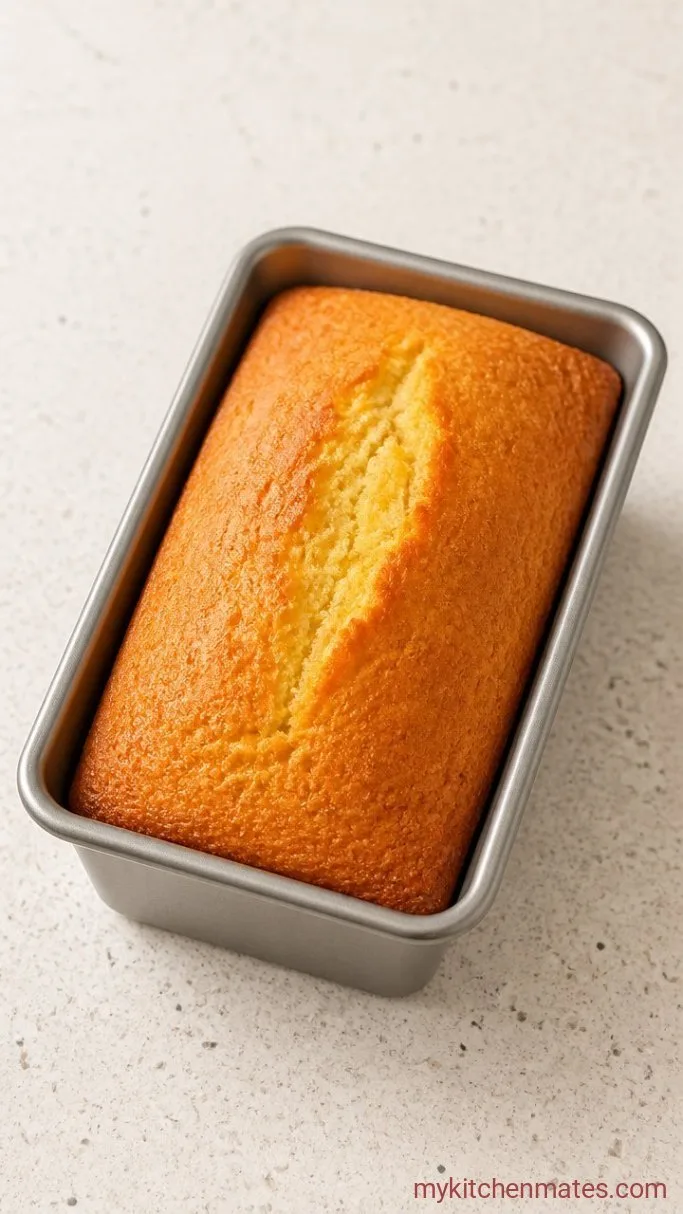
Scrape the batter into the prepared loaf pan and smooth the top. Bake on the center rack for 50 to 55 minutes, until a toothpick inserted in the middle comes out clean or with a few moist crumbs.
The loaf will dome and the edges will pull just away from the pan. While the cake bakes, stir the 1/4 cup sugar and 2 tbsp lemon juice for the syrup in a small bowl and set it aside. The sugar will not fully dissolve right away, but a few stirs during the bake will help.
Step 5: Soak and Glaze the Warm Loaf
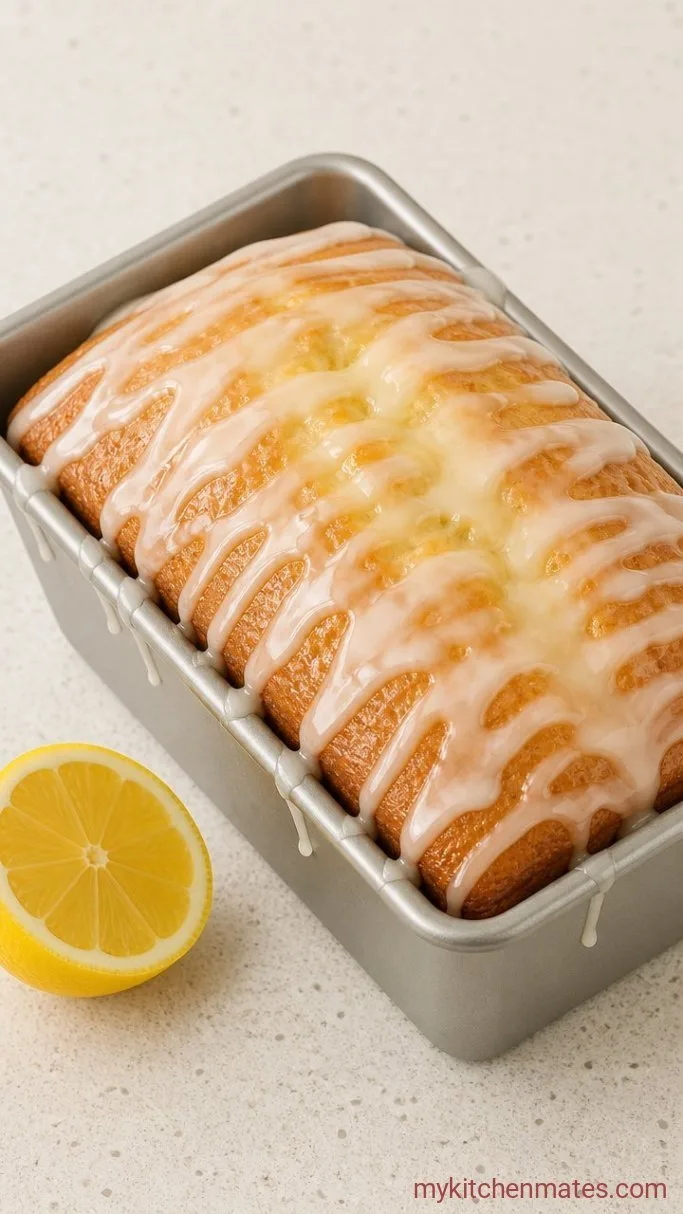
Let the loaf cool in the pan for 10 minutes, then lift it out by the parchment. Brush the warm syrup all over the top and sides with a pastry brush, letting it soak in slowly. Move the loaf to a rack and cool for another 20 minutes before glazing, so the heat does not melt the icing straight off.
Whisk the 1 cup powdered sugar with 2 tbsp lemon juice in a small bowl, adding the last 1 tbsp juice only if needed to reach a thick but pourable texture. Spoon the glaze over the top of the cooled loaf and let it drip naturally down the sides. Once the glaze sets to a thin shell, slice and serve. The crumb will be moist and golden, and the top will crack cleanly under the knife.
Tips for the Best Loaf Cake
- Bring all cold ingredients to room temperature before you start. Butter, eggs, and buttermilk that are cool but not fridge-cold cream together more smoothly and trap more air.
- Zest the lemons before juicing them. Pressing a juiced lemon half against a zester is messy and you lose most of the oils.
- Poke the warm cake a few times with a skewer before brushing on the syrup. Tiny holes let the lemon sink deeper into the loaf.
- For a thicker, snow-white glaze, use a little less juice and stir until the powdered sugar loses its loose, dusty look. It will cling to the loaf instead of running off.
One quick table for oven timing: the loaf is ready when a toothpick shows moist crumbs, but the bake can shift a few minutes with the pan you use.
| Pan Type | Bake Time |
|---|---|
| Light metal loaf pan | 50-55 mins |
| Dark metal or glass loaf pan | 55-60 mins |
Storing Leftovers
Once the glaze is fully set, wrap the loaf tightly in plastic wrap or keep it under a cake dome at room temperature for up to 3 days. In warm weather, pop it in the fridge for up to 5 days and bring slices to room temp before eating.
Reheat individual slices in the microwave for 10 to 15 seconds if you want them warm, though the glaze will soften. The loaf also freezes well without the glaze for up to 2 months, so you can add the glaze after thawing.
What to Serve With Lemon Loaf Cake
A bowl of lightly macerated strawberries or raspberries spooned next to a slice cuts the richness with fresh, juicy tartness. Whipped cream or a scoop of good vanilla ice cream turns it into a simple dessert. On a cool morning, a mug of black tea balances the bright citrus without competing.
Frequently Asked Questions
Can I use oil instead of butter?
Yes, swap in 1/2 cup of a neutral vegetable oil. The loaf will be moist and soft but less airy than a butter-based version.
Can I make this cake ahead?
Absolutely. The loaf stays moist for a few days and the lemon flavor deepens overnight on the counter, so baking it a day ahead works well.
Can I freeze the whole loaf?
You can freeze the unglazed cake wrapped in a double layer of plastic for up to 2 months. Thaw at room temperature and add the glaze just before serving.
Why does the glaze sometimes soak into the cake?
If you glaze the loaf while it is still very warm, the heat will melt the sugar and pull it into the crumb. Wait until the cake feels just slightly warm to the touch, about 20 minutes out of the pan.
Lemon Loaf Cake Recipe
Ingredients
Method
- Heat oven to 350°F. Line a 9×5 inch loaf pan with parchment. Beat butter and sugar until pale and fluffy, about 3 minutes.
- Add eggs one at a time, then mix in lemon zest, 2 tbsp lemon juice, and vanilla until combined.
- Whisk flour, baking powder, and salt in a bowl. Add half to the butter mixture, then the buttermilk, then remaining flour. Stir just until no dry streaks remain.
- Scrape batter into pan and bake 50-55 minutes until a toothpick comes out clean. Stir the 1/4 cup sugar and 2 tbsp lemon juice for the syrup while the cake bakes.
- Cool in pan 10 minutes, lift out, brush warm syrup all over. Cool 20 minutes, then whisk powdered sugar with 2-3 tbsp lemon juice for glaze. Spoon over the cake, let set, slice and serve.
Notes
