
Sweet and Savory Korean Short Ribs (Galbi)

Korean short ribs, or galbi, hang on the power of a great marinade. Soy, brown sugar, sesame, and fresh pear work together to give thin-cut beef a deep caramelized crust in just minutes on a hot pan.
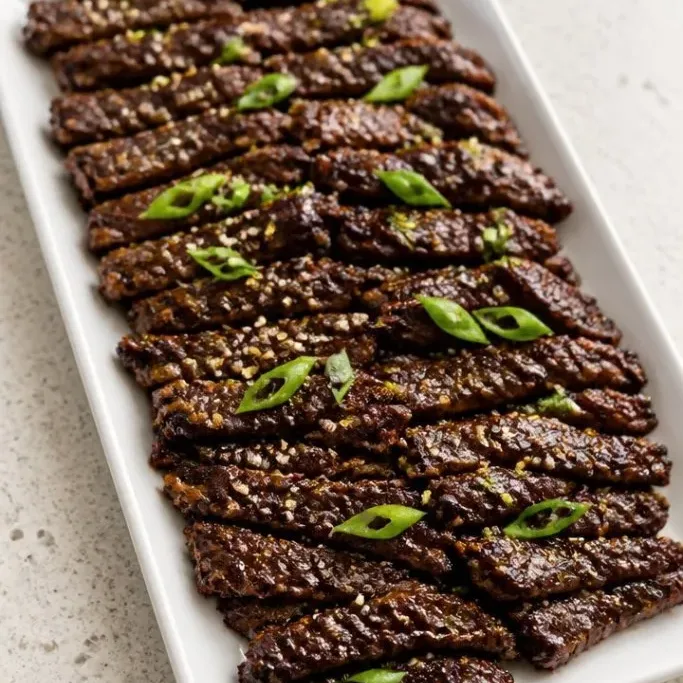
They cook so quickly that I often make them on a Tuesday, letting the meat soak while I prep the rest of dinner. Serve them with rice and crisp lettuce wraps for a meal that tastes like a weekend barbecue.
Why This Galbi Marinade Works
The marinade strikes a balance between salty, sweet, and nutty without being heavy. Grated Asian pear does double duty here: its fruit sugars help with browning, and natural enzymes gently tenderize the meat.
When the ribs hit a screaming-hot skillet, the sugars bubble into a glossy, slightly charred finish that clings to every bite. This is the version I keep coming back to because it works with whatever short ribs I can find, and it tastes the same every time.
Ingredients

- 3 tbsp soy sauce: use regular or low-sodium, but not dark soy
- 3 tbsp brown sugar: light or dark both work; packs the signature sweetness
- 2 tbsp sesame oil: toasted sesame oil gives the deep, nutty base
- 1 tbsp rice vinegar: rounds out the richness with a tiny sharp edge
- 3 cloves garlic, minced: fresh, not jarred, for that punch
- 1 tsp grated ginger: use a microplane to keep it paste-like
- ½ Asian pear, grated (about ⅓ cup): acts as a tenderizer and adds mellow sweetness
- 2 green onions, thinly sliced: white and green parts, divided
- 1 tsp sesame seeds: plus more for garnish
- ¼ tsp black pepper: just a gentle warmth
- 2 lbs beef short ribs, flanken cut: look for slices about ½ inch thick across the bone
Variations / Substitutions
- No Asian pear?: swap in 1 small kiwi, peeled and mashed, or ½ a grated Fuji apple. Kiwi is a little stronger, so reduce marinating time to 1 hour max.
- Different protein: boneless short ribs or thinly sliced ribeye work well. Cut any thicker piece across the grain so the marinade can seep in.
- Sweetness swap: replace the brown sugar with 2 tbsp honey or 3 tbsp mirin.
- A little heat: stir 1 tsp gochujang or a pinch of red pepper flakes into the marinade.
- Gluten-free: use tamari in place of soy sauce.
Soft and Cheesy Korean Cheese Buns are perfect for serving on the side of these ribs.
How to Make Korean Short Ribs
Step 1: Mix the Marinade
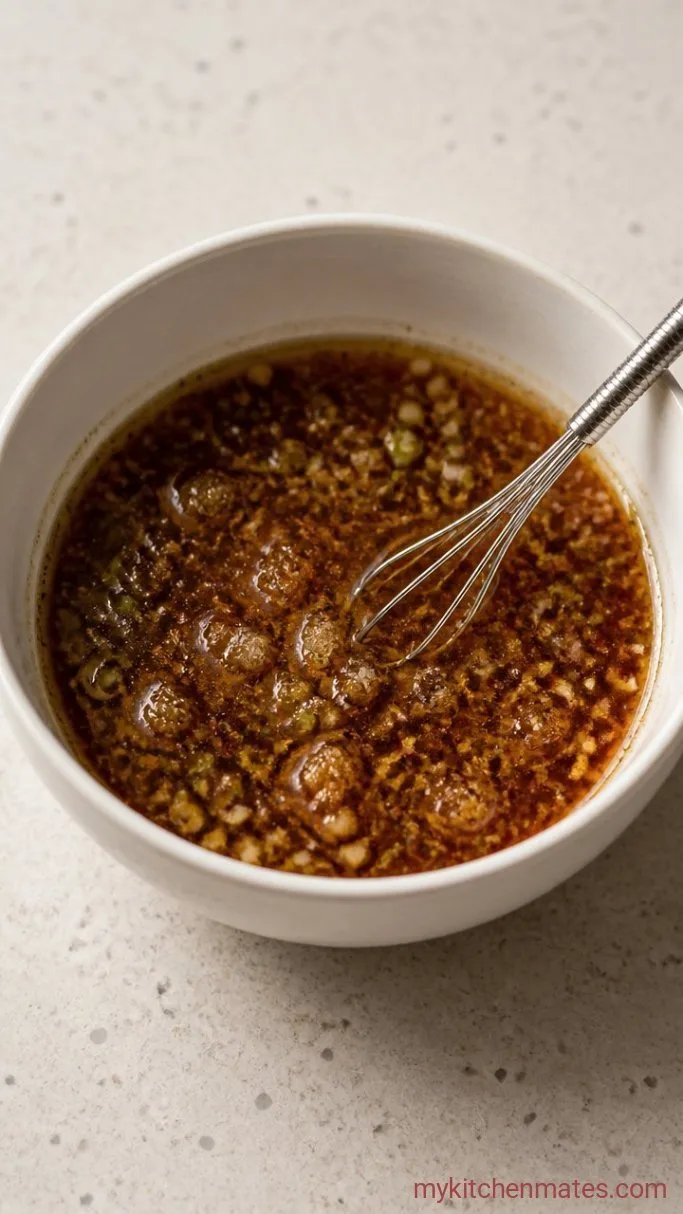
In a large bowl, whisk together the 3 tbsp soy sauce, 3 tbsp brown sugar, 2 tbsp sesame oil, 1 tbsp rice vinegar, the grated Asian pear, minced garlic, grated ginger, and ¼ tsp black pepper. Keep whisking until the sugar dissolves completely and the mixture looks cloudy and thin enough to coat the back of a spoon.
The marinade will smell nutty and sweet with a sharp ginger bite, and the pear gives it just enough body to cling to the meat later.
Step 2: Coat the Ribs
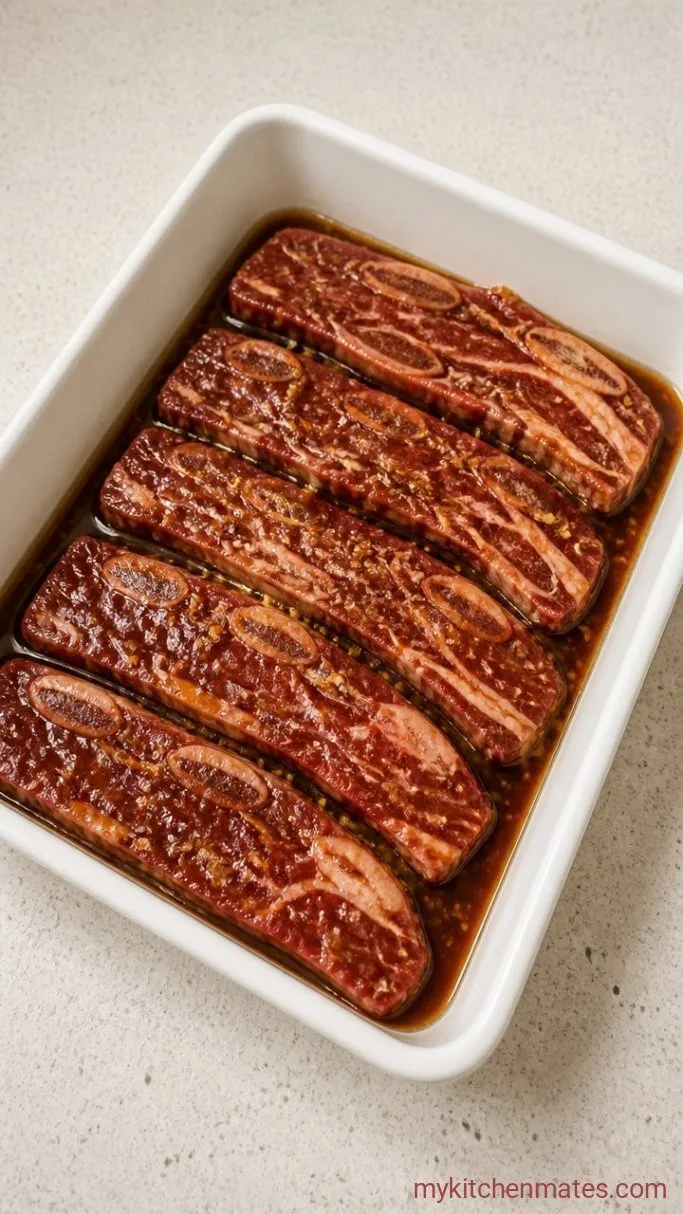
Pat the short ribs dry with paper towels so the marinade grips better. Add them to the bowl and use your hands to massage the liquid into every crevice and around each bone. Cover the bowl and let the meat sit at room temperature for 30 minutes, or refrigerate for up to 4 hours.
Thin flanken-cut ribs take up flavor fast, so even a half-hour soak makes a visible difference. The pear’s enzymes soften the meat without turning it mushy, which means you can marinate longer without worrying about a mealy bite.
Step 3: Sear the Ribs

Set a heavy skillet or grill pan over high heat and let it get screaming hot, about 2 minutes. Lay the ribs in a single layer, working in batches so the pan stays hot. Cook for 3 to 4 minutes per side, until the edges are deeply browned and the sugar in the marinade has charred in spots.
You will hear a loud sizzle the moment the meat hits the metal. Flip gently with a thin spatula because the glaze can stick, and if a few bits tear, they will taste just as good. The bones might char a little around the edges, which adds a subtle smoky note without tasting burnt.
Step 4: Slice and Serve
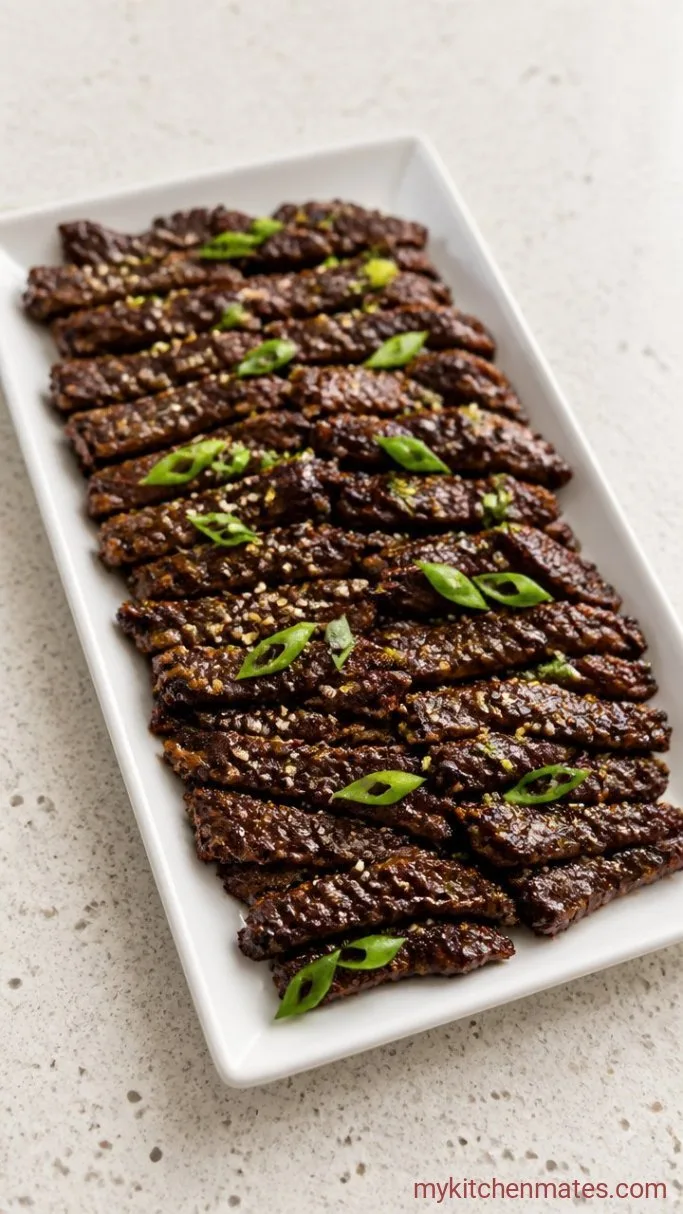
Move the cooked ribs to a cutting board and let them rest for about a minute so the juices settle. Slice between each bone into individual short ribs and pile them onto a serving plate.
Scatter the remaining sliced green onions and extra sesame seeds over the top. Spoon any dark pan juices left in the skillet right over the meat. Serve while the ribs are still hot and the glaze is glossy.
Tips for the Best Galbi
- Choose the right cut: flanken-style ribs sliced ½ inch thick cook fast and stay tender. English-cut short ribs are too thick and do not work the same way here.
- If your ribs are frozen, submerge the sealed package in cold water for about 30 minutes to thaw gently before marinating.
- On the grill, sugar can flare up. Keep a spray bottle of water handy and move the ribs to a slightly cooler part of the grate if the flames jump too high.
- Leftover marinade is not safe to use raw, but you can boil it for 3 to 4 minutes and spoon it over the cooked meat like a dipping sauce.
Cook times by method:
| Method | Heat | Time Per Side |
|---|---|---|
| Cast Iron Skillet | High | 3 to 4 mins |
| Gas Grill | High (450-500°F) | 3 to 4 mins |
| Charcoal Grill | Direct high heat | 2 to 3 mins |
Storing Leftover Galbi
Refrigerate: pack the ribs in an airtight container and keep them for up to 3 days.
Reheating: warm them in a skillet over medium heat for about 1 minute per side until heated through. A quick zap in the microwave works in a pinch.
What to Serve with Korean Short Ribs
Steamed white rice is non-negotiable: it soaks up every bit of the sticky glaze. A quick cucumber salad or a pile of pungent kimchi cuts through the richness and wakes up your palate. For a full spread, ladle a bowl of soft tofu stew and pile cold, crisp lettuce leaves on the side to wrap the meat right off the bone.
Frequently Asked Questions
What is the difference between galbi and kalbi?
Both names refer to the same dish. Kalbi is closer to the Korean pronunciation, while galbi is a common anglicized spelling. You can use either term.
Can I cook Korean short ribs in the oven?
Yes. Place a rack about 6 inches from the broiler and heat it on high. Cook the ribs on a foil-lined sheet pan for 4 to 5 minutes per side, watching closely so the edges char but do not burn.
Why are my ribs tough?
Flanken-cut ribs turn tough when cooked over heat that is too low, which steams the meat instead of searing it. Make sure your pan or grill is intense from the start, and avoid crowding so the temperature does not drop.
How do I prevent the sugar from burning?
A little dark char is normal, but if the marinade burns fast, turn the heat down slightly to medium-high. Also, patting excess liquid off the ribs before they go into the pan reduces the amount of sugar that hits hot metal at once.
Korean Short Ribs Recipe
Ingredients
Method
- Whisk the soy sauce, brown sugar, sesame oil, rice vinegar, pear, garlic, ginger, and black pepper until the sugar dissolves.
- Pat the ribs dry, add them to the marinade, and turn to coat every piece. Cover and let marinate at room temperature for 30 minutes or refrigerate up to 4 hours.
- Heat a heavy skillet over high heat. Sear the ribs in batches for 3 to 4 minutes per side until deeply caramelized.
- Rest the ribs for 1 minute, then slice between bones. Garnish with green onion and sesame seeds, and pour over any pan juices.
Notes
