
Soft Korean Salt Bread (Salted Butter Rolls)

These rolls are the kind of bread you pull apart while still warm, each one hiding a pocket of melted salted butter inside. The crumb is feathery soft and just a little chewy, with a thin golden shell that crackles slightly under a bite of flaky salt.

They look like they belong in a bakery window, but they come together with basic enriched dough and one simple folding trick. Make them once and they’ll become a weekend staple.
What Makes These Rolls So Good
The milk, egg, and butter in the dough give it a tender, pillowy texture that stays soft for days. It’s an enriched bread that feels almost like brioche but with less heft, so you can eat two without thinking twice.
The real hook is the contrast. When you tear the roll open, the salted butter that was tucked inside has melted into every layer, leaving a faintly salty, glossy swirl right in the center. That combo of creamy crumb and crunchy salt crust is why these disappear fast.
The dough is forgiving. A long rise develops flavor without much effort, and shaping is just a quick fold and seal. If you’ve made any yeasted roll before, this one will feel familiar.
Ingredients
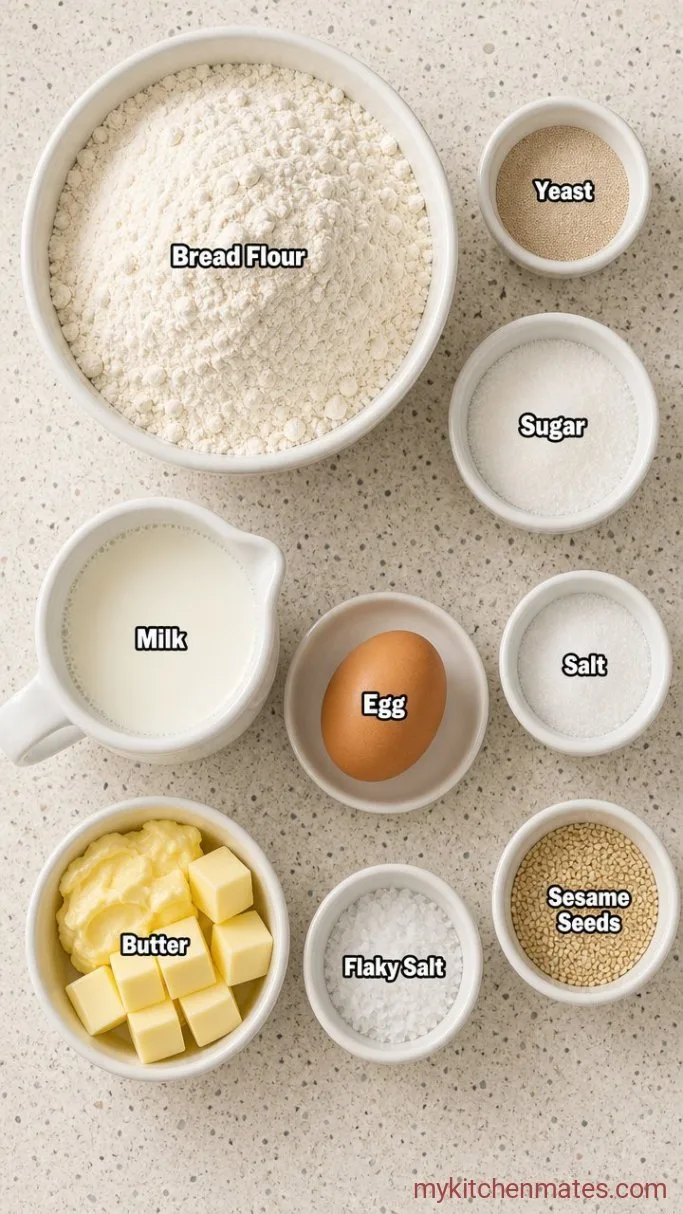
- 2 1/2 cups (300g) bread flour: higher protein keeps the rolls soft yet sturdy enough to hold the filling
- 2 1/4 tsp (7g) instant yeast: one standard packet, no need to proof first
- 2 tbsp (25g) granulated sugar: adds a subtle sweetness that balances the salt
- 1/2 tsp fine sea salt: for the dough; the finishing salt goes on top
- 3/4 cup (180ml) whole milk, warmed to about 105°F (40°C): warm enough to activate the yeast without killing it
- 1 large egg, at room temperature: enriches the dough and helps browning
- 3 tbsp (42g) unsalted butter, very soft: worked into the dough after the initial mix
- 4 tbsp (56g) cold unsalted butter, cut into 8 equal small cubes: the salted butter filling; cold so it stays in a piece rather than melting into the dough too early
- 1 egg yolk + 1 tbsp milk, for the egg wash: gives the shiny crust
- Flaky sea salt (like Maldon), for topping: the final salty crunch
- Sesame seeds (optional): a sprinkle adds a little toasty note
A Few Swaps and Variations
- Swap the flour: all purpose flour works if bread flour isn’t on hand, though the rolls will be slightly less chewy.
- Use a different sweetener: honey or brown sugar adds a deeper, more caramel like sweetness; keep the total sweetener amount about the same.
- Make them dairy free: use oat milk instead of dairy milk and a good plant based butter stick for both the dough and the filling; the texture will be a touch less rich.
- Add a small cheese cube: tuck a tiny cube of mild cheddar or mozzarella next to the butter for a cheesy salty center.
- Change the topping: everything bagel seasoning on top before baking turns these into a hybrid roll with onion and garlic notes.
Korean Army Stew is a cozy soup to serve with this bread.
How To Make Korean Salt Bread
Step 1: Mix the Soft Dough
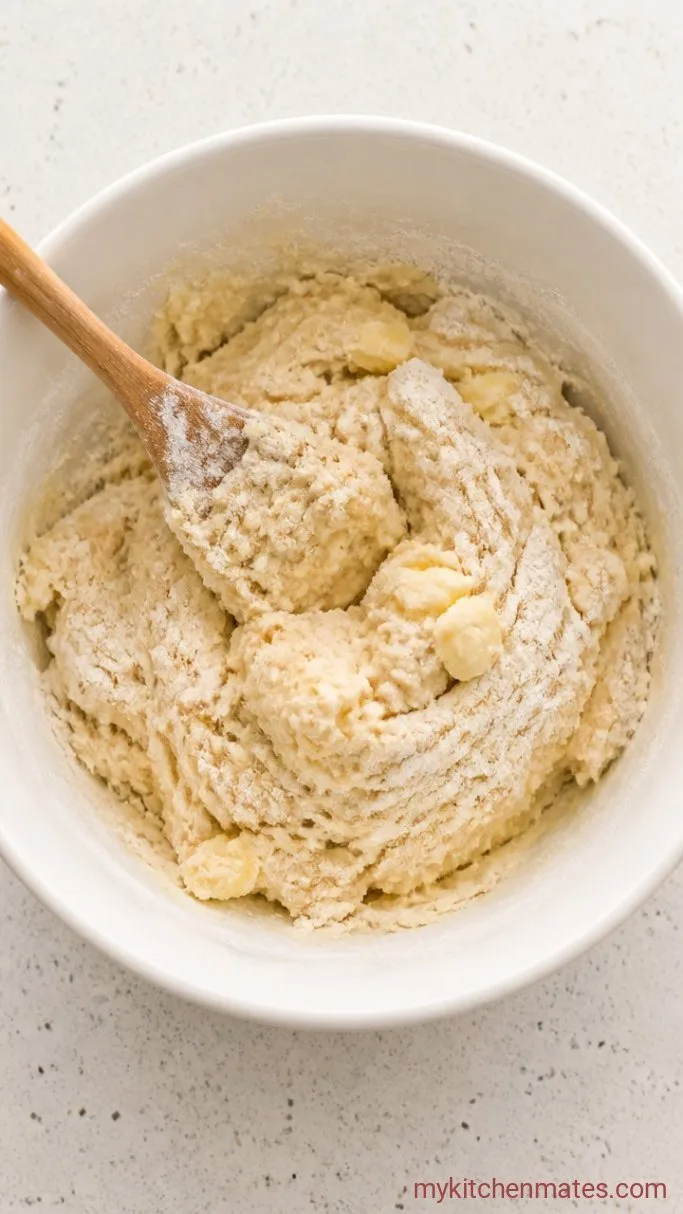
Whisk together the 2 1/2 cups bread flour, the 2 1/4 tsp yeast, 2 tbsp sugar, and 1/2 tsp salt in the bowl of a stand mixer. Fit the mixer with the dough hook. In a separate cup, combine the 3/4 cup warm milk and the large egg, whisking lightly just to break the yolk. With the mixer on low, pour the wet mixture into the flour mix in a steady stream and let it work for about 2 minutes, until a shaggy dough forms and no dry flour remains.
The dough will look rough and a little sticky at this point, which is exactly right. Scrape down the sides if needed. Now add the 3 tbsp very soft butter, one tablespoon at a time, while the mixer runs on medium low. Keep mixing for another 4 to 5 minutes until the butter is fully absorbed and the dough begins to pull away from the sides of the bowl. You will see it transform from ragged lumps to a smooth, cohesive ball.
Step 2: Knead and Let the Dough Rise
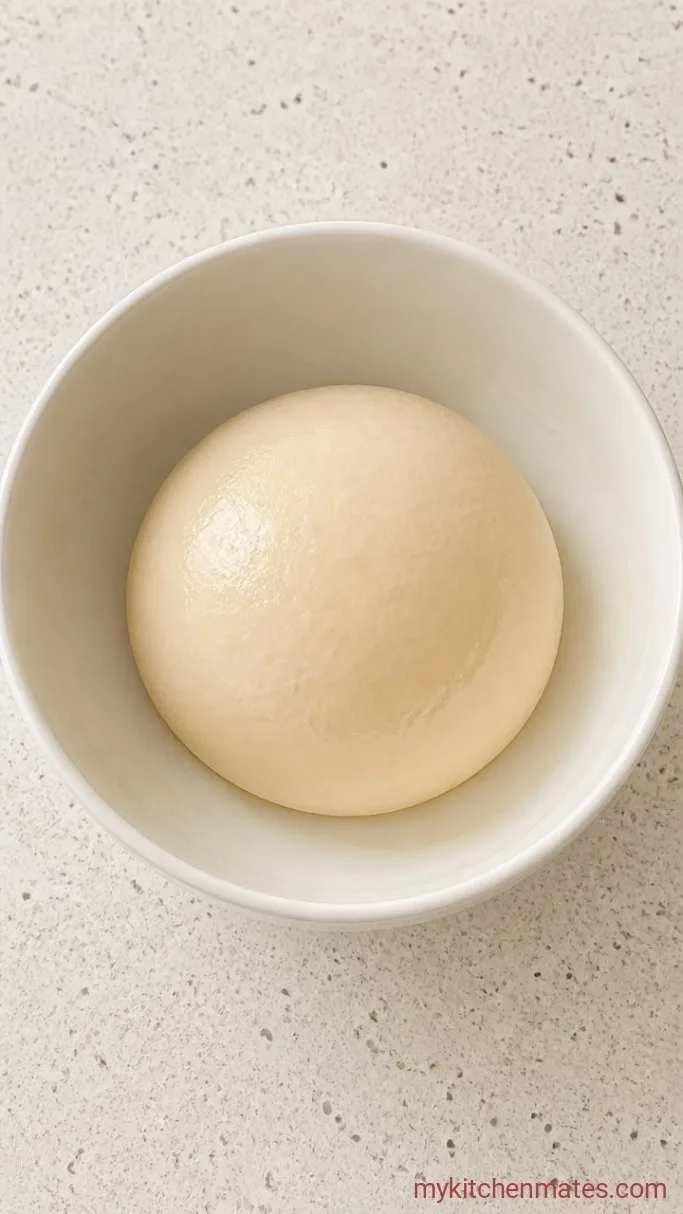
Turn the mixer up to medium speed and knead the dough for 8 to 10 minutes. After that time, stop and check: pinch off a small piece and stretch it gently. If it forms a thin, translucent film without tearing, it’s ready. If it tears easily, knead another 2 minutes and check again.
The dough should feel tacky but not sticky and look glossy and elastic. Shape it into a ball, place it in a lightly greased bowl, and cover with a damp towel. Let it rise in a warm, draft free spot for about 1 to 1 1/2 hours, or until roughly doubled. The time will shift with kitchen temperature; use the visual doubled cue as your signal, not the clock.
Step 3: Shape the Rolls with the Butter Filling
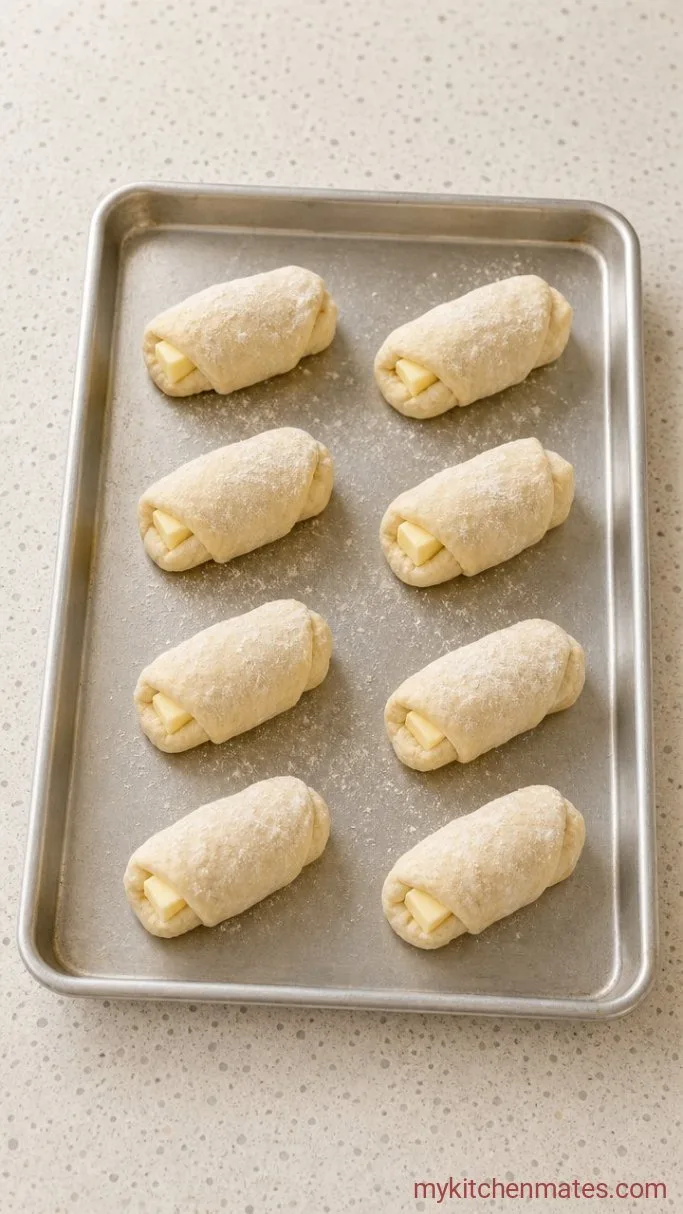
Punch the dough down gently to release the air, then turn it out onto a very lightly floured counter. Divide the dough into 8 equal pieces using a bench scraper or a sharp knife. Take one piece, flatten it into a small disk about 3 inches wide, and place one cold butter cube (the 4 tbsp divided butter) right in the center. Sprinkle a tiny pinch of flaky salt over the butter cube.
Fold the edges of the dough up and over the butter like a small parcel, pinching the seams firmly closed so the butter is completely sealed inside. Roll the sealed bundle lightly between your palms to form a smooth, tight round. It will feel slightly firm, with no butter peeking through. Place the roll seam side down on a parchment lined baking sheet and repeat with the remaining pieces, leaving about 2 inches between each roll.
Step 4: Second Rise and Egg Wash
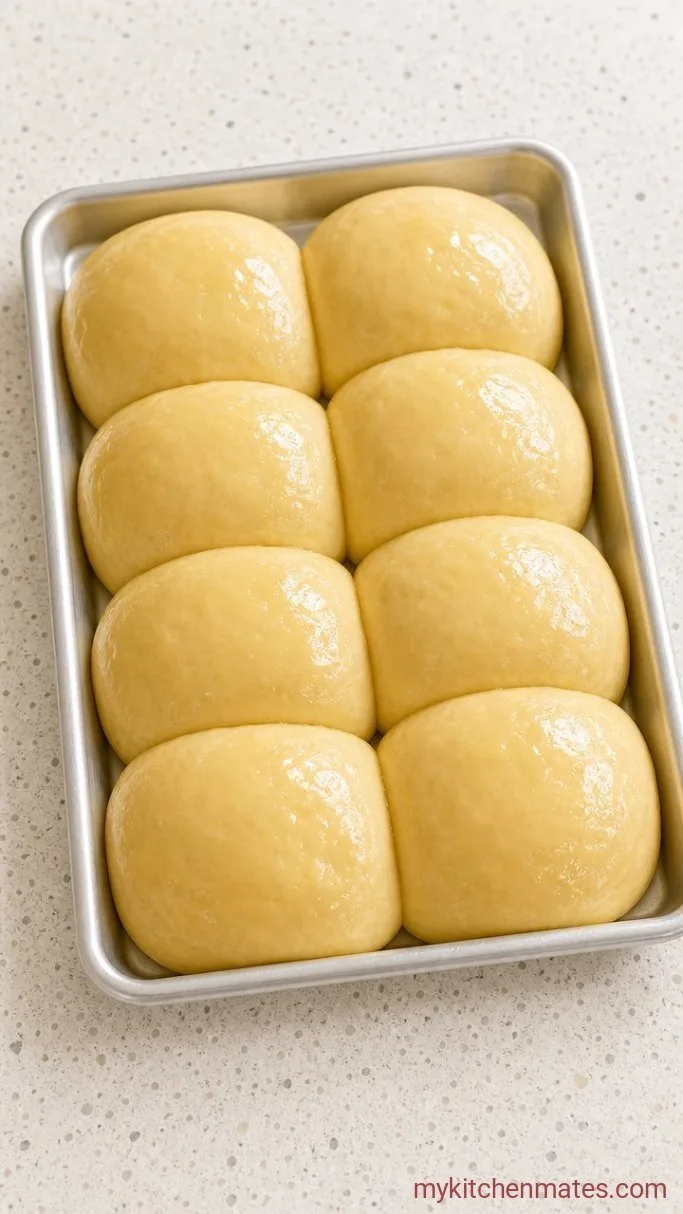
Cover the shaped rolls loosely with a clean towel and let them rise again for about 40 to 50 minutes, until noticeably puffed and nearly doubled. They should feel airy and light when you nudge one gently. Meanwhile, preheat your oven to 350°F (175°C).
Just before baking, whisk the egg yolk with the 1 tbsp milk. Brush the top of each roll generously with the egg wash, making sure to cover the entire surface without letting it pool at the base. This wash gives the rolls that shiny, deep golden shell. If you’re using sesame seeds, scatter them on now.
Step 5: Bake and Finish with Flaky Salt
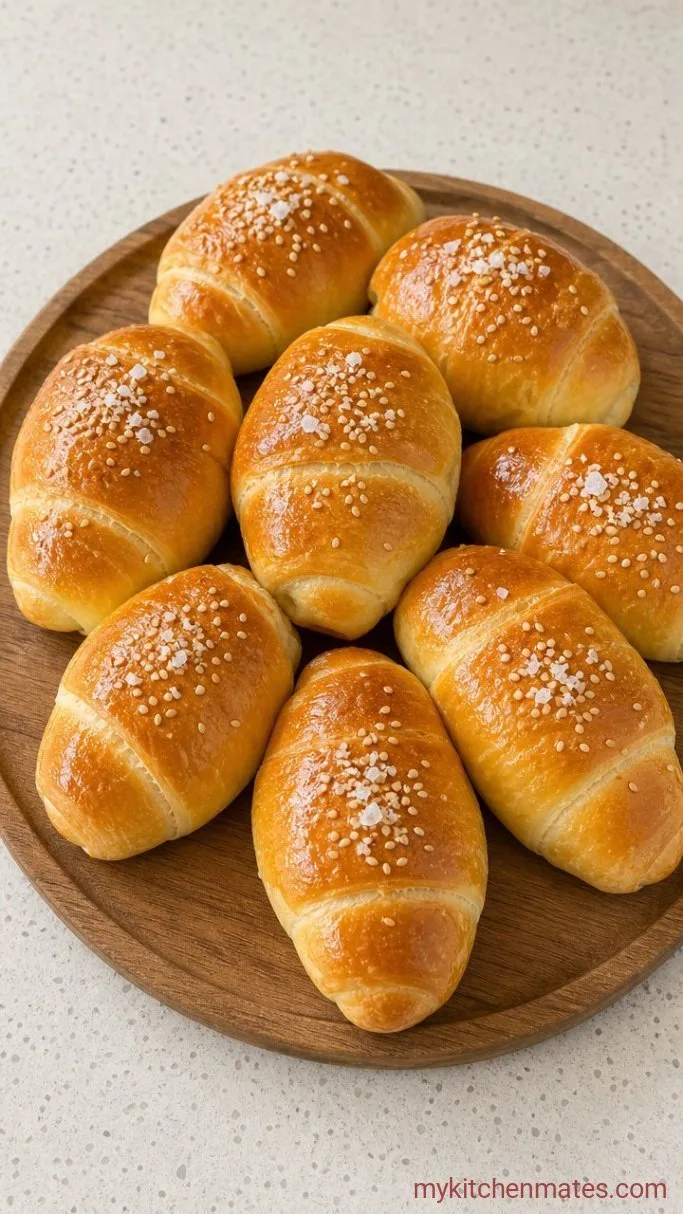
Slide the sheet into the preheated oven and bake for 20 to 22 minutes. The rolls are done when they are deeply golden brown on top and sound hollow if you tap the bottom of one. Immediately after pulling them out, sprinkle a generous pinch of flaky salt over each roll while the surface is still slightly tacky from the egg wash, that way the salt sticks.
Let them cool on the pan for about 5 minutes, then transfer to a wire rack. They are at their best while still warm enough that the butter center is liquid and glossy when you tear one open.
A Few Notes Before You Start
- Use bread flour if you can; its extra gluten gives the soft, stretchy crumb without making the rolls dense. All purpose works, but the chew won’t be quite the same.
- Knead until the dough passes the windowpane test. A full 10 minutes of machine kneading is usually right, but the physical test tells you more than the clock.
- Cold butter cubes are key for the filling; if the butter is soft, it will melt into the dough during shaping and leak out rather than creating that distinct buttery center.
- If your kitchen is chilly, let the dough rise in a turned off oven with the light on. It creates a gently warm box that speeds things along without overheating.
How to Keep Salt Bread Soft
- Refrigerate:: store cooled rolls in an airtight container or zip top bag for up to 3 days. They will dry out faster in the fridge if the container isn’t sealed well.
- Reheating:: warm them in a 300°F (150°C) oven for about 5 minutes, or split and toast them in a dry skillet cut side down. The microwave makes them chewy, so the oven is better.
- Freeze:: wrap rolls individually in plastic wrap, then place them in a freezer bag. Keep up to 1 month. Thaw at room temperature and reheat as above.
What to Serve With Korean Salt Bread
These rolls shine next to a steaming bowl of kimchi jjigae, where their soft crumb soaks up the spicy, tangy broth and the salt cools the heat just enough. They’re also a natural match for crispy Korean fried chicken, the butter and salt cutting through the rich, crunchy coating. For a lighter meal, serve them with a crisp cucumber and radish salad dressed in rice vinegar.
Frequently Asked Questions
Can I bake these in a muffin tin for taller rolls?
Yes, nestle each roll into a greased muffin cup after shaping. They will bake into taller, more uniform puffs. Watch the time; they may need about 2 minutes less.
What if I don’t have flaky salt?
Use the coarsest salt you have, kosher or a coarse sea salt works, but you’ll miss the crisp, flat crunch that flaky salt gives. The flavor will still be salty, just with a finer texture.
Why is my bread dry?
Dry rolls usually mean the dough was overbaked or the oven runs hot. Check your oven temperature with an independent thermometer and pull the rolls as soon as they hit deep golden brown.
Korean Salt Bread Recipe
Ingredients
Method
- Whisk flour, yeast, sugar, and salt in a mixer bowl. Add warm milk and egg, mix to a shaggy dough. Add soft butter gradually and mix until absorbed.
- Knead on medium speed for 8 to 10 minutes until the dough is smooth and passes the windowpane test. Place in a greased bowl, cover, and rise until doubled, about 1 to 1 1/2 hours.
- Punch down dough and divide into 8 pieces. Flatten each piece into a disk, place a cold butter cube in the center with a pinch of flaky salt, seal tightly, and roll into a smooth ball. Place seam side down on a parchment lined sheet.
- Cover and let rise until puffed and almost doubled, about 40 to 50 minutes. Preheat oven to 350°F (175°C). Brush rolls with egg yolk and milk wash, then top with sesame seeds if using.
- Bake for 20 to 22 minutes until deeply golden. Sprinkle flaky salt on top immediately after baking. Cool 5 minutes on the pan, then enjoy warm.
Notes
