
15-Minute Korean Pickled Radish (Danmuji)

Korean pickled radish, known as danmuji or chicken mu, is a tangy, sweet, and crunchy side dish that comes together with just a few minutes of hands-on work. It’s the same bright yellow pickle you find tucked into kimbap rolls or served alongside crispy Korean fried chicken.
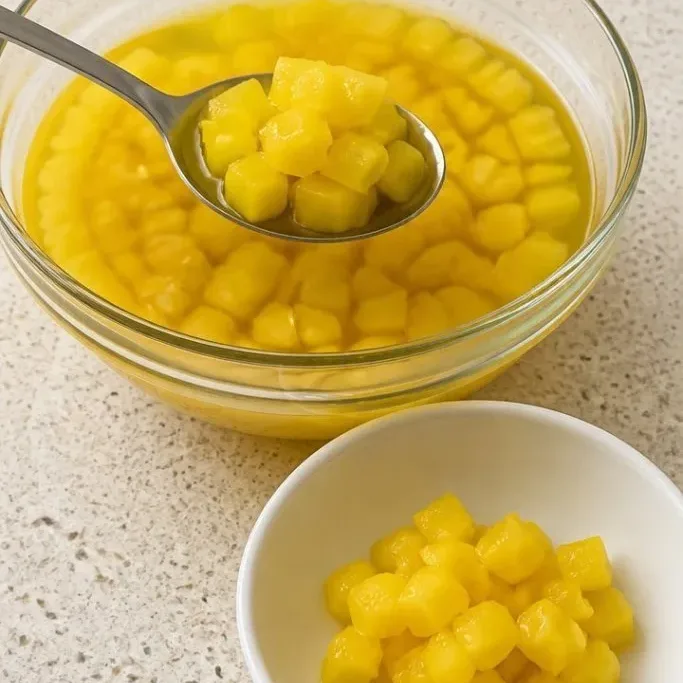
This quick version skips the long fermentation and instead uses a simple boiled brine that turns crisp radish into refrigerator pickles overnight. You can eat them after just a half hour, but they get better with a little patience.
Why I Keep a Jar in the Fridge
The balance of sharp rice vinegar and just enough sugar makes these pickles impossible to stop eating. They’re crisp, cool, and the tang cuts right through richer foods.
I keep a jar in the fridge door because they brighten up everything from a bowl of leftover rice to a simple cheese sandwich. When friends come over for fried chicken, a small dish of these always disappears first.
Ingredients
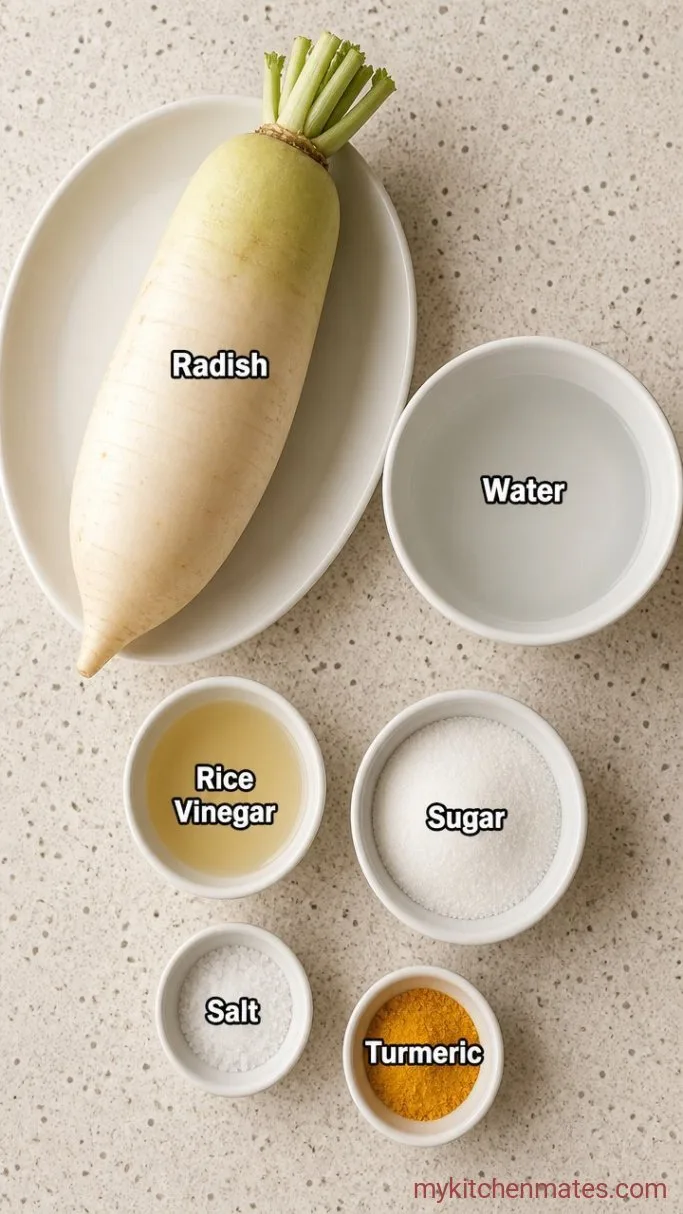
- 1 lb Korean radish or daikon: Korean radish is firmer and stays crunchier, but either works. Peel if using Korean radish; daikon skin is thin enough to leave on if you scrub it well.
- 1 cup water
- 1/2 cup rice vinegar: plain white vinegar works too, though the flavor will be sharper.
- 1/4 cup granulated sugar: you can reduce to 2 tablespoons for a tarter pickle.
- 1 1/2 tsp kosher salt: if using table salt, use 3/4 teaspoon.
- 1/2 tsp ground turmeric: gives the pickles that signature yellow hue.
Variations / Substitutions
- Pink version: replace the turmeric with a few thin slices of raw beet for a soft pink brine.
- Spicy kick: add a sliced jalapeño or 1/2 teaspoon gochugaru to the brine.
- Garlicky: toss in 2 smashed garlic cloves before pouring the brine.
- Less sweet: cut the sugar to 2 tablespoons for a more savory pickle.
Gochujang Ground Chicken Rice Bowl is one of our favorite ways to use this pickled radish.
How to Make Korean Pickled Radish
Step 1: Cut the Radish
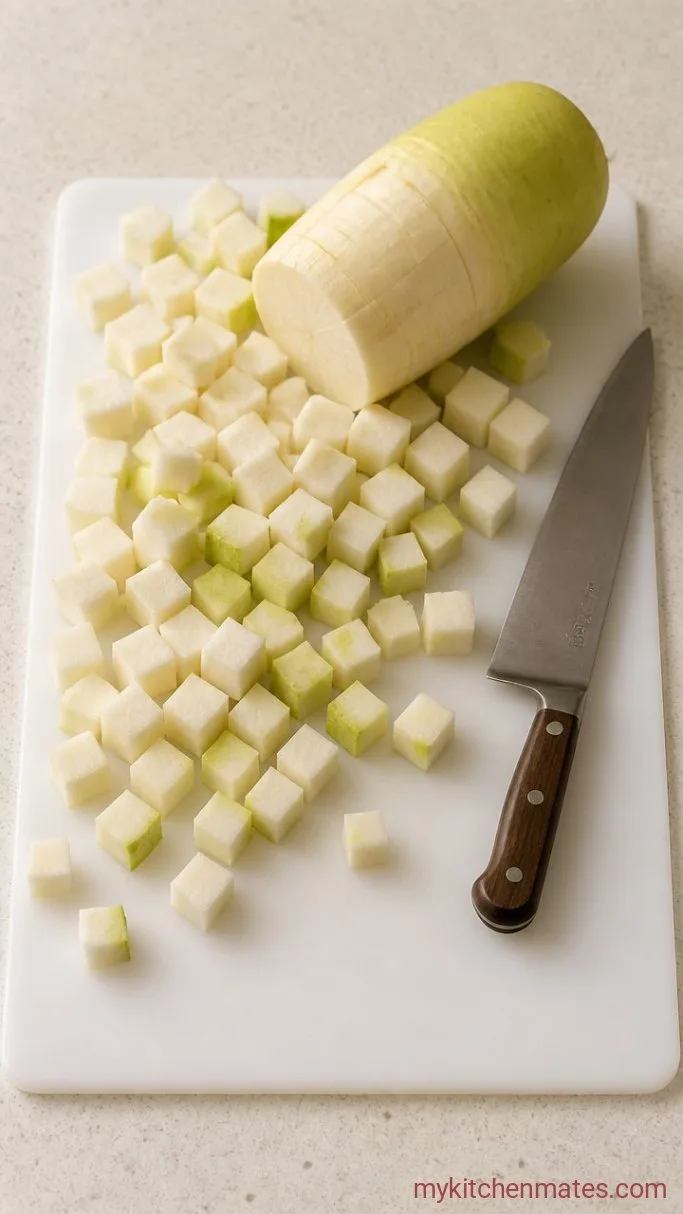
Peel the radish and slice it into 1/4-inch thick matchsticks, about 2 inches long. You can also cut half-moons if you prefer, but matchsticks pickle faster and feel like the restaurant version.
Aim for even pieces so they pickle at the same rate. If using daikon, the skin is edible, but peeling gives a uniform look. Korean radish has a thicker skin that should definitely come off. A sharp knife or mandoline makes quick work of this.
Step 2: Boil the Brine
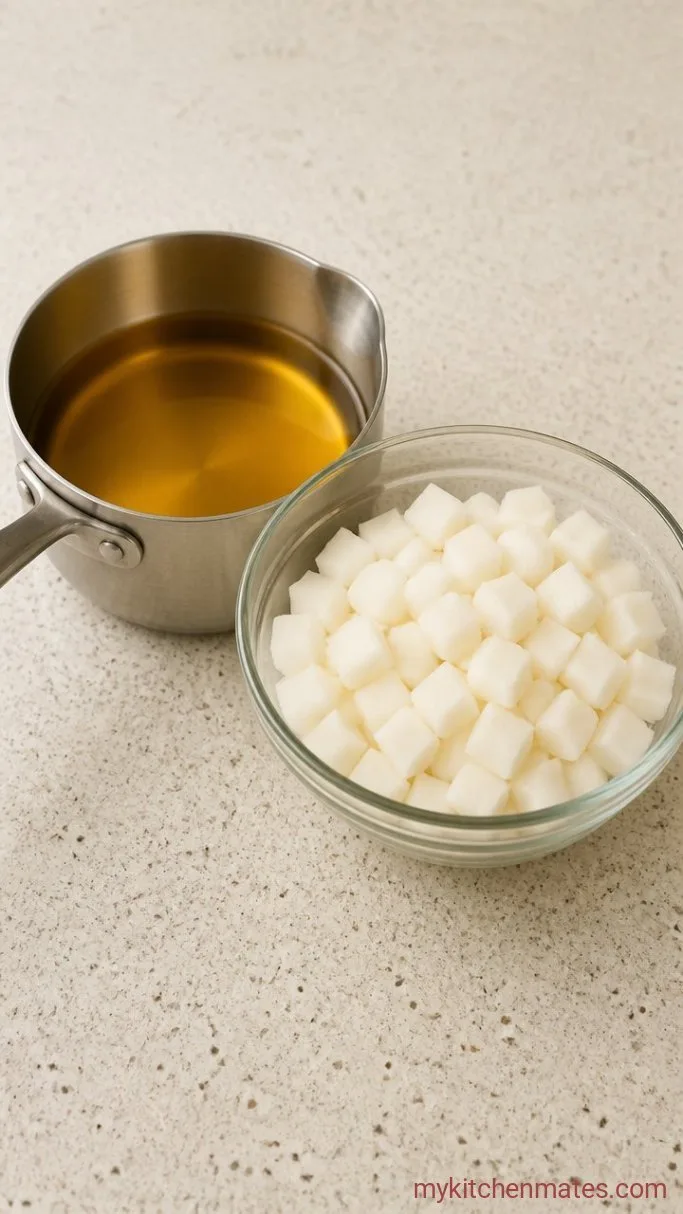
In a small saucepan, combine the 1 cup water, 1/2 cup rice vinegar, 1/4 cup sugar, 1 1/2 teaspoons kosher salt, and 1/2 teaspoon turmeric. Set the pan over medium-high heat and bring to a boil, stirring until the sugar and salt dissolve.
The turmeric will turn the brine a vivid yellow almost immediately. Once it reaches a rolling boil, remove the pan from the heat. No need to simmer; a boil just long enough to dissolve everything is all you need. If the turmeric clumps, a quick whisk smooths it out.
Step 3: Pour the Brine Over the Radish
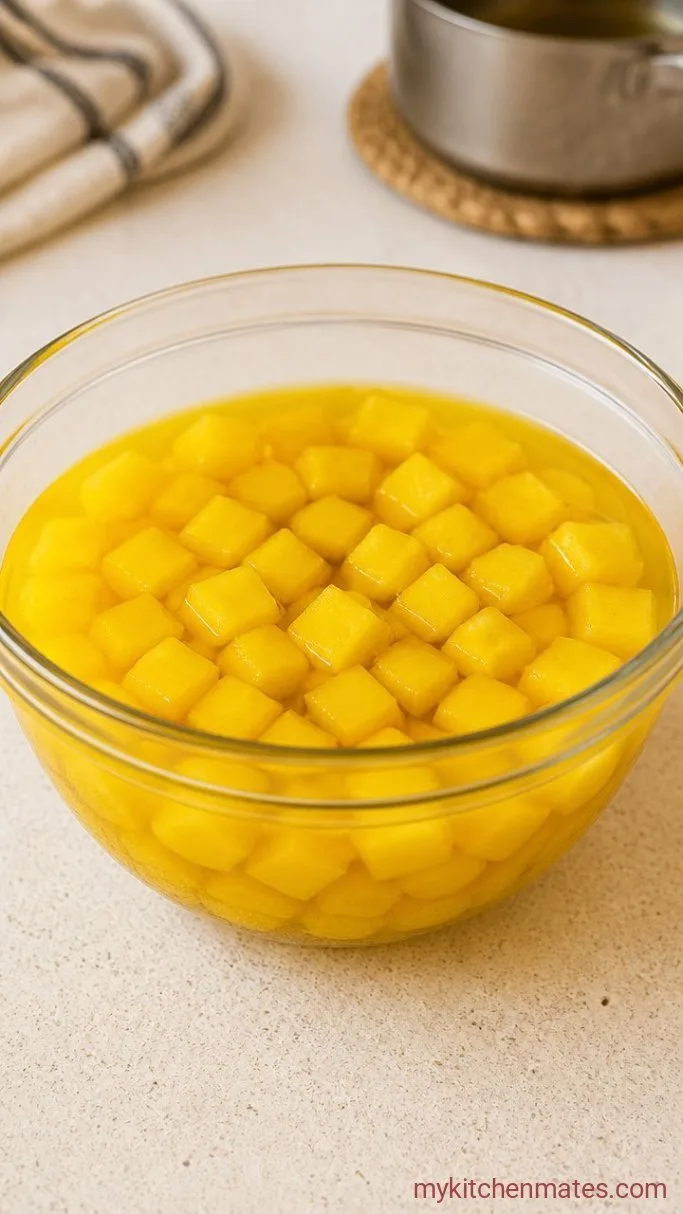
Place the cut radish in a heatproof jar or bowl. Carefully pour the hot brine over it, making sure all the pieces are submerged. The radish will shrink a little as it sits, so it’s fine if it’s piled high at first. As the brine cools, the radish softens slightly and starts absorbing the vinegar.
Leave the jar uncovered until the brine reaches room temperature, about 30 minutes. Then cover and transfer to the fridge. At this point, the radish already tastes pickled, but chilling firms it back up.
Step 4: Spoon Into a Serving Bowl
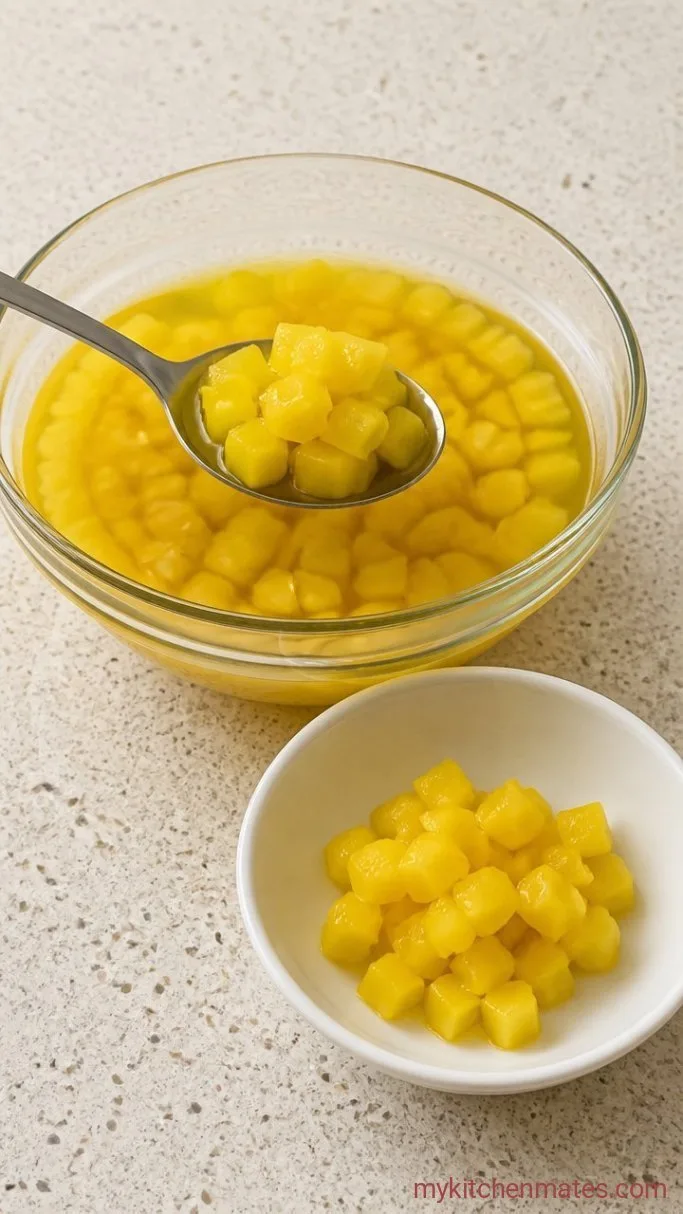
Once the pickles have chilled for at least 30 minutes (ideally longer), scoop them out with a slotted spoon. Serve them cold, letting any extra brine drip away. The crunchy matchsticks should be vibrant yellow and glistening, ready to pile next to fried chicken or tuck into a sandwich.
A Few Tips for the Crunchiest Pickles
- Pick firm, heavy radishes with no spongy spots.: The fresher the radish, the crisper the pickle will be.
- Slice evenly.: About 1/4 inch thick is the sweet spot. Too thin and they go soft; too thick and the centers taste raw.
- Let the brine cool before refrigerating.: Putting a hot jar into the fridge can trap steam and soften the radish.
- For an extra-crunchy texture, soak the cut radish in ice water for 10 minutes, then drain well before adding the brine.
- Use a glass jar.: The vinegar can react with metal or plastic over time.
Keeping Your Pickles Fresh
Refrigerate: Transfer the cooled pickles to an airtight container and store in the fridge for up to 2 weeks. The flavor gets better after a day.
Serve cold: Always spoon them straight from the fridge. Letting them sit out too long can soften the crunch.
What Goes With These Pickles
These are a classic banchan, so they belong next to pretty much any Korean main. Serve them with Korean fried chicken to cut through the richness, pile them into bibimbap for a tangy pop, or put them out with grilled bulgogi. They’re also great tucked into a sandwich or alongside a cheese plate.
Frequently Asked Questions
Can I skip the turmeric?
Absolutely. It only adds color. For a white pickle, simply leave it out.
What’s the difference between Korean radish and daikon?
Korean radish (mu) is shorter, rounder, and denser with a peppery bite. Daikon is longer, milder, and slightly more watery. Both work well; Korean radish holds a bit more crunch.
My pickles turned out soft. What went wrong?
Soft pickles usually mean the brine was poured at a full boil or the radish wasn’t fresh. Use firm radish and let the brine cool for a minute off the heat before pouring.
How long do they need to pickle before eating?
You can eat them after 30 minutes, but the flavor and texture are best after a full day in the fridge.
Korean Pickled Radish Recipe
Ingredients
Method
- Peel and slice radish into 1/4-inch thick matchsticks.
- In a small saucepan, bring water, rice vinegar, sugar, salt, and turmeric to a boil, stirring to dissolve. Remove from heat.
- Place radish in a heatproof container. Pour hot brine over it. Cool uncovered to room temperature, then cover and refrigerate at least 30 minutes.
- Spoon pickles into a serving bowl with a slotted spoon and serve cold.
Notes
