
10-Minute Korean BBQ Sauce

A glossy, all-purpose Korean BBQ sauce that mixes up in one bowl with pantry ingredients. It hits every note: savory soy, sweet honey, a slow warmth from gochujang, and a toasted sesame finish that makes vegetables, chicken, or beef suddenly irresistible on a weeknight.
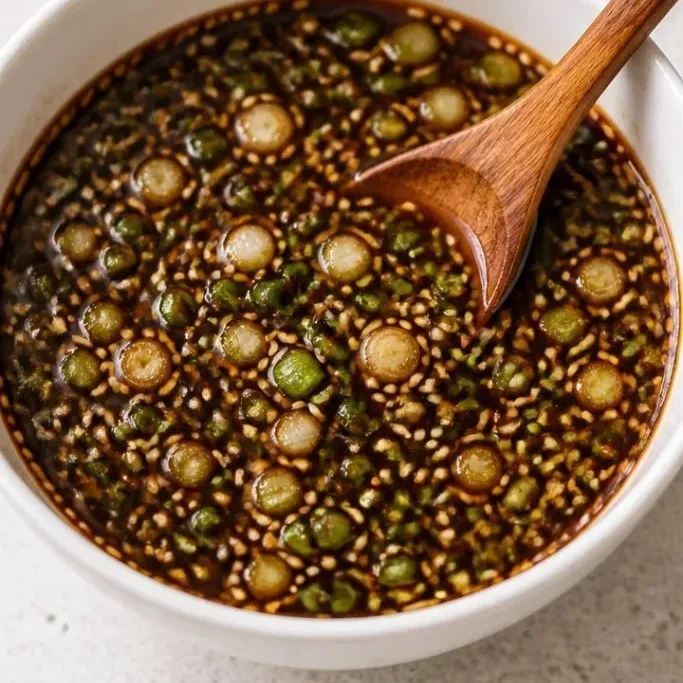
Skip the bottled stuff once and you will taste the difference. The sauce tastes alive, with fresh garlic and ginger, and you can dial the heat up or down in seconds.
Why This Sauce Stays in My Rotation
The gochujang gives it a rounded, fermented depth, not just fire. Honey and brown sugar mellow it out so every bite is sweet first, then savory, with a little tingle that builds after you swallow.
I love that it takes less time than grilling the meat. You whisk it together while the pan heats, and suddenly you have a homemade Korean BBQ dinner without any planning.
It clings beautifully. Not runny, not gloppy, just sticky enough to lacquer chicken thighs or leave a shiny trail across roasted broccoli. That texture comes from dissolving the sugars fully in the soy mixture, and a final drizzle of sesame oil right at the end.
Ingredients

- 1/2 cup soy sauce: regular or reduced-sodium, whichever you keep on hand; tamari works too
- 3 tbsp gochujang: the Korean fermented chili paste, not hot pepper paste with vinegar
- 3 tbsp honey: adds gloss and a floral sweetness
- 2 tbsp packed brown sugar: dark or light, for a deeper caramel note
- 1 tbsp toasted sesame oil: plus a little extra for finishing
- 1 tbsp rice vinegar: unseasoned, to brighten the whole bowl
- 2 cloves garlic, grated: starts mellow and turns pungent as it sits
- 1 tsp grated fresh ginger: a spoonful, not a knob, so it blends evenly
- 1 tbsp toasted sesame seeds: for the signature speckled look
- 2 green onions, thinly sliced: add color and a crisp bite at the end
Variations / Substitutions
- Honey swap: maple syrup or agave nectar gives a comparable sweetness; maple adds a subtle smoky note
- Gochujang alternative: mix 2 tbsp red miso paste with 1 tbsp Korean red pepper flakes (gochugaru) and a pinch of sugar for a similar fermented heat without the paste
- No sesame oil: roasted peanut oil or untoasted sesame oil can step in, though the deep nuttiness will be milder
- Milder version: reduce gochujang to 1 tbsp and add 1 extra tbsp brown sugar to keep the body
Sticky Baked BBQ Chicken Tenders are an easy way to put this sauce to good use.
How to Make Korean BBQ Sauce
Step 1: Whisk Together the Base

Combine the 1/2 cup soy sauce, 3 tbsp gochujang, 3 tbsp honey, 2 tbsp brown sugar, 1 tbsp sesame oil, and 1 tbsp rice vinegar in a medium bowl. Grate the 2 cloves of garlic and the 1 tsp ginger directly into the bowl, then whisk everything until the honey and sugar dissolve completely, about 1 minute.
The mixture will be a deep mahogany color with a glossy surface. You are looking for no visible lumps of brown sugar or gochujang, just a smooth, pourable syrup.
Step 2: Adjust the Heat and Sweetness

Taste the sauce with a clean spoon. Add 1 teaspoon more gochujang if you want a warmer back-of-the-throat kick, or add 1 teaspoon honey if the salt feels too sharp. Whisk again for 15 seconds after each tweak.
The sauce will taste punchier now than it does after resting. Trust the balance you are after, but give yourself permission to go slowly. A little extra gochujang goes a long way, so add in half-teaspoon increments if you are nervous.
Step 3: Stir in the Sesame Seeds and Green Onion

Just before serving, fold in the 1 tbsp toasted sesame seeds and the sliced green onions. Drizzle an extra teaspoon of sesame oil over the top and give it one last gentle stir. The seeds and green flecks sit right on the surface, so every spoonful scoops up a bit of crunch and fresh onion.
Serve right away over grilled meats or roasted vegetables, or let the sauce sit 10 minutes on the counter so the garlic and ginger soften into the mix.
Tips for the Best Korean BBQ Sauce
- Use room-temperature honey and gochujang: cold honey is stiff and hard to whisk; let them sit out while you gather the other ingredients for a smoother blend
- Dissolve the sugars first: the most common mistake is rushing and ending up with a grainy sauce; whisk until the bowl feels slick with no sugar crystals under the spoon
- Let the sauce rest: the flavor changes in the first 15 minutes as the raw garlic mellows and the ginger softens; make it ahead when you can, even if it is just while the rice cooks
- Boost the smoke without a grill: add 1/4 tsp liquid smoke to the base if you want that charcoal-grilled depth indoors, especially on roasted portobellos or eggplant
Scale it for a bigger batch:
| Total Yield | Soy Sauce | Gochujang | Honey |
|---|---|---|---|
| 1/2 cup | 1/4 cup | 1 1/2 tbsp | 1 1/2 tbsp |
| 1 cup | 1/2 cup | 3 tbsp | 3 tbsp |
| 2 cups | 1 cup | 6 tbsp | 6 tbsp |
Storing and Using Leftover Sauce
- Refrigerate: in a tight-sealing jar for up to 1 week. The garlic will become more pronounced each day, so give it a stir and a quick taste before using.
- Serve cold: straight from the fridge as a dipping sauce for lettuce wraps or dumplings; the chill actually tamps down the heat a bit.
- No reheating needed, but if you chilled the sauce and it thickened too much, let it sit at room temperature for 5 minutes and stir. The consistency will loosen back up.
Frequently Asked Questions
Can I make this sauce without honey?
Yes. Maple syrup, agave, or brown rice syrup all work. Honey provides a glossy finish, so if you use a thinner syrup, the sauce may be a little less viscous, but the flavor stays close.
Can I use this as a marinade?
Absolutely. Pour it over chicken, beef, or tofu and marinate for at least 30 minutes, preferably up to 4 hours in the fridge. Reserve a little extra sauce for basting or drizzling after cooking.
Is this Korean BBQ sauce gluten-free?
It can be. Substitute tamari or coconut aminos for soy sauce, and double-check that your gochujang brand is labeled gluten-free, as some contain wheat. The rest of the ingredients are naturally gluten-free.
What can I use instead of rice vinegar?
Unseasoned apple cider vinegar or white vinegar both work. Avoid regular white vinegar, which is too sharp and will overpower the sweetness.
Korean BBQ Sauce Recipe
Ingredients
Method
- Whisk soy sauce, gochujang, honey, brown sugar, sesame oil, rice vinegar, garlic, and ginger until the sugars dissolve, about 1 minute.
- Taste and adjust, adding 1 tsp more gochujang for heat or 1 tsp honey for sweetness, then whisk again.
- Stir in the sesame seeds and green onions just before serving, drizzle with a little extra sesame oil, and serve right away or let rest 10 minutes.
Notes
