
15-Minute Kimchi Rice Bowl

Need a meal that delivers the deep, funky heat of Korean comfort food in the time it takes to boil water? This kimchi rice bowl does exactly that. Ground beef sizzles until it’s crisp and caramelized, then gets tossed with well-fermented kimchi and a sweet-spicy gochujang sauce.

Crown it all with a fried egg whose yolk spills into the hot rice, and you’ve got dinner. It’s the kind of recipe I come back to when the fridge looks bare but I’m craving something bold. Cooked rice and a jar of kimchi are the only essentials you need to plan ahead; everything else comes together in one skillet.
What Makes This Bowl So Good
The flavor hits all the right notes: the beef is savory with crisp, browned bits, the sauce brings a sticky, chili-laced sweetness, and the kimchi adds a puckery tang that wakes everything up. Breaking the yolk over the rice feels like a small, satisfying ritual.
Texture matters just as much. The beef stays slightly crunchy, the rice is tender, and the egg provides a silky finish. It’s a complete meal in a bowl that leaves you full without feeling heavy.
Ingredients

- 1 lb ground beef: 80/20 keeps it juicy; chicken, or crumbled firm tofu all work well.
- 1 cup kimchi, chopped: use well-fermented kimchi for deeper flavor, plus a splash of its juice.
- 4 cups cooked short-grain rice: day-old rice won’t clump; freshly cooked is okay if spread out to cool slightly.
- 4 large eggs: for frying sunny-side up or over-easy.
- 2 tbsp vegetable oil: for the skillet, divided.
- 3 tbsp gochujang (Korean chili paste): found in the Asian aisle; it’s sweet, spicy, and deeply savory.
- 1 tbsp soy sauce: regular or low-sodium.
- 1 tbsp honey: or brown sugar; softens the heat without killing it.
- 1 tbsp toasted sesame oil: for the sauce and a little for drizzling.
- 1 tsp grated garlic: about 1 clove.
- 1 tsp grated ginger: optional, but it adds a warm, peppery note.
- 2 green onions, thinly sliced: for serving.
- Toasted sesame seeds: a pinch for the finish.
Variations / Substitutions
- Protein swap: ground chicken or turkey keeps it leaner. Crumbled firm tofu, pressed and cooked until crisp, turns this vegetarian.
- Extra heat: stir a pinch of gochugaru (Korean chili flakes) into the sauce or top with sliced fresh chili.
- Add more veg: toss in a handful of spinach after the beef cooks and let it wilt, or pile on shredded carrot and bean sprouts for crunch.
- Dairy-free: use brown sugar instead of honey.
- No gochujang?: mix white miso with a little chili paste or sriracha, but the flavor profile will shift. It’s a different sauce, but still good.
Korean Beef Tacos are next on our list if this rice bowl is your kind of dinner.
How to Make 15-Minute Kimchi Rice Bowl
Step 1: Whisk the Sauce
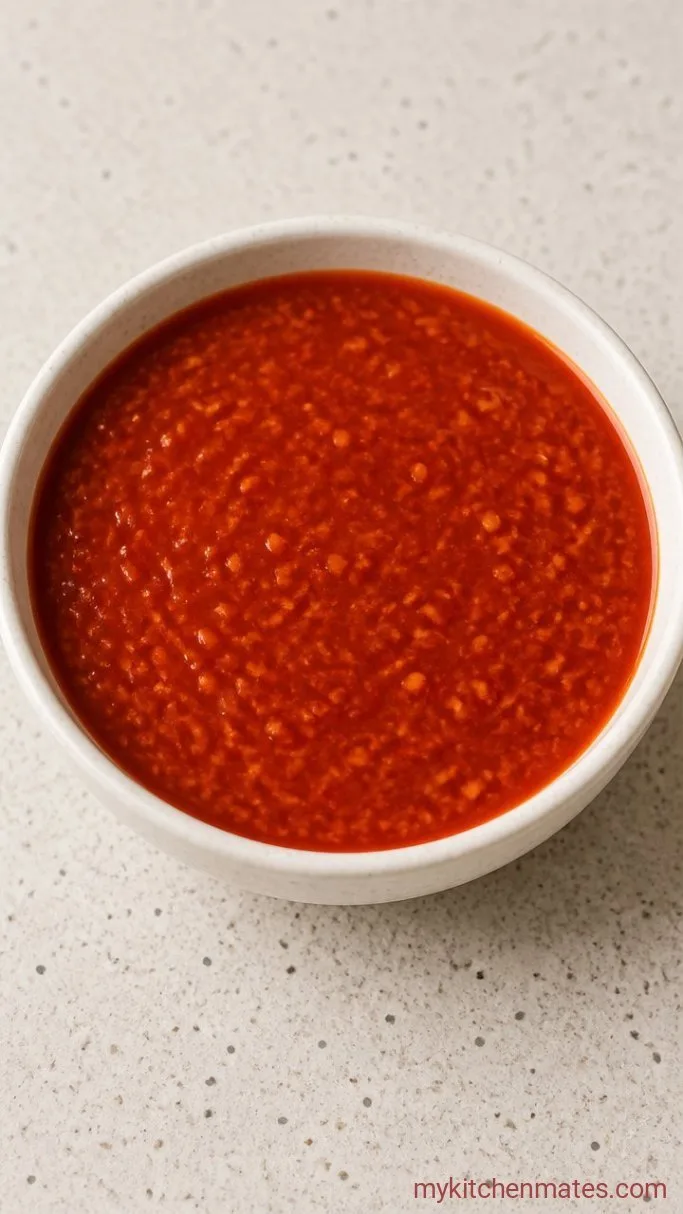
In a small bowl, combine the 3 tablespoons gochujang, 1 tablespoon soy sauce, 1 tablespoon honey, 1 tablespoon toasted sesame oil, the grated garlic, and the grated ginger. Whisk until smooth and no lumps of gochujang remain.
Taste it if you like: it should be a balance of sweet and spicy with a deep umami backbone. If your kimchi is very sour, you might not need any extra acid.
Step 2: Brown the Beef and Toss with Kimchi
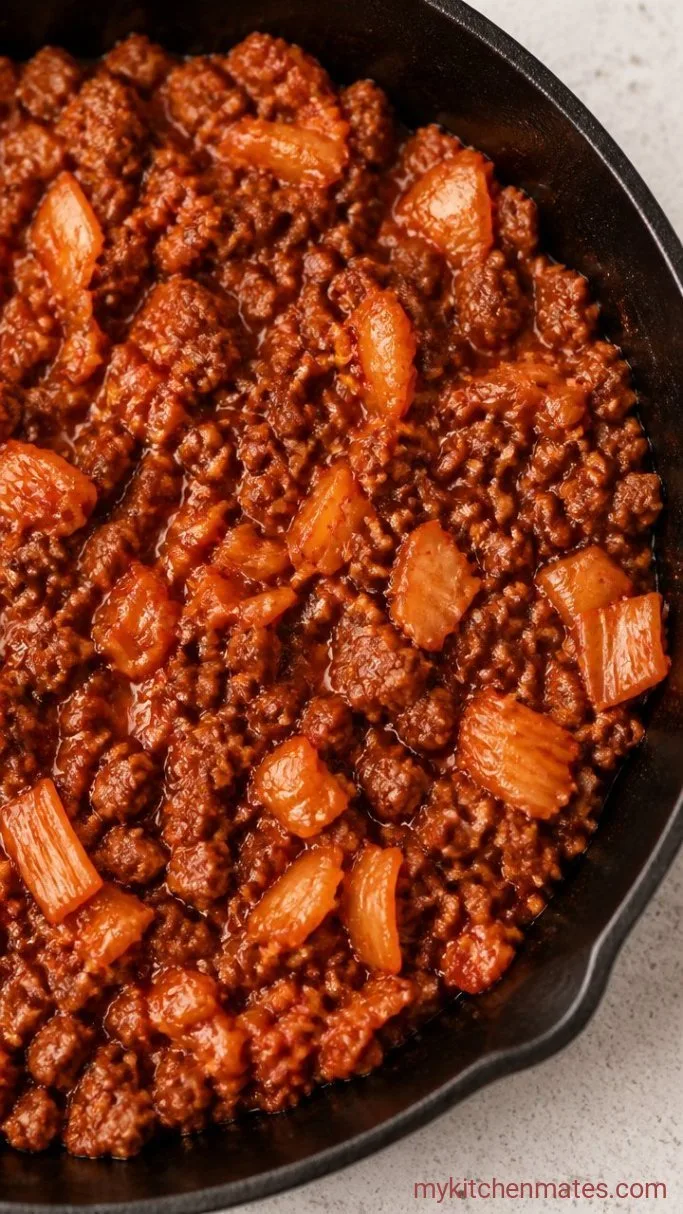
Set a large skillet over medium-high heat and add 1 tablespoon of the vegetable oil. When the oil shimmers, crumble in the 1 pound ground beef and press it into an even layer. Let it cook undisturbed for 2 to 3 minutes, until the bottom is deeply browned and crisp.
Break the meat apart with a spatula and cook, stirring only occasionally, for another 3 to 4 minutes until fully cooked. You want some crunchy, caramelized bits. Push the beef to one side of the skillet, add the chopped kimchi and its juice to the empty side, and let it sizzle for 30 seconds. Stir everything together, then pour in the gochujang sauce. Cook, stirring constantly, until the beef and kimchi are glossy and coated, about 1 minute. Remove from the heat.
Step 3: Fry the Eggs

Give the skillet a quick wipe if needed, then add the remaining 1 tablespoon vegetable oil and place it over medium heat. Crack in the 4 large eggs, leaving space between them. Cook for 3 to 4 minutes, until the whites are completely set but the yolks are still runny and jiggly in the center.
The runny yolk is non-negotiable for the bowl; it acts as a final creamy sauce when you break it over the hot rice. If you prefer over-easy eggs, flip them gently after 2 minutes and cook for another 30 seconds.
Step 4: Spoon Into Bowls and Serve

Divide the 4 cups of cooked rice among four bowls. Spoon the beef and kimchi mixture over the rice, then slide a fried egg on top of each portion. Scatter with the sliced green onions and a pinch of toasted sesame seeds.
Serve right away while the rice is hot and the yolk is still liquid. A final drizzle of sesame oil over the top is never a bad idea, then let everyone stir it all together before eating.
Tips for the Best Kimchi Rice Bowl
- Go for well-fermented kimchi: the funkier and more sour, the better. If your kimchi is still fresh and mild, let it cook an extra minute with the beef to deepen its flavor.
- Keep the heat high for the beef: a hot skillet is the only way to get those crisp, browned edges. If you crowd the meat or the pan isn’t hot enough, it will steam instead of sear.
- Fry the eggs at the very end: that way they land on the bowl hot, with the yolk still molten. Even a minute of sitting can firm up the center.
- Add a spoonful of kimchi juice at the table: if you have extra brine, a tiny splash right before eating brightens the whole bowl.
Storing Leftovers
Refrigerate: store the beef mixture and rice separately in airtight containers. They will keep for up to 3 days.
Reheating: warm the beef in a skillet over medium heat or in the microwave until steaming. Fry a fresh egg when you are ready to serve, since reheated eggs lose their runny yolks.
What to Serve With This Bowl
A cold, crunchy side balances the rich beef and egg. Quick cucumber salad with rice vinegar and a pinch of sugar works beautifully, as does a handful of seasoned spinach or bean sprouts. Anything crisp and lightly pickled cuts through the heat.
Frequently Asked Questions
Is this bowl very spicy?
The gochujang gives it a steady, warm heat but not an aggressive burn. If you are sensitive to spice, start with 2 tablespoons gochujang and taste the sauce before adding it to the beef.
Why didn’t my beef get crispy?
Most likely the pan was not hot enough or the meat was crowded. Use a large skillet, heat the oil until it shimmers, and do not stir the beef for the first 2 to 3 minutes.
Can I make this without eggs?
You can, but you will miss the creamy richness the yolk adds. Drizzle extra sesame oil and a touch more soy sauce over the bowl to compensate.
What if I only have fresh, unfermented kimchi?
No problem. Slice it thinly, add it to the skillet after the beef is browned, and let it cook for 2 to 3 minutes to soften and develop some tang before adding the sauce.
15-Minute Kimchi Rice Bowl Recipe
Ingredients
Method
- Whisk the gochujang, soy sauce, honey, sesame oil, garlic, and ginger in a small bowl.
- Heat 1 tbsp oil in a large skillet over medium-high. Crumble in the beef and press into a layer; cook undisturbed 2 to 3 minutes, then break apart and cook another 3 to 4 minutes until browned with crisp edges.
- Push beef aside, add the kimchi and its juice to the pan, and sizzle 30 seconds. Stir together, pour in the sauce, and cook 1 minute until glossy.
- Wipe the skillet, add the remaining 1 tbsp oil over medium heat, and fry the eggs 3 to 4 minutes until whites are set and yolks runny.
- Divide rice among bowls, top with beef, a fried egg, green onions, and sesame seeds. Serve immediately.
Notes
