
Keto Sourdough Bread with That Tangy Sourdough Flavor

Keto sourdough bread brings back the crusty, tangy loaf you thought you left behind on a low-carb diet. It slices clean, holds up to a sandwich, and toasts up golden without crumbling.
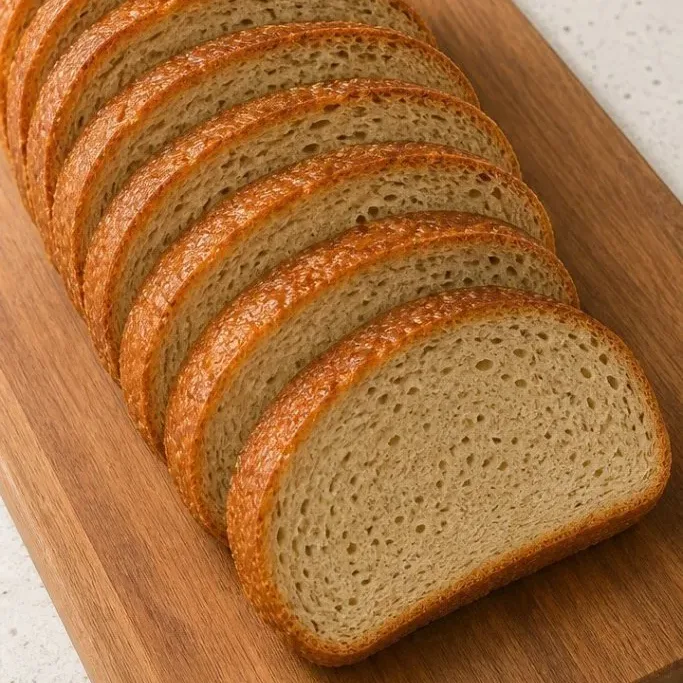
If you keep a keto sourdough starter going, this dough comes together fast with just a bowl and a spoon. The hardest part is waiting for the proof, and then for it to cool before you cut into it.
Why This Keto Bread Works
Almond flour and psyllium husk give the crumb real structure and chew, while coconut flour absorbs moisture so the loaf isn’t wet inside. The sourdough starter does all the heavy lifting for flavor.
You get that unmistakable fermented tang and a hint of nuttiness from the flours. No eggsy taste, no spongy texture. Just a sturdy, savory loaf that stays moist for days.
Ingredients

- 2 cups (240g) almond flour: blanched, fine-ground almond flour works best here; coarse almond meal makes a heavier crumb.
- 1/4 cup (28g) coconut flour: absorbs extra liquid and helps bind the dough.
- 2 tbsp (14g) psyllium husk powder: the main structure builder, so don’t skip it or swap it for whole husks.
- 1 tbsp baking powder: gives a little extra lift alongside the starter.
- 1 tsp fine sea salt: rounds out the tang.
- 4 large eggs: room temperature eggs incorporate more easily.
- 1/2 cup (120ml) warm water: around 100°F, just warm to the touch.
- 2 tbsp apple cider vinegar: deepens the sourdough tang and reacts with the baking powder.
- 1/2 cup (120g) active keto sourdough starter (100% hydration): feed it with almond flour and water until it’s bubbly and doubled. If your starter is stiff, stir in a little water until it becomes a thick batter.
Variations and Substitutions
- Egg-Free: replace each egg with 1 tbsp ground flaxseed mixed with 3 tbsp water, let sit 10 minutes. The bread will be denser but still sliceable.
- Seed Topping: press a mix of sesame and sunflower seeds onto the shaped loaf before proofing for a crusty top.
- Nut-Free: swap the almond flour for an equal weight of ground sunflower seed flour; the loaf will taste slightly earthier and may turn just a little green after baking (totally harmless).
- Extra Tang: add 1/4 tsp citric acid or 1/2 tsp sour salt to the dry mix if you want an even sharper sourdough punch.
Hearty Keto Vegetable Soup makes a comforting soup to pair with this bread.
How To Make Keto Sourdough Bread
Step 1: Mix the Dry Ingredients

In a large mixing bowl, whisk together the 2 cups almond flour, 1/4 cup coconut flour, 2 tbsp psyllium husk powder, 1 tbsp baking powder, and 1 tsp salt until no lumps remain. A whisk works better than a spoon to break up any almond flour clumps.
The dry mix will smell nutty and feel light. You want it perfectly uniform because the psyllium absorbs liquid fast and uneven pockets could lead to dry spots.
Step 2: Incorporate the Wet Ingredients and Starter

Crack the 4 eggs into the bowl, then pour in the 1/2 cup warm water, 2 tbsp apple cider vinegar, and the 1/2 cup starter. Stir with a wooden spoon until a shaggy dough forms, then use your hands to fold and press the mixture together for about 2 minutes.
At first it will look like a wet, sticky mess. Keep folding and it will transform into a smooth, slightly tacky ball as the psyllium soaks up the liquid. You might hear a faint hiss from the vinegar reacting with the baking powder.
Step 3: Shape and Score the Loaf

Turn the dough onto a sheet of parchment paper and shape it into a tight round or oval about 6 inches across. Place it on the parchment on a baking sheet or, if using a Dutch oven, lift it into the pot. Use a sharp knife or lame to score the top with a shallow cross or a few diagonal slashes.
Set the dough in a warm, draft-free spot (around 75°F) and let it proof for 2 to 3 hours. It won’t double dramatically like a wheat dough, but it should puff up by about one-third and look almost pillowy. Small bubbles will dot the surface, and a gentle poke should feel airy, not dense.
Step 4: Bake Until Golden
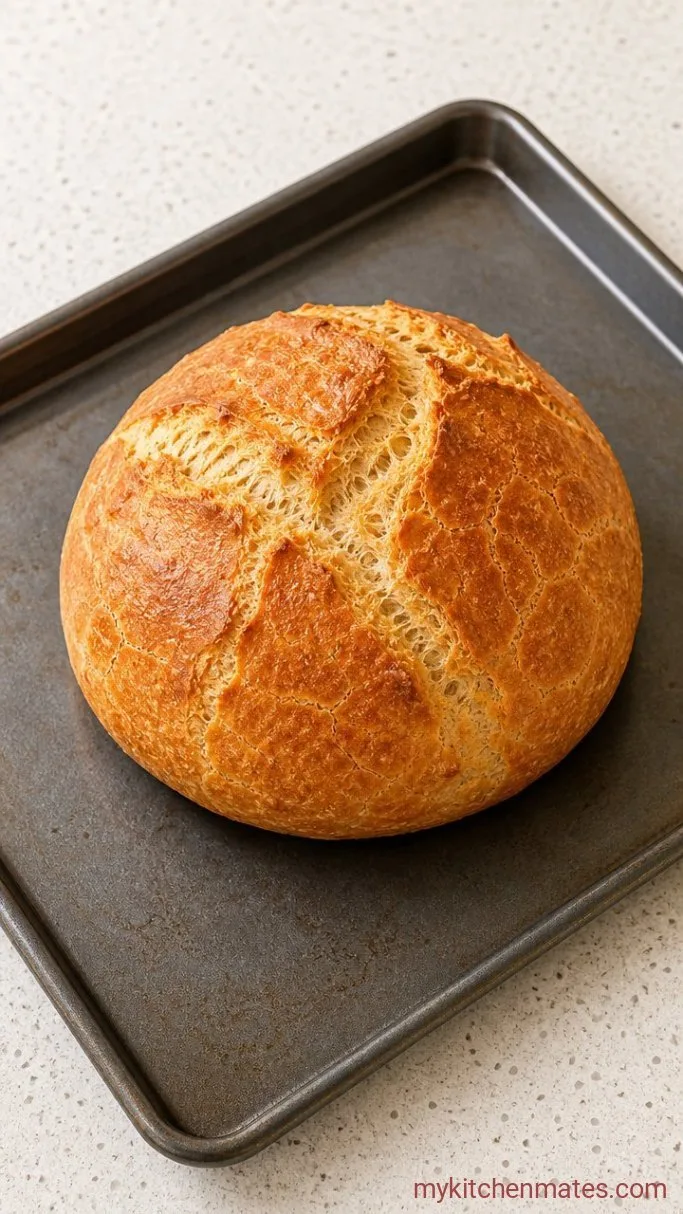
Preheat your oven to 375°F (190°C) while the dough proofs. If you’re baking in a Dutch oven, put the lid on and place the pot in the oven to heat up during the last 30 minutes of proofing.
Once the loaf has risen, transfer it, still on the parchment, into the hot Dutch oven or onto a baking sheet. If using a sheet pan, slide a shallow pan of boiling water onto the lower rack for steam. Bake covered (or with steam) for 30 minutes, then uncover and bake another 20 to 25 minutes. The crust should be deep golden brown and a thermometer inserted into the center should read 200°F (93°C). When you tap the bottom of the loaf, it will sound hollow.
Your kitchen will smell like toasted nuts and fresh bread, and the crust will crackle softly as it cools.
Step 5: Slice and Serve
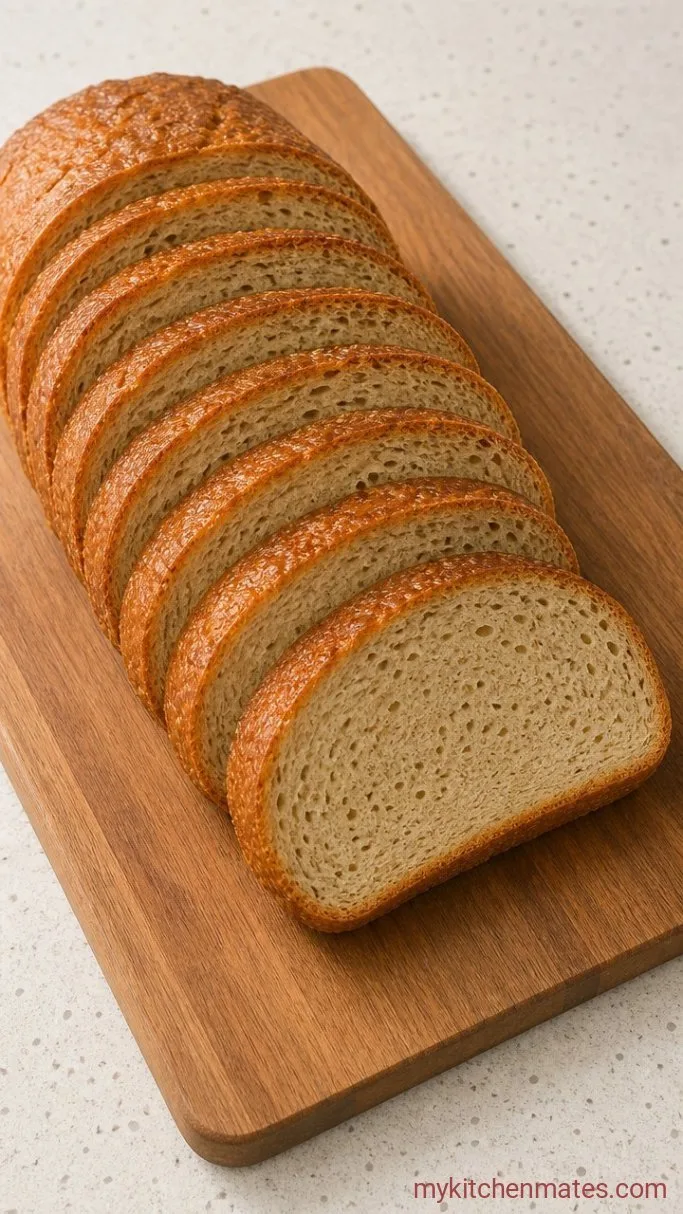
Let the bread cool completely on a wire rack before slicing, which takes about 1 hour. Use a serrated knife to cut thick slices with a gentle sawing motion.
The crumb is dense but still tender, with a tight grain and that unmistakable sourdough chew. Slather a slice with butter or pile on avocado and a fried egg. It toasts up incredibly crisp and golden.
A Few Notes Before You Start
- Weigh your flours if you can. A digital scale makes keto bread far more consistent because almond flour packs differently by the cup.
- An active starter is the only leaven here. Feed it 4 to 6 hours before mixing so it’s bubbly and passes the float test.
- Want a taller loaf? Proof the dough in a floured banneton or a bowl lined with a floured tea towel, then turn it onto parchment right before scoring and baking.
- The bread slices cleanest when fully cooled. Cutting it warm will compress the crumb.
Bake times depend on your setup.
| Setup | Covered Bake (mins) | Uncovered Bake (mins) | Total Bake (approx.) |
|---|---|---|---|
| Dutch oven | 30 | 20-25 | 50-55 mins |
| Baking sheet + steam pan | n/a | 50-55 | 50-55 mins |
Storing Leftovers
- Room temperature: Wrap the loaf in parchment paper or store in a paper bag for up to 3 days. Avoid plastic bags, which soften the crust.
- Refrigerator: The bread dries out a little faster in the fridge, but you can keep it well wrapped for up to 1 week.
- Freezer: Slice the loaf first, then freeze slices with parchment between them. Toast directly from frozen; they turn crisp and fresh.
What To Serve With Keto Sourdough Bread
This loaf is sturdy enough for open-faced sandwiches. Smoked salmon with cream cheese and capers works wonderfully because the tang of the bread stands up to the salty fish. For a quick lunch, top a thick slice with mashed avocado, red pepper flakes, and a squeeze of lime. It also makes a great side for a bowl of creamy tomato soup, where you can dunk the crust without it falling apart.
Frequently Asked Questions
Can I make this without a sourdough starter?
Yes, you can swap in 1/2 cup buttermilk plus 1 tsp instant yeast instead, but the bread will taste like a mild yeast loaf, not sourdough.
How do I start a keto sourdough starter?
Mix equal parts almond flour and water by weight, feed daily, and keep it at room temperature. After 5 to 7 days it should become bubbly and tangy, ready to use.
Why is my bread dense and gummy?
The starter likely wasn’t active enough, or the dough overproofed and lost its structure. Make sure the starter doubles after feeding and keep proofing time to 2 to 3 hours.
Can I use a different flour blend?
You can, but the texture will change. A mix of almond and flax meal works, though the bread comes out denser. Avoid all-coconut-flour versions because the dough needs the oil and structure from the almond flour.
How do I get a thicker, darker crust?
Brush the loaf with a little heavy cream or melted butter just before baking, and bake uncovered for the last 25 minutes. The sugars in the cream caramelize and deepen the color.
Keto Sourdough Bread Recipe
Ingredients
Method
- In a large bowl, whisk the almond flour, coconut flour, psyllium husk powder, baking powder, and salt until no lumps remain.
- Add the eggs, warm water, apple cider vinegar, and sourdough starter. Stir with a wooden spoon, then fold and press with your hands for 2 minutes until the dough turns from wet and sticky to smooth and slightly tacky.
- Shape the dough into a 6-inch round on parchment, score the top with a shallow cross, and proof at warm room temperature for 2 to 3 hours until puffy and increased by one-third.
- Preheat the oven to 375°F (190°C). Bake in a preheated Dutch oven (covered) for 30 minutes, then uncovered 20 to 25 minutes, or on a baking sheet with a steam pan for 50 to 55 minutes total, until deep golden and 200°F (93°C) inside.
- Cool completely on a wire rack, then slice with a serrated knife and serve.
Notes
