
Keto Gingerbread Cookies (Low-Carb & Sugar-Free)

These keto gingerbread cookies deliver the warm, spicy snap of the classic holiday cookie without the sugar or carb load. They come out of the oven crisp at the edges and tender in the middle, and they hold their shape beautifully for cut-out designs.
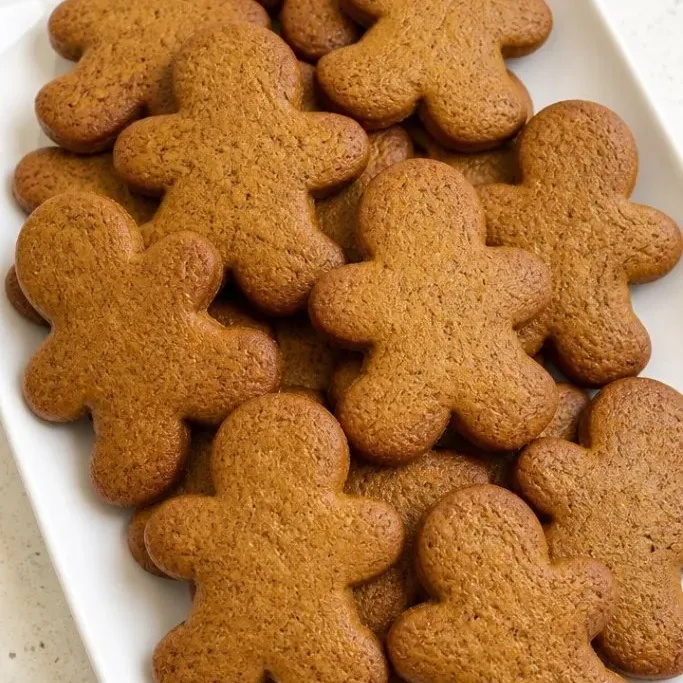
Almond flour and a small amount of coconut flour replace wheat flour, while golden erythritol and a tablespoon of molasses build that deep, caramel note you expect in good gingerbread. The dough comes together in one bowl and can chill overnight so you can bake them fresh whenever you like.
What Makes These Keto Gingerbread Cookies So Good
The texture lands right where you want a gingerbread cookie to be: a little snap when you bite in, then soft right after. The almond flour keeps them rich and buttery, and the coconut flour tightens everything up so they do not spread into puddles in the oven.
That tablespoon of molasses is the quiet hero here. It adds only about half a gram of carb per cookie, but it brings the deep, slightly bitter backbone that makes gingerbread taste like gingerbread. You can leave it out, but I think it is worth the tiny carb spend.
Ingredients
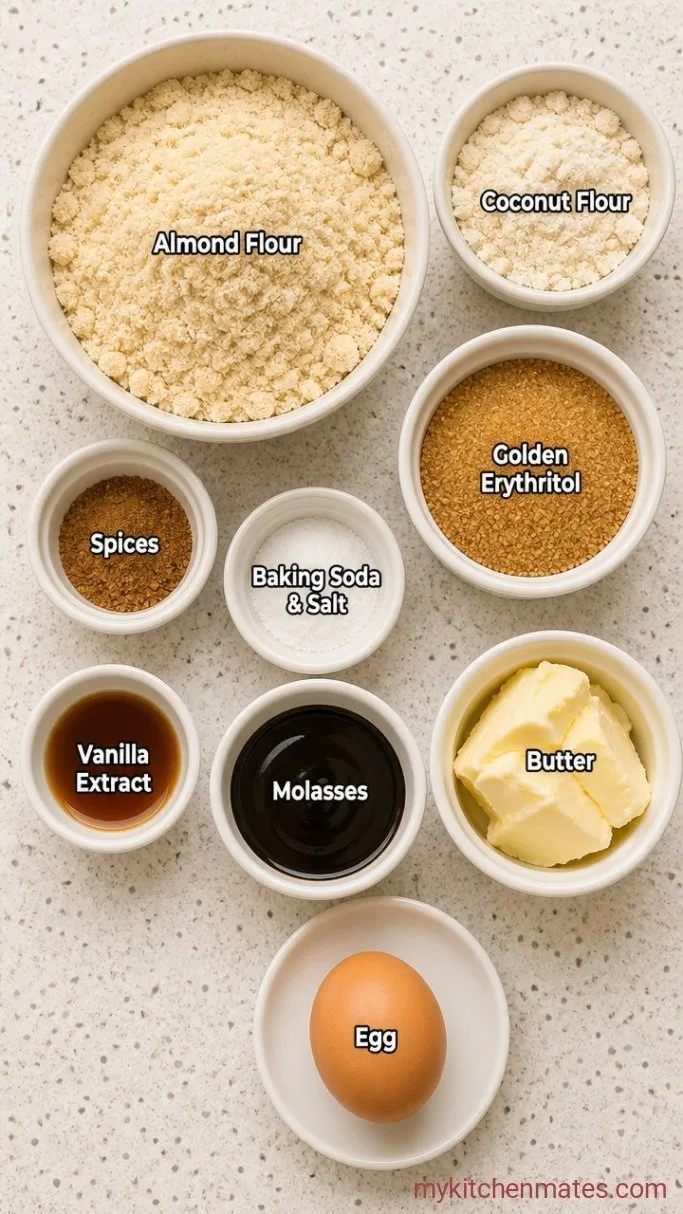
- 2 cups (200 g) blanched almond flour: fine almond flour gives the best texture; do not use almond meal
- 2 tbsp coconut flour: helps the cookies hold their shape
- 1/3 cup golden erythritol: a brown-sugar style sweetener that adds warmth without an aftertaste
- 1 tsp ground ginger
- 1 tsp cinnamon
- 1/4 tsp ground cloves
- 1/4 tsp ground nutmeg
- 1/4 tsp baking soda
- pinch of salt
- 1/4 cup unsalted butter, softened: room temperature so it creams easily
- 1 large egg, room temperature
- 1 tbsp blackstrap molasses: optional but strongly recommended for true gingerbread flavor
- 1/2 tsp vanilla extract
Variations / Substitutions
- No molasses?: leave it out and increase the ginger to 1 1/4 tsp for a brighter spice cookie. The color will be paler.
- Dairy-free: swap the butter for softened coconut oil in equal measure. The cookies will be slightly more delicate.
- Sweetener swap: monk fruit brown sugar blend works well, or use classic erythritol plus 1/2 tsp molasses to get the same browned note.
- Extra warmth: add 1/8 tsp cardamom or a pinch of black pepper to the spice mix.
- Cut-out tips: for crisp shapes, roll the dough slightly thicker and chill the cut cookies on the baking sheet for 10 minutes before they go into the oven.
Keto Coconut Cookies are another dessert you’d probably love if you enjoy these cookies.
How to Make Keto Gingerbread Cookies
Step 1: Mix the Dry Ingredients
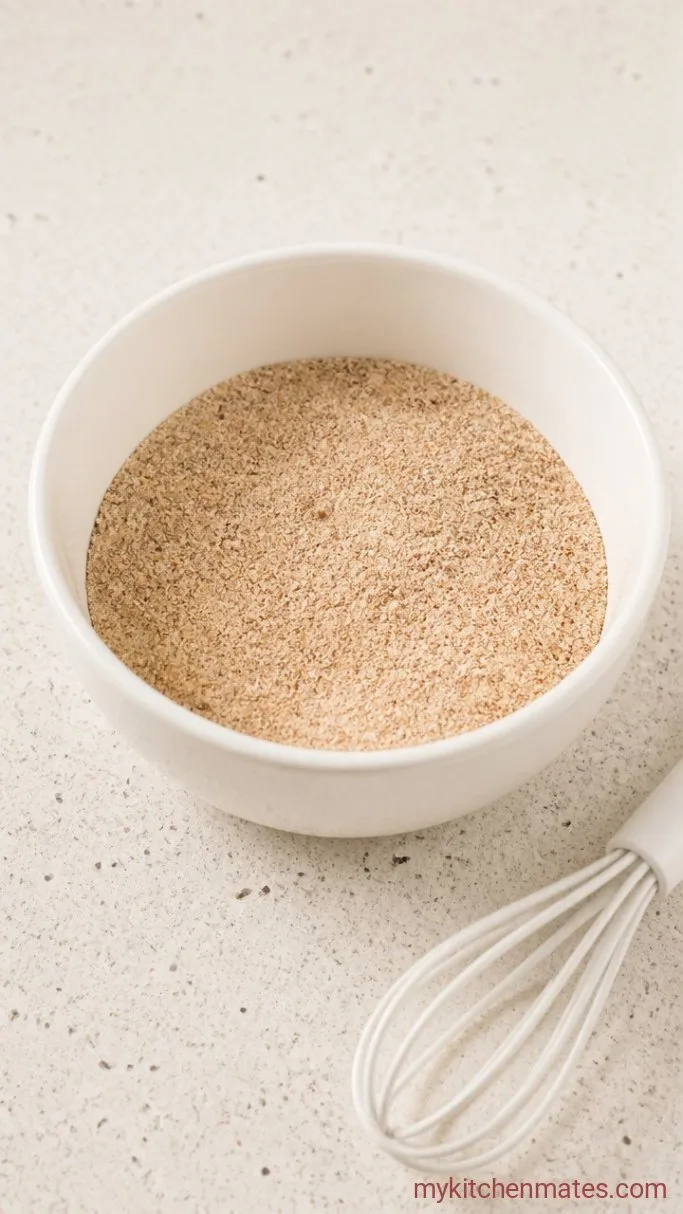
In a medium bowl, whisk together the 2 cups almond flour, 2 tablespoons coconut flour, 1/3 cup sweetener, ginger, cinnamon, cloves, nutmeg, baking soda, and salt. Make sure the baking soda and spices are distributed evenly or you will get spotty cookies.
The mixture should look uniform and pale, with no lumps of coconut flour. Run your fingers through it if you need to break up any clumps.
Step 2: Cream the Butter and Sweetener
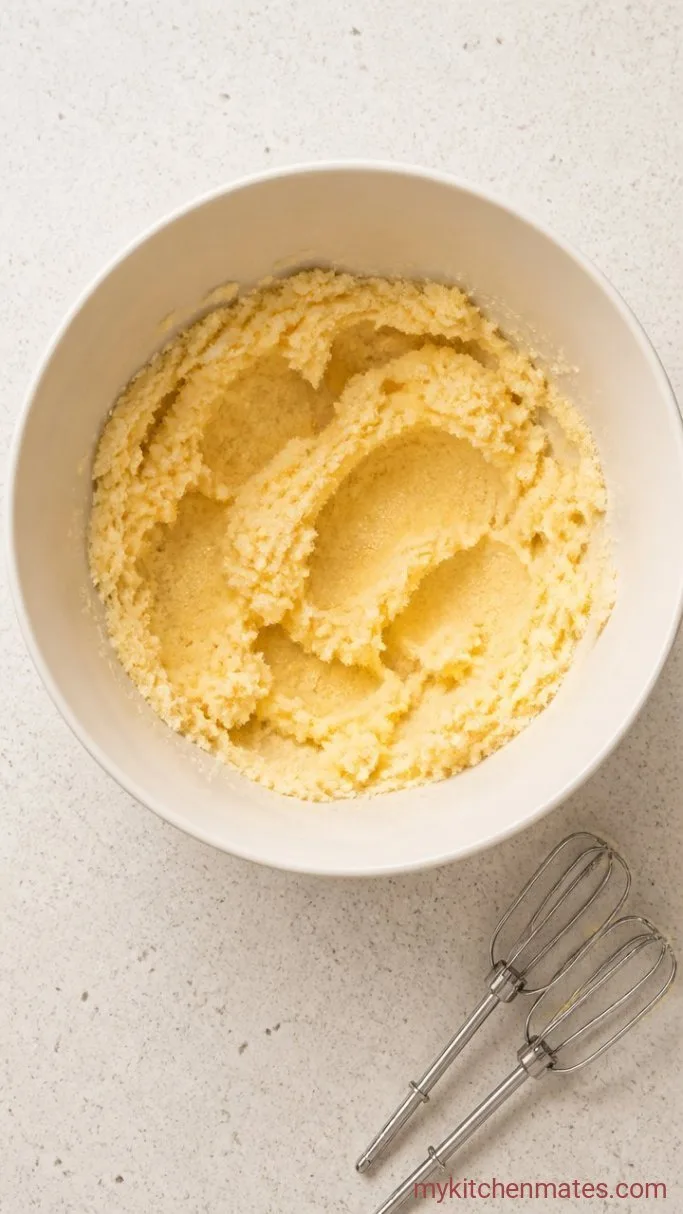
In a large bowl, beat the 1/4 cup softened butter with an electric mixer on medium speed until creamy, about 1 minute. Add the sweetener and beat again for 2 minutes, scraping the bowl once. It will not get fluffy like sugar and butter do with wheat flour, but you want it smooth and slightly lightened.
The mixture will look like damp sand. That is exactly right. If the butter was too cold, let the bowl sit on the counter for 5 minutes and beat again.
Step 3: Combine the Dough
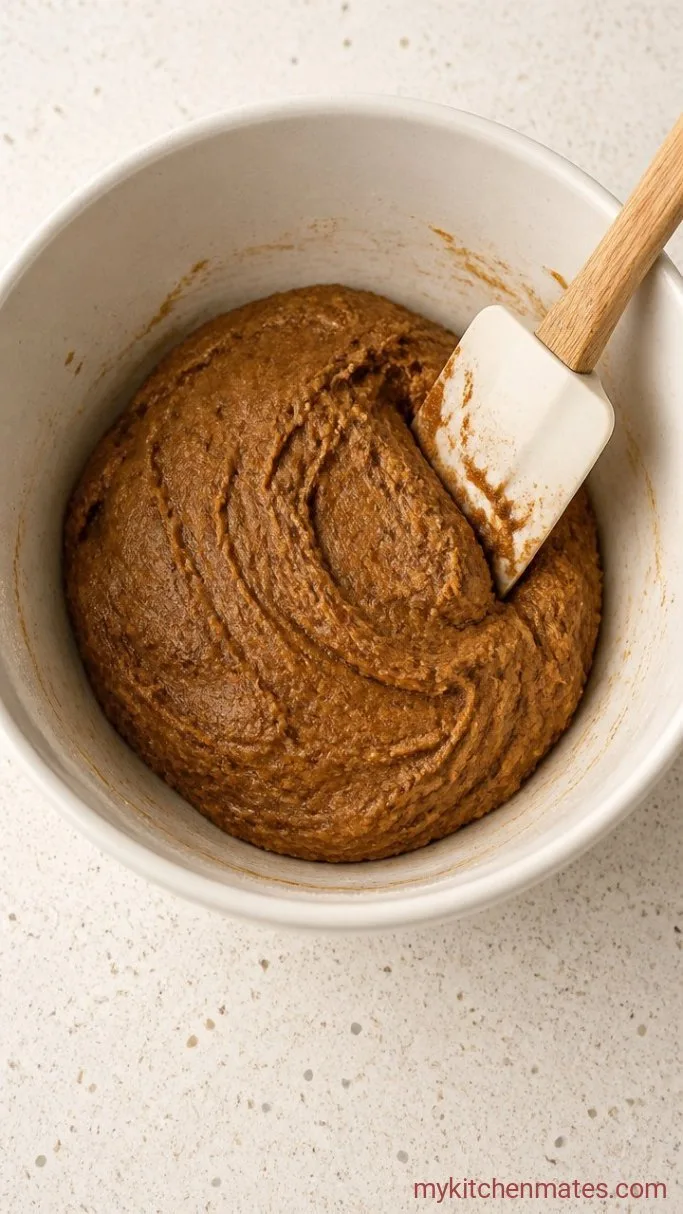
Beat the egg, 1 tablespoon molasses, and 1/2 teaspoon vanilla into the butter mixture on low speed until combined. Add the dry ingredients all at once and mix on low just until a cohesive dough forms. Stop the moment you see no dry pockets. Overmixing can make the cookies tough.
The dough will be soft and a little sticky. Cover it with plastic wrap and chill for at least 30 minutes in the fridge. This rest is not skippable. It firms up the butter so the cookies hold their shape.
Step 4: Roll and Cut the Cookies

Divide the chilled dough in half. Place one half between two sheets of parchment paper and roll it out to about 1/4 inch thickness. Peel off the top parchment, dip your cutter in almond flour, and cut shapes. Transfer them to a parchment-lined baking sheet with a thin spatula, leaving an inch between cookies. Reroll scraps once, and repeat with the second half of dough.
If your kitchen is warm, pop the cut cookies into the fridge for 10 minutes while the oven heats. This step helps them keep a clean edge.
Step 5: Bake and Cool the Cookies
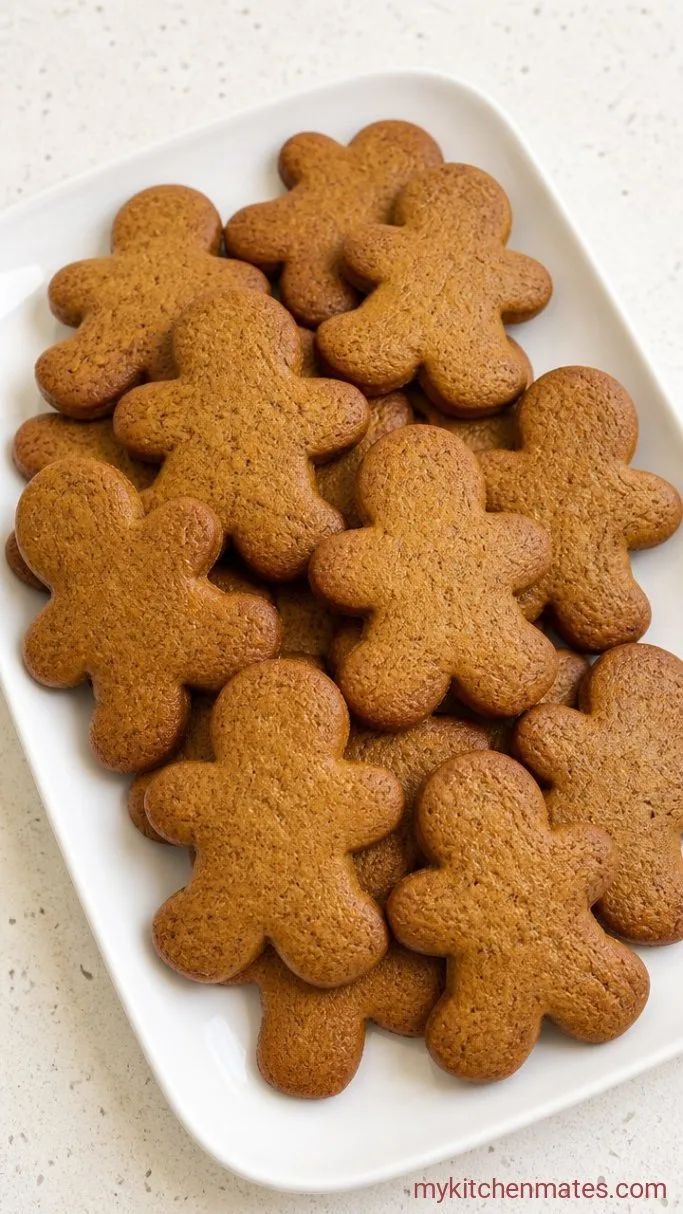
Preheat the oven to 350°F (175°C). Bake one sheet at a time for 10 to 12 minutes, until the edges are set and just starting to turn a shade darker. The centers will look slightly soft. That is fine. They firm up as they cool.
Let the cookies rest on the hot baking sheet for 5 minutes, then gently move them to a wire rack to cool completely. Serve them once they are firm, or dust with a little powdered erythritol for a snowy look.
A Few Notes Before You Start
- Weigh the almond flour if you can. Almond flour compacts easily, and 2 cups measured by volume can vary by 40 grams. Too much flour and the dough will be crumbly.
- Keep the dough cold. If it gets sticky as you roll, slide it back into the fridge for 5 minutes. Cold dough means sharp cut-outs.
- Do not overbake. The cookies will look a bit puffy and soft at the 10-minute mark. Pull them then. Overbaking dries out almond flour fast.
- These taste even better the next day. The spices settle overnight, and the texture gets crunchier around the edges.
Bake times can shift a little depending on your oven:
| Oven type | Cookie size | Bake time |
|---|---|---|
| Conventional | 3-inch cutters | 11-12 mins |
| Convection | 3-inch cutters | 9-10 mins |
| Mini shapes | 1.5-inch cutters | 7-8 mins |
Storing Leftovers
Keep the cookies in an airtight container at room temperature for up to 5 days. They stay crisp around the rim and soft in the middle the whole time. You can freeze the baked cookies for up to 3 months. Layer them between parchment and they will not stick. The dough also freezes well, wrapped tightly, for 2 months. Thaw it overnight in the fridge before rolling.
Frequently Asked Questions
Can I make these dairy-free?
Yes. Replace the butter with an equal amount of softened refined coconut oil. The cookies will spread a touch more, so chill the cut dough an extra 10 minutes before baking.
Why did my cookies spread into blobs?
Usually it means the dough was too warm going into the oven or the butter was over-creamed. Chill the shaped cookies on the baking sheet until they feel firm, and be careful not to beat the butter and sweetener for more than 2 minutes.
Can I skip the coconut flour entirely?
No, the coconut flour is what prevents these from spreading. Almond flour alone does not have enough structure. If you need a coconut-free version, check my Keto Snickerdoodles recipe instead.
Is the molasses really keto?
One tablespoon spread across 24 cookies adds about .5 g of sugar per cookie. It gives a lot of flavor for that tiny amount. If you prefer to avoid it, the recipe still works; just expect a lighter ginger cookie taste.
Keto Gingerbread Cookies Recipe
Ingredients
Method
- Whisk almond flour, coconut flour, sweetener, spices, baking soda, and salt in a bowl.
- In a separate bowl, beat butter and sweetener with an electric mixer until smooth, about 2 minutes.
- Beat in egg, molasses, and vanilla. Add dry ingredients and mix on low until a soft dough forms. Cover and chill at least 30 minutes.
- Divide dough in half. Roll each half between parchment to 1/4 inch thick. Cut shapes and place on a parchment-lined baking sheet. Chill cut cookies 10 minutes if dough feels soft.
- Preheat oven to 350°F (175°C). Bake one sheet at a time for 10 to 12 minutes, until edges are set. Cool on the sheet 5 minutes, then transfer to a wire rack and serve.
Notes
