
Soft and Fluffy Japanese Milk Bread (Shokupan)

Japanese milk bread is the softest, most tender loaf you’ll ever pull out of your oven. It’s the kind of bread that makes a plain slice of toast feel like a treat.
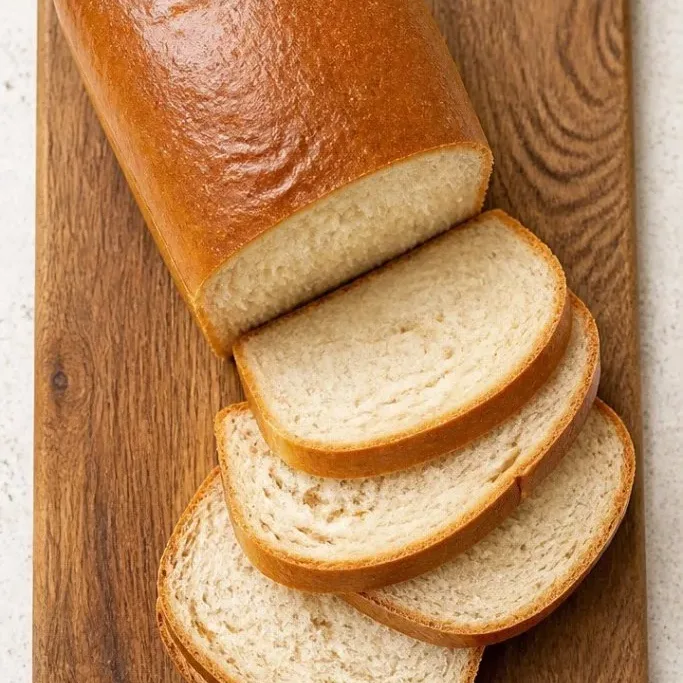
The secret is a simple cooked flour paste, called tangzhong, that locks in moisture and keeps the crumb pillowy for days. Once you make it, you’ll want to keep a loaf on hand all the time.
Why This Bread Stays So Soft and Fluffy
The tangzhong pre-gelatinizes some of the flour, so it holds onto water far better than a standard dough. That trapped moisture is what gives each slice its cloud-like texture and keeps it fresh well past day one.
There’s a gentle sweetness from the milk and sugar, but it’s not a dessert bread. It toasts beautifully, makes incredible sandwiches, and still feels tender straight from the bread box.
Ingredients
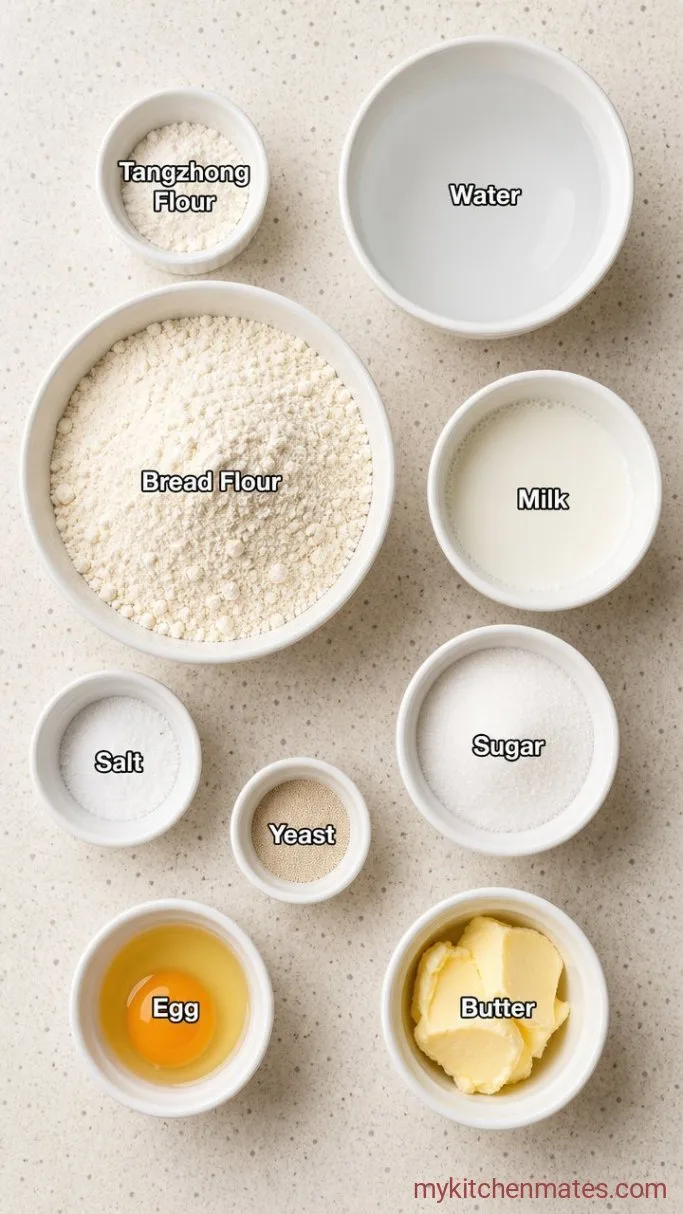
- 3 tbsp (25 g) bread flour, for the tangzhong: this small amount creates the moisture-trapping paste.
- 1/2 cup (120 ml) water, for the tangzhong: use cold or room temp; you’ll cook it into a paste.
- 2 1/2 cups (325 g) bread flour: higher protein gives the loaf its soft, chewy structure.
- 1/2 cup (120 ml) whole milk: warmed just enough to take the chill off, about 85°F (29°C).
- 1/4 cup (50 g) granulated sugar: for a subtle sweetness and a golden crust.
- 1 tsp fine salt: balances the flavor without making the bread taste salty.
- 2 1/4 tsp (1 packet) instant yeast: goes straight into the flour, no proofing needed.
- 1 large egg: cold from the fridge is fine; it enriches the dough.
- 3 tbsp (42 g) unsalted butter: softened so it kneads in smoothly.
Variations / Substitutions
- Bread flour to all-purpose: the loaf will still be soft but less chewy; use the same weight.
- Dairy-free: replace whole milk with oat milk and the butter with a stick-style vegan butter.
- Add a swirl: after rolling the dough flat in Step 4, spread a thin layer of cinnamon sugar or red bean paste before shaping.
- Matcha or chocolate: whisk 1 tbsp matcha or 2 tbsp cocoa into the flour for a tinted loaf.
Miso Noodle Soup is a cozy soup to serve with this bread.
How to Make Japanese Milk Bread
Step 1: Make the Tangzhong
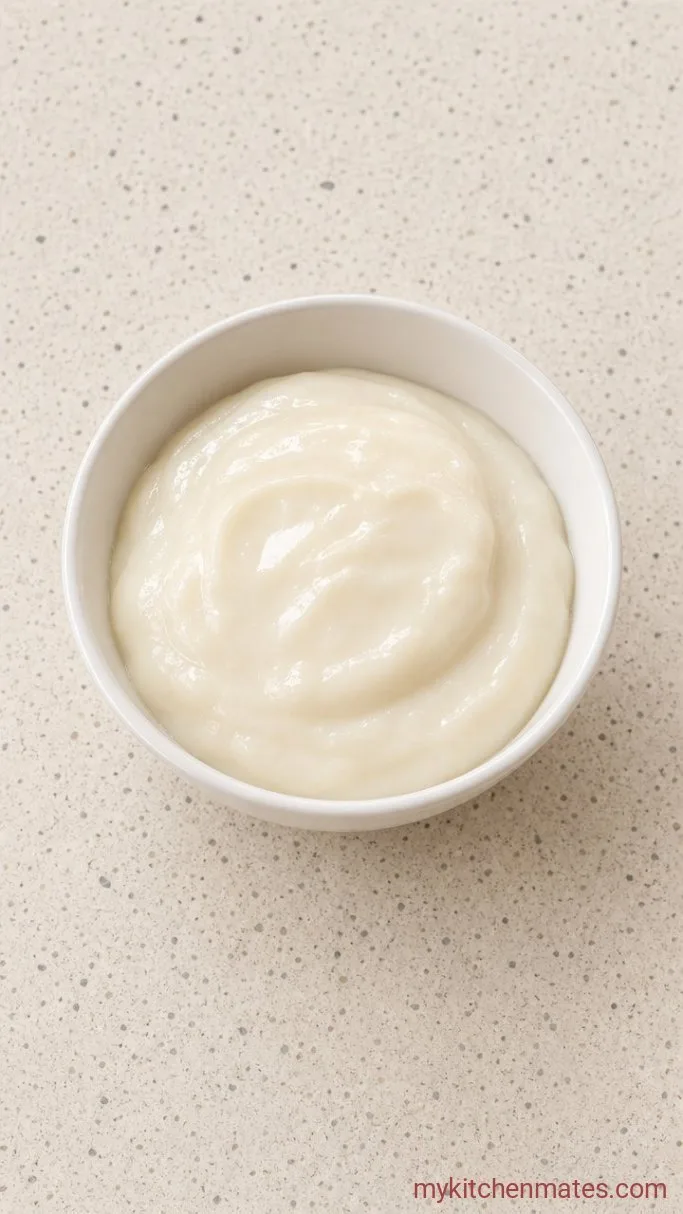
Whisk the 3 tbsp bread flour and 1/2 cup water in a small saucepan until no lumps remain. Set it over medium heat and cook, stirring constantly, for about 3 minutes, until it thickens into a smooth, pudding-like paste. As soon as you drag a spatula through and the line holds for a second, pull it off the heat.
The paste will look glossy and feel dense. This is what traps the extra moisture, so don’t rush the cooking; it needs to reach at least 150°F (65°C) to gelatinize fully. Scrape it into a small bowl and let it cool to room temperature. You can make it a few hours ahead or even the night before.
Tangzhong might seem like an extra step, but it’s fast and hands-off once it’s cooling. This little paste is the whole reason the crumb stays pillowy for days.
Step 2: Mix and Knead the Dough

In the bowl of a stand mixer fitted with a dough hook, combine the cooled tangzhong, 1/2 cup warm milk, 1/4 cup sugar, 1 packet instant yeast, and 1 large egg. Mix on low just to break up the yeast and egg. Add the 2 1/2 cups bread flour and 1 tsp salt, then knead on low speed for 3 minutes until a shaggy, cohesive dough forms.
The dough will look rough and a little dry at first. Let it rest for 5 minutes right in the bowl so the flour hydrates. Then add the softened 3 tbsp butter a piece at a time and knead on medium speed for 8 to 10 minutes. Stop when the dough pulls away from the sides cleanly and feels tacky but not sticky. Pull off a small piece and stretch it thin; if you can see light through a translucent window without it tearing right away, the gluten is strong enough.
Don’t short the kneading time here. Underdeveloped gluten won’t trap the gas the yeast produces, and you’ll lose some of that signature fluff. A stand mixer makes it easy, but you can knead by hand for 12 to 15 minutes on a lightly floured surface.
Step 3: Let the Dough Rise
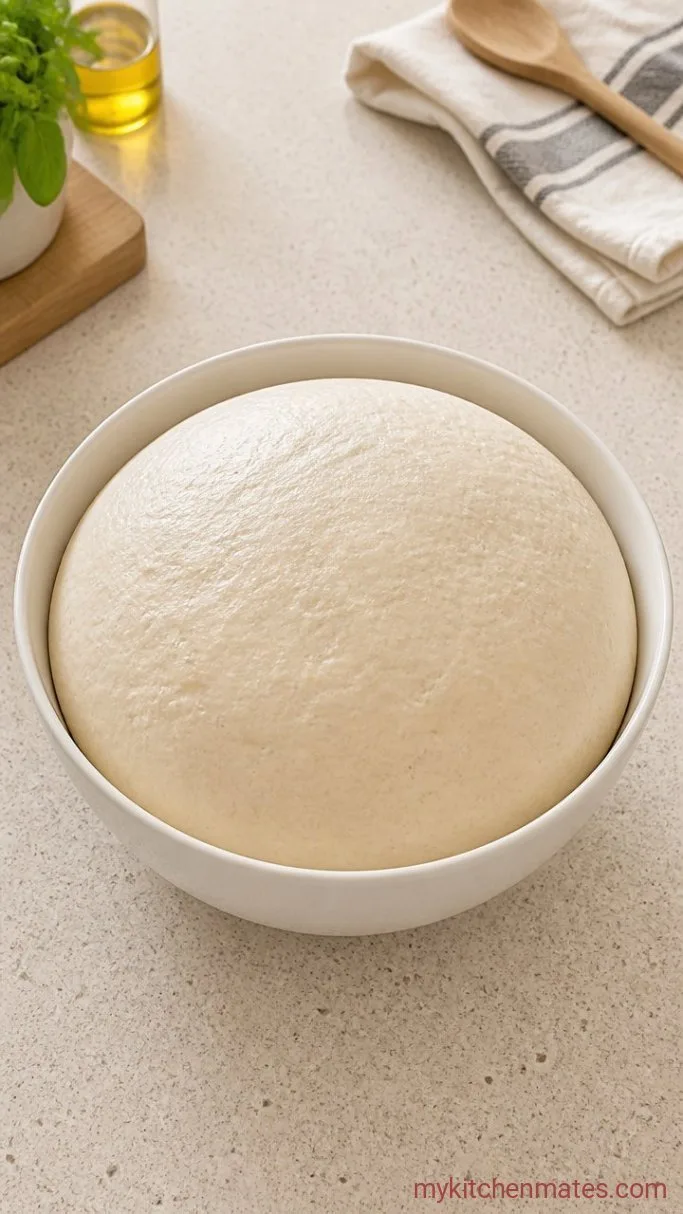
Shape the dough into a smooth ball and place it in a lightly greased large bowl. Cover with a clean towel or plastic wrap and leave it in a warm spot until doubled, about 1 to 1.5 hours.
The dough will look puffy and feel airy when you press it with a floured finger. If the indentation springs back slowly, it’s ready. If it springs back fast, give it another 15 minutes. The kitchen temperature matters a lot here; a cool 68°F room will take the full 1.5 hours, while a warmer spot near the oven might only need one.
This long first rise is where most of the bread’s flavor develops. Try not to let it go so long that it collapses when you touch it; if it does, the yeast has run out of food and the loaf will taste over-fermented.
Step 4: Shape the Loaf
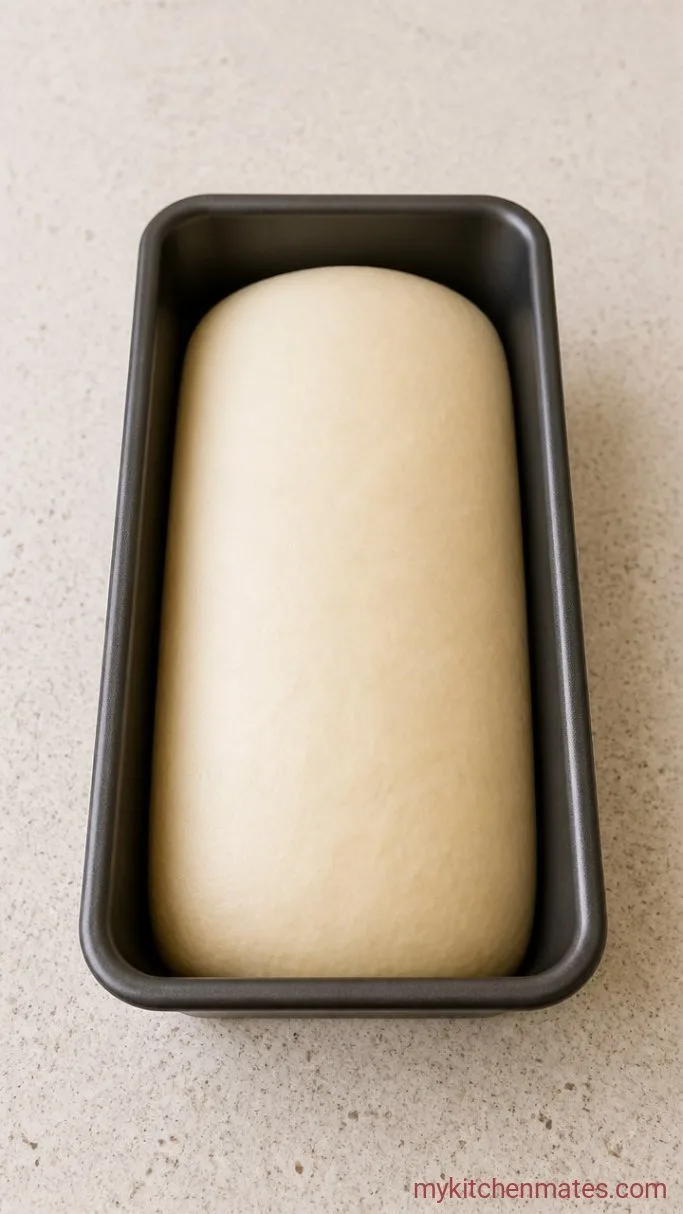
Punch the dough down gently to release the gas, then turn it out onto a lightly floured counter. Divide it into three equal pieces, each about 180 grams. Roll one piece into a short oval, fold the left and right sides toward the center like a letter, then roll it up from the short end into a snug cylinder. Place it seam-side down in a greased 9×5-inch loaf pan. Repeat with the other two pieces, lining them up side by side in the pan.
The surface of each roll should be smooth and taut, which helps it expand evenly upward. If a piece tears while rolling, just pinch it closed and keep going; the rise will smooth out small imperfections.
Shaping into three separate rolls creates that pull-apart spiral you see in shokupan loaves. If you prefer a single smooth log, that works too, just roll the whole rectangle tightly and tuck the ends under.
Step 5: Proof and Bake
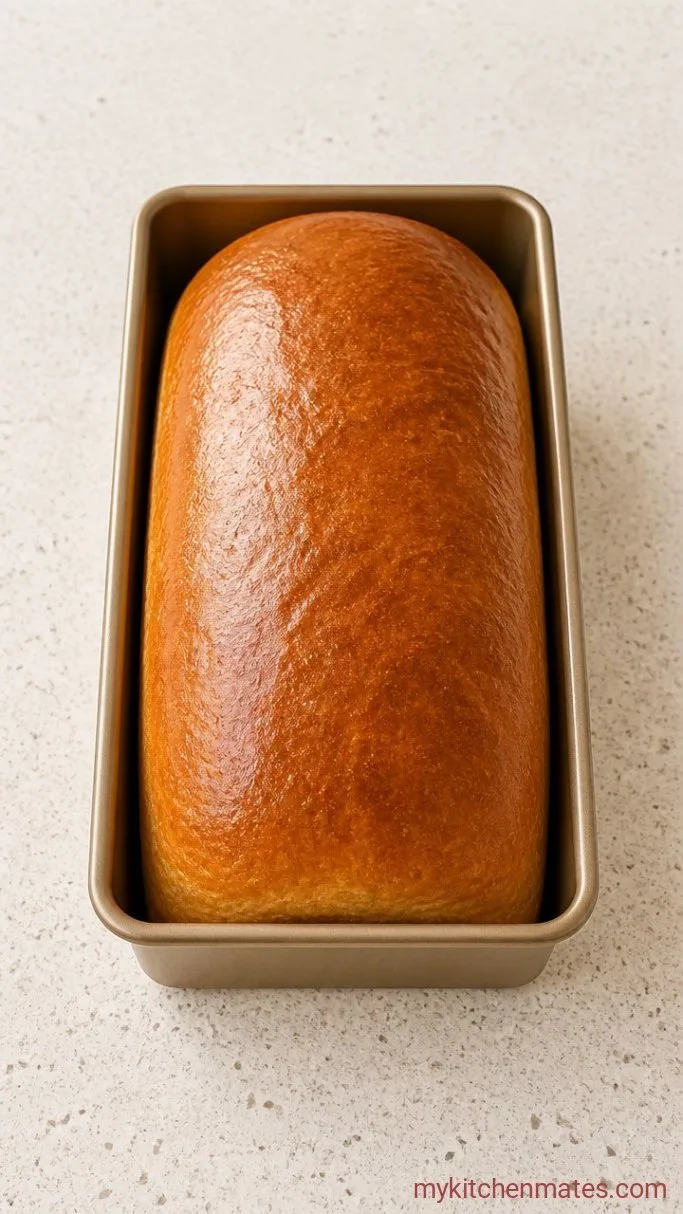
Cover the pan loosely with oiled plastic wrap and let the dough rise in a warm place until it crowns about 1 inch above the rim of the pan, 45 to 60 minutes. About 15 minutes before baking, preheat the oven to 350°F (175°C).
The dough will look tall and jiggly if you tap the pan lightly. Brush the top with a little milk or an egg wash if you want a deeper brown shine. Slide the pan into the middle rack and bake for 30 to 35 minutes. The crust will turn a rich golden brown, and the internal temperature should hit 190°F (88°C) on an instant-read thermometer. If the top darkens too fast, tent it loosely with foil after the 20-minute mark.
Baking to that temperature ensures the center is fully set without drying out. The whole kitchen will smell sweet and milky right around the 25-minute mark.
Step 6: Cool and Slice

Remove the pan from the oven and let the bread cool inside it for 5 minutes. Then turn the loaf out onto a wire rack. Leave it to cool completely, at least 30 minutes, before slicing.
The crust will feel soft right out of the oven and set up as it cools. Slicing too early tears the crumb because the steam inside hasn’t settled yet. A serrated bread knife with gentle sawing will give you the cleanest pieces.
Serve the slices still a little warm if you can’t wait, but a fully cooled loaf slices neat and pillowy every time.
A Few Notes Before You Start
- Weighing the flour makes a bigger difference here than almost any other trick. A packed cup of bread flour can add 30 extra grams, and that throws off the ratio.
- A warm but not hot rising spot is key. You can microwave a cup of water until steaming, push it to the side, and place the covered bowl inside the turned-off microwave for a gentle proofing box.
- The tangzhong paste can be made the day before and refrigerated. Let it come to room temperature before mixing the dough.
- If the loaf starts to stale after a few days, toasting or steaming a slice brings back the soft texture instantly.
Bake times by pan size:
| Pan size | Bake time at 350°F (175°C) |
|---|---|
| 9×5-inch loaf pan | 30 to 35 minutes |
| 8.5×4.5-inch loaf pan | 35 to 40 minutes |
| 9x4x4 pullman pan (with lid) | 35 to 40 minutes |
Storing and Keeping Bread Fresh
- Refrigerate: Store the cooled loaf in a sealed bag or bread box at room temperature for up to 3 days. Refrigeration can dry it out faster, so only use the fridge if your kitchen is very warm.
- Freeze: Slice the bread first, then wrap it tightly in plastic and foil. Frozen slices keep for up to 2 months and thaw on the counter in 15 minutes or go straight into the toaster.
- Toasting: Reheating leftover slices in a toaster or warm oven for a few minutes softens the crumb and crisps the outside better than the microwave.
What Goes Well With Japanese Milk Bread
A thick swipe of salted butter and a drizzle of honey is the simplest way to show off the pillowy crumb. For something more substantial, make French toast: the slices soak up custard without falling apart and puff up beautifully in the pan. Soft egg salad sandwiches on this bread, with the crusts cut off, are as close to a Japanese konbini sandwich as you can get at home.
Frequently Asked Questions
Can I use all-purpose flour instead of bread flour?
Yes, but the loaf will be slightly less springy and chewy. You’ll still get a soft white bread, just not quite as strong a crumb structure.
Why did my bread come out dense?
The two most likely reasons are under-kneading the dough or letting it over-proof during the final rise. Knead until the windowpane test passes, and bake as soon as the dough crowns above the pan by an inch.
Can I skip the tangzhong?
You’ll end up with a regular white sandwich bread that’s perfectly good but nowhere near as tender or long-lasting. The tangzhong is what gives shokupan its signature pillowy texture.
Can I shape this into rolls?
Absolutely. After the first rise, divide the dough into 12 equal pieces and shape each into a tight ball. Place them in a greased 9×13-inch pan, let rise until puffy, then bake at 350°F (175°C) for 18 to 22 minutes.
Do I need to use a stand mixer?
No, you can knead by hand for 12 to 15 minutes. It’s a workout, but the dough is forgiving and will get smoother the longer you work it.
Japanese Milk Bread Recipe
Ingredients
Method
- Whisk 3 tbsp bread flour and 1/2 cup water in a small saucepan; cook over medium heat, stirring constantly, until thickened into a pudding-like paste, about 3 minutes. Let cool.
- In a stand mixer with a dough hook, combine the cooled tangzhong, 1/2 cup milk, 1/4 cup sugar, yeast, and egg. Mix on low to break up the yeast. Add 2 1/2 cups bread flour and 1 tsp salt; knead on low for 3 minutes. Rest 5 minutes, then add 3 tbsp softened butter a piece at a time and knead on medium for 8 to 10 minutes until smooth and elastic.
- Shape into a ball, place in a greased bowl, cover, and let rise until doubled, about 1 to 1.5 hours.
- Punch dough down, divide into three pieces, roll each into an oval, fold sides in, then roll up into a cylinder. Place seam-side down in a greased 9×5-inch loaf pan.
- Cover and let rise until dough crowns 1 inch above the pan, 45 to 60 minutes. Meanwhile, preheat oven to 350°F (175°C). Bake 30 to 35 minutes until golden and internal temp registers 190°F (88°C). Tent with foil if browning too fast.
- Cool in the pan for 5 minutes, then turn out onto a wire rack to cool completely before slicing.
Notes
