
Silky Japanese Custard Pudding with Dark Caramel

Japanese custard pudding, or purin, is a wobbly, silky custard that releases a pool of bittersweet caramel when you turn it out. It looks like a classic flan, but the texture is denser, creamier, and the caramel leans darker for a grown-up finish that balances the sweetness perfectly.
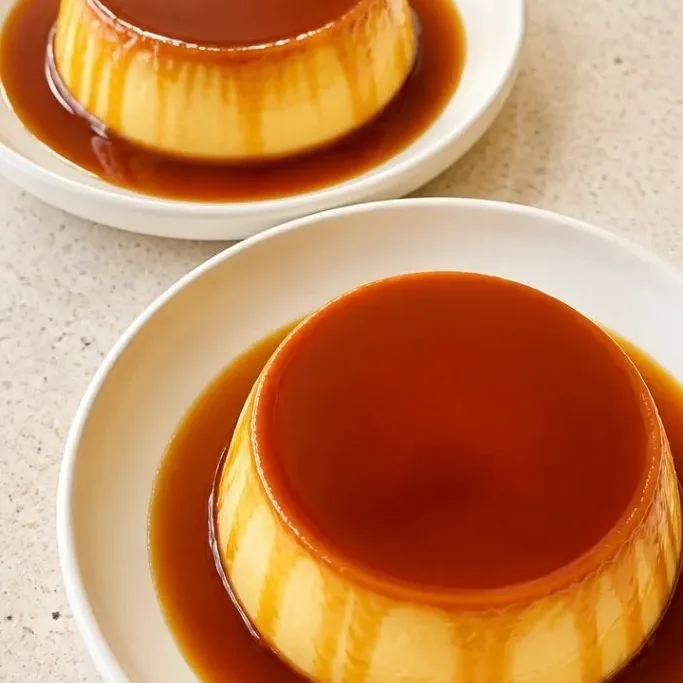
This is a dessert that feels special enough for company but comes together without any stunts. The custard base goes into a blender, sets in a water bath, and then chills until it’s ready to unmold. You’ll get that satisfying crack when the caramel runs over the sides. Make it a day ahead and you’re all set.
Why This Purin Works
The custard is dense yet silky, with a clean egg-and-milk flavor that isn’t weighed down by too much sugar. A splash of heavy cream keeps it smooth without turning it into a heavy pudding. The dark caramel is slightly bitter, which cuts through the richness in a way that makes each spoonful more interesting.
Using a blender takes the guesswork out of mixing. You don’t have to temper any eggs or worry about scrambling them. Just a quick spin and a strain, and the base is ready to bake. The water bath wraps the ramekins in gentle, even heat so the center sets without cracking.
Ingredients
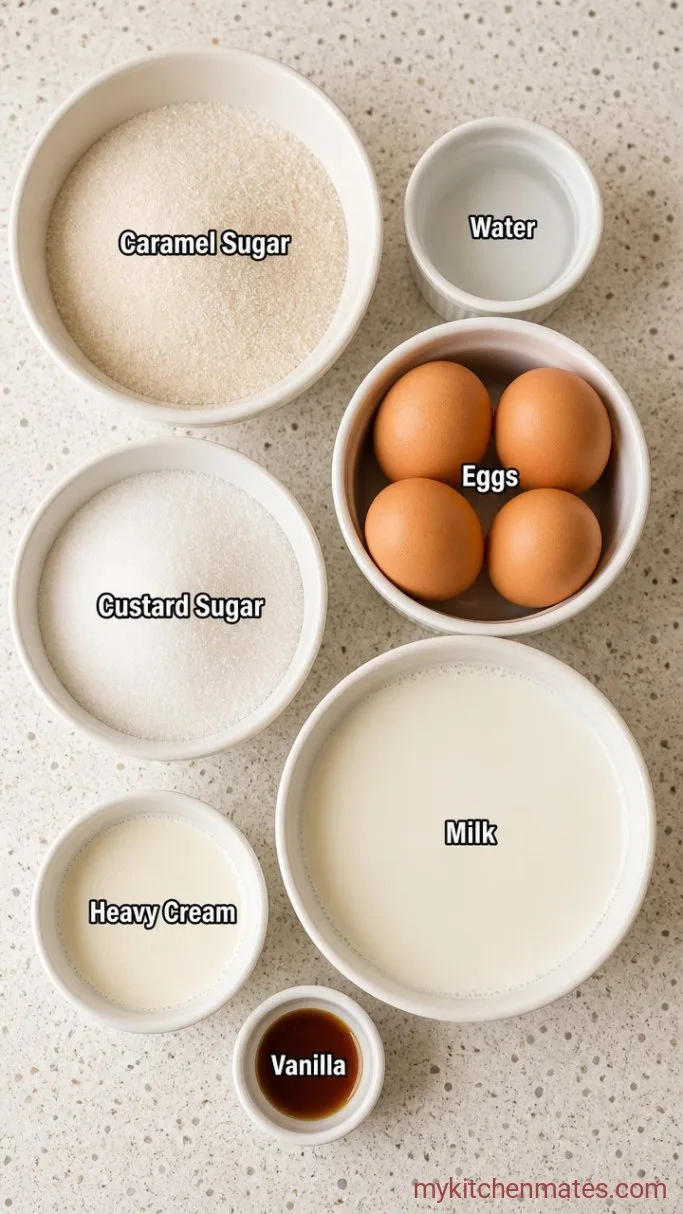
- ⅔ cup (130g) granulated sugar: for the caramel. A little extra sugar gives you a thick, dark layer that holds its shape.
- 2 tablespoons water: helps the sugar dissolve without crystallizing
- 4 large eggs: at room temperature so they blend smoothly
- ⅓ cup (65g) granulated sugar: for the custard
- 2 cups (480ml) whole milk: the main liquid; don’t swap it for lower-fat milk or the custard can turn watery
- ½ cup (120ml) heavy cream: adds the signature silky mouthfeel
- 1 teaspoon vanilla extract: rounds out the flavor
Variations / Substitutions
- Swap vanilla extract for vanilla bean paste: you’ll get those tiny black specks and a deeper flavor. Use 1 teaspoon of paste in place of the extract.
- Use all whole milk: for a lighter, more traditional purin, replace the heavy cream with an extra ½ cup of milk. The texture will be less rich but still tender.
- Dairy-free version: replace the milk and cream with 2½ cups full-fat coconut milk. The coconut flavor will come through strongly, so only do this if you’re okay with a tropical twist.
Dark Chocolate Raspberry Cake is another reader favorite dessert worth making next.
How To Make Japanese Custard Pudding
Step 1: Make the Caramel
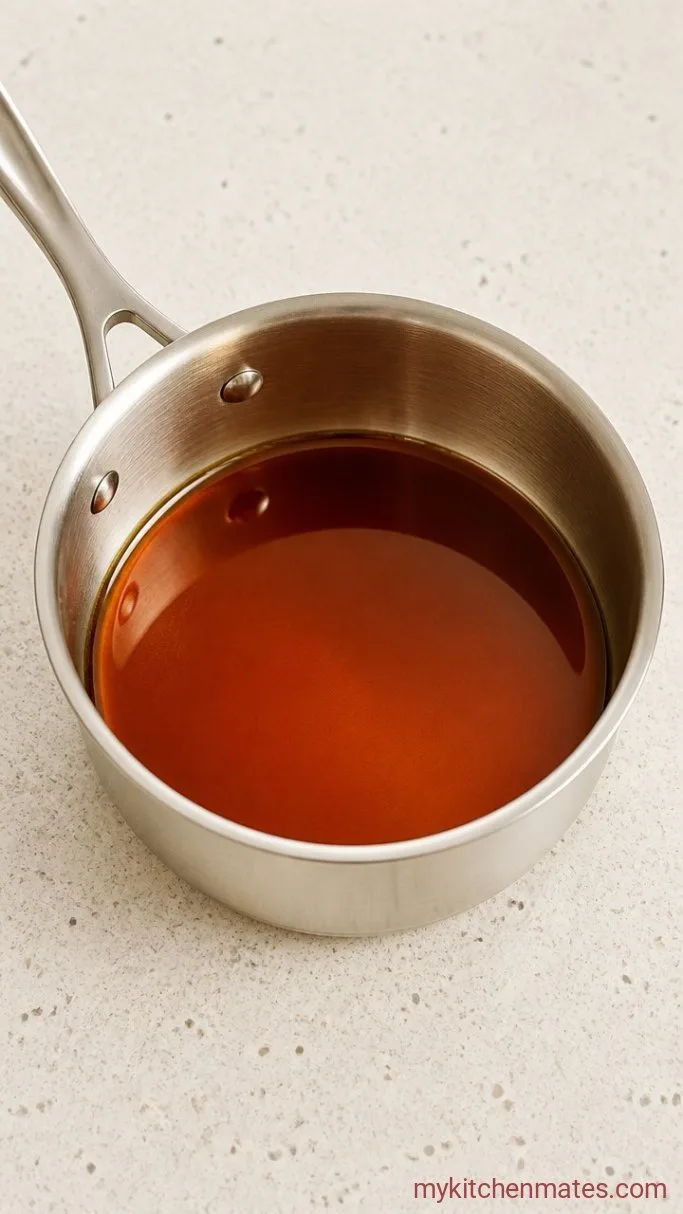
Preheat your oven to 325°F (160°C) and set a kettle of water to boil. In a small saucepan, combine the ⅔ cup sugar and 2 tablespoons water. Cook over medium heat, swirling the pan gently, until the sugar dissolves and the mixture turns a deep amber color, about 8 to 10 minutes.
Watch it closely once the sugar starts to color. It goes from golden to burnt in seconds. The caramel should smell nutty and look like dark honey. If you see wisps of smoke, pull the pan off the heat right away.
Step 2: Pour the Caramel Into Ramekins
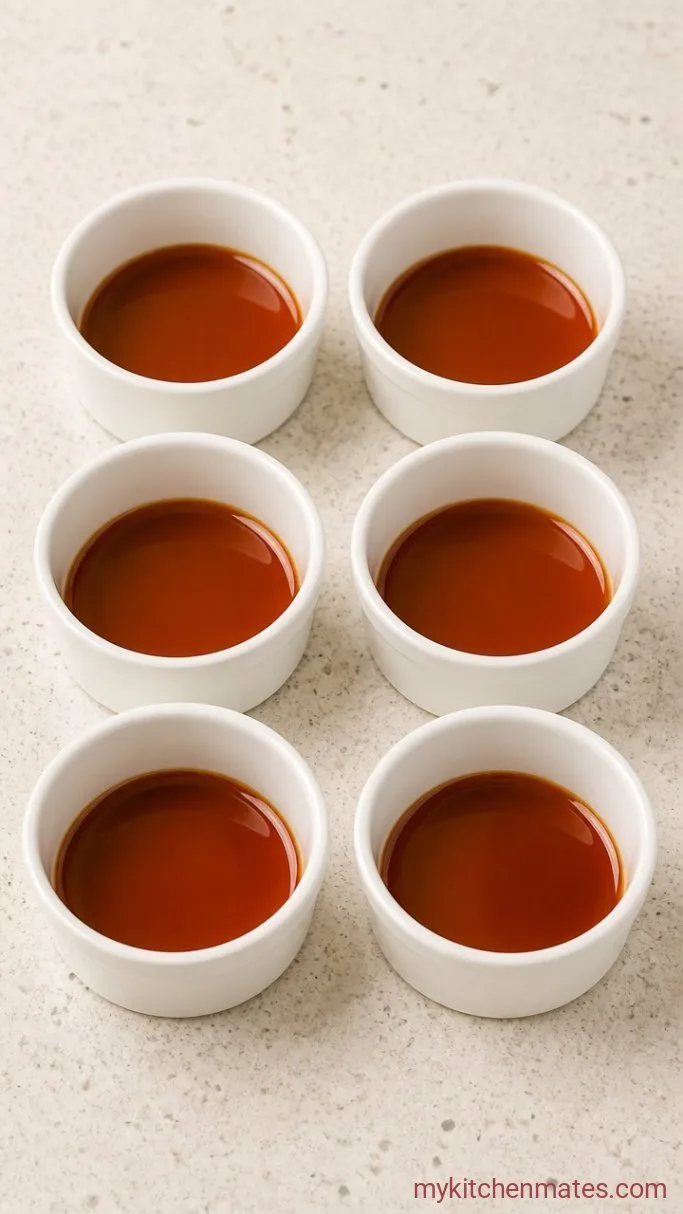
Immediately pour about a tablespoon of hot caramel into each of the four 6-ounce ramekins, tilting them to coat the bottom evenly. The caramel is blisteringly hot and will harden almost on contact.
Work quickly. If the caramel thickens too much in the pan before you finish, reheat it with a splash of water for a few seconds. Set the ramekins aside while you blend the custard.
Step 3: Blend the Custard Base
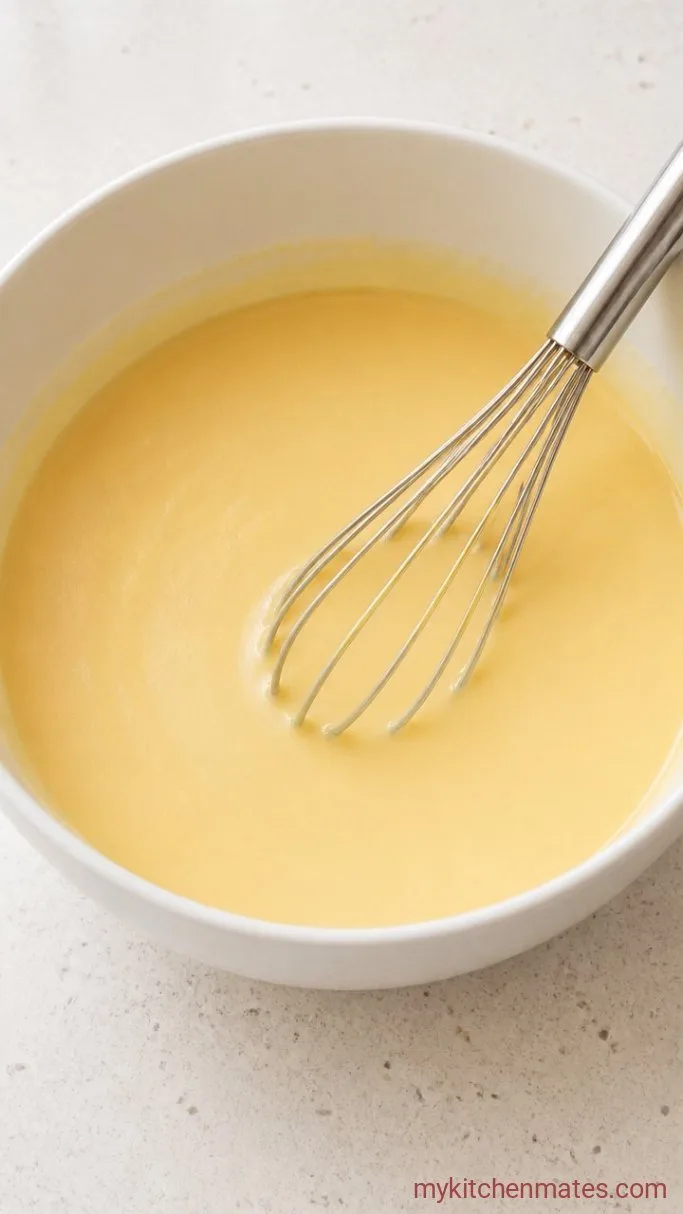
In a blender, combine the 4 eggs, ⅓ cup sugar, 2 cups whole milk, ½ cup heavy cream, and 1 teaspoon vanilla. Blend on low speed for just 30 seconds, until smooth and no streaks of egg remain. Blending too long introduces air bubbles that can leave the top pitted.
If you don’t have a blender, you can whisk everything vigorously in a bowl. Either way, let the mixture sit for 2 to 3 minutes so any large bubbles rise and pop. It will look pale yellow with a thin layer of froth on top.
Step 4: Bake in a Water Bath
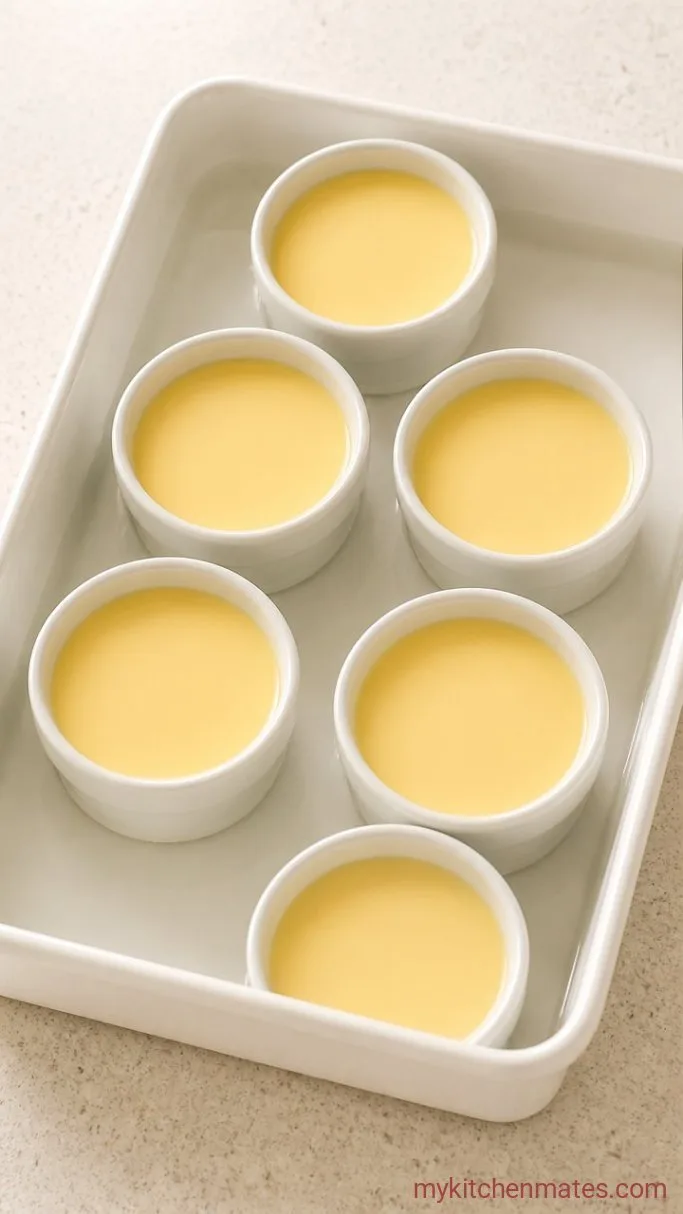
Strain the custard through a fine-mesh sieve into a large measuring cup or bowl. Then divide it equally among the caramel-lined ramekins. Place the filled ramekins into a deep baking dish, then pour the hot water from the kettle into the dish until it reaches halfway up the sides of the ramekins.
Bake for 40 to 45 minutes. The puddings are done when the edges are set but the centers still have a soft jiggle, like Jell-O. If you insert a toothpick off-center, it should come out mostly clean.
Step 5: Unmold and Serve
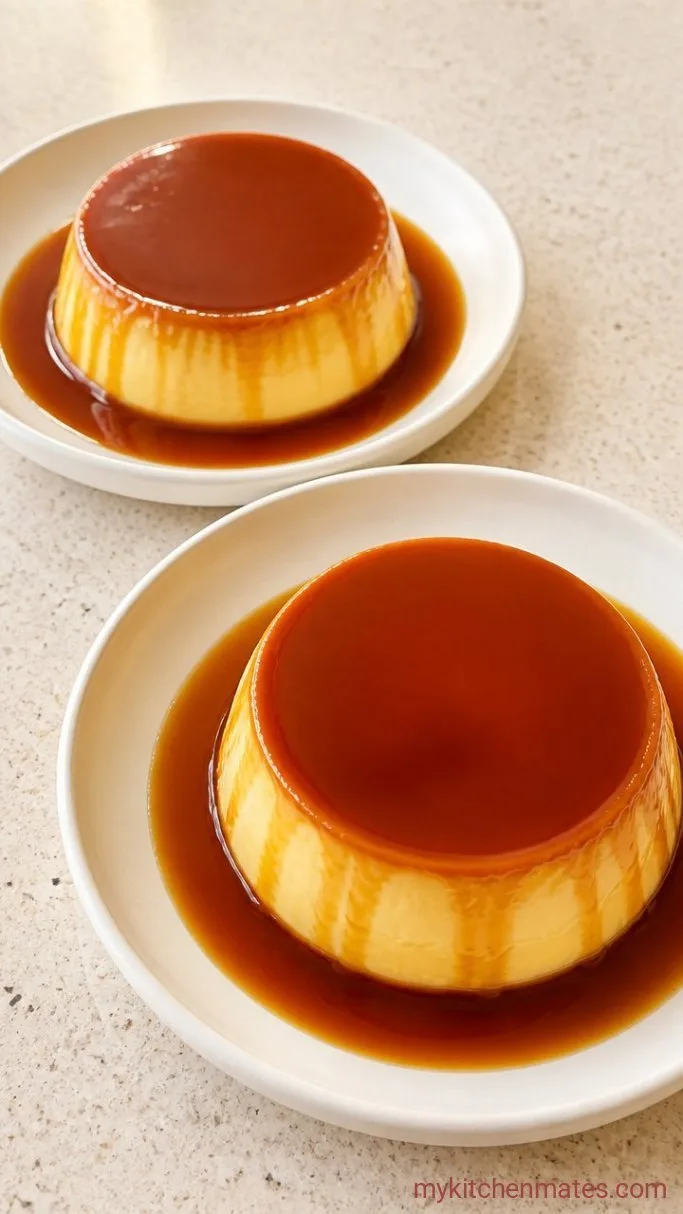
Carefully remove the baking dish from the oven and lift out the ramekins with tongs. Let them cool to room temperature on a wire rack, then cover with plastic wrap and refrigerate for at least 4 hours, preferably overnight. The longer they chill, the easier they release.
When you’re ready to serve, run a thin knife around the inside edge of each ramekin. Place a small plate over the top, invert, and give a gentle shake. The pudding should slip out with a soft plop and a cascade of dark caramel. Spoon any leftover caramel from the ramekin over the top and serve right away.
Tips for Smooth, Crack-Free Purin
- Don’t rush the chilling time.: The custard needs at least 4 hours to set fully. Overnight is even better, and it makes unmolding almost foolproof.
- Set the caramel pan in a bowl of hot water: if it starts hardening before you can pour. The heat keeps it fluid for a few extra seconds.
- Press plastic wrap directly onto the surface: of the custard before refrigerating. This keeps a skin from forming on top.
- Use a deep roasting pan: for the water bath. A shallow baking dish can let the water evaporate too quickly, leading to uneven baking.
Bake times by ramekin size:
| Ramekin Size | Bake Time |
|---|---|
| 4-ounce | 35-40 mins |
| 6-ounce | 40-45 mins |
| 8-ounce | 45-50 mins |
Storing Leftover Purin
- Refrigerate: Cover the ramekins tightly and store for up to 3 days. Unmold just before serving so the caramel doesn’t dissolve into the fridge.
Frequently Asked Questions
Why did my caramel crystallize?
If you see sugar crystals forming on the side of the pan, stop swirling and let them melt back into the liquid. You can also add a teaspoon of corn syrup or a squeeze of lemon juice to the sugar before cooking to help prevent crystallization.
Can I make purin without a blender?
Yes. Whisk the custard ingredients gently by hand until the sugar dissolves, then strain through a fine sieve. The texture will still be smooth, just expect a little more arm work.
How do I avoid bubbles on top of the pudding?
Let the custard rest after blending so the foam rises, then pour it slowly through the strainer. Tapping the ramekins gently on the counter before baking also helps pop surface bubbles.
Can I bake the pudding without a water bath?
No. The water bath keeps the custard cooking gently and evenly. Skipping it will almost certainly cause the edges to overcook before the center sets, and you’ll end up with a grainy, curdled texture.
Silky Japanese Custard Pudding Recipe
Ingredients
Method
- Combine the ⅔ cup sugar and water in a small saucepan. Cook over medium heat, swirling, until it becomes a deep amber caramel, about 8 to 10 minutes. Immediately pour a tablespoon into each of four 6-ounce ramekins, tilting to coat the bottom.
- In a blender, blend the eggs, ⅓ cup sugar, milk, cream, and vanilla on low for 30 seconds until smooth. Let the mixture sit until the foam subsides.
- Strain the custard through a fine-mesh sieve, then divide it evenly over the hardened caramel.
- Place the ramekins in a deep baking dish and pour hot water into the dish until it reaches halfway up the sides. Bake at 325°F (160°C) for 40 to 45 minutes, until the edges are set and the centers jiggle softly.
- Cool the ramekins to room temperature, cover, and refrigerate for at least 4 hours. To serve, run a knife around the edge, invert onto a plate, and spoon the caramel sauce over the top.
Notes
