
Light and Fluffy Japanese Cotton Cheesecake

Japanese cotton cheesecake is the dessert that feels like a cloud. It’s airy, barely sweet, and jiggles the moment you pull it from the oven.
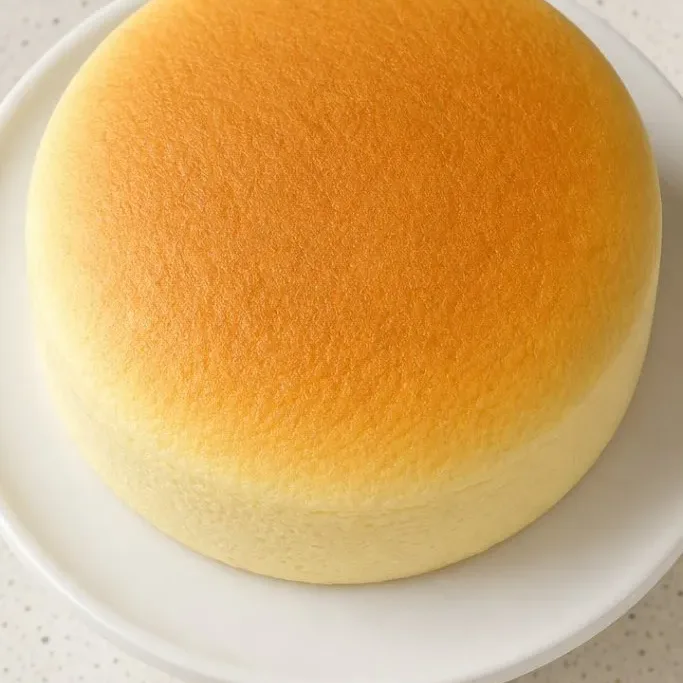
If you love cheesecake but want something lighter, this one bakes up tall and wobbly with a golden top. The whole thing comes together in one bowl, a whisk, and a gentle water bath.
Why This Cheesecake Feels So Light
The texture is what gets me every time. It’s not dense like a New York slice. Instead, it’s airy and moist, almost like a soufflé that holds its shape.
The steam from the water bath keeps the oven humid, so the top stays pale and crack-free while the cake rises gently. That slow, even heat is the real secret to the jiggly, cottony crumb.
Ingredients
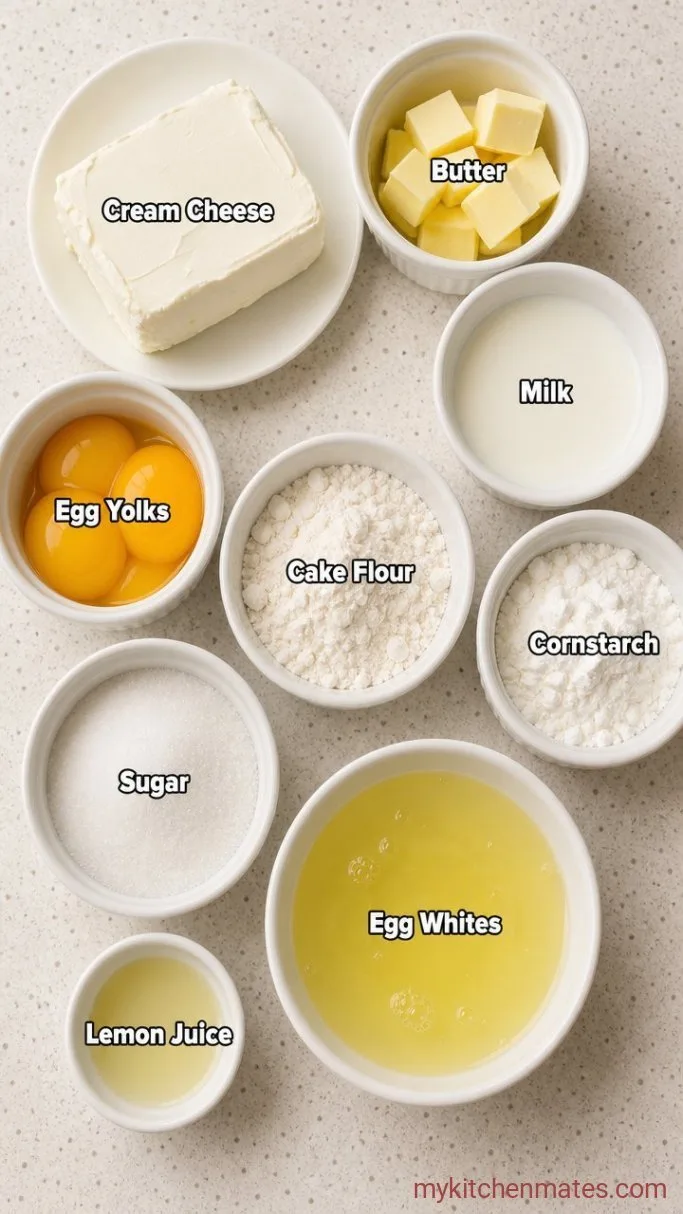
- 150g cream cheese, softened: use full‑fat block cream cheese, not spreadable
- 30g unsalted butter: cut into small cubes so it melts evenly
- 50ml whole milk: adds richness without weighing down the batter
- 3 large egg yolks: at room temperature, save the whites for the meringue
- 30g cake flour: lower protein keeps the crumb tender
- 15g cornstarch: helps create a softer, lighter structure
- 60g granulated sugar: split, half goes into the yolk base, half into the meringue
- 3 large egg whites: at room temperature, no trace of yolk or grease
- ½ tsp lemon juice: stabilizes the egg whites, no lemon flavor
Variations / Substitutions
- Cake flour swap: replace both the cake flour and cornstarch with 45g of all‑purpose flour, but the crumb will be slightly less delicate.
- Milk swap: use buttermilk for a subtle tang, or a dairy‑free oat milk that you know won’t separate when heated.
- Citrus note: add a teaspoon of finely grated lemon zest to the cream cheese base for a bright perfume.
- Sugar‑free version: replace the granulated sugar with 1:1 granular monk fruit sweetener that measures like sugar.
Fluffy Japanese Pancakes make a great breakfast to go with this cheesecake.
How To Make Japanese Cotton Cheesecake
Step 1: Melt the Cream Cheese Base
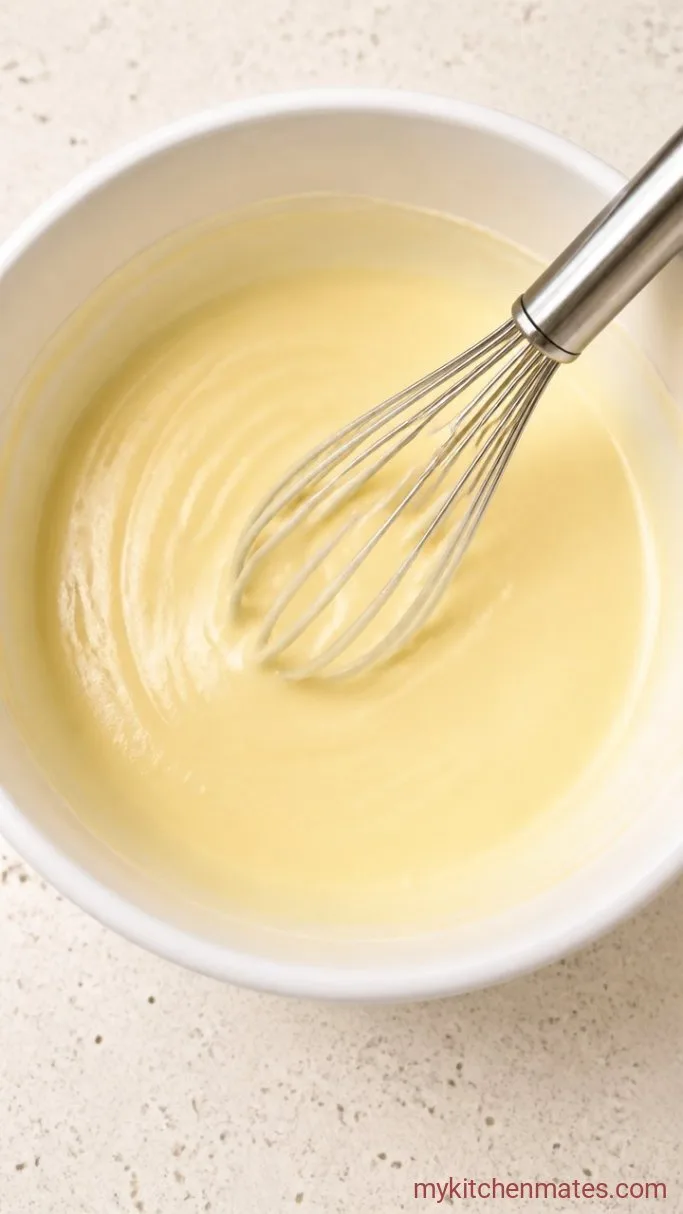
Set a medium saucepan over a low heat and add the 150g cream cheese, 30g unsalted butter, and 50ml whole milk. Stir constantly with a silicone spatula until the mixture is silky smooth and no lumps remain, about 3 minutes. Take the pan off the heat immediately once everything melts together, then whisk in the egg yolks one at a time. The warmth will gently cook the yolks just enough to thicken the mixture without scrambling them.
The liquid will look like a glossy, pale yellow custard at this point. It should be smooth enough to pour but still coat the back of a spoon.
Sift the 30g cake flour and 15g cornstarch directly into the warm cheese mixture. Whisk until the flour disappears entirely and the batter feels thick and uniform. Switching to a spatula now would trap lumps, so stick with the whisk for these next 30 seconds.
Step 2: Beat the Egg Whites
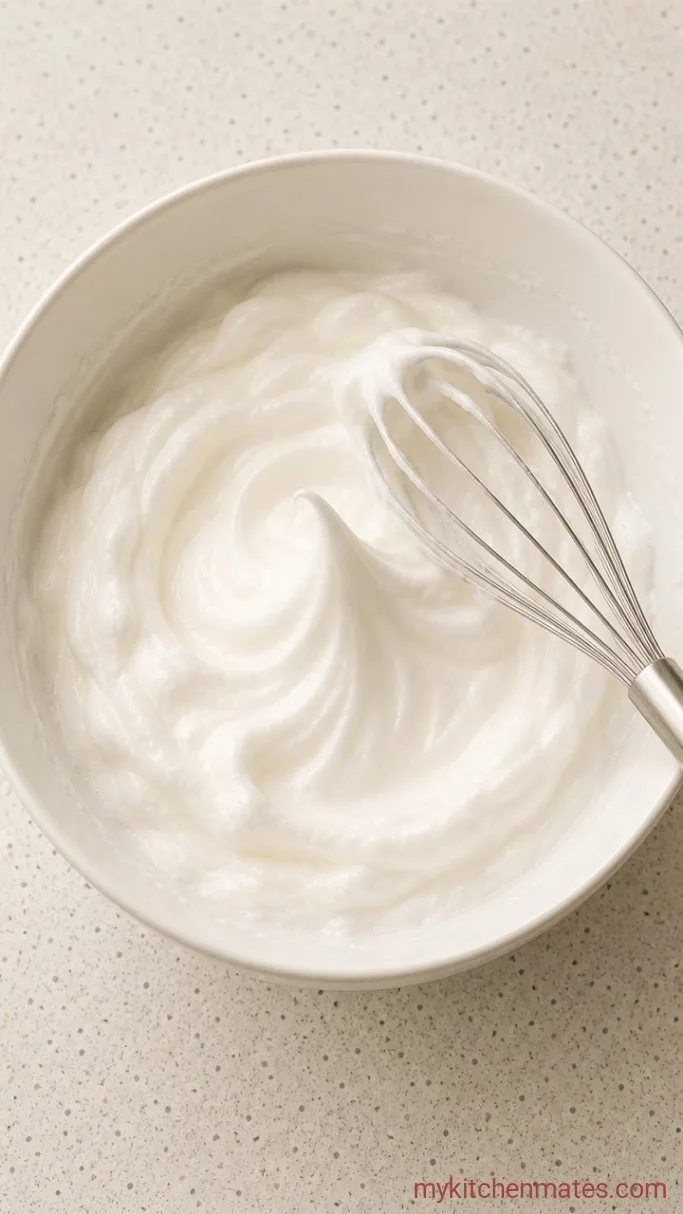
In a grease‑free metal or glass bowl, combine the 3 room‑temperature egg whites and the ½ teaspoon lemon juice. Begin beating on medium speed with a hand mixer or stand mixer until the whites turn foamy and opaque, about 1 minute. With the mixer still running, slowly rain in half of the 60g sugar, then increase to high speed and beat until stiff, glossy peaks form. The total whipping time is usually 4 to 5 minutes, and the meringue should hold a firm curl when you lift the beaters without drooping over.
Stop and check the texture at the 4‑minute mark. The peaks should stand upright and the meringue will feel smooth between your fingers, not grainy. Overbeating here makes the meringue dry and crumbly, which will crack the cake later.
Keep the meringue close to the stove while you whip it, because the base mixture will be waiting and the two need to meet at similar temperatures. If the base cools completely, it will deflate the whites when you fold them together.
Step 3: Fold the Batter
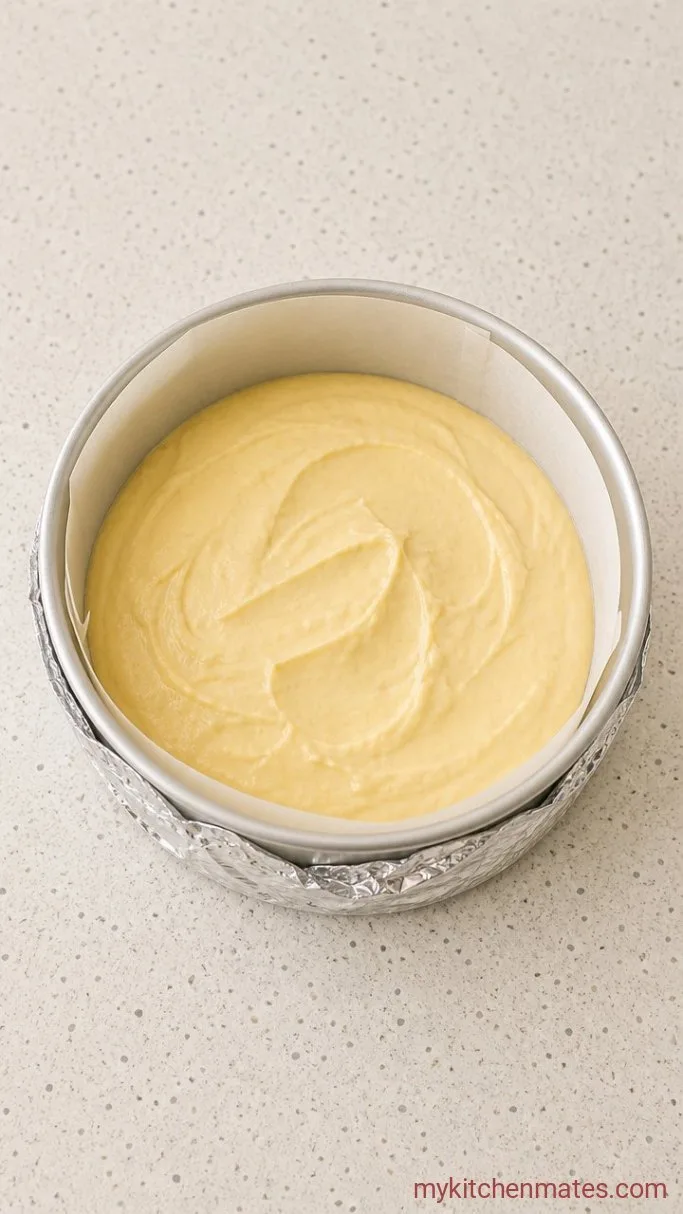
Take a large scoop of the stiff meringue and stir it roughly into the slightly warm cream cheese base. This first addition loosens the thick batter so the rest can fold in without overworking the whites. Then add the remaining meringue in two stages. Use a large spatula to cut down through the center, scrape along the bottom of the bowl, and lift the batter over the top. Rotate the bowl a quarter turn with each stroke and keep going until no white streaks remain, about 15 to 20 strokes total.
The batter will lighten visibly and swell in volume. It should look pale and feel airy, almost like a thick mousse. A few tiny flecks of meringue are fine—they will smooth out during baking.
Working gently is the part that matters most. Any heavy hand here knocks out the air you just built, so use the slow, steady motion and stop as soon as the color is even.
Step 4: Bake in a Water Bath
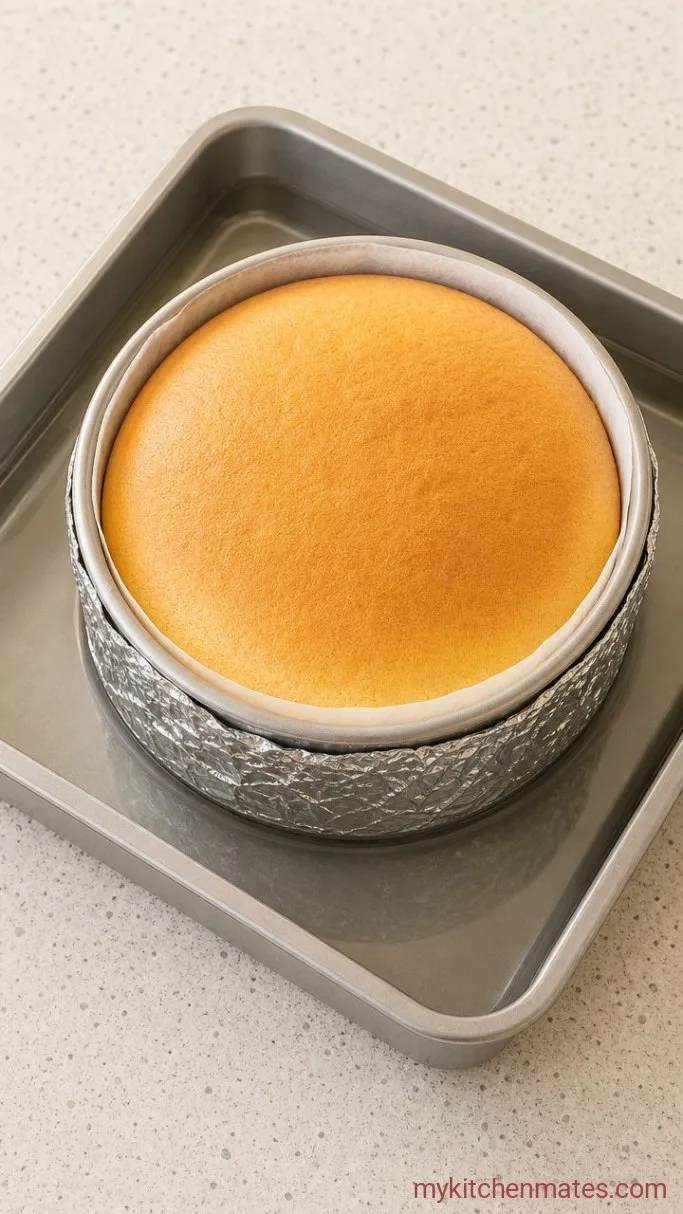
Line the bottom and sides of a 6‑inch (15cm) round cake pan with parchment paper, coming up at least 2 inches above the rim to give the cake room to climb. Pour the batter into the pan and tap it lightly on the counter twice to release any large air pockets. Place the pan inside a larger roasting tray and fill the tray with hot water until it reaches halfway up the sides of the cake pan. Transfer the whole set‑up carefully to the lower rack of a 160°C (320°F) oven and bake for 60 minutes, then turn the oven off without opening the door and let the cake sit inside for another 15 minutes.
Midway through, the top will puff up tall and turn a soft golden color. The cake should jiggle as one whole mass when you gently shake the pan, not slosh in the center. If the top is browning too fast, slide a baking sheet onto the rack above it to deflect the heat.
After the 15‑minute rest, crack the oven door open with the handle of a wooden spoon and leave the cake there for 30 minutes. This slow cool‑down prevents the sudden temperature drop that makes soufflé‑style cakes sink in the middle.
Step 5: Unmold and Serve
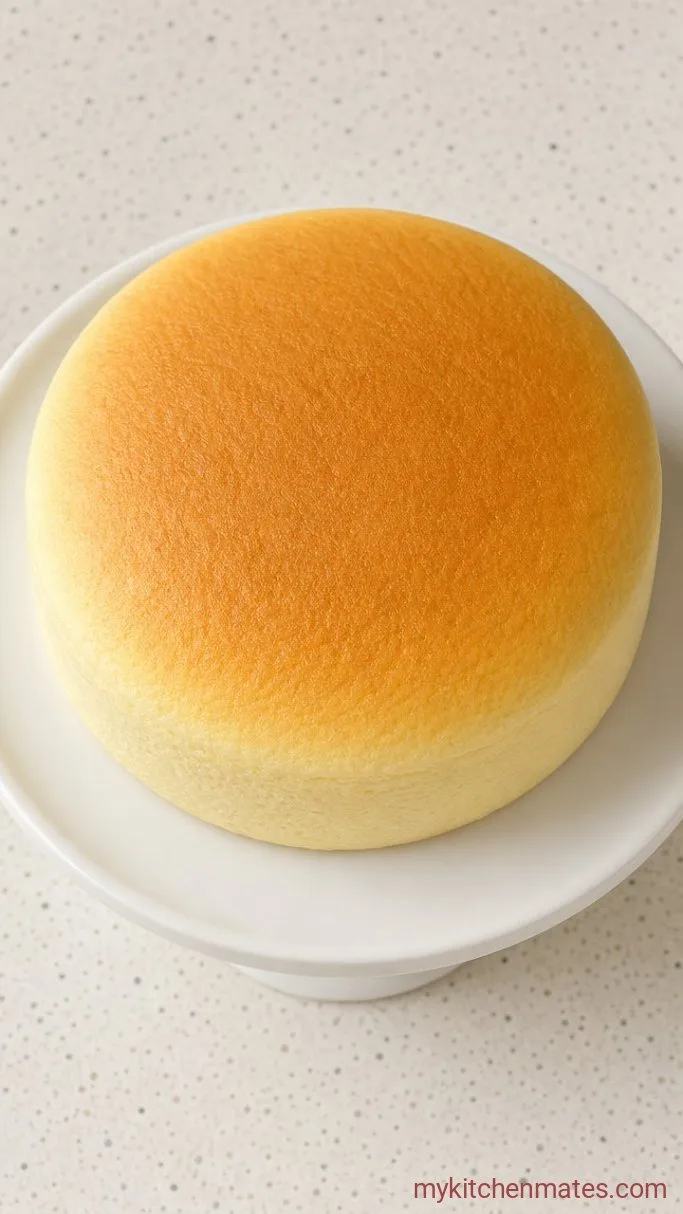
Remove the pan from the water bath and set it on a cooling rack until the cake reaches room temperature, about an hour. Run a thin knife around the edge and lift the cake out by the parchment collar. Peel away the paper gently and set the cheesecake on a plate.
The whole cake will wiggle when you move it, and the top will have a smooth, pale dome with no cracks. Slice it with a sharp serrated knife dipped in hot water and wiped clean between cuts. This cake tastes best at room temperature or after a few hours in the fridge, when the crumb settles into that tender, almost melt‑in‑the‑mouth texture.
Tips for the Fluffiest Cheesecake
- Always bring eggs and cream cheese to room temperature. Cold ingredients refuse to emulsify and leave you with a dense, flat cake.
- Wipe the mixing bowl and beaters with a paper towel dipped in a little lemon juice before whipping the egg whites. Any trace of fat stops the peaks from forming.
- Do not skip the water bath. The steam keeps the oven humid enough that the delicate batter bakes slowly and evenly without drying out.
- If your oven runs hot, lower the temperature by 10°C (15°F). A too‑hot oven makes the cake rise fast and then collapse the second it cools.
The baking time shifts slightly with the pan you use. Here’s a guide for a standard household oven:
| Pan Size | Bake Time at 160°C (320°F) |
|---|---|
| 6‑inch (15cm) round | 60‑65 minutes |
| 8‑inch (20cm) round | 50‑55 minutes |
Storing Leftovers
- Refrigerate: wrap the cooled cake tightly in plastic wrap or keep it in an airtight container. It stays fresh for up to 3 days in the fridge, and the texture actually improves as it chills.
- Serve cold: you can eat it straight from the fridge. The crumb will be denser and a little creamier than when it’s at room temperature, almost like a chilled mousse cake.
Frequently Asked Questions
Can I skip the water bath?
No. Without it the cake bakes too fast, the top cracks, and the inside turns out dry and leathery.
Why did my cheesecake sink after baking?
The meringue was likely overbeaten or the cake cooled too suddenly. Stiff but glossy peaks and the slow door‑crack method help prevent the collapse.
Can I substitute cornstarch for cake flour?
Yes, you can use 45g of cornstarch total and omit the cake flour. The result is even lighter but a little more fragile and less structured.
What if I don’t have cake flour?
For every cup of all‑purpose flour, remove 2 tablespoons and replace them with cornstarch. Sift that blend well and measure what you need.
Japanese Cotton Cheesecake Recipe
Ingredients
Method
- Melt the cream cheese, butter, and milk over low heat, stirring until smooth. Remove from heat, whisk in egg yolks, then sift in the flour and cornstarch until combined.
- Beat egg whites and lemon juice until foamy, gradually add half the sugar, and whip to stiff glossy peaks.
- Stir a scoop of meringue into the base to loosen it, then fold in the rest gently until no streaks remain.
- Pour into a lined 6-inch round pan, place in a water bath, and bake at 160°C (320°F) for 60 minutes. Turn off the oven, let it rest 15 minutes, then crack the door and cool 30 minutes.
- Cool completely at room temperature, run a knife around the edge, unmold, and slice.
Notes
