
Fizzy Homemade Probiotic Soda (No Yeast Needed)

This homemade probiotic soda gets its natural fizz from a ginger bug, a live culture that feeds on sugar and turns juice into a bubbly, gut-friendly drink. There’s no commercial yeast, no soda machine, just a jar, some ginger, and a little patience.
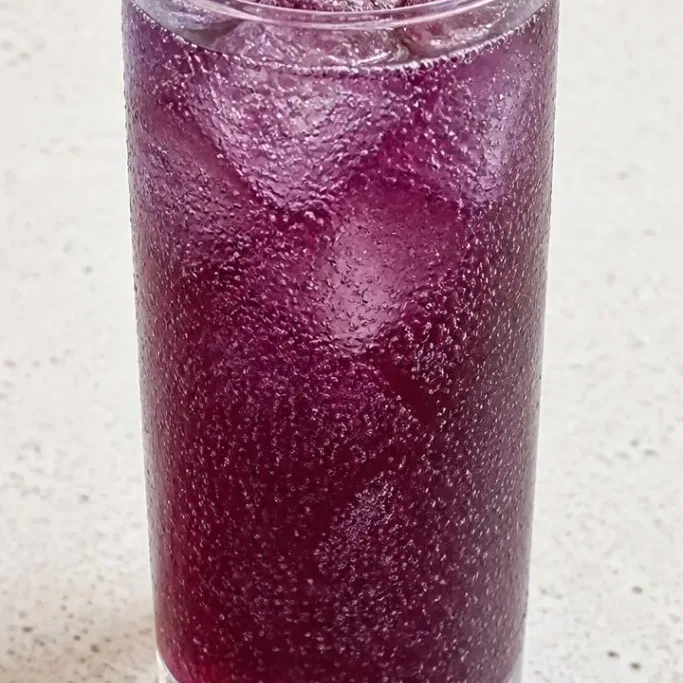
The hands-on work is maybe 10 minutes here and there, mostly feeding the bug and bottling the soda. What you get is a bright, lightly sweet, endlessly customizable drink that feels like a treat while actually being good for you.
Why This Soda Works
The ginger bug brings the tang and the fizz. That slight gingery heat rounds out the fruit flavor beautifully, and the bubbles are soft, not the aggressive carbonation of a store-bought soda. Every sip is crisp and lively.
Because you control the sweetness and the ferment time, you get exactly the balance you want: a drier, more tart soda if you let it go longer, or a sweeter, gentler one if you catch it early. The live probiotics settle your stomach in a way no canned drink ever does.
Ingredients

- 2 tbsp chopped fresh ginger: unpeeled, organic if possible, for the bug
- 2 tbsp granulated sugar: for feeding the bug
- 2 cups filtered water: chlorine can slow fermentation, so filtered is best
- 4 cups fruit juice: unsweetened grape, apple, pomegranate, or a blend you love
- 1/4 cup granulated sugar: for the soda base; helps carbonation and adjusts sweetness
- 1/4 cup strained active ginger bug liquid: the live starter that makes it all bubble
Variations / Substitutions
- Berry soda: swap the juice for a berry blend (like blueberry-cherry) and add a strip of lemon zest.
- Herbal twist: muddle a few fresh mint or basil leaves into the juice before bottling.
- Cream soda style: use half apple juice and half water, then add a scraped vanilla bean pod to the bottles for a creamy note.
- Less sweet: skip the extra sugar and use a juice that’s already on the sweet side, like white grape.
Orange Soda Cake goes perfectly with this soda when you want something sweet.
How to Make Homemade Probiotic Soda
Step 1: Start the Ginger Bug
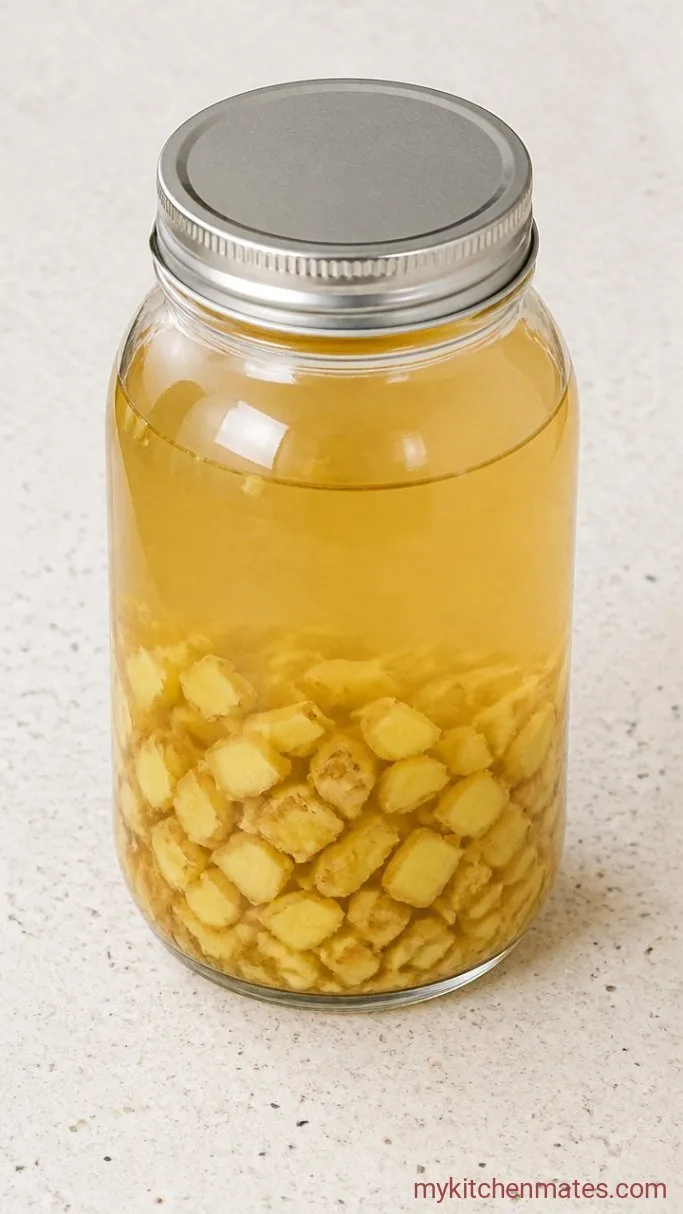
Place the 2 tbsp chopped ginger, 2 tbsp sugar, and 2 cups filtered water in a clean quart-size jar. Stir until the sugar dissolves, cover the jar with a cloth or coffee filter, and secure it with a rubber band. Set it somewhere warm, out of direct sun, and feed it 1 tbsp chopped ginger and 1 tbsp sugar every day for the next 3 to 5 days.
After a day or two you’ll see tiny bubbles forming around the ginger pieces, and the liquid will turn slightly cloudy and smell pleasantly yeasty with a sharp ginger edge. That fizz means your bug is alive. Keep feeding it daily until the whole mixture is actively bubbling and foaming when you stir.
Step 2: Combine the Soda Base

Strain the active ginger bug liquid into a measuring cup, pressing the ginger pieces gently with the back of a spoon to release the liquid stored inside. You need 1/4 cup of this strained starter. Discard the solids and either continue feeding the remaining bug to keep it going or save it for another batch.
Pour the 4 cups juice and 1/4 cup sugar into a large pitcher or mixing bowl. Stir in the 1/4 cup ginger bug liquid until the sugar dissolves. Taste it now: it should be a little sweeter than you’d want the finished soda to be, because the fermentation will eat up some of that sugar.
Step 3: Bottle and Carbonate

Divide the soda base evenly among 4 clean flip-top bottles, leaving about an inch of headspace at the top. Seal the bottles tightly and place them at room temperature, away from direct light, for 2 to 3 days. The live culture will convert sugar into carbon dioxide, building pressure inside the bottles.
After the first 24 hours, “burp” one bottle by cracking the seal very briefly to release excess gas; a quick hiss tells you carbonation is building. If it’s quite forceful, move the bottles to the fridge early. If the hiss is gentle, let them continue another day and check again. The soda is ready when the bottles feel rock hard to the touch and you get a strong, steady stream of bubbles when you burp them.
Step 4: Chill and Pour
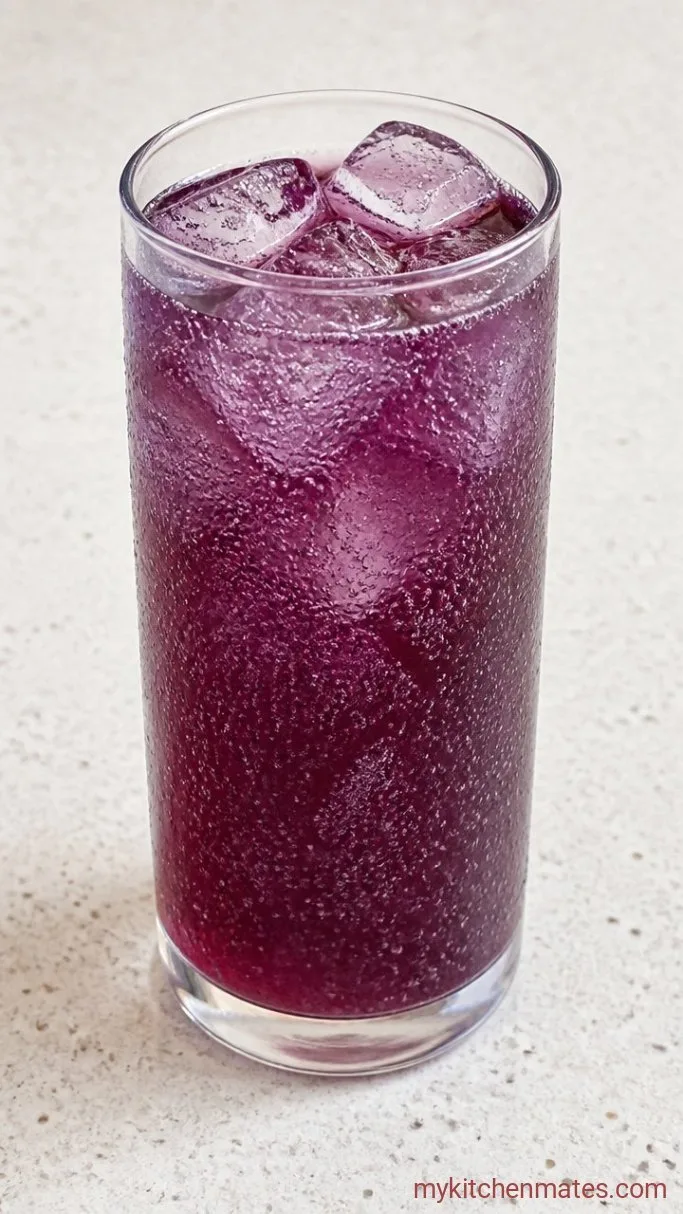
Carefully move the bottles to the refrigerator and chill them for at least 2 hours, which calms the fizz and stops the fermentation. When you’re ready to drink, open a cold bottle slowly over the sink (just in case) and pour the soda into a glass, leaving any sediment behind in the bottle. The first pour will be cloudy golden, with a soft, prickly head of foam and a clean, tart finish.
Tips for the Best Probiotic Soda
- Use organic ginger:: Non-organic ginger can be irradiated, which kills the wild yeasts you need. If your bug isn’t bubbling by day 4, try switching to organic.
- Keep it warm:: A spot between 70–75°F (21–24°C) is ideal. A cooler room slows everything down, so just give it an extra day or two.
- Choose the right juice:: Avoid juices with preservatives (like potassium sorbate), which can prevent fermentation. Fresh-pressed or 100% juice with no added preservatives works best.
- Never fill the bottles to the top:: That inch of headspace gives the carbonation somewhere to go and helps you avoid a sticky explosion.
Scale the soda batch to your bottle size:
| Bottle size | Juice | Sugar | Ginger bug liquid |
|---|---|---|---|
| 16 oz | 2 cups | 2 tbsp | 2 tbsp |
| 32 oz | 4 cups | 4 tbsp | 4 tbsp |
Storing Your Soda
- Refrigerate:: The finished soda keeps well in the refrigerator for up to 2 weeks. The carbonation will mellow over time, but the flavor holds.
- Serve cold:: Always chill before opening to reduce foam and make pouring cleaner.
What To Serve With Probiotic Soda
This soda cuts through rich, savory foods in the best way. A tall glass next to spicy black bean tacos, grilled chicken with a smoky rub, or a pile of salty fries turns a meal into something bright and refreshing. It’s also just the thing on a warm afternoon when you want something bubbly without the guilt.
Frequently Asked Questions
Can I use honey or maple syrup instead of sugar?
Honey can work, but it sometimes carries antibacterial properties that slow the bug. Plain white sugar feeds it most reliably. Once the bug is established, you can experiment with a mix of sugars in the soda base.
How do I know when the ginger bug is ready?
It’s ready when the liquid is actively bubbling and smells yeasty and sharp, not musty. A small taste will be tangy and barely sweet.
My soda isn’t fizzy after 3 days. What went wrong?
The room may be too cold or the juice may have had preservatives. Move the bottles to a warmer spot and give them another day. If there’s still no fizz after 5 days, the bug likely wasn’t active enough when you added it; start a fresh bug and try again.
Do I need to burp the bottles every day?
Burping once a day after the first 24 hours is a good safety check. If the carbonation is already aggressive, you can skip further burps and move them straight to the fridge. If you’re unsure, a quick daily check prevents overflows.
Can I skip the extra sugar in the soda base?
Yes, but you’ll get less carbonation because the culture needs sugar to create bubbles. Using a very sweet juice like white grape helps, though the fizz will still be lighter.
Homemade Probiotic Soda Recipe
Ingredients
Method
- Combine the 2 tbsp ginger, 2 tbsp sugar, and 2 cups water in a jar; cover with a cloth and feed daily for 3 to 5 days until bubbly.
- Strain the bug liquid to get 1/4 cup. Mix the juice, 1/4 cup sugar, and strained bug liquid until dissolved.
- Divide into 4 flip-top bottles, leaving an inch of headspace. Seal and let carbonate at room temperature for 2 to 3 days, burping after day one.
- Chill the bottles for 2 hours, then slowly pour into a glass, leaving sediment behind. Serve cold.
Notes
