
15-Minute Healthy Ramen Noodles

A quick, veggie-loaded bowl of ramen that feels rich and satisfying without the heavy, salty broth. Ready in 15 minutes, it is the kind of weeknight dinner you can rely on when you want something warm and filling fast.
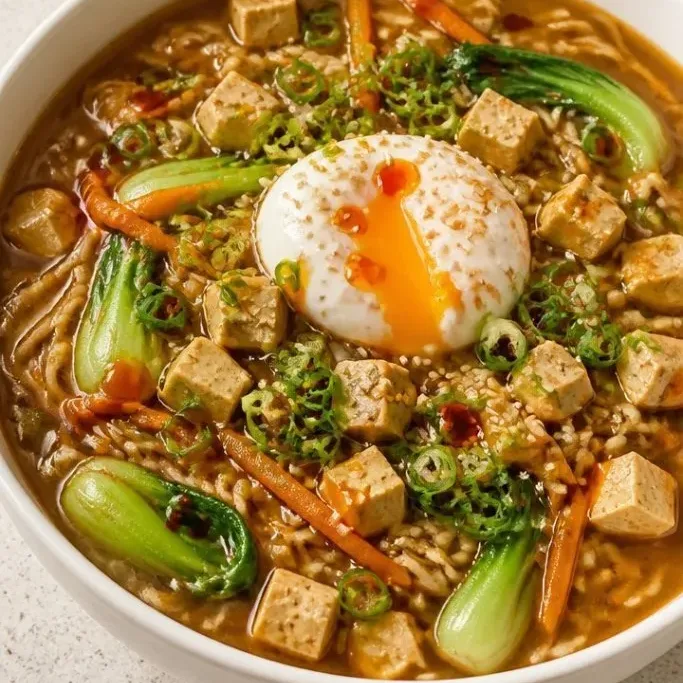
This ramen gets its depth from white miso and a dash of soy sauce, not from a long-simmered stock. The broth stays light but still coats the noodles well, and you can pack in any vegetables you have on hand.
What Makes This Ramen So Good
The broth is the backbone here. Miso and ginger give it a savory, slightly bright flavor in minutes, not hours.
The egg poaches right in the broth, so its yolk stays soft and silky without any extra work. Stir it into the noodles as you eat and it makes the whole bowl feel richer.
The noodles cook in the same pot, soaking up the seasoned broth. It means fewer dishes and a more cohesive bowl where everything tastes connected.
Ingredients
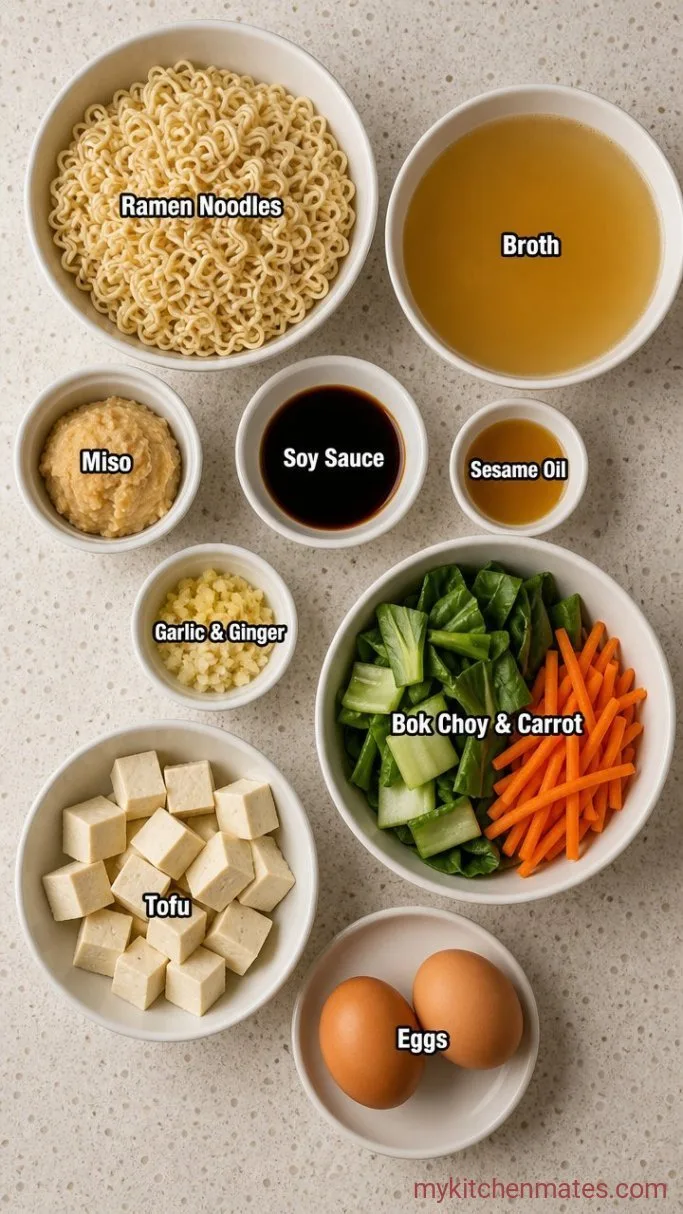
- 6 oz dried ramen noodles: use the kind that cooks in 3–4 minutes, or swap for soba or udon.
- 4 cups vegetable broth: low-sodium, so you can control the salt.
- 2 tbsp white miso paste: mellow and not too salty; red miso works for a stronger taste.
- 1 tbsp soy sauce: or tamari for a gluten-free option.
- 1 tsp sesame oil: for sautéing and a nutty base note.
- 2 cloves garlic, minced
- 1 tbsp minced fresh ginger
- 2 cups chopped bok choy: leaves and stems, about half a small head.
- 1 medium carrot, julienned or thinly sliced
- 4 oz firm tofu, cubed: extra-firm holds its shape best in the broth.
- 2 large eggs: added one at a time directly to the pot.
- 2 scallions, sliced: for garnish.
- 1 tsp toasted sesame seeds
- Chili oil or sriracha: optional, to finish.
Variations / Substitutions
- No tofu: use cooked shredded chicken or shrimp; add them with the vegetables since they just need to warm through.
- Different greens: swap bok choy for spinach, chard, or sliced napa cabbage. Spinach goes in right before serving, as it wilts in seconds.
- Gluten-free: use rice noodles or 100% buckwheat soba, and tamari instead of soy sauce.
- Want more heat: add a sliced fresh chili with the garlic and ginger, or drizzle extra chili oil at the table.
- Make it vegan: skip the egg and double the tofu, or add a spoonful of peanut butter to the broth for richness.
Light and Fluffy Japanese Strawberry Shortcake goes beautifully with these noodles when you want something sweet.
How To Make Healthy Ramen Noodles
Step 1: Sauté the Aromatics and Start the Broth
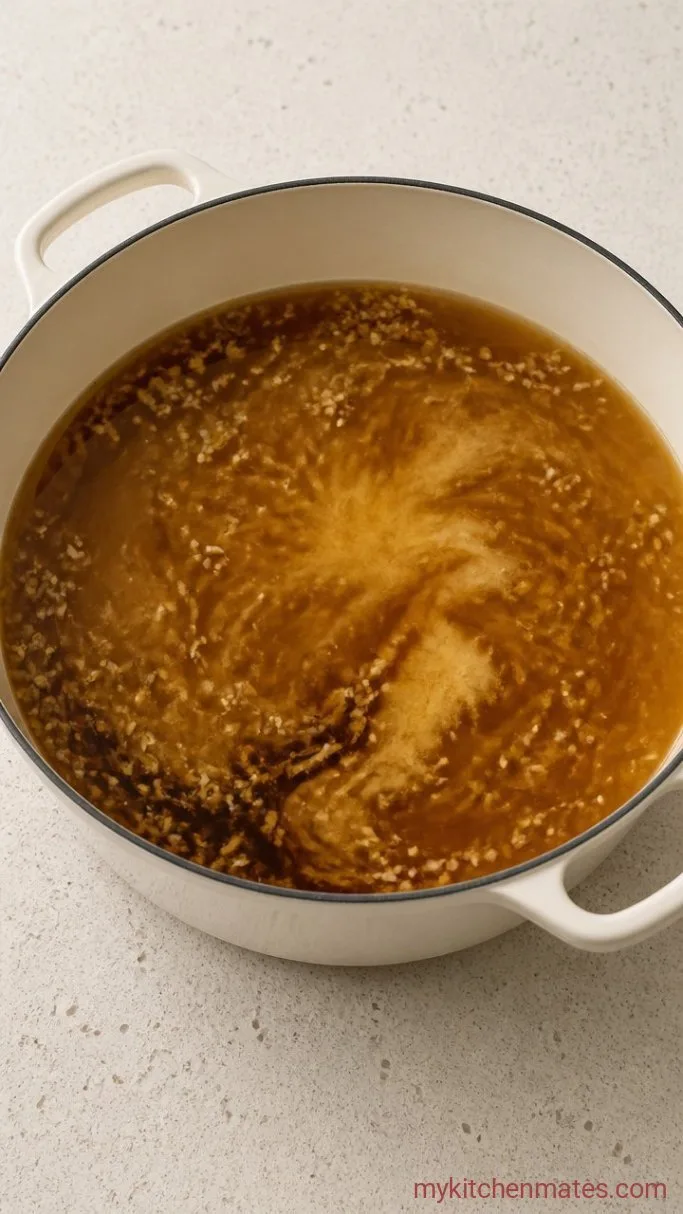
Set a medium pot over medium heat and add the 1 tsp sesame oil. Once it shimmers, stir in the minced garlic and ginger and cook for about 1 minute, just until fragrant. You want them soft and aromatic, not browned.
Pour in the 4 cups vegetable broth, then whisk in the 2 tbsp miso paste and 1 tbsp soy sauce until the miso dissolves completely. Bring the broth up to a gentle simmer, not a rolling boil, so the miso does not turn bitter.
The broth will smell earthy and lightly sweet from the ginger at this point. A few tiny bubbles around the edge of the pot are all you need to move on.
Step 2: Simmer the Noodles and Vegetables
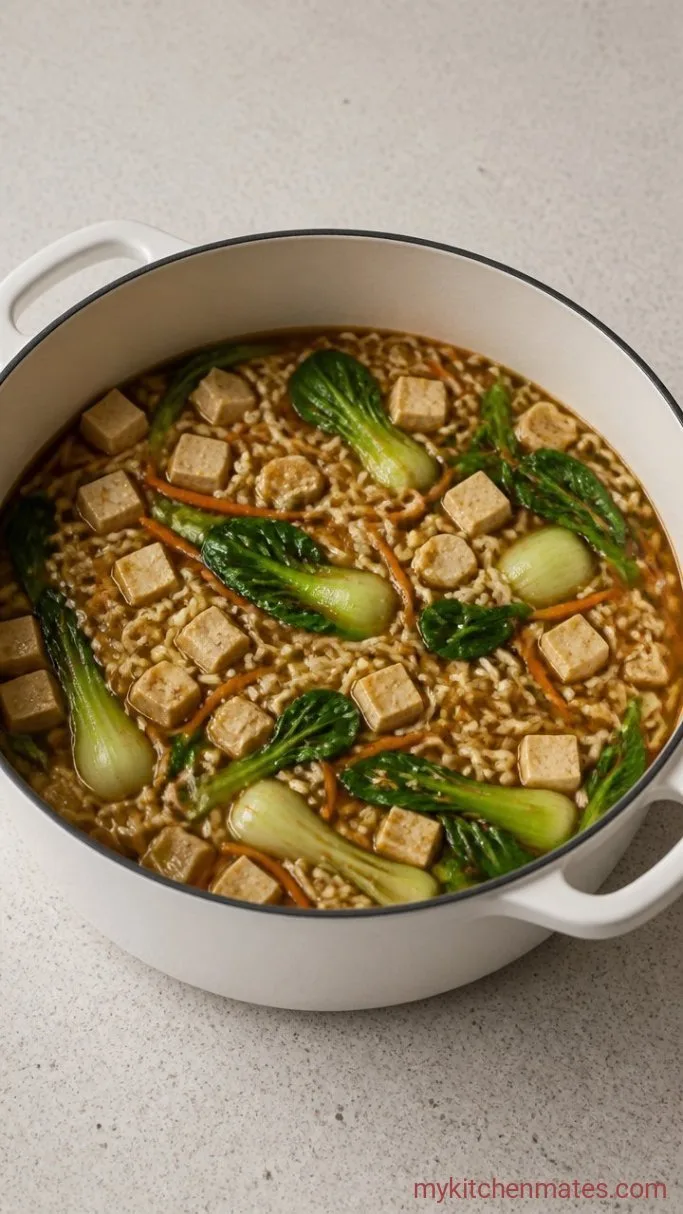
Add the dried ramen noodles, chopped bok choy, carrot, and cubed tofu directly into the simmering broth. Stir once to separate the noodles and submerge the vegetables.
Let everything simmer for 3 to 4 minutes, until the noodles are tender and the carrots have softened slightly but still have a little bite. The bok choy stems should be bright green and just fork-tender.
The broth will reduce just a touch and pick up a slight starchiness from the noodles, which helps it cling to them later. Keep the heat at a steady simmer so the vegetables cook without turning mushy.
Step 3: Poach the Egg in the Broth
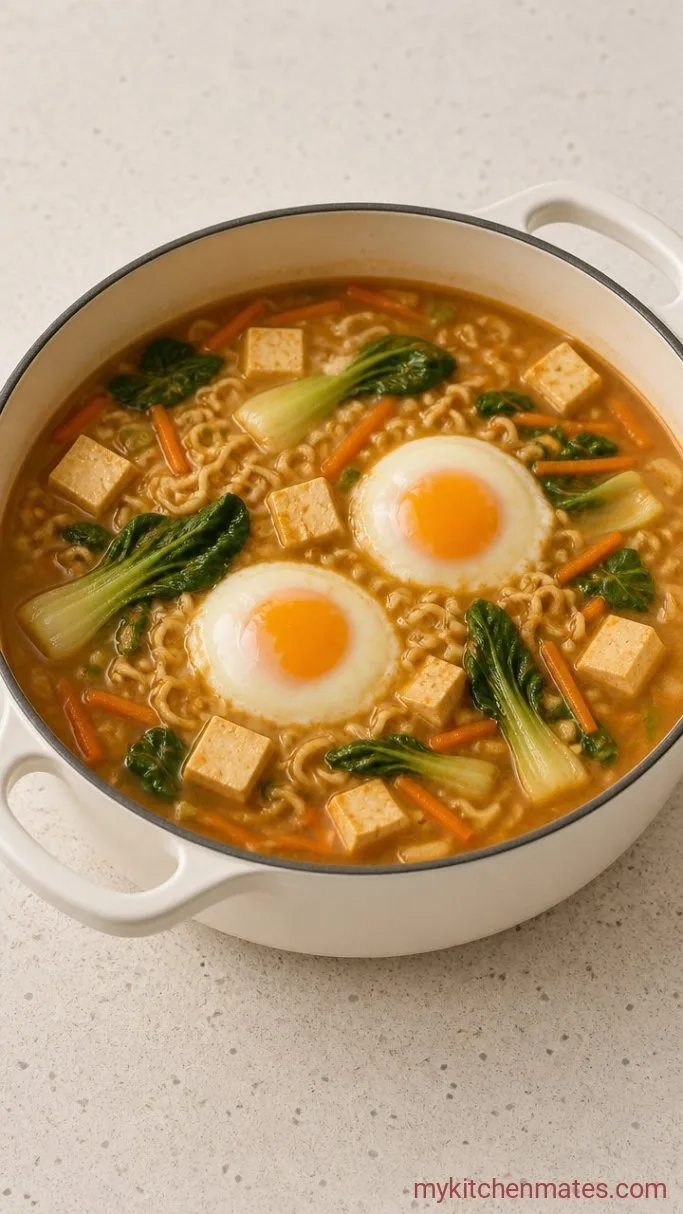
Crack one egg into a small bowl, then gently slide it into the simmering broth. Repeat with the second egg. Do not stir; let the eggs sit undisturbed for 3 minutes if you want a runny yolk, or 4 to 5 minutes for a set yolk.
Spoon a little broth over the tops of the eggs once or twice to help them cook evenly on top. The whites will turn opaque and wrap around the yolk in a soft, cloud-like shape.
When the whites are fully set but the yolk still jiggles if you nudge the pot, they are ready. You can check by lifting one gently with a slotted spoon.
Step 4: Ladle and Finish the Bowls
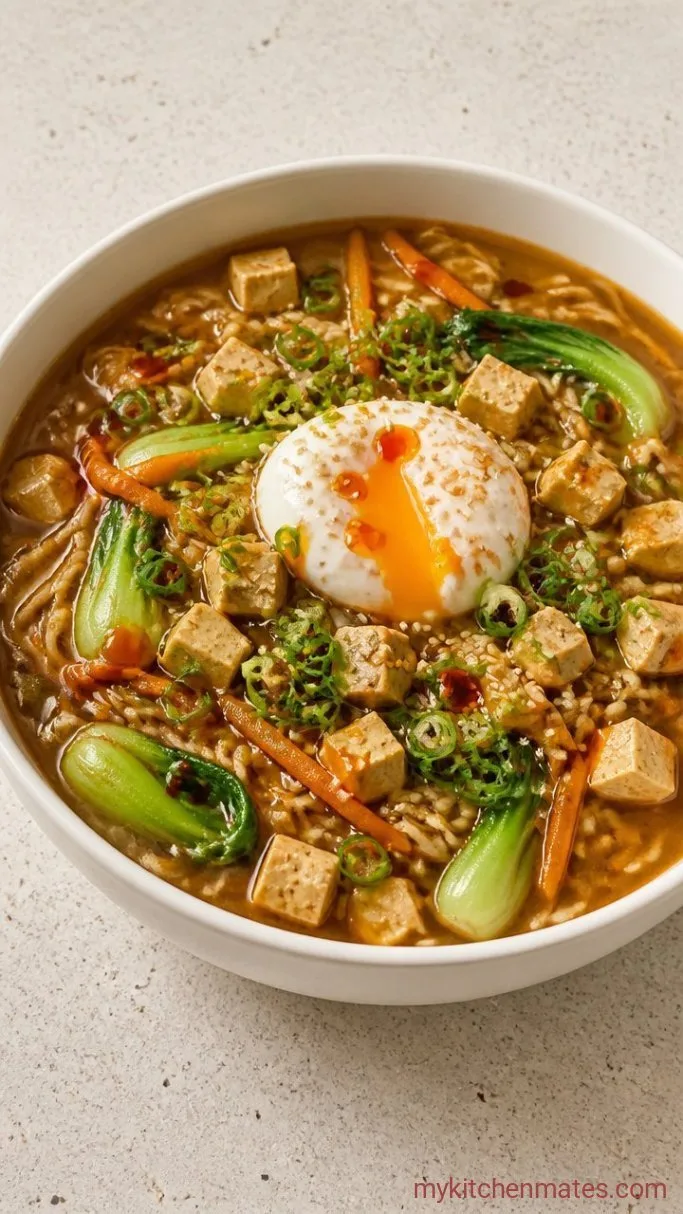
Divide the noodles, vegetables, and tofu evenly between two deep bowls, using tongs or a slotted spoon. Nestle a poached egg into each bowl, then ladle the hot broth over everything just to the edge.
Scatter sliced scallions and toasted sesame seeds on top, and add a drizzle of chili oil or sriracha if you like heat. Serve immediately, while the broth is steaming and the egg yolk is still soft.
A Few Notes for the Best Bowl
- Keep the miso fresh by not boiling it hard. A gentle simmer after whisking it in preserves its mild, sweet character.
- If you want thicker broth, whisk 1 tsp cornstarch with 1 tbsp cold water and stir it in during the last minute of simmering. The broth will coat the noodles a bit more.
- The egg poaches best when the broth is barely bubbling. Too much movement can break up the whites.
- Leftover ramen components keep well for a quick lunch, though I cook the noodles fresh when reheating.
Noodle cook times can shift by a minute or two depending on thickness. Use this as a loose guide.
| Noodle Type | Cook Time |
|---|---|
| Dried ramen | 3–4 mins |
| Soba | 5–6 mins |
| Rice noodles | 2–3 mins |
Storing and Reheating Leftovers
- Refrigerate: store the broth with vegetables and tofu in a sealed container for up to 3 days. Keep cooked noodles and poached eggs separate, as they do not reheat well texturally. Cook fresh noodles and a new egg when you reheat.
- Reheating: warm the broth and vegetables gently in a pot over medium-low heat until steaming. Avoid boiling, which can muddy the miso flavor.
What To Serve With Healthy Ramen
A crisp, cool side cuts through the warm, savory broth, so a quick cucumber salad with rice vinegar and a pinch of sugar works well. For a little extra protein, a handful of steamed edamame with flaky salt on the table makes a nice start to the meal.
Frequently Asked Questions
Can I use fresh ramen noodles instead of dried?
Yes. Fresh ramen cooks faster, usually 1–2 minutes, so add them after the vegetables have had a head start. Check the package and adjust the timing so they do not overcook.
Is this recipe spicy?
Not inherently. The broth is savory from miso and ginger, but you control the heat by adding chili oil or sriracha at the end, or none at all for a mild bowl.
How can I make the broth richer without meat?
Add a spoonful of white or yellow miso for extra depth, or stir in a teaspoon of tahini right before serving. Both add body and a savory roundness without changing the quick cook time.
What if I do not have miso paste?
You can use a little extra soy sauce and a teaspoon of fish sauce for a similar umami base, though the flavor will be saltier and less rounded. Miso paste keeps well in the fridge, so it is worth picking up if you plan to make this again.
Healthy Ramen Noodles Recipe
Ingredients
Method
- Heat sesame oil in a pot over medium heat. Cook garlic and ginger 1 minute. Add broth, miso, and soy sauce; whisk until smooth and bring to a simmer.
- Add ramen, bok choy, carrot, and tofu. Simmer 3–4 minutes until noodles are tender and vegetables are crisp-tender.
- Crack each egg into a small bowl, then slide into the simmering broth. Poach undisturbed 3 minutes for runny yolks.
- Divide noodles, vegetables, and tofu between bowls. Top each with a poached egg, scallions, sesame seeds, and chili oil if using. Ladle hot broth over top and serve.
Notes
