
Greek Orange Cake Soaked in Orange Syrup

Greek orange cake is a bright, syrup-soaked dessert that tastes like sunshine even on a grey weeknight. It’s the kind of cake you make when you want a little cheer without a fuss, using mostly pantry staples.

The crumb is tender, the syrup seeps into every bite, and the orange flavor comes through in a gentle, persistent way. You don’t need a mixer or any special technique—just a couple of bowls and a little patience while it soaks.
What Makes It So Good
This cake walks a tightrope between sweet and fragrant without ever feeling heavy. Fine semolina gives it a soft, slightly nubby crumb that traps the syrup perfectly, while a scoop of Greek yogurt keeps it moist for days.
Once you pour the warm syrup over the hot cake, the whole thing sizzles and steams, soaking up every drop. The orange flavor is clean and sunny, brightened with fresh juice and plenty of zest.
I keep coming back to this recipe because it tastes even better the next day. That makes it a no-stress dessert you can make ahead and serve without worrying.
Ingredients

- 1 1/2 cups fine semolina: coarse semolina works too, but the crumb will be grainier
- 1 cup all-purpose flour: spooned and leveled, not scooped
- 2 teaspoons baking powder: gives the cake a gentle lift
- 1/4 teaspoon salt: fine sea salt or table salt
- 1 cup granulated sugar: for the cake batter
- 4 large eggs: at room temperature, they whip up lighter
- 1 cup plain Greek yogurt: full-fat or 2% both work
- 1/2 cup olive oil: a mild, fruity one won’t overpower the orange
- Zest of 2 large oranges: about 2 tablespoons, loosely packed
- 1/4 cup fresh orange juice: from the same oranges you zest
- 1 teaspoon vanilla extract: a warm background note
For the syrup
- 1 cup water
- 1 cup granulated sugar
- 1/4 cup fresh orange juice
- Strip of orange zest: a wide piece, easy to fish out
- 1 small cinnamon stick: optional, adds a whisper of warmth
Variations / Substitutions
- Dairy-free: swap the Greek yogurt for a thick plant-based yogurt and use a neutral oil instead of olive oil. The cake will be a little less rich but still tender.
- Nutty finish: scatter a handful of chopped pistachios over the syrup-soaked top while it’s still sticky. They lend a salty crunch that cuts the sweetness.
- Different citrus: if you have tangerines or blood oranges, they work beautifully in place of standard oranges. The syrup color will shift, but the flavor stays bright.
- Orange blossom water: add 1/2 teaspoon to the syrup for a floral lift. Start small, it can take over quickly.
Adrenal Cortisol Cocktail is a drink that goes perfectly with this cake.
How to Make Greek Orange Cake
Step 1: Mix the Dry Ingredients
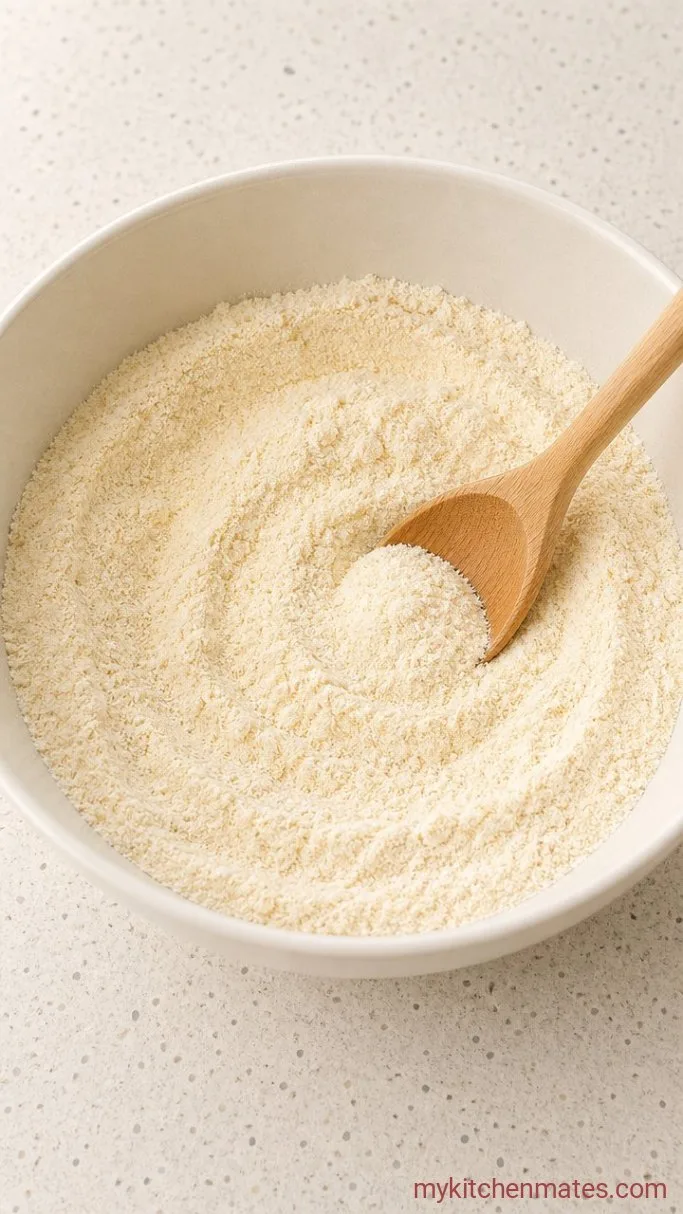
Preheat your oven to 350F (180C) and grease a 9-inch round cake pan. In a large bowl, whisk together the 1 1/2 cups fine semolina, 1 cup flour, 2 teaspoons baking powder, and 1/4 teaspoon salt until evenly distributed.
The mixture should look like pale sand with no visible lumps. Run your fingers through it to catch any hidden pockets of baking powder so the cake rises evenly.
Step 2: Whisk the Wet Ingredients

In a second bowl, whisk the 4 eggs and 1 cup sugar until pale and slightly thickened, about 2 minutes. Pour in the 1 cup yogurt, 1/2 cup olive oil, 2 tablespoons orange zest, 1/4 cup orange juice, and 1 teaspoon vanilla, then whisk again until smooth.
The batter will be thick and glossy, and you’ll smell the orange even before it hits the oven. A few tiny lumps of yogurt are okay; they’ll melt into the cake.
Step 3: Combine and Bake
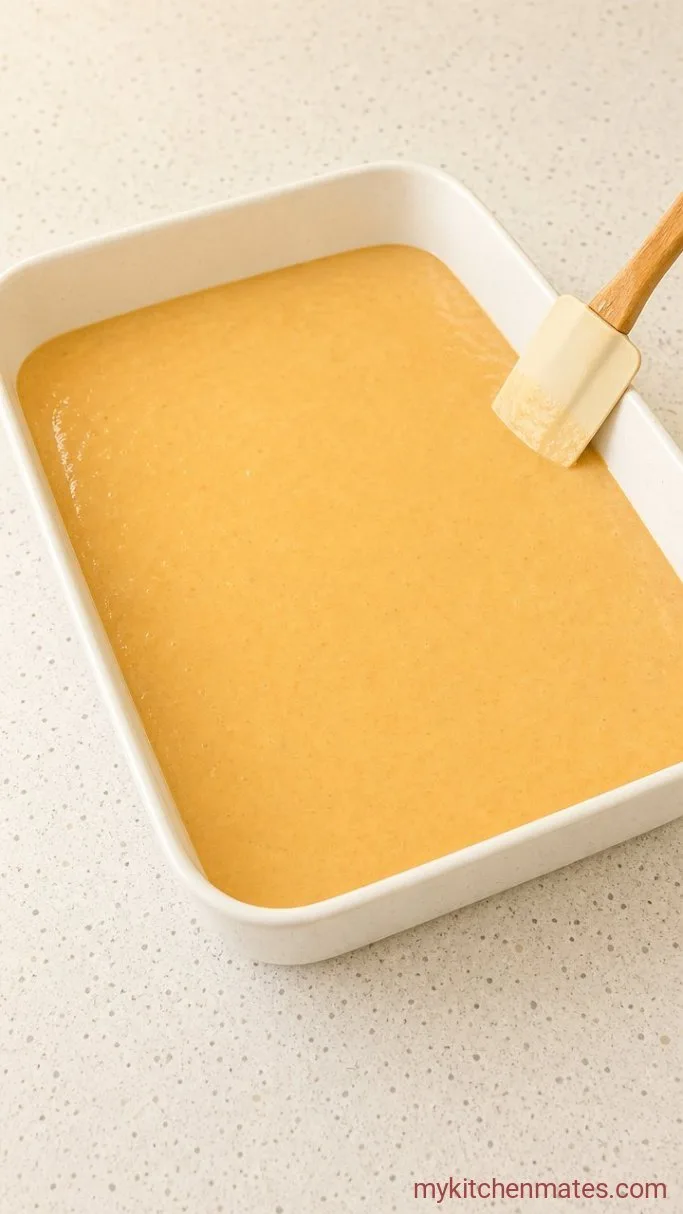
Pour the wet mixture into the dry ingredients and fold gently with a spatula until no dry streaks remain. Scrape the batter into the greased pan, smooth the top, and bake for 35 to 40 minutes.
The cake is done when the top springs back lightly and a toothpick comes out with a few moist crumbs clinging to it. The edges will pull away just a little from the sides of the pan, and the surface will be a deep golden brown.
Step 4: Simmer the Syrup
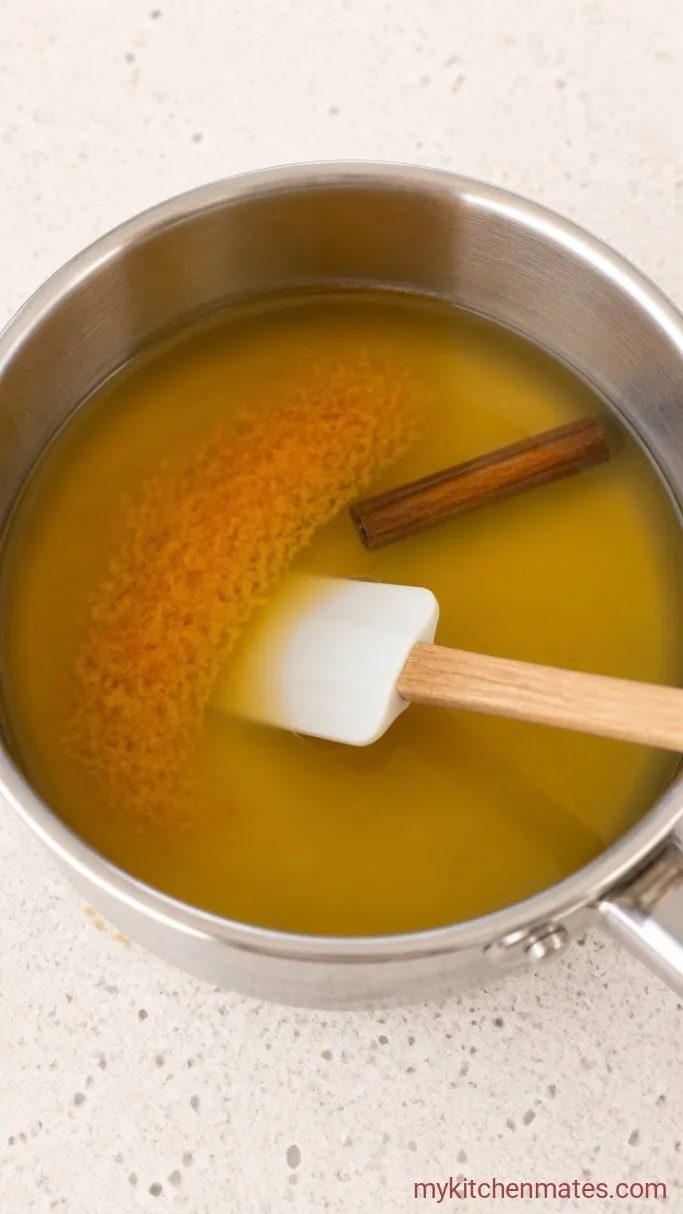
While the cake bakes, combine 1 cup water, 1 cup sugar, 1/4 cup orange juice, the strip of zest, and the cinnamon stick in a small saucepan. Bring it to a gentle boil over medium heat, stirring just until the sugar dissolves, then lower the heat and let it simmer for 5 to 6 minutes. Fish out the zest and cinnamon stick and set the syrup aside, keeping it warm.
The syrup will look thin at this stage, but it thickens slightly as it cools. You want it hot so it soaks into the cake quickly and evenly.
Step 5: Soak and Serve the Cake

As soon as the cake comes out of the oven, poke it all over with a skewer or a fork, going straight down to the bottom. Slowly ladle the hot syrup over the cake, waiting a few seconds between additions so it has time to absorb rather than pool on top. Let the cake sit in the pan for at least 1 hour until fully soaked and cool enough to handle.
Run a knife around the edge, then slice into wedges. The top will be glossy and sticky, with a deep citrus scent that fills the kitchen.
Tips for a Clean, Even Soak
- Use fine semolina, not coarse.: Coarse semolina stays gritty and won’t absorb the syrup as well, leaving a dry spot in the middle. Fine semolina gives you that velvety crumb.
- Poke all the way down.: A toothpick is too shallow; use a skewer or a fork tine to pierce the cake right to the bottom. That channels the syrup deep into every layer.
- Don’t rush the syrup pour.: Add it in three or four rounds, letting the cake drink each addition before you pour more. A slow soak prevents a soggy top and a dry interior.
- Rest overnight if you can.: The cake gets noticeably better after a night on the counter, when the syrup fully mingles with the crumb and the orange flavor deepens.
Baking times can vary a little with the pan you use.
| Pan material | Approximate bake time |
|---|---|
| Metal (light) | 35 to 38 minutes |
| Glass | 40 to 45 minutes |
| Ceramic | 40 to 45 minutes |
Storing Leftover Cake
- Refrigerate: Keep slices in an airtight container in the fridge for up to 4 days. The cake stays incredibly moist and the syrup keeps it from drying out.
- Reheating: A quick 10 to 15 seconds in the microwave warms the syrup and softens the crumb, so it tastes almost fresh. Let it come to room temperature first if you prefer.
- Serve cold: Straight from the fridge, the texture is denser and the orange flavor hits a little brighter. Both ways work well.
What to Serve With Greek Orange Cake
A dollop of thick Greek yogurt or softly whipped cream balances the sweet, sticky syrup with a cool, tangy contrast. Cracked pistachios scattered on top add a salty crunch that breaks up the richness in just the right way. If you want something warm, a small cup of strong black coffee makes the orange notes pop without adding more sugar.
Frequently Asked Questions
Can I use coarse semolina instead of fine?
No, coarse semolina won’t soften enough during baking and will leave a sandy, gritty texture. Fine semolina absorbs the syrup much better.
Can I make this cake gluten-free?
Semolina is a wheat product, so this cake isn’t naturally gluten-free. A 1:1 gluten-free blend won’t work the same way because the texture relies on semolina’s specific graininess.
Can I use a different oil?
Yes, a neutral oil like sunflower or avocado oil works fine. You’ll lose the faint fruitiness olive oil brings, but the cake will still be moist.
Can I skip the syrup and just dust it with powdered sugar?
You can, but it won’t be the same dessert. Without the syrup, the crumb is fairly plain and the whole point of the cake is the soaked, glossy finish.
Greek Orange Cake Recipe
Ingredients
Method
- Preheat oven to 350F (180C). Grease a 9-inch round cake pan. Whisk together semolina, flour, baking powder, and salt in a large bowl.
- In another bowl, whisk eggs and 1 cup sugar until pale. Whisk in yogurt, olive oil, orange zest, 1/4 cup orange juice, and vanilla until smooth.
- Fold wet ingredients into dry ingredients until just combined. Pour batter into the prepared pan and bake 35 to 40 minutes, until a toothpick comes out with moist crumbs.
- While the cake bakes, combine water, remaining 1 cup sugar, remaining 1/4 cup orange juice, orange zest strip, and cinnamon stick in a saucepan. Bring to a boil, stirring to dissolve sugar, then simmer 5 to 6 minutes. Remove zest and cinnamon.
- Poke the hot cake all over with a skewer. Slowly ladle the hot syrup over the cake, letting it absorb between additions. Let the cake sit in the pan for at least 1 hour, then slice and serve.
Notes
