
Creamy Gluten Free Pumpkin Cheesecake (No Cracks)

This gluten free pumpkin cheesecake is the dessert that finally made me stop missing the traditional version. It’s rich, smooth, and packed with real pumpkin flavour, with a buttery almond crust that no one will guess is gluten free.
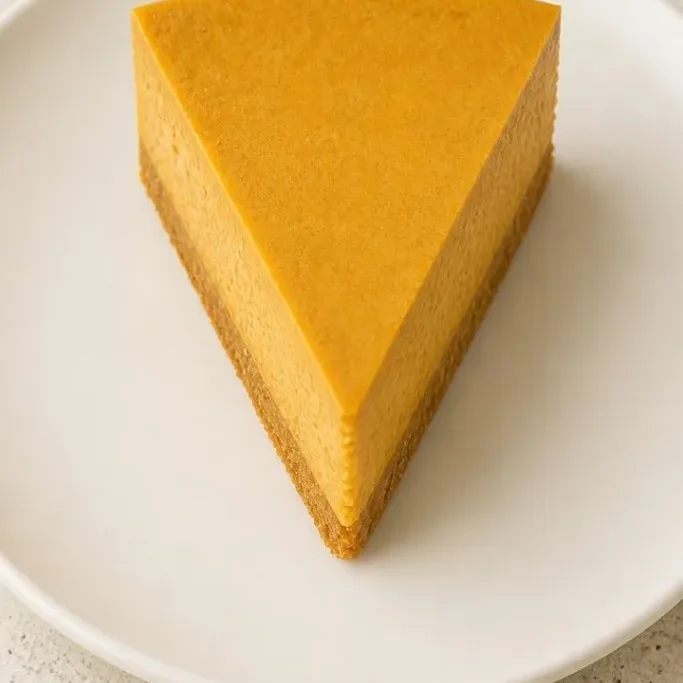
I’ve baked this cheesecake for holiday dinners and random Tuesday cravings, and it always comes out creamy, crack-free, and beautifully spiced. It’s the kind of recipe that feels special without any fussy steps.
Why This Cheesecake Always Works
The filling gets its velvety texture from full-fat cream cheese and a low, slow bake in a water bath. That gentle heat stops the top from cracking and keeps every slice dense yet creamy.
The crust is a simple almond flour press-in that stays crisp and nutty, no rolling required. I find the ratio of pumpkin to spice here hits that sweet spot where you taste the pumpkin, not just cinnamon.
And because it’s gluten free, everyone at the table can dig in without hesitation. I’ve brought this to Thanksgiving and the only complaint was there weren’t leftovers.
Ingredients

- 1 1/2 cups almond flour: a fine, blanched grind gives the crispest crust.
- 1/4 cup unsalted butter, melted: salted butter works too, just omit the extra pinch of salt.
- 2 tablespoons granulated sugar: helps the crust brown and adds a light sweetness.
- Pinch of salt
- 24 oz full-fat cream cheese, softened: use blocks, not spreadable tub cheese; let it sit at room temp for 30 minutes.
- 1 cup granulated sugar
- 1 cup pumpkin purée: pure pumpkin, not pumpkin pie filling.
- 3 large eggs, at room temperature: cold eggs can make the batter seize.
- 1 teaspoon vanilla extract
- 2 teaspoons pumpkin pie spice
- 1/4 teaspoon salt
Variations / Substitutions
- Swap the sweetener: coconut sugar replaces the granulated sugar gram for gram, though the crust will be a shade darker and the filling a little less pale.
- Dairy-free: use a thick, block-style vegan cream cheese and coconut oil instead of butter; the texture will be slightly softer but still sliceable.
- Crust alternatives: finely ground pecans or walnuts stand in for almond flour one to one, and browned butter deepens the nuttiness.
- Pumpkin pie spice: if you don’t have a jar, blend 1 teaspoon cinnamon, 1/2 teaspoon ginger, 1/4 teaspoon nutmeg, and 1/4 teaspoon allspice.
Moist Gluten Free Pumpkin Bread is a sweet bake to enjoy alongside this cheesecake.
How to Make Gluten Free Pumpkin Cheesecake
Step 1: Press the Crust

Preheat the oven to 350°F (175°C). In a bowl, stir together 1 1/2 cups almond flour, 1/4 cup melted butter, 2 tablespoons sugar, and a pinch of salt until the mixture looks like wet sand and holds together when pinched. Press it firmly into the bottom of a 9-inch springform pan and just a little way up the sides.
Bake the crust for 10 minutes, until it is lightly golden and smells nutty. Let it cool for a few minutes while you tackle the filling.
This quick par-bake sets the crust so it won’t soften under the wet filling later. Wrap the underside and sides of the pan in a double layer of heavy-duty foil now, because once the batter is in, you will want the water bath protection in place.
Step 2: Beat the Filling

In a large bowl with a hand mixer or in a stand mixer, beat 24 oz of softened cream cheese on medium speed until it is completely smooth and no lumps remain, about 2 minutes. Scrape the bowl and add 1 cup sugar. Beat again until the mixture looks creamy and a little fluffy, another minute or so.
Add 1 cup pumpkin purée, 2 teaspoons pumpkin pie spice, 1 teaspoon vanilla, and 1/4 teaspoon salt. Mix just until combined. Crack in the 3 room-temperature eggs one at a time, beating briefly after each and stopping once the yellow disappears.
Overmixing here introduces air that expands in the oven, then contracts and leaves cracks. The batter should be thick, smooth, and uniformly orange, with no white streaks. Stop and scrape the bowl after every addition so no pockets of unmixed cream cheese hide at the bottom.
Step 3: Pour and Smooth

Pour the pumpkin filling over the warm crust and smooth the top with a spatula. It will come nearly to the top of the pan but should not overflow.
Give the pan a few gentle taps on the counter. Those small thuds release air bubbles trapped just under the surface, and that pays off in a flat, even top later.
Step 4: Bake in a Water Bath

Set the foil-wrapped springform pan inside a large roasting pan. Pull out the middle oven rack enough to slide the whole setup onto it, then carefully pour hot water into the roasting pan until it reaches about halfway up the sides of the springform. Push the rack back in gently so the water does not slosh into the cheesecake.
Bake at 350°F for 20 minutes, then, without opening the door, lower the heat to 300°F (150°C) and bake another 40 to 45 minutes. The cheesecake is ready when the edges look set and the center still wobbles like soft jelly, not liquid.
The water bath keeps the oven moist and the heat gentle, so the cheesecake rises evenly without cracking. The top will turn a pale, matte orange. A quick peek near the end is fine, but avoid opening the door during the first 30 minutes.
Step 5: Cool Gradually

Turn the oven off and crack the door open a couple of inches. Leave the cheesecake inside for 1 hour to cool slowly. After that hour, lift the pan out of the water bath, discard the foil, and run a thin knife around the inside edge of the pan to loosen the cake from the sides.
Set the pan on a wire rack and let it cool completely to room temperature. Once cool, cover loosely and refrigerate for at least 4 hours, though overnight is better.
This slow cooling prevents sudden temperature changes that crack the surface. The top will stay smooth and the center will settle evenly without sinking. Chilling overnight deepens the pumpkin flavour and makes slicing almost too easy.
Step 6: Slice and Serve

Unclip the springform collar and lift it away. To get clean slices, run a sharp chef’s knife under hot water, wipe it dry, and cut straight down. Rinse and wipe the blade between cuts.
Each slice holds its shape but yields the moment a fork touches it. The crust stays crisp and the filling is dense and silky. Serve chilled with a dollop of whipped cream or a light dusting of cinnamon.
Tips for a Crack-Free Cheesecake
- Use a springform pan that is at least 2 1/2 inches deep. Shallower pans are more likely to overflow or bake unevenly.
- For easy release, set a parchment round in the bottom of the pan before pressing in the crust. The crust may stick without it.
- If your springform has a reputation for leaking, wrap it in a slow cooker liner tucked snugly around the pan before the foil. It is extra insurance nobody wants to need.
- Want a taller crust? Double the almond mixture and press it firmly all the way up the sides before par-baking.
- Leftover slices stay neat straight from the fridge. A chilled blade and a confident downward cut prevent dragging crumbs through the filling.
Storing Leftover Cheesecake
- Refrigerate: cover loosely with plastic wrap or foil and keep in the fridge for up to 5 days. The flavour often improves by day two.
- Freeze: wrap the whole cooled cheesecake or individual slices tightly in plastic wrap, then a layer of foil. Freeze for up to 2 months. Thaw overnight in the fridge before serving.
Frequently Asked Questions
Can I make this dairy-free?
Yes. Use a thick, block-style vegan cream cheese and swap the butter for refined coconut oil. The texture will be slightly softer but still holds a clean slice.
Why did my cheesecake crack even with the water bath?
Overbaking is the most common culprit after water bath issues. If the center jiggles as a whole mass rather than a defined circle, it is already done. Pull it then, and hide any small cracks with a drift of whipped cream.
How do I know when the cheesecake is done?
The edges will be set and the center will wobble like set jelly. For extra reassurance, an instant-read thermometer inserted an inch from the edge should read about 150°F (65°C).
Can I use fresh pumpkin purée?
You can. Fresh purée often holds more water than canned, so drain it in a cheesecloth-lined sieve for an hour first. Too much moisture leaves the filling loose and prone to cracking.
Can I skip the water bath?
Yes, though the cheesecake will almost certainly crack on top and the texture will be less silky. If you skip it, lower the oven temperature to 300°F the whole bake and expect the top to dome and settle.
Gluten Free Pumpkin Cheesecake Recipe
Ingredients
Method
- Preheat oven to 350°F. Mix almond flour, melted butter, 2 tbsp sugar, and a pinch of salt; press into a 9-inch springform pan. Bake 10 minutes.
- Beat softened cream cheese on medium until smooth. Add 1 cup sugar and beat until creamy. Mix in pumpkin purée, pumpkin pie spice, vanilla, and salt just until combined. Add eggs one at a time, mixing briefly after each.
- Pour filling over the crust and smooth the top. Tap the pan on the counter a few times to release air bubbles.
- Wrap the pan in a double layer of foil and place in a roasting pan. Pour hot water until it reaches halfway up the sides. Bake at 350°F for 20 minutes, then reduce heat to 300°F and bake 40 to 45 minutes more, until edges are set and center jiggles like jelly.
- Turn off oven, crack door open, and leave cheesecake inside for 1 hour. Remove from water bath, loosen edge with a knife, and cool completely on a rack. Refrigerate at least 4 hours.
- Release pan collar. Dip a sharp knife in hot water, wipe dry, and slice cleanly. Serve chilled.
Notes
