
French Vanilla Cake with a Tender Crumb

This French vanilla cake is the one I make for birthdays, holidays, and quiet Saturdays. It’s buttery, soft, and carries a deep, rounded vanilla flavor that tastes like something from a pastry shop.
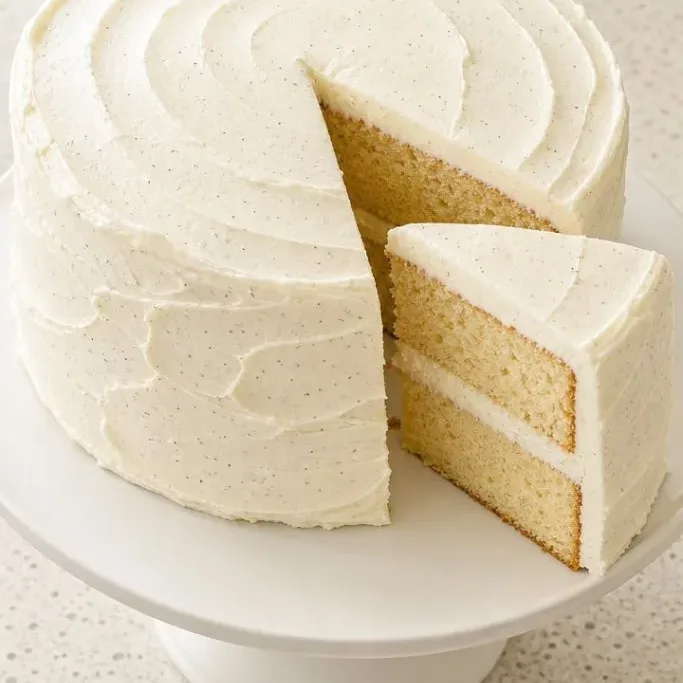
The secret is an extra couple of egg yolks and a generous hit of good vanilla. No shortcuts, just a cake that feels special without much fuss.
What Makes This French Vanilla Cake So Good
The crumb stays moist for days thanks to buttermilk, and the extra yolks give it a fine, velvety texture that plain vanilla cakes miss. It’s sturdy enough to stack with a thick layer of buttercream but tender enough to eat on its own, straight from the pan.
That vanilla flavor doesn’t just float on top—it’s baked into every bite. I use pure vanilla extract and a pinch of salt to round everything out, so the cake tastes rich without being cloying.
Ingredients

For the Cake
- 2 1/2 cups all-purpose flour: spooned and leveled, not scooped
- 2 tsp baking powder: helps the cake rise evenly
- 1/2 tsp salt: a fine sea salt works best
- 1 cup unsalted butter, softened: let it sit at room temp for an hour
- 2 cups granulated sugar: keeps the crumb tender
- 3 large eggs, at room temperature: plus 2 egg yolks for richness
- 2 tsp pure vanilla extract: or vanilla bean paste for a speckled look
- 1 cup buttermilk, at room temperature: gives the cake a subtle tang
For the Vanilla Buttercream
- 1 cup unsalted butter, softened: same room temp rule
- 3 to 4 cups powdered sugar: sifted if it’s lumpy
- 2 to 3 tbsp heavy cream or whole milk: add a splash at a time
- 1 1/2 tsp pure vanilla extract: for that classic vanilla finish
- pinch of salt: cuts the sweetness just enough
Variations / Substitutions
- Buttermilk swap: stir 1 tbsp lemon juice or white vinegar into 1 cup milk, let sit 10 minutes. The cake stays just as moist.
- Vanilla paste: use an equal amount of vanilla bean paste in place of extract for visible flecks and a deeper vanilla note.
- Gluten-free: a 1-to-1 gluten-free flour blend does the job nicely. The crumb will be a touch more delicate.
- Dairy-free: use plant-based butter sticks and a thick plant milk with a splash of lemon for the “buttermilk.” The frosting works with vegan butter and a little oat milk.
French Vanilla Coffee Creamer goes great with this cake when you want something to sip.
How to Make French Vanilla Cake
Step 1: Cream the Butter and Sugar
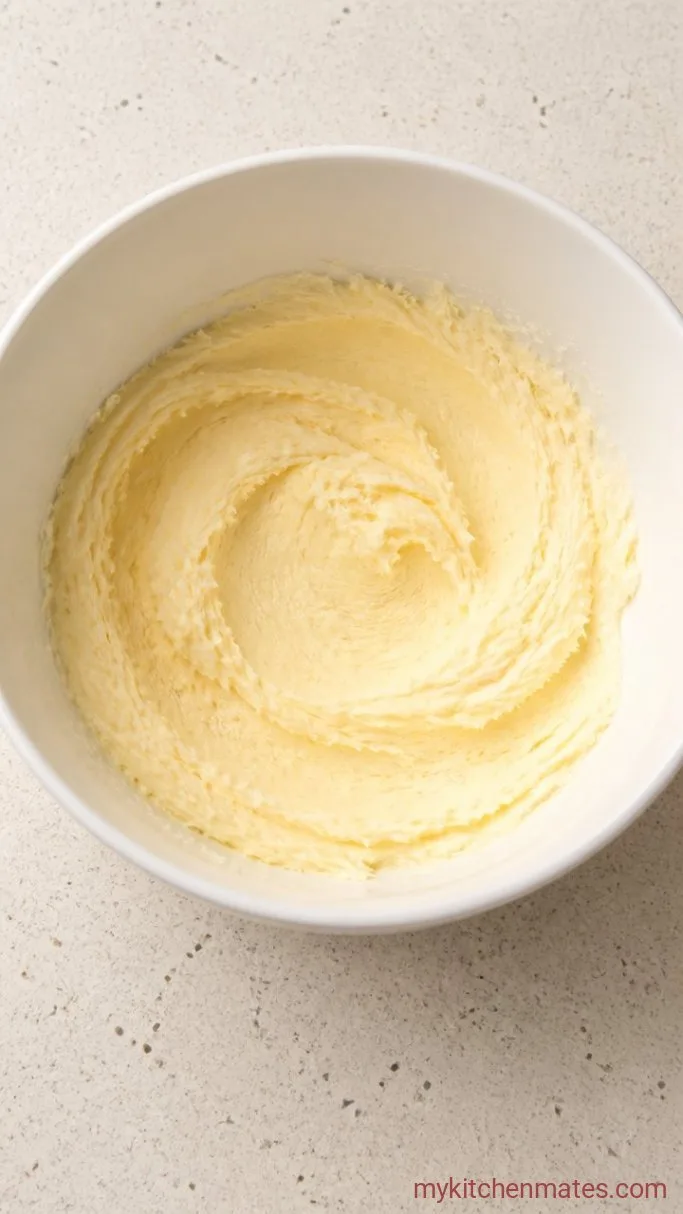
Preheat your oven to 350°F (175°C) and grease two 8-inch round cake pans, then line the bottoms with parchment. In a large bowl, beat the 1 cup softened butter and 2 cups sugar with an electric mixer on medium-high speed until the mixture looks pale and fluffy, about 3 to 4 minutes.
You’ll see the color lighten and the texture turn almost like whipped frosting. Scrape down the bowl once so nothing sticks to the sides.
Step 2: Add the Eggs, Yolks, and Vanilla

With the mixer on low, add the 3 whole eggs and 2 egg yolks one at a time, beating well after each addition. Pour in the 2 teaspoons vanilla extract and mix just until combined.
The batter might look slightly curdled, but that’s normal. The buttermilk in the next step will smooth it right out.
Step 3: Alternate Dry and Wet

Whisk together the 2 1/2 cups flour, 2 teaspoons baking powder, and 1/2 teaspoon salt in a separate bowl. With the mixer on low, add the dry mixture to the butter mixture in three additions, alternating with the 1 cup buttermilk. Start and end with the flour. Stop mixing as soon as the last streak of flour disappears.
Overmixing here will make the cake tough, so I turn the mixer off the second the batter comes together. The batter will be thick, creamy, and pale gold.
Step 4: Bake the Layers
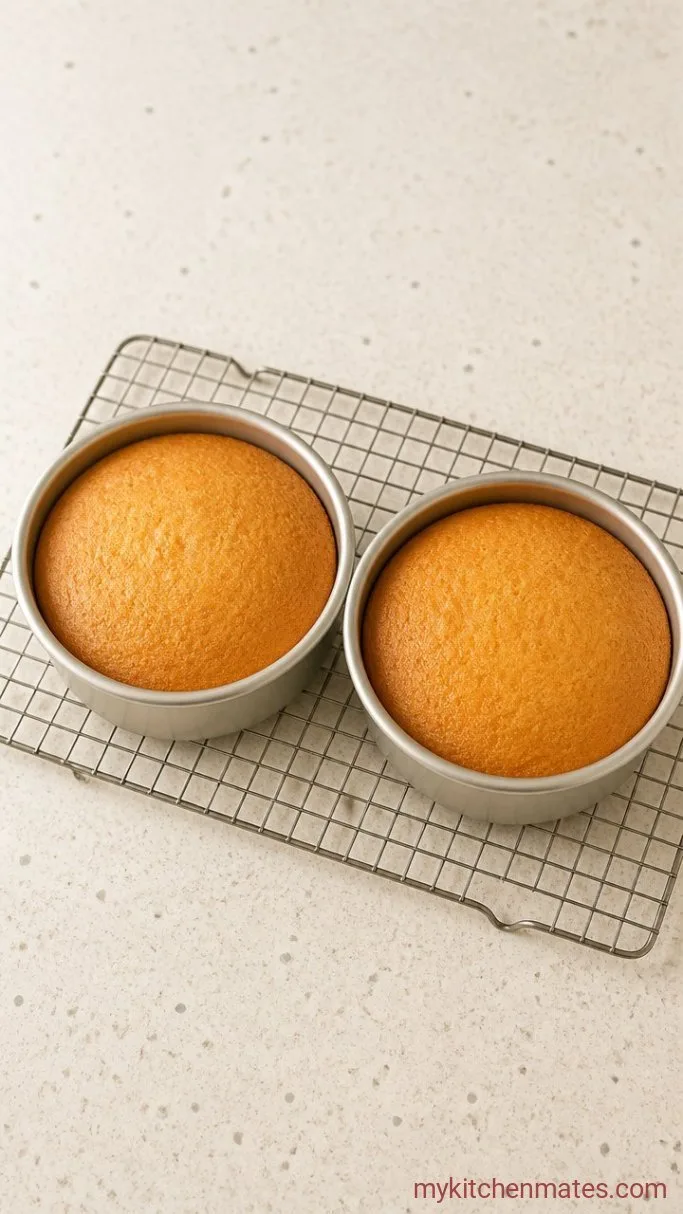
Divide the batter evenly between the prepared pans and smooth the tops. Bake for 28 to 32 minutes, until a toothpick poked in the center comes out clean and the tops spring back when you touch them lightly.
The edges will pull away from the sides of the pan just a little, and the kitchen will smell like sweet butter and vanilla. Let the layers cool in the pans for 10 minutes, then turn them out onto a wire rack to cool completely.
Step 5: Frost and Slice

While the cake cools, make the buttercream. Beat the 1 cup softened butter until creamy, then add 3 cups of the powdered sugar, 2 tablespoons cream, 1 1/2 teaspoons vanilla, and a pinch of salt. Beat on low to bring it together, then on high for 2 minutes until fluffy. If it’s too thin, add the remaining sugar a bit at a time. If too stiff, add the extra cream.
Place one cooled layer on a plate and spread about a cup of frosting over the top. Set the second layer on it and frost the top and sides with the rest. Slice and serve, and watch that tender crumb stay put on the fork.
Tips for a Light, Even Crumb
- Room temperature really matters here. Butter, eggs, and buttermilk that are all the same temp blend together without clumping, so the batter bakes evenly.
- Weigh your flour if you can: 2 1/2 cups is about 312 grams. Too much flour makes a dry cake.
- A stand mixer works, but stop and scrape the bowl often—especially after adding the eggs. A handheld mixer gives you more control.
- Once the layers are cool, you can freeze them (wrapped well) for up to 2 months. Frost straight from the freezer and it’s a massive time-saver.
Bake times by pan size:
| Pan size | Bake time (at 350°F) |
|---|---|
| Two 8-inch rounds | 28 to 32 minutes |
| Two 9-inch rounds | 24 to 28 minutes |
| 13×9 inch sheet pan | 30 to 35 minutes |
Keeping the Cake Fresh
- Refrigerate: Store the frosted cake in an airtight container in the fridge for up to 5 days. Bring slices to room temp before eating for the softest crumb.
- Freeze unfrosted layers: Wrap each cooled layer in plastic and foil, then freeze for up to 2 months. Thaw completely before frosting.
- Serving cold: Right from the fridge, the buttercream is firm and sliceable. If you prefer a softer frosting, let the cake sit out for 30 minutes.
Frequently Asked Questions
Can I make this cake ahead of time?
Yes. Bake the layers up to 2 days in advance, cool them completely, and wrap tightly. Frost the day you plan to serve it.
Why did my cake sink in the middle?
Usually from opening the oven door too early or taking it out before the center is fully set. Test with a toothpick and look for a springy top before pulling the pans.
Can I use a different frosting?
Absolutely. Cream cheese frosting, a simple chocolate Swiss meringue, or a pourable vanilla glaze all work.
What do I do if my buttercream breaks or curdles?
It’s often too cold. Set the bowl over a pan of warm water for a minute and beat again until it smooths out.
French Vanilla Cake Recipe
Ingredients
Method
- Preheat oven to 350°F (175°C). Butter two 8-inch round cake pans and line with parchment.
- Beat butter and sugar on medium-high until light and fluffy, about 3 to 4 minutes.
- Mix in eggs and egg yolks one at a time, then add vanilla.
- Combine flour, baking powder, and salt. Add to butter mixture in three batches, alternating with buttermilk, mixing just until combined.
- Divide batter into pans and bake 28 to 32 minutes. Cool completely on a wire rack.
- For the buttercream, beat butter until creamy, then gradually add sugar, cream, vanilla, and salt. Beat until fluffy. Frost cooled cake layers and serve.
Notes
