
Easy Easter Bundt Cake with Lemon Glaze

This lemon bundt cake gets a cheerful pastel glaze and a shower of sprinkles for spring. It is the kind of dessert that looks like you fussed while actually coming together with one bowl and basic pantry ingredients.
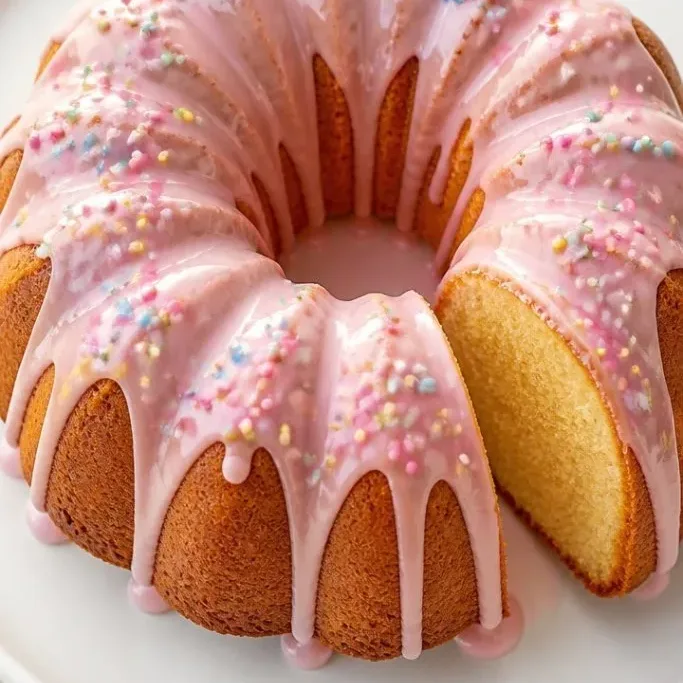
Make it this weekend and watch it disappear slice by slice.
What Makes This Easter Cake a Keeper
The crumb stays soft and buttery for days, thanks to a generous amount of butter and a little buttermilk. The lemon flavor is present without being sharp, and the glaze sets with a thin shell that shatters just slightly when you cut it.
I also love how forgiving the shape is. A bundt pan does the heavy lifting on presentation, so you can pour a simple glaze over the top and call it done. No leveling, no frosting, no stress.
Ingredients

- 2 1/2 cups all-purpose flour: spooned and leveled, not scooped
- 2 tsp baking powder: for lift
- 1/2 tsp fine sea salt: balances the sweetness
- 1 cup unsalted butter, softened: give it a full hour at room temperature
- 1 3/4 cups granulated sugar
- 4 large eggs, at room temperature
- 1 tbsp lemon zest: from 2 medium lemons
- 2 tbsp fresh lemon juice
- 1 tsp vanilla extract
- 3/4 cup buttermilk: shake the carton well before measuring
- For the glaze: 1 1/2 cups powdered sugar, 2 to 3 tbsp fresh lemon juice, 1 tbsp milk, food coloring, sprinkles
Variations / Substitutions
- Orange instead of lemon: swap the zest and juice for fresh orange. The cake will taste a little milder and sweeter.
- No buttermilk: stir 1 tbsp lemon juice into 3/4 cup whole milk and let it sit 5 minutes.
- All-vanilla: skip the citrus and increase the vanilla to 2 tsp. A vanilla bean paste works beautifully too.
- Dairy-free: use a plant-based butter stick and a soy or oat buttermilk substitute. The texture stays close to the original.
Lemon Raspberry Spring Birthday Cake is next on our list if this cake is your kind of dessert.
How to Make Easter Bundt Cake
Step 1: Whisk the Dry Ingredients

In a medium bowl, combine the 2 1/2 cups flour, 2 teaspoons baking powder, and 1/2 teaspoon salt. Whisk them together for about 30 seconds so the leavening is evenly distributed.
The mixture will look pale and uniform. Set it aside near your mixer.
Step 2: Cream the Butter and Sugar

Beat the 1 cup softened butter and 1 3/4 cups sugar on medium speed until the mixture is noticeably lighter in color and fluffy, about 3 to 4 minutes. Stop once to scrape the bowl well so no butter smears hide on the bottom.
When it is ready, the texture will resemble wet sand that clumps together when pressed.
Step 3: Add the Eggs and Lemon
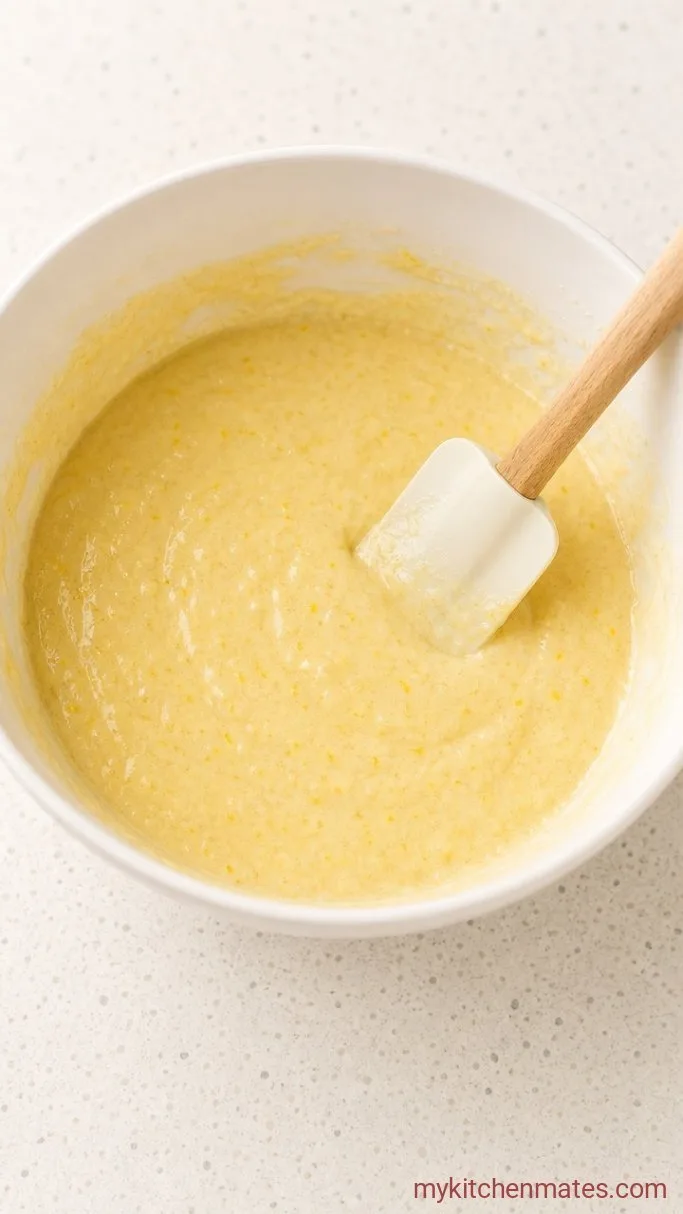
With the mixer on low, add the 4 eggs one at a time, letting each disappear before the next goes in. Then beat in the 1 tablespoon lemon zest, 2 tablespoons lemon juice, and 1 teaspoon vanilla.
The batter will look smooth and a little thick at this stage. The lemon zest will speckle it with bright yellow dots.
Step 4: Alternate the Dry and Wet

Add a third of the flour mixture to the bowl and mix on low just until the flour disappears. Follow with half of the buttermilk and mix again. Repeat, ending with the last third of the flour. Mix only until no dry streaks remain, about 15 seconds after the last addition.
The finished batter will be thick and smell strongly of lemon. Overmixing now can make the cake tough, so stop as soon as it comes together.
Step 5: Pour and Bake the Cake

Preheat your oven to 350°F (180°C). Grease a 10-cup bundt pan thoroughly with soft butter and dust it with flour, tapping out the excess. Spoon the batter into the pan and smooth the top. Bake on the middle rack for 50 to 55 minutes. A skewer inserted into the thickest part should come out with only a few moist crumbs.
The cake will rise above the pan rim and turn deep golden on top. Let it cool in the pan for exactly 10 minutes, then turn it out onto a wire rack. If you wait longer, the sugar in the crust can begin to stick.
Step 6: Glaze and Decorate

Whisk together 1 1/2 cups powdered sugar, 2 tablespoons lemon juice, and 1 tablespoon milk until smooth. Add more lemon juice a drop at a time if it is too thick. Tint the glaze with a tiny dab of food coloring if you want that soft spring look. Spoon the glaze over the completely cooled cake, letting it drip down the sides in uneven ribbons. Scatter sprinkles on top while the glaze is still wet.
Serve the cake the same day for the glossiest glaze, or let it set fully before slicing.
Tips for a Tender Bundt Cake
- Warm your eggs in a bowl of tap water for 5 minutes: if you forget to pull them from the fridge early. Cold eggs can make the batter curdle.
- Use a pastry brush to grease every nook: of the bundt pan. Butter the thin center tube especially well, because that is where cakes love to grab.
- Do not open the oven door before the 45-minute mark.: A rush of cool air can cause the center to sink.
- A thin, pourable glaze clings best.: If it starts to set in the bowl, whisk in a few drops of warm water.
Bake times shift a little with different pans:
| Pan material | Bake time at 350°F (180°C) |
|---|---|
| Light metal | 50 to 55 mins |
| Dark metal | 45 to 50 mins (check early) |
| Silicone | 55 to 60 mins |
Keeping Your Cake Fresh
- Refrigerate: Store the cake under a dome or in a sealed container at cool room temperature for up to 3 days. In warm kitchens, tuck it into the fridge and it will keep for 5 days. The glaze will soften slightly but still taste great.
- Serve Cold: This cake is lovely straight from the fridge with a cup of tea. The lemon flavor seems brighter when it is chilled.
What to Serve with Easter Bundt Cake
A bowl of sliced strawberries or raspberries next to each slice adds a fresh, slightly tart contrast to the sweet glaze. A cloud of lightly sweetened whipped cream works well too, especially if you fold in a little extra lemon zest. For brunch, set the cake out with a pitcher of cold brew or a pot of strong Earl Grey.
Frequently Asked Questions
Can I bake this in two loaf pans instead?
Yes. Divide the batter between two greased 8×4-inch loaf pans and bake at the same temperature for about 40 to 45 minutes.
Why did my cake stick even after greasing?
Bits of batter can still cling if the pan is not completely coated. A dusting of flour after the butter creates a dry barrier. For extra security, use a baking spray that already contains flour.
Can I make the cake a day ahead?
Absolutely. Bake and cool the cake fully, then wrap it tightly in plastic at room temperature. Glaze it the next day so the surface stays dry and the glaze looks fresh.
My glaze is too thick. How do I fix it?
Add lemon juice a few drops at a time, whisking between additions. When the glaze falls off the whisk in a slow ribbon that sinks back into the bowl within a couple of seconds, it is ready.
Easter Bundt Cake Recipe
Ingredients
Method
- Whisk flour, baking powder, and salt in a bowl.
- Cream butter and sugar on medium speed until light and fluffy, about 3 to 4 minutes.
- Add eggs one at a time, then mix in lemon zest, lemon juice, and vanilla.
- Alternate adding the flour mixture and buttermilk, mixing just until no dry streaks remain.
- Pour batter into a greased and floured 10-cup bundt pan and bake at 350°F (180°C) for 50 to 55 minutes. Cool 10 minutes in the pan, then turn out onto a rack.
- Whisk powdered sugar, lemon juice, and milk to a pourable glaze. Tint if desired, then spoon over the fully cooled cake and top with sprinkles.
Notes
