
30-Minute Croissant Cinnamon Rolls

These croissant cinnamon rolls take all the buttery layers and crisp edges you love about a croissant and turn them into the fastest cinnamon rolls you’ll ever bake. No yeast, no mixer, and zero waiting on dough to rise.

Canned crescent roll dough does the heavy lifting, so you can have a tray of warm rolls on the table in half an hour. A simple vanilla glaze drizzled over the top while they’re still hot is non-negotiable.
What Makes These So Good
The flaky, golden exterior is what you’re here for. Each roll has a crackly cinnamon sugar crust on the outside and a tender, soft center that pulls apart in buttery layers.
Because the dough is already laminated, you skip the hardest part of homemade cinnamon rolls. You’re just rolling, slicing, and baking, and the result tastes like you spent all morning in the kitchen.
Ingredients
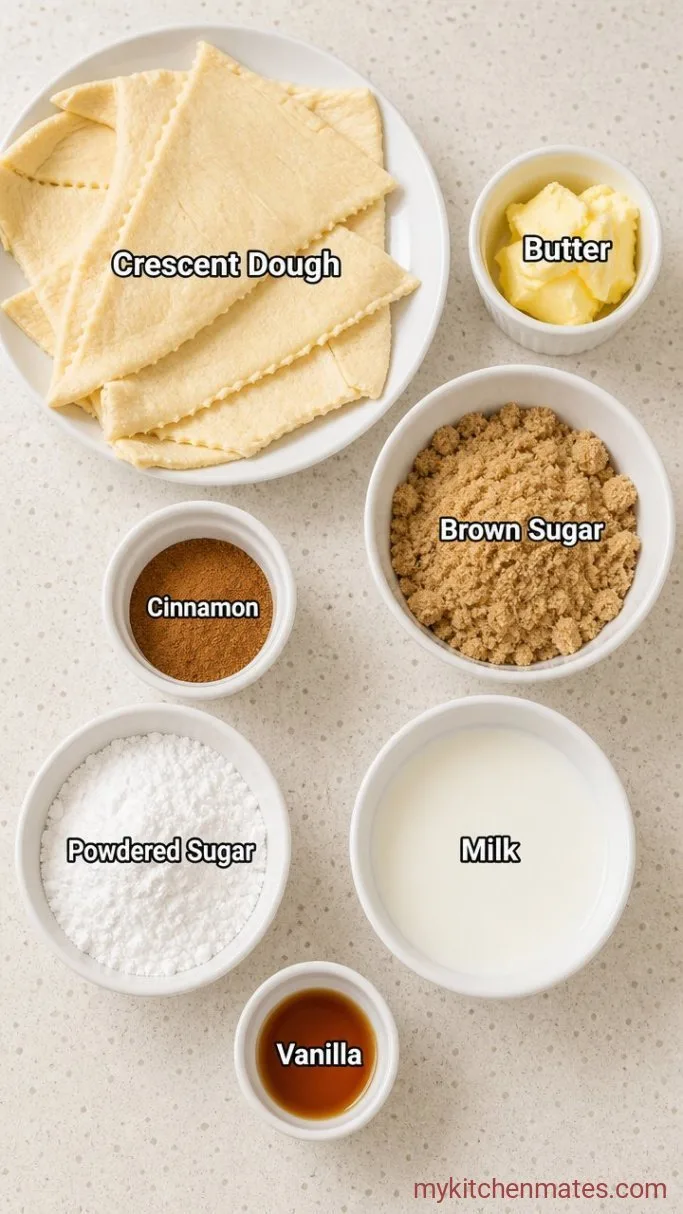
- 2 cans (8 oz each) refrigerated crescent roll dough: grab the seamless kind if you can find it, otherwise pinch the seams closed
- 4 tbsp unsalted butter, very soft: you’ll spread this right onto the dough
- ½ cup packed light brown sugar: dark brown sugar works for a deeper molasses note
- 1½ tsp ground cinnamon: use a fresh jar for the best flavor
- For the glaze: ½ cup powdered sugar, 1 tbsp milk, ¼ tsp vanilla extract, and a tiny pinch of salt
Variations and Substitutions
- Swap the dough: puff pastry makes an even flakier roll, just watch the bake time closely so the centers cook through before the edges burn
- Add nuts: sprinkle ¼ cup finely chopped pecans or walnuts over the cinnamon sugar before rolling
- Skip the dairy: use a plant-based butter and crescent dough (check labels, many are dairy-free) and thin the glaze with oat or almond milk
- Maple glaze: replace the vanilla with ½ tsp maple extract and use maple syrup in place of the milk
Crepes are a delicious breakfast to pair with these cinnamon rolls.
How to Make Croissant Cinnamon Rolls
Step 1: Mix the Filling
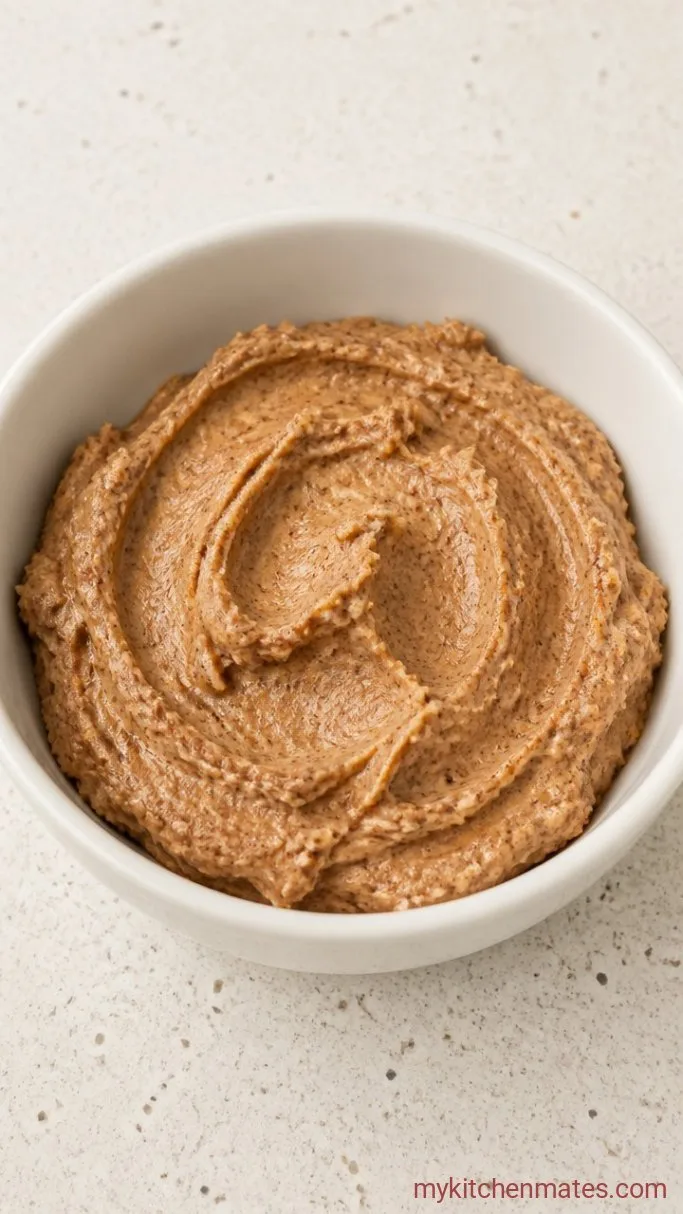
In a small bowl, combine the ½ cup brown sugar and 1½ teaspoons cinnamon. Stir them together until no dark streaks of cinnamon remain, so every bite tastes even.
The mixture will look like damp sand. Keep it nearby while you open the dough so your butter doesn’t start firming up.
Step 2: Roll the Dough
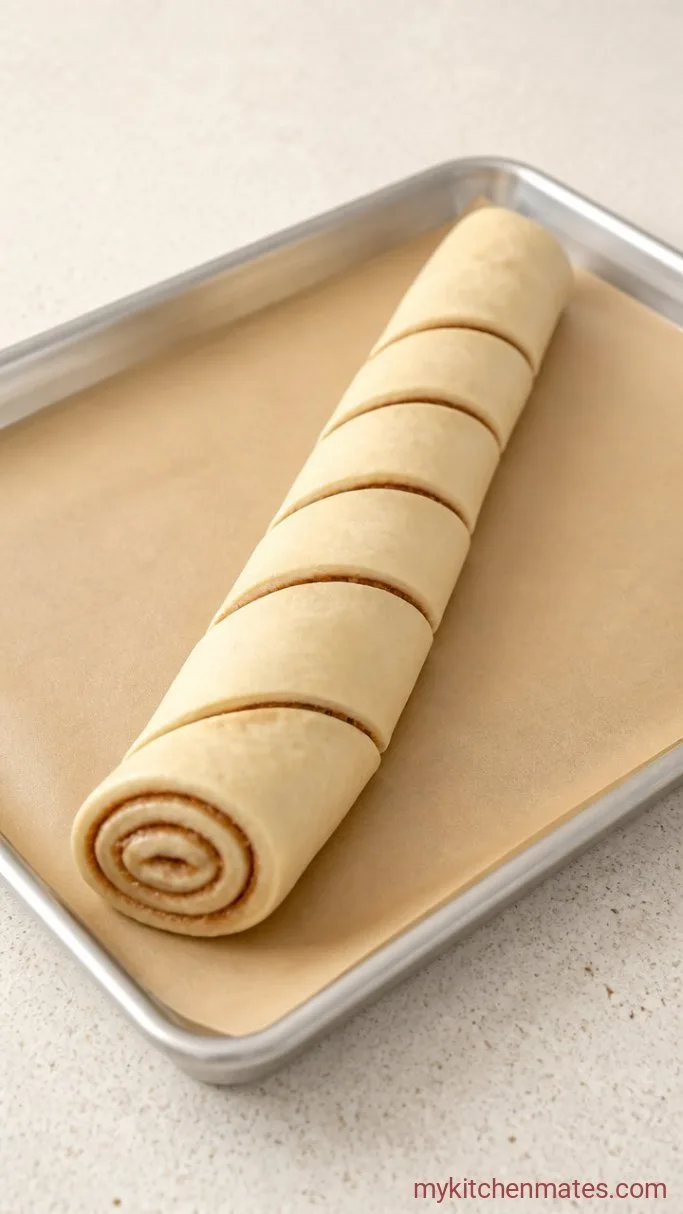
Open the 2 cans of crescent dough and unroll each sheet onto a clean work surface. If the dough is perforated into triangles, gently pinch the seams together with your fingers to create two solid rectangles, about 12 by 8 inches each.
Spread 2 tablespoons of very soft butter evenly over each sheet, leaving a narrow border along one long edge. Sprinkle all of the cinnamon sugar mixture over the butter, then press it lightly into the surface so it stays put. Starting at the long edge opposite the border, roll each sheet tightly into a log, like you’re making cinnamon rolls from scratch. The log should feel firm but not compressed; rolling too tight can push the filling out.
Step 3: Slice and Bake
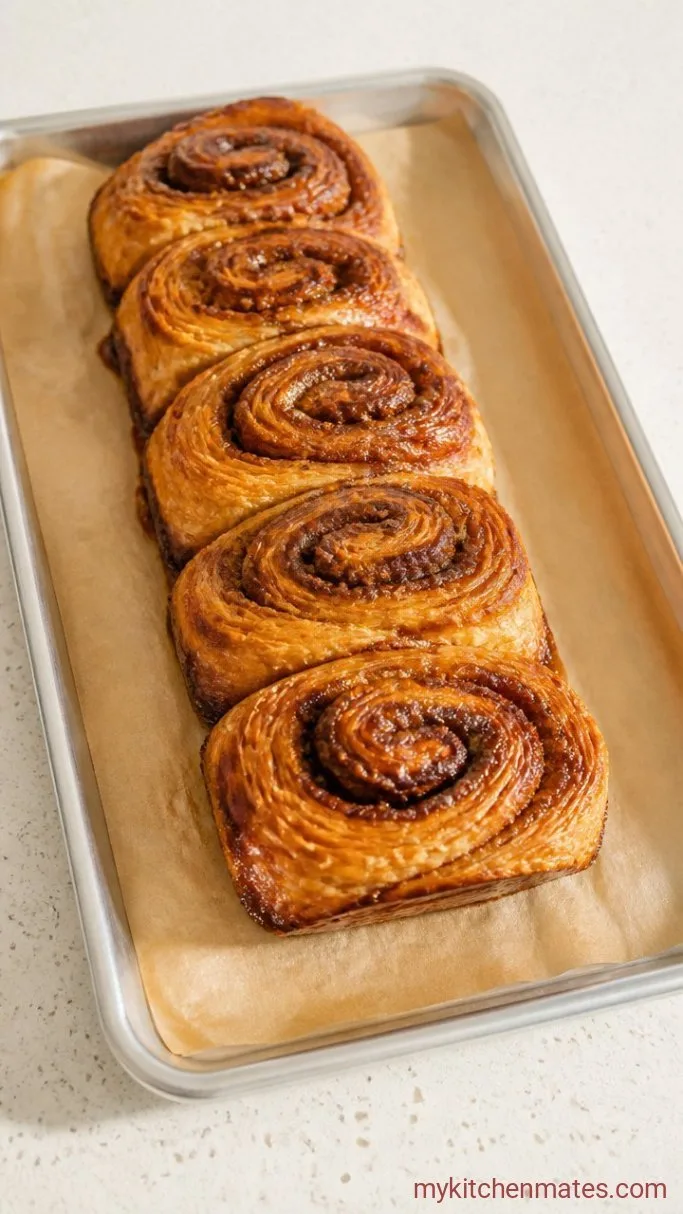
Preheat the oven to 375°F (190°C). Using a serrated knife or a piece of unflavored dental floss, slice each log into 8 even rounds, about 1½ inches thick. You’ll get 16 smaller rolls total, big enough for two people to share a pan, or cut thicker for 8 larger rolls.
Arrange the slices cut side up in a lightly greased 9-inch round cake pan or square baking dish, nestling them close together. They’ll puff up and touch as they bake. Slide the pan into the oven and bake for 12 to 15 minutes, until the tops are deep golden brown and the centers look set, not doughy. The edges will crisp first, so check at the 12-minute mark.
Step 4: Glaze While Warm
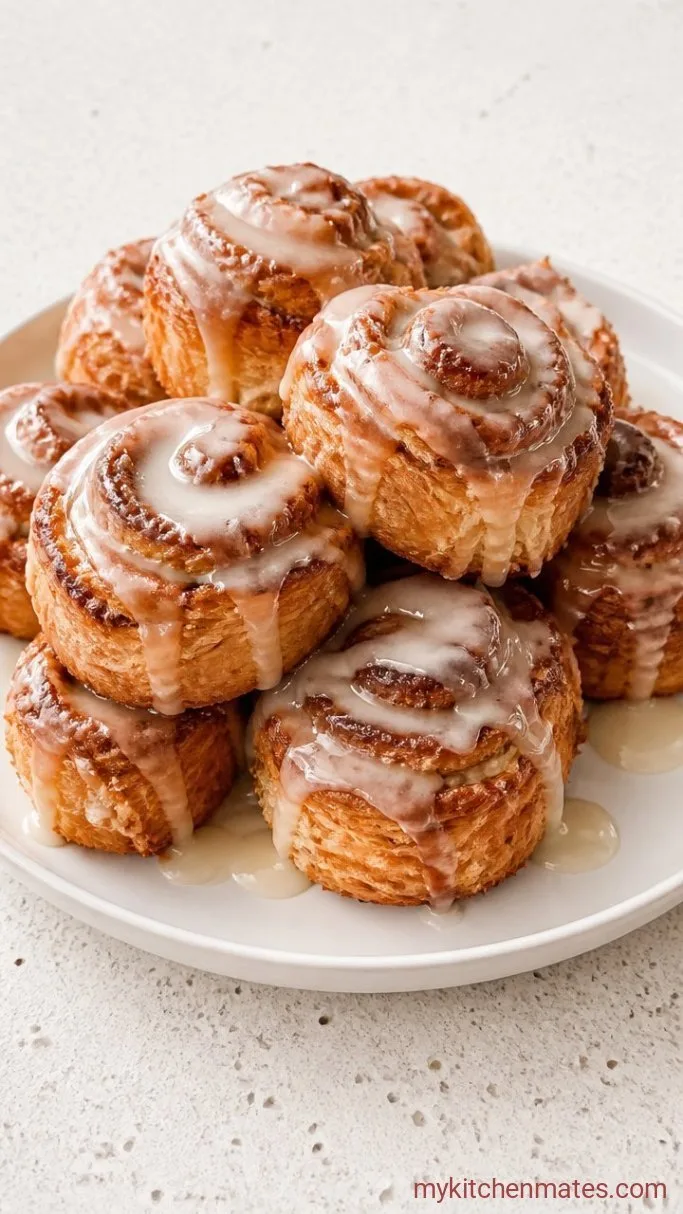
While the rolls bake, whisk together the ½ cup powdered sugar, 1 tablespoon milk, ¼ teaspoon vanilla, and a pinch of salt in a small bowl. The glaze should be thick enough to coat a spoon but thin enough to drizzle easily; add a few more drops of milk if needed.
Pull the pan from the oven and let the rolls sit for 5 minutes, no longer. Drizzle the glaze over the top, letting it pool in the spirals, then serve them warm and pull them apart with forks.
A Few Tips Before You Start
- Cold dough tears: if your crescent dough has been in the fridge for a while, let it sit at room temperature for 5 to 10 minutes before unrolling so it doesn’t crack.
- Slice cleanly with floss: slide a long piece of dental floss under the log, cross the ends over the top, and pull. You’ll get neat rounds without mashing the dough.
- Watch the bake color: croissant dough browns fast. The rolls are done when the tops are deeply golden and the middle springs back slightly when tapped, not before.
- Double the glaze: if you like a thicker coating, make 1½ times the glaze recipe and spoon it over after the first drizzle soaks in just a little.
Bake times by pan:
| Pan size | Pan material | Bake time |
|---|---|---|
| 9-inch round | metal | 12–14 mins |
| 9×9-inch square | glass | 14–16 mins |
| 8×8-inch square | metal | 13–15 mins |
Storing Leftovers
- Refrigerate: keep any leftovers in a sealed container in the fridge for up to 3 days. The glaze will soften the tops, so you may want to add a fresh drizzle before eating.
- Reheating: warm them in a 300°F (150°C) oven for 5 to 6 minutes to re-crisp the edges, or microwave for 15 seconds if you’re in a hurry.
What to Serve with Croissant Cinnamon Rolls
Fresh fruit, especially citrus, cuts through the richness nicely. A bowl of orange segments or a quick berry salad balances the buttery rolls. For a brunch spread, a side of crispy bacon or maple sausage gives you that salty-sweet contrast people reach for first.
Frequently Asked Questions
Can I use puff pastry instead of crescent dough?
Yes. Thaw one sheet of frozen puff pastry, roll it to a 12×8-inch rectangle, and follow the same steps. Bake at 400°F (200°C) for about 15 minutes, checking often.
Can I make these the night before?
You can assemble the unbaked rolls, cover the pan tightly, and refrigerate overnight. In the morning, let them sit at room temperature while the oven preheats, then bake as directed, adding 2 or 3 minutes to the bake time.
Why did my filling leak out of the rolls?
Filling leaks when the dough is overstuffed or not rolled tightly enough. Press the cinnamon sugar firmly into the butter and leave that small border along the edge so the roll can seal itself closed.
Can I freeze baked croissant cinnamon rolls?
Yes, freeze them unglazed in a single layer, then transfer to a freezer bag for up to 1 month. Thaw at room temperature, reheat in a 300°F oven, and glaze after warming.
Croissant Cinnamon Rolls Recipe
Ingredients
Method
- Mix brown sugar and cinnamon in a small bowl.
- Unroll crescent dough sheets, pinch perforations closed if needed, spread with butter, and sprinkle with cinnamon sugar. Roll each sheet tightly into a log.
- Preheat oven to 375°F (190°C). Slice logs into rounds, place in greased 9-inch pan, and bake 12 to 15 minutes until golden.
- Whisk glaze ingredients, drizzle over warm rolls, and serve.
Notes
