
Creamy Salmon Pasta with Lemon and Capers

Pan-seared salmon, silky cream sauce, and a hit of lemon and briny capers over your favorite pasta. It comes together in about 25 minutes, so it is solid enough for a weeknight but feels like something you would order at a restaurant.
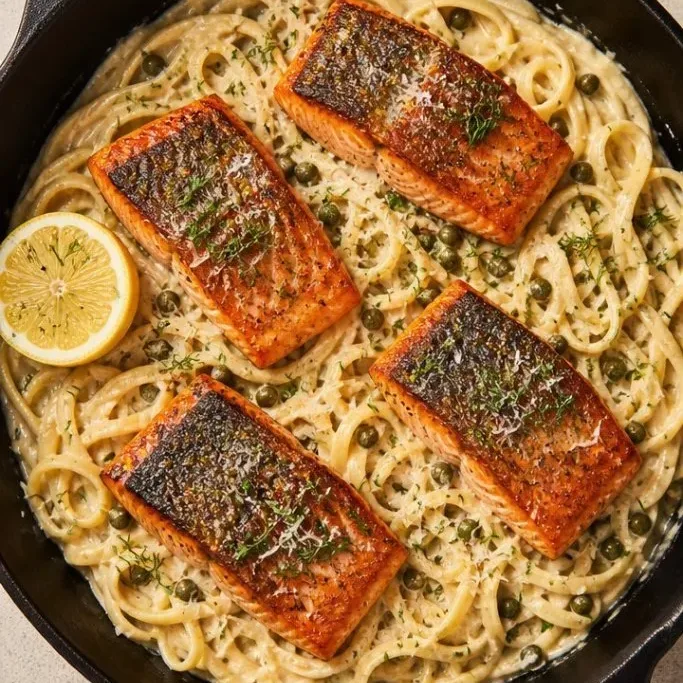
The sauce clings to every strand, and the salmon stays tender inside with crisp edges. Nothing complicated, just a simple pan sauce that delivers.
Why This Pasta Works
The sauce builds right in the same skillet you use for the fish. That means the browned bits from searing salmon flavor the cream, and you get a deeper, almost nutty backdrop without extra work.
It is also endlessly adaptable. Swap in dill or parsley, skip the capers if they are not your thing, or add a handful of spinach at the end. The base formula lets you tweak without breaking it.
Ingredients
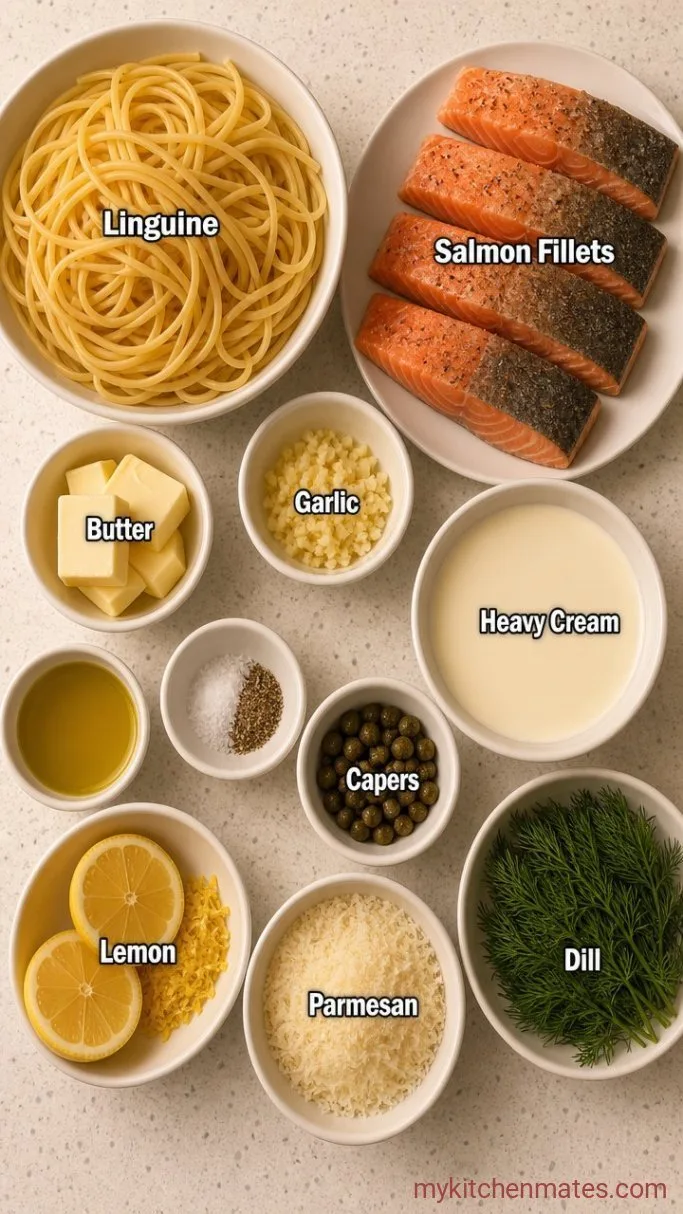
- 8 oz dried linguine or fettuccine: any long pasta works; short shapes like penne are fine too
- 4 skin-on salmon fillets, about 4 to 5 oz each: look for fillets of even thickness
- 1 tbsp olive oil: for searing
- 2 tbsp unsalted butter, divided: half for the fish, half for the sauce
- 3 garlic cloves, minced: fresh all the way for the best punch
- 1 cup heavy cream: whole milk works in a pinch but the sauce will be thinner
- 2 tbsp capers, drained: the small nonpareil kind distribute better
- 2 tbsp fresh lemon juice: one juicy lemon should cover it
- 1/2 tsp lemon zest: optional but brightens the whole dish
- 1/4 cup grated Parmesan, plus more for serving: use a fresh block and grate it yourself
- 1/4 cup chopped fresh dill: divided between the sauce and garnish
- Salt and black pepper: season as you go
Variations / Substitutions
- Use another fish: boneless, skinless salmon works too, just skip the skin side. Firm white fish like cod or halibut holds up, but reduce the cook time slightly since they cook faster.
- Herb swap: Dill is classic, but chopped chives, parsley, or a mix all taste great. Tarragon adds a faint licorice note that works well with lemon.
- Make it dairy-free: Trade the cream for full-fat coconut cream, use a plant butter, and skip the Parmesan or use a vegan alternative. The sauce will be a touch sweeter and a little thinner.
- Add some heat: A pinch of red pepper flakes in the sauce gives a nice warmth without overpowering the lemon.
Lemon Chicken Orzo Soup goes perfectly with this pasta for a cozy meal.
How To Make Creamy Salmon Pasta
Step 1: Sear the Salmon
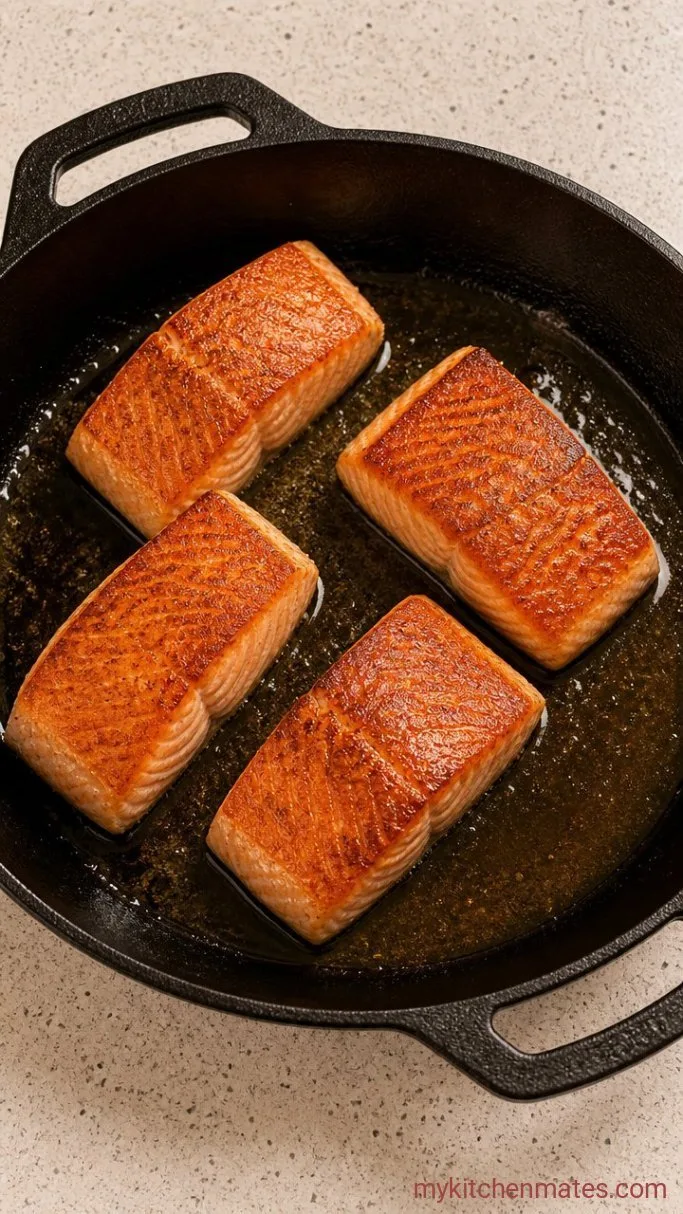
Bring a large pot of salted water to a boil for the pasta. While that heats, pat the salmon fillets dry with paper towels and season both sides generously with salt and pepper. Place a large skillet over medium-high heat and add the olive oil plus 1 tablespoon of the butter. Once the butter melts and the foam subsides, lay the fillets skin-side down in the pan. Cook for about 4 minutes without moving them until the skin is crisp and golden, then flip carefully and cook another 2 to 3 minutes until the flesh is just opaque at the thickest part.
You want the salmon slightly underdone because it will finish in the warm sauce later. If a thin fillet cooks all the way through, that is okay, but it might flake apart more when you stir it in. Transfer the fillets to a plate and set aside.
Step 2: Cook the Pasta
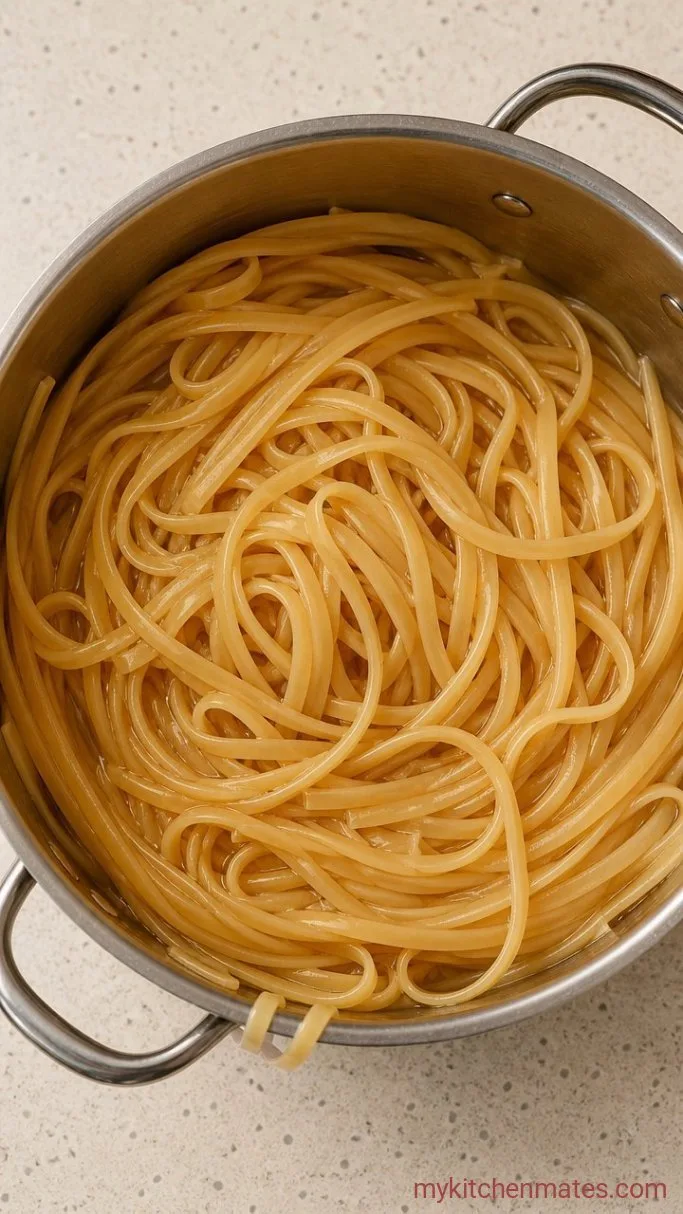
Drop the linguine into the boiling water and cook according to the package directions until al dente. Reserve about 1 cup of the starchy pasta water before draining. The sauce comes together fast, so have the pasta ready when you need it.
Keep an eye on the clock. Overcooked pasta turns soft once you toss it in the cream, and that chewy bite is half the charm. The reserved water is your insurance against a sauce that gets too thick.
Step 3: Build the Cream Sauce
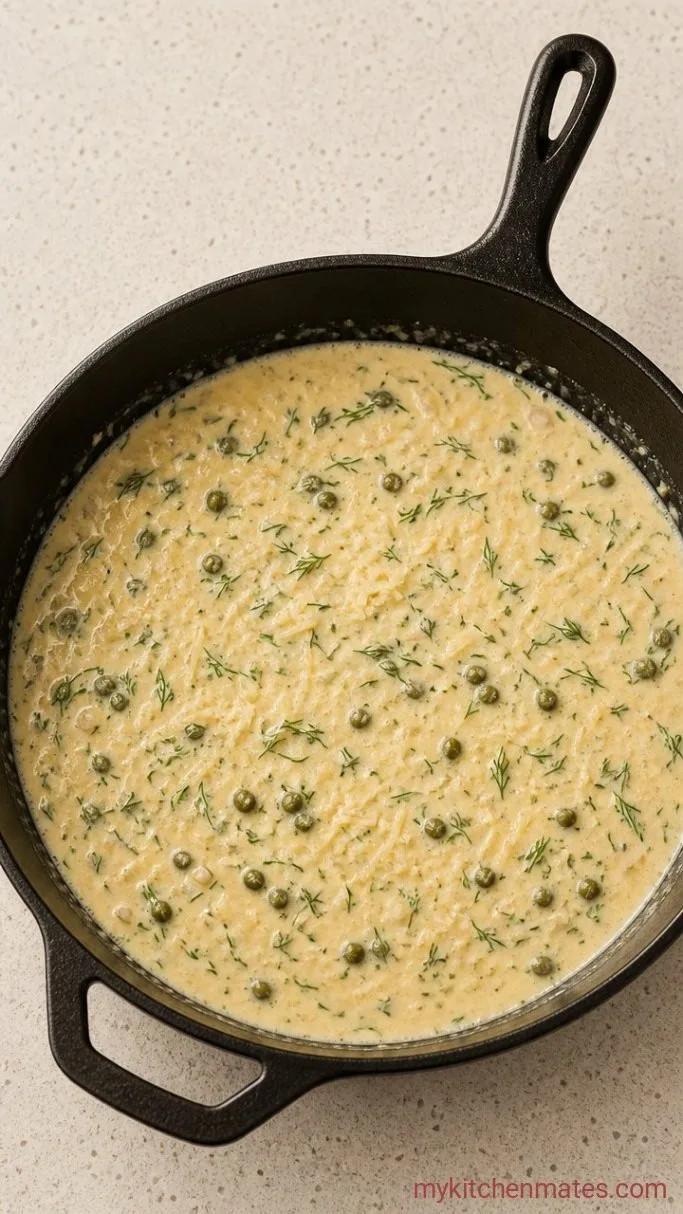
Pour off any excess fat from the skillet but leave the browned bits stuck to the bottom. Return the pan to medium heat and toss in the remaining 1 tablespoon butter along with the minced garlic. Stir for 30 seconds to a minute, just until fragrant and the garlic softens a little. Add the heavy cream, capers, lemon zest, and lemon juice. Scrape up all the browned bits with a wooden spoon and let the sauce bubble gently for 2 to 3 minutes, reducing until it coats the back of a spoon.
Taste the sauce now and adjust salt. Remember that capers and Parmesan will add more salt later, so go easy. If the sauce breaks or looks oily, whisk in a splash of the pasta water and it will come back together almost instantly.
Step 4: Toss and Serve the Pasta
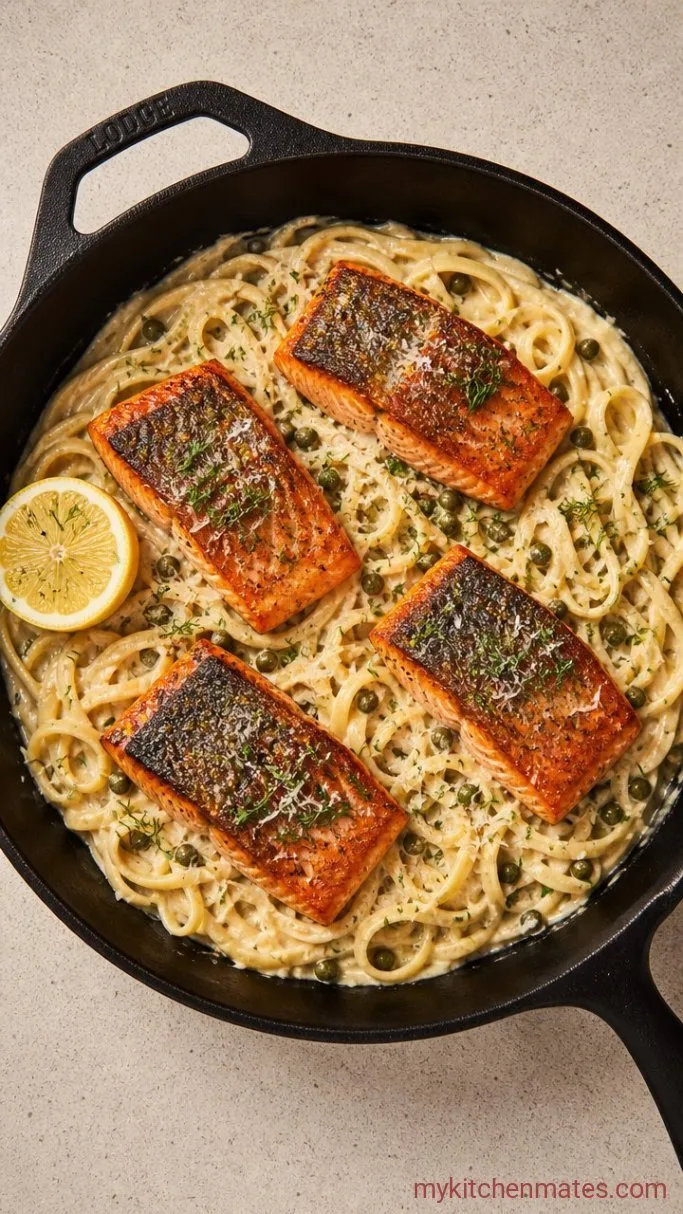
Lower the heat to low and stir in the grated Parmesan until it melts into a smooth sauce. Add the drained pasta and toss well with tongs so every strand gets coated. Flake the salmon into large chunks and gently fold it through the pasta, letting any pink centers finish in the residual heat. If the sauce feels tight, add a few splashes of the reserved pasta water until it reaches a loose, clingy consistency.
Slide the pasta onto a warm platter or into shallow bowls. Scatter the remaining fresh dill over the top and serve right away with extra Parmesan on the side. The dish is at its best when the sauce is glossy, the salmon is still tender, and the herbs are bright green.
A Few Things to Keep in Mind
- Pat the salmon dry: Excess moisture kills the sear. Get it bone-dry with paper towels before seasoning, then place it in the hot pan skin-side down and do not fuss with it.
- Save more pasta water than you think: A full cup gives you room to thin the sauce later without scrambling at the last second. Starchy water emulsifies the cream and Parmesan, so it actually makes the sauce silkier, not watery.
- Undercook the salmon a hair: Treat it like a steak. The first side gets a hard sear, the second side just finishes the surface. It will keep cooking once you flake it into the hot pasta.
- Zest the lemon before juicing it: Easy to forget, but that half teaspoon of zest brightens the sauce more than you would expect. A Microplane makes quick work of it.
Storing Leftovers
- Refrigerate: Pack the pasta in an airtight container for up to 3 days. The sauce soaks into the noodles over time, so it will be less saucy the next day.
- Reheating: Warm it gently in a skillet over low heat with a splash of milk or water to loosen the sauce back up. Microwaving works in a pinch, but go in 30-second bursts and stir between them so the fish does not dry out.
What To Serve With Creamy Salmon Pasta
A simple crisp salad cuts through the richness: baby arugula with lemon vinaigrette and shaved Parmesan. For something warmer, roasted asparagus spears with olive oil and salt cook in 10 minutes and add a nice bit of green. Garlic bread never hurts, but honestly a hunk of crusty bread to swipe the last bit of sauce is all you need.
Frequently Asked Questions
Can I use canned salmon instead of fresh fillets?
No, not for this recipe. Canned salmon is already cooked and flakes into soft pieces that turn to mush in the sauce. Stick with fresh or thawed frozen fillets.
What can I use instead of heavy cream?
Half-and-half works and keeps it creamy enough, but the sauce will be a bit looser. Whole milk plus a tablespoon of cream cheese melted in gives back some body if that is all you have.
How do I stop the salmon from sticking to the pan?
Make sure the pan and oil are hot before adding the fish, and do not move the fillets for the first few minutes. A well-seasoned cast iron or heavy stainless steel skillet helps a lot.
Can I add vegetables to this pasta?
Yes, toss in a big handful of fresh spinach or arugula at the end and stir until wilted. Blanched peas or chopped asparagus also work and cook through in the residual heat.
Creamy Salmon Pasta Recipe
Ingredients
Method
- Pat salmon dry, season with salt and pepper. Heat olive oil and 1 tbsp butter in a large skillet over medium-high heat. Sear fillets skin-side down for 4 minutes, flip, and cook 2 to 3 minutes until just opaque. Transfer to a plate.
- Cook pasta in salted boiling water until al dente. Reserve 1 cup pasta water, then drain.
- Reduce heat to medium, add remaining 1 tbsp butter and garlic to the same skillet. Cook 30 seconds until fragrant. Stir in cream, capers, lemon zest, and lemon juice. Simmer 2 to 3 minutes, scraping up browned bits, until the sauce coats a spoon.
- Lower heat, stir in Parmesan until smooth. Toss in drained pasta, adding splashes of pasta water as needed. Flake salmon into large chunks, fold gently, and finish with most of the dill. Serve immediately with extra Parmesan.
Notes
