
Extra-Moist Cream Cheese Bundt Cake

This cream cheese bundt cake is dense, buttery, and incredibly tender. The cream cheese works into the batter so well that every slice stays soft for days, not just hours.
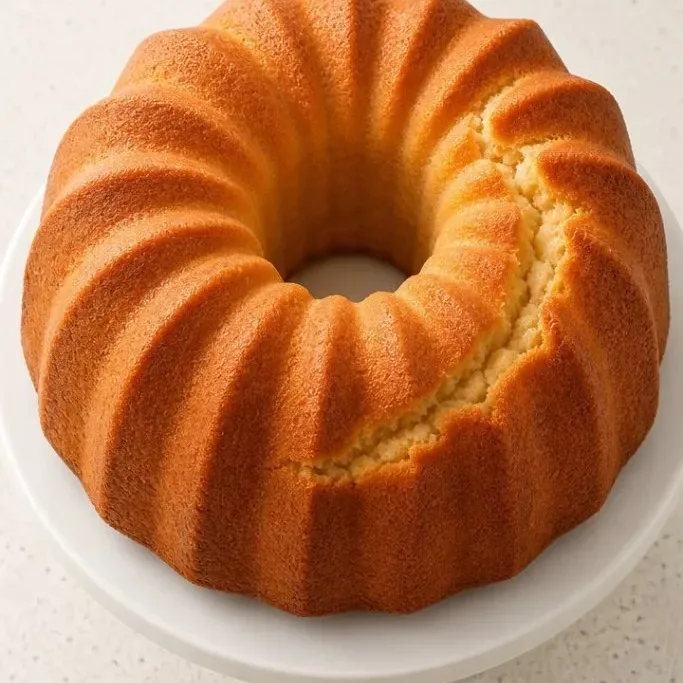
It bakes up with a fine, velvety crumb and a lightly golden crust. No stand mixer, no complicated steps, just a cake you can trust for any occasion.
What Makes This Bundt Cake So Good
The cream cheese does more than add flavor. It replaces some of the butter, so the crumb turns out softer and less greasy than a classic pound cake, but it still has that same satisfying heft.
The top never domes much, which means you get a flat bottom once you turn it out. A quick dusting of powdered sugar, a simple vanilla glaze, or fresh berries are all you need to finish it.
Ingredients

- 1 ½ cups (340 g) unsalted butter, softened: let it sit at room temperature until it yields to a light press
- 8 oz (226 g) full-fat cream cheese, softened: use block cream cheese, not the spreadable tub
- 2 ½ cups (500 g) granulated sugar
- 6 large eggs, at room temperature
- 3 cups (375 g) all-purpose flour: spooned and leveled, not scooped
- 1 tsp baking powder
- 1 tsp salt
- 1 tbsp vanilla extract
Variations / Substitutions
- Lemon cream cheese cake: add the zest of 2 lemons to the sugar and rub it in with your fingers before creaming. Swap the vanilla for 1 tsp lemon extract.
- Almond twist: replace the vanilla with 1 tsp almond extract and fold ½ cup toasted sliced almonds into the batter before baking.
- Chocolate chip: stir 1 cup mini chocolate chips into the finished batter. Toss them in a teaspoon of flour first so they do not sink.
- Dairy free: I have not tested this one with vegan cream cheese, but a classic sour cream pound cake works well. See my Sour Cream Pound Cake recipe for a reliable alternative.
Quick-Rise Apple Cinnamon Rolls go perfectly with this cake for a cozy morning or afternoon.
How to Make Extra-Moist Cream Cheese Bundt Cake
Step 1: Cream the Butter, Cream Cheese, and Sugar
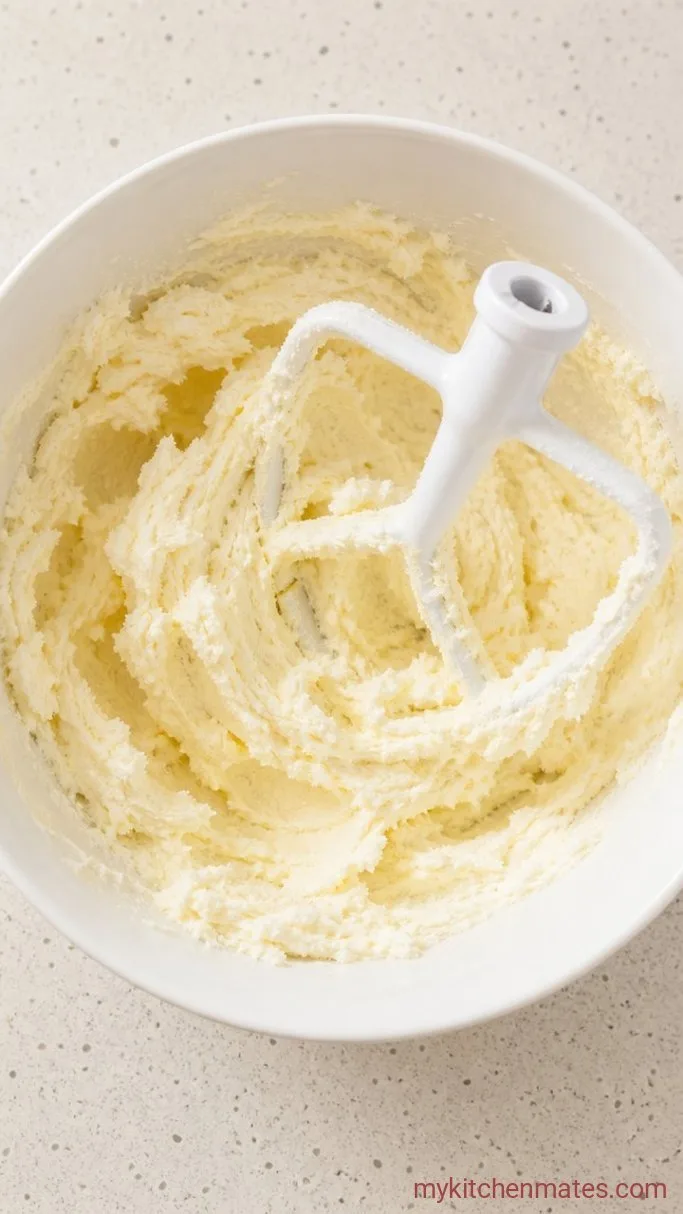
Preheat the oven to 325°F (160°C) and generously butter a 10 to 12 cup bundt pan, then dust it with flour and tap out the excess. In a large bowl, beat the 1 ½ cups butter and 8 oz cream cheese on medium speed until smooth and completely combined, about 2 minutes. Add the 2 ½ cups sugar and beat for another 3 to 4 minutes, until the mixture is pale and fluffy.
You will see the color lighten noticeably and the texture turn airy. Stop and scrape down the bowl once or twice so everything creams evenly.
Step 2: Add the Eggs and Vanilla
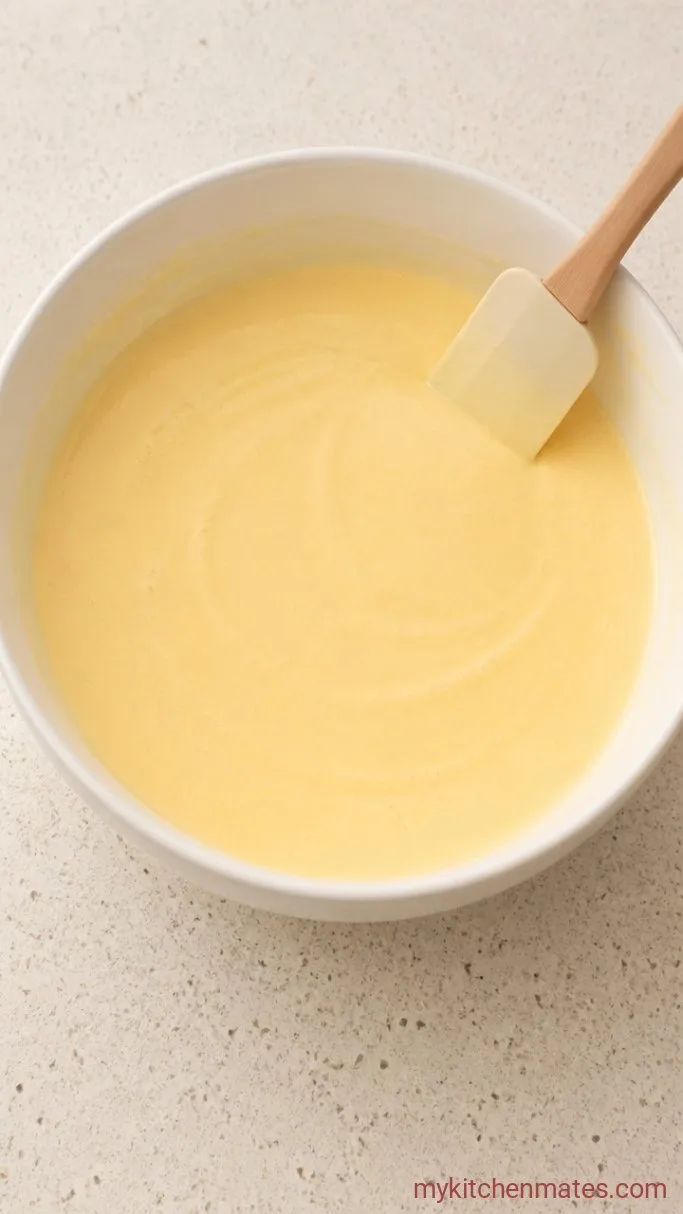
Crack the 6 eggs into a small bowl, then add them one at a time to the butter mixture, beating for about 30 seconds after each. Pour in the 1 tbsp vanilla with the last egg and beat just until it disappears.
The batter will look a little curdled after a few eggs, and that is fine. It will come together as soon as you add the flour in the next step.
Step 3: Mix in the Dry Ingredients
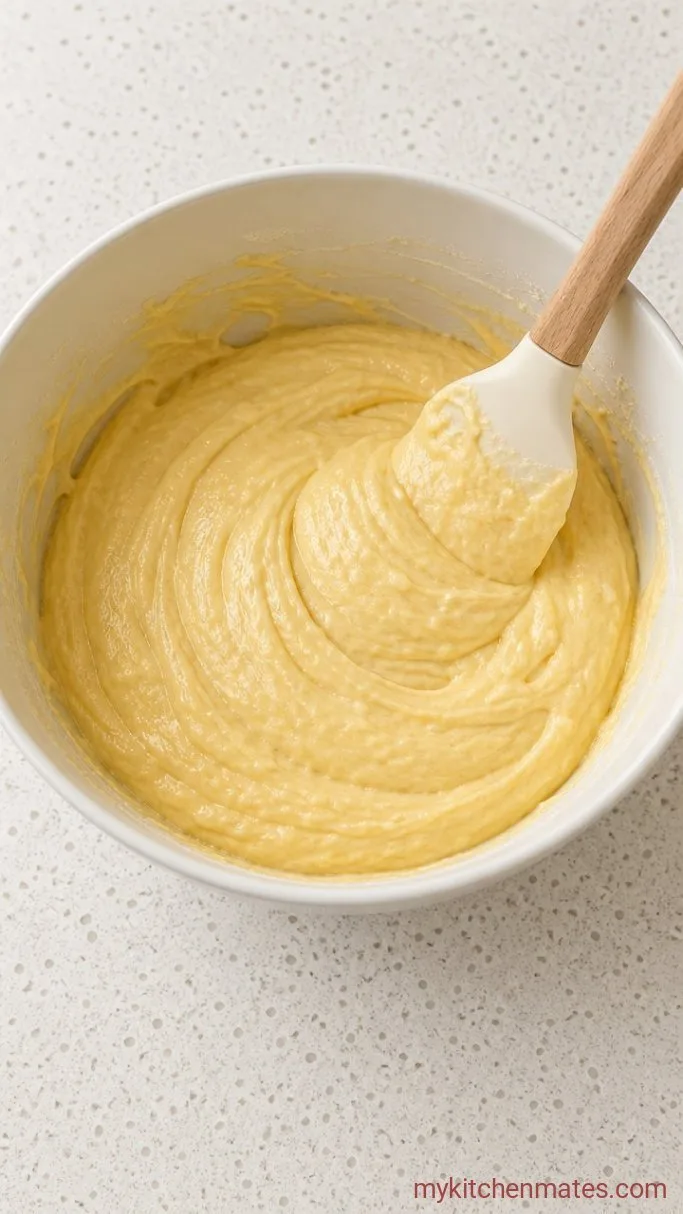
In a separate bowl, whisk together the 3 cups flour, 1 tsp baking powder, and 1 tsp salt. With the mixer on the lowest speed, add the flour mixture in three additions, mixing only until each addition disappears. Scrape the bowl by hand a couple of times and fold any remaining streaks of flour in with a spatula.
You want a thick, smooth batter that drops slowly from the spatula. Overmixing at this stage can make the cake tough, so keep the mixer speed low and stop the moment the flour is absorbed.
Step 4: Bake the Cake
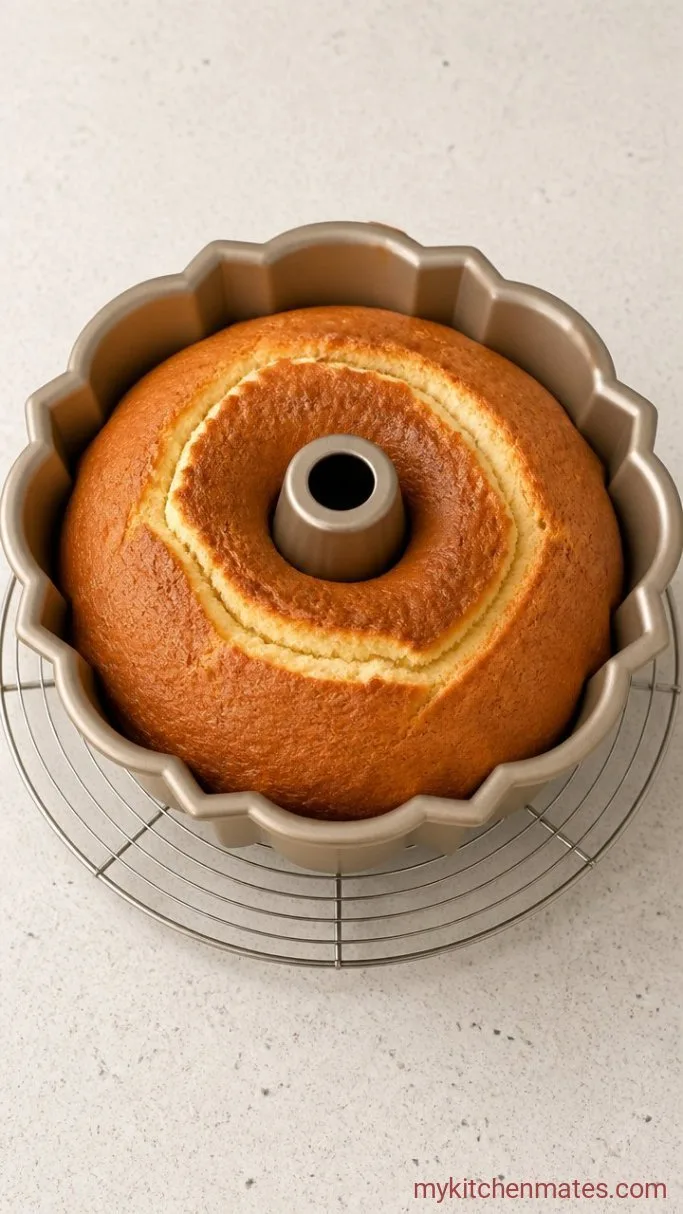
Spoon the batter into the prepared pan and smooth the top with a spatula. Bake for 70 to 80 minutes, until a long skewer inserted into the center comes out clean or with a few moist crumbs. If the top is browning too quickly, tent the pan loosely with foil after 50 minutes.
The cake will pull away slightly from the sides of the pan and feel springy when you press the top. Start checking 5 minutes before the earliest time, because every oven and every pan runs a little differently.
Step 5: Cool and Turn Out the Cake

Let the cake cool in the pan on a rack for 15 minutes, then invert it onto the rack and lift the pan away. Cool completely before slicing, or the crumb will be too soft to hold clean edges.
The golden crust will have a deep, buttery color, and the cake will feel heavy and firm in your hands. A dusting of powdered sugar right before serving hides any small cracks and looks beautiful.
Tips for the Perfect Bundt Cake
- Room temperature is not optional: cold eggs or cold cream cheese will cause the batter to seize up and bake unevenly. Pull the butter, cream cheese, and eggs from the fridge 1 to 2 hours before you start.
- Grease every crevice: use a pastry brush to get butter into every ridge and fold of the bundt pan, then flour it well. Baking spray with flour also works, but I still brush it in by hand.
- Do not rush the cooling: letting the cake rest in the pan for exactly 15 minutes allows the crust to set firm enough to release cleanly. Too soon and it may tear; too long and it can stick.
- Test with a skewer, not a toothpick: a thin cake tester or a wooden skewer reaches deep into the thickest part of the cake. A short toothpick often reads done before the center is fully set.
Bake times vary by pan material and size. Use these as a guide:
| Pan Material | Size | Bake Time |
|---|---|---|
| Light metal | 10-cup | 75–80 mins |
| Dark metal | 10-cup | 70–75 mins |
| Silicone | 10-cup | 80–85 mins |
Storing Leftover Cake
- Refrigerate: store the cooled cake tightly wrapped or in an airtight container in the fridge for up to 5 days. The cream cheese keeps it moist even cold.
- Freeze: wrap individual slices in plastic wrap, then foil, and freeze for up to 2 months. Thaw at room temperature for about an hour.
Frequently Asked Questions
Can I use light cream cheese?
No, the extra moisture in light or whipped cream cheese throws off the batter and the cake can sink. Stick with full-fat block cream cheese.
My cake stuck to the pan. What went wrong?
Bundt pans have a lot of surface area. Every crevice must be buttered and floured thoroughly. A baking spray with flour gives the best insurance if your pan has a detailed design.
Can I halve this recipe?
Yes, halve all the ingredients and bake in a 6-cup bundt pan. Start checking for doneness around 50 minutes.
Can I add fruit or nuts?
Yes, fold in up to 1 cup of raspberries, blueberries, or toasted nuts by hand right before baking. Toss them in a little flour first so they do not sink to the bottom.
Why did my cake sink in the middle?
This usually happens when the cake is underbaked or the oven door is opened too early. Keep the door closed for at least the first 60 minutes and test with a long skewer at the center.
Cream Cheese Bundt Cake Recipe
Ingredients
Method
- Preheat oven to 325°F (160°C). Butter and flour a 10 to 12 cup bundt pan.
- Beat butter and cream cheese until smooth, then add sugar and beat until pale and fluffy, about 3 to 4 minutes.
- Add eggs one at a time, beating after each, then vanilla with the last egg.
- Whisk flour, baking powder, and salt in a separate bowl. Add to the butter mixture in three additions on low speed, mixing just until combined.
- Spoon the batter into the pan, smooth the top, and bake for 70 to 80 minutes until a skewer comes out clean.
- Cool in the pan for 15 minutes, then invert onto a rack to cool completely. Dust with powdered sugar before serving.
Notes
