
3-Ingredient Cottage Cheese Biscuits

Cottage cheese biscuits are the kind of back-pocket recipe that saves a weeknight when the bread box is empty. Three ingredients, no yeast, and barely 20 minutes from mixing bowl to warm, golden biscuits.

A cold butter rub into self-rising flour does the heavy lifting for flaky layers, while the cottage cheese adds tenderness and just a whisper of tang. They feel like something you planned, even when you didn’t.
What Makes These Biscuits So Reliable
I keep coming back to this version because the cottage cheese pulls double duty as the liquid and a softener, so you don’t need buttermilk, milk, or an egg. The dough is forgiving, and the biscuits rise tall every time.
They bake with a crisp top, a gentle sour note from the cheese, and a crumb that is somewhere between a cream biscuit and a classic buttermilk one. Served warm with butter, they disappear fast.
Ingredients
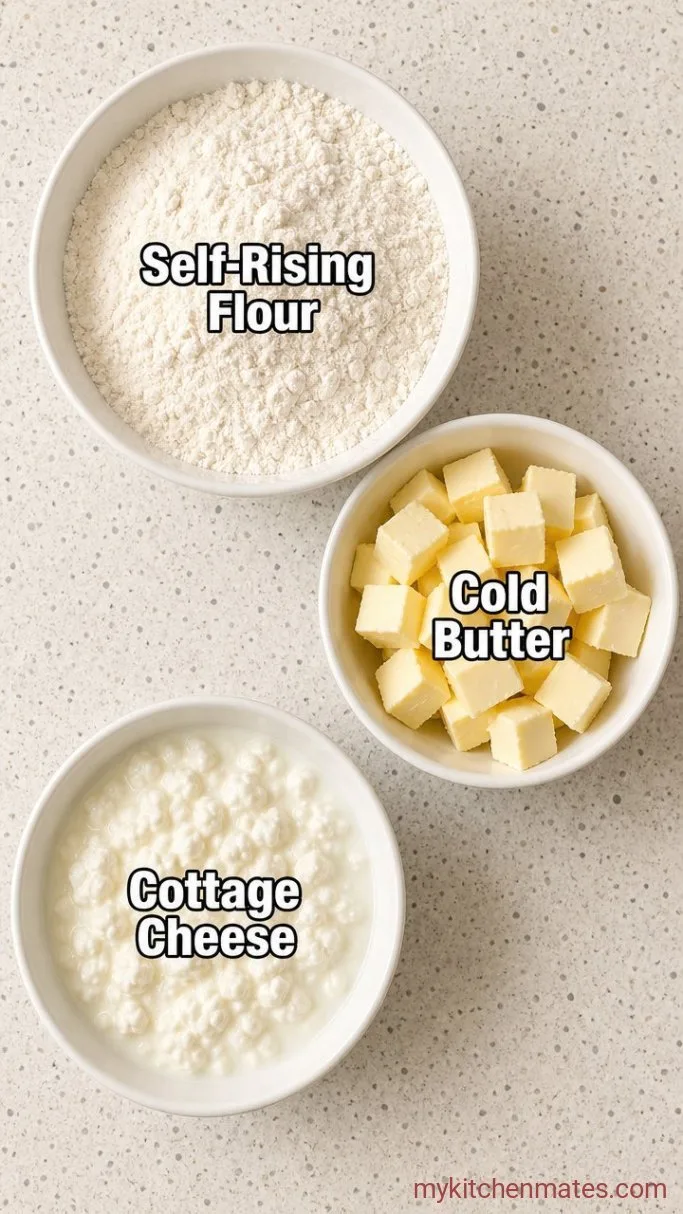
- 2 cups (240g) self-rising flour: already has the salt and leavening built in, so you skip extra measuring
- 4 tbsp (56g) cold unsalted butter: cut into small cubes, the colder the better
- 1 cup (220g) full-fat cottage cheese: the moisture and tang of full-fat gives the best rise and tenderness
Variations / Substitutions
- Shredded sharp cheddar and chopped chives: fold in about 1/3 cup of cheese and a tablespoon of chives with the cottage cheese for a loaded biscuit
- Garlic and herb: add 1/2 teaspoon garlic powder and a teaspoon of dried rosemary or thyme to the dry flour before cutting in the butter
- Add a butter top: brush the tops with melted butter right when they come out of the oven for a richer finish
- Swap the cottage cheese: ricotta works with the same ratio, but the biscuits will be a little denser and less tangy
Zero-Point Weight Watchers Vegetable Soup makes a comforting soup to pair with these biscuits.
How to Make Cottage Cheese Biscuits
Step 1: Cut the Butter into the Flour
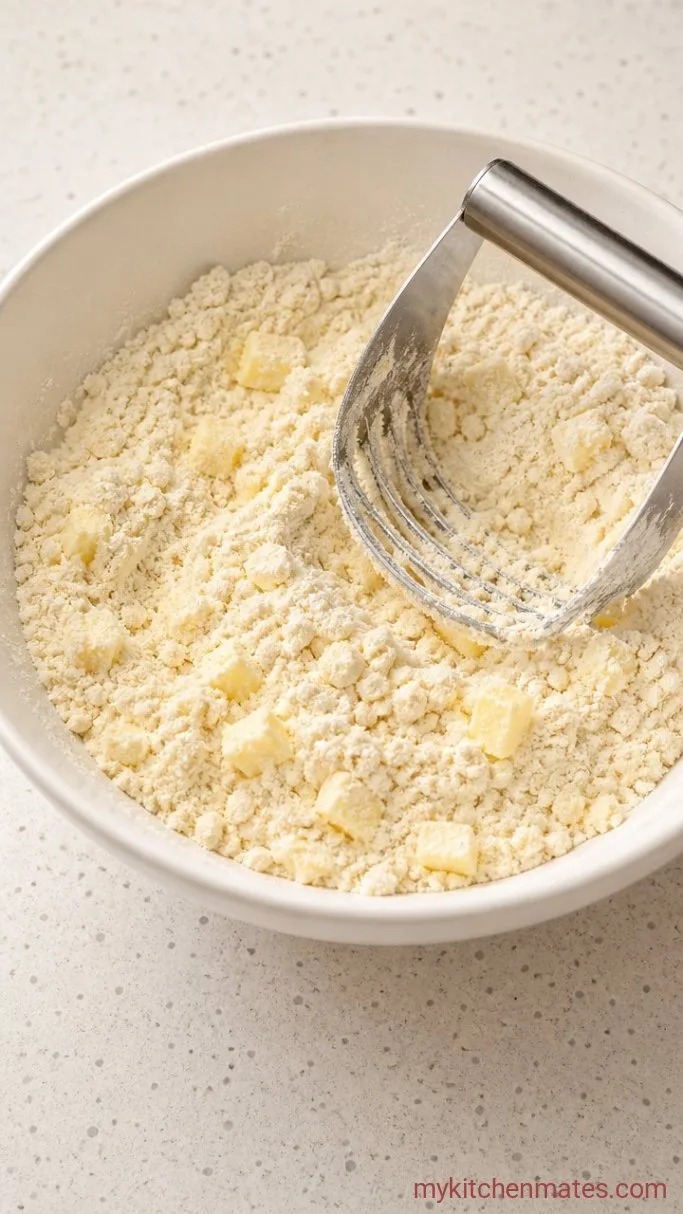
Preheat the oven to 425°F (220°C) and line a baking sheet with parchment. In a large bowl, add the 2 cups self-rising flour and the 4 tablespoons (56g) of cold, cubed butter. Work the butter into the flour with your fingertips or a pastry cutter until the mixture looks like coarse sand with a few pea-sized bits of butter still visible.
The butter pieces will create steam pockets as they melt, which is what gives the biscuits their flaky layers. You want the butter to stay cold, so work quickly and only until the texture is rough, not smooth.
Step 2: Fold in the Cottage Cheese
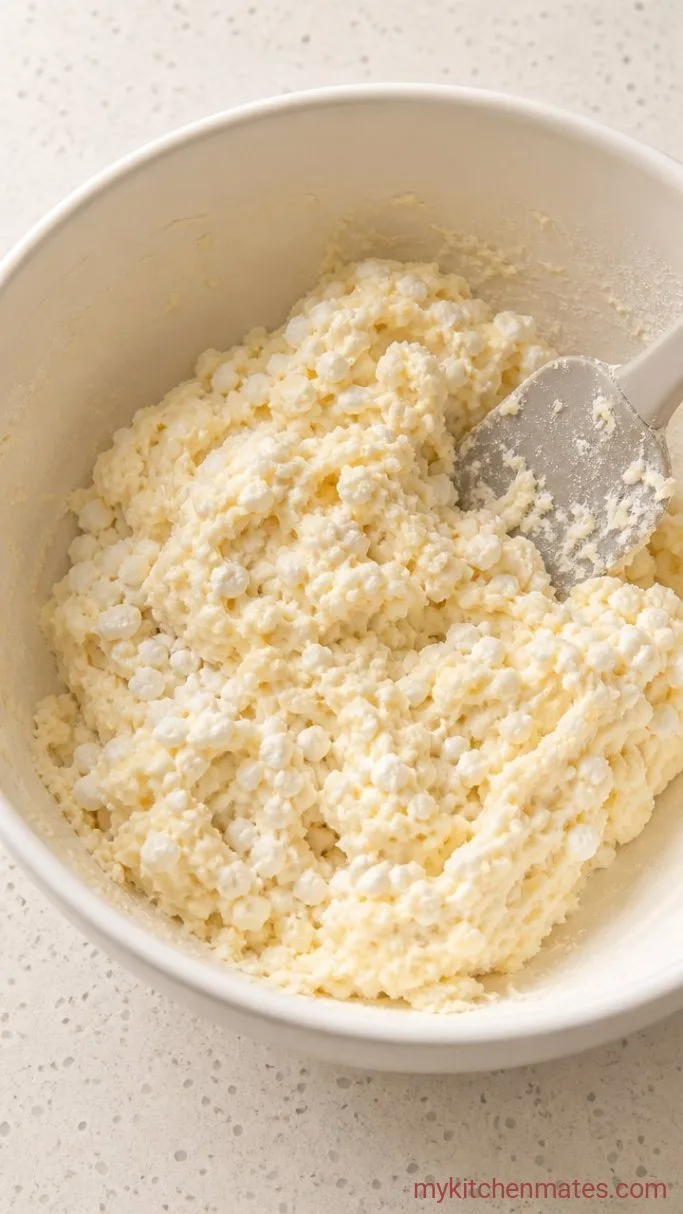
Add the full 1 cup (220g) of cottage cheese to the flour mixture. Use a fork to gently fold everything together until a shaggy dough forms, about 20 seconds. The dough should look messy and barely hold together. A few dry spots are fine.
Try not to overwork the dough at this stage, or the biscuits will lose their lightness. A light hand keeps the butter distinct and the crumb tender.
Step 3: Pat Out and Shape the Dough
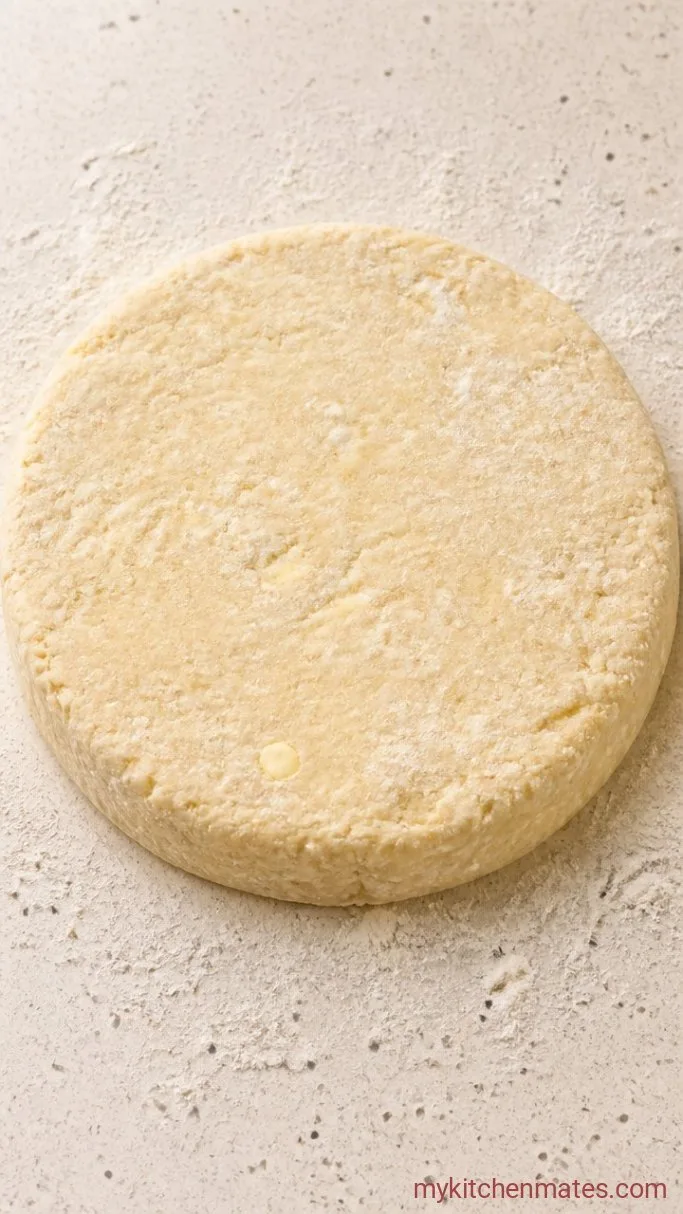
Turn the dough out onto a lightly floured surface and bring it together with your hands just until it forms a cohesive disk. Pat it into a round about 1 inch (2.5 cm) thick. Cut the round into 8 wedges with a sharp knife, or use a 2-inch biscuit cutter for classic rounds, pressing straight down without twisting.
Twisting the cutter seals the edges and stops the biscuits from rising as much, so a clean downward punch is worth the effort. Arrange the biscuits on the prepared sheet with a little space between them.
Step 4: Bake Until Golden and Serve

Slide the baking sheet onto the middle rack and bake for 12 to 14 minutes, until the tops are deeply golden and the biscuits feel firm when you tap one lightly. The cottage cheese will leave small golden speckles on the crust, which is a good sign.
Pull the pan out and transfer the biscuits to a cooling rack for 2 minutes, then serve them warm. Split and butter them while they are still hot from the oven.
A Few Tips Before You Start
- Keep the butter cold: stash the cubed butter in the freezer for 5 minutes while you measure the flour. Cold butter is the difference between a flaky rise and a flat disk.
- Don’t drain the cottage cheese: the liquid in the container is the moisture the dough needs, so stir the tub and scoop it all in together.
- Skip the rolling pin: pressing the dough by hand keeps the layers from getting compressed and gives a taller biscuit.
- Use the right flour: self-rising flour is the shortcut here. If you only have all-purpose, whisk in 1.5 teaspoons baking powder and 1/2 teaspoon salt per cup of flour before you start.
Bake times by biscuit size:
| Type | Size / Thickness | Bake Time at 425°F |
|---|---|---|
| Wedges | 1 inch thick, 8 per batch | 12 to 14 mins |
| Drop biscuits (rough mounds) | about 2 inches across | 10 to 12 mins |
| Round cut-outs | 2-inch cutter | 11 to 13 mins |
Storing Leftovers
- Refrigerate: keep baked biscuits in an airtight container at room temperature for up to 2 days, or in the fridge for 4 days.
- Reheating: warm them in a 350°F oven for 5 minutes, or split and toast them, to bring back the crisp crust.
- Freezing: freeze unbaked shaped biscuits on a tray, then transfer to a bag. Bake from frozen, adding 2 to 3 extra minutes to the bake time.
What Goes Well With Cottage Cheese Biscuits
These biscuits lean savory, so they slide right next to a bowl of tomato soup or a hearty vegetable stew where they can soak up the broth. For breakfast, split them open with a smear of butter and a drizzle of honey, or serve them beside soft scrambled eggs and crisp bacon. The mild tang of the cottage cheese also works well with a sharp cheddar on a quick ham sandwich.
Frequently Asked Questions
Can I use all-purpose flour instead of self-rising flour?
Yes, whisk 1.5 teaspoons baking powder and 1/2 teaspoon salt into each cup of all-purpose flour before using it in the recipe.
Will low-fat cottage cheese work?
Yes, but low-fat cottage cheese has more water and less richness, so the biscuits will be slightly less tender and may brown more slowly. Full-fat gives the most reliable result.
Can I make the dough ahead and bake later?
The unbaked dough can be shaped, covered tightly, and refrigerated for up to 2 hours before baking. Any longer and the baking powder starts losing its lift.
Why are my biscuits dry?
The most common cause is overworking the dough or over-measuring the flour. Spoon the flour into the measuring cup and level it off without packing it down.
Cottage Cheese Biscuits Recipe
Ingredients
Method
- Preheat oven to 425°F (220°C) and line a baking sheet with parchment. In a large bowl, cut the cold butter into the self-rising flour until the mixture resembles coarse sand with some pea-sized butter pieces.
- Add the cottage cheese and fold with a fork just until a shaggy dough forms.
- Turn dough onto a lightly floured surface, pat into a 1-inch-thick round, and cut into 8 wedges. Place on the prepared sheet.
- Bake for 12 to 14 minutes until golden on top, then cool 2 minutes and serve warm.
Notes
