
Classic Hollandaise Sauce

Classic hollandaise sauce turns a simple poached egg or a pile of steamed asparagus into something quietly impressive. It’s rich, buttery, and bright with lemon, a silky emulsion that comes together in just a few minutes with a blender.

This method takes the fear out of a sauce that has a reputation for breaking. You get a warm, velvety hollandaise that drapes beautifully and holds its texture long enough to get it to the table.
Why This Hollandaise Works
The blender does the heavy lifting, forcing the hot butter into the yolks so the sauce stays stable and smooth. You don’t need to whisk furiously or hover over a double boiler, and the result is just as luxurious.
The flavor is balanced without being fussy. Fresh lemon, a little salt, and the richness of real butter come through cleanly. There’s nothing to clutter it up, so it complements everything you pour it over.
Ingredients
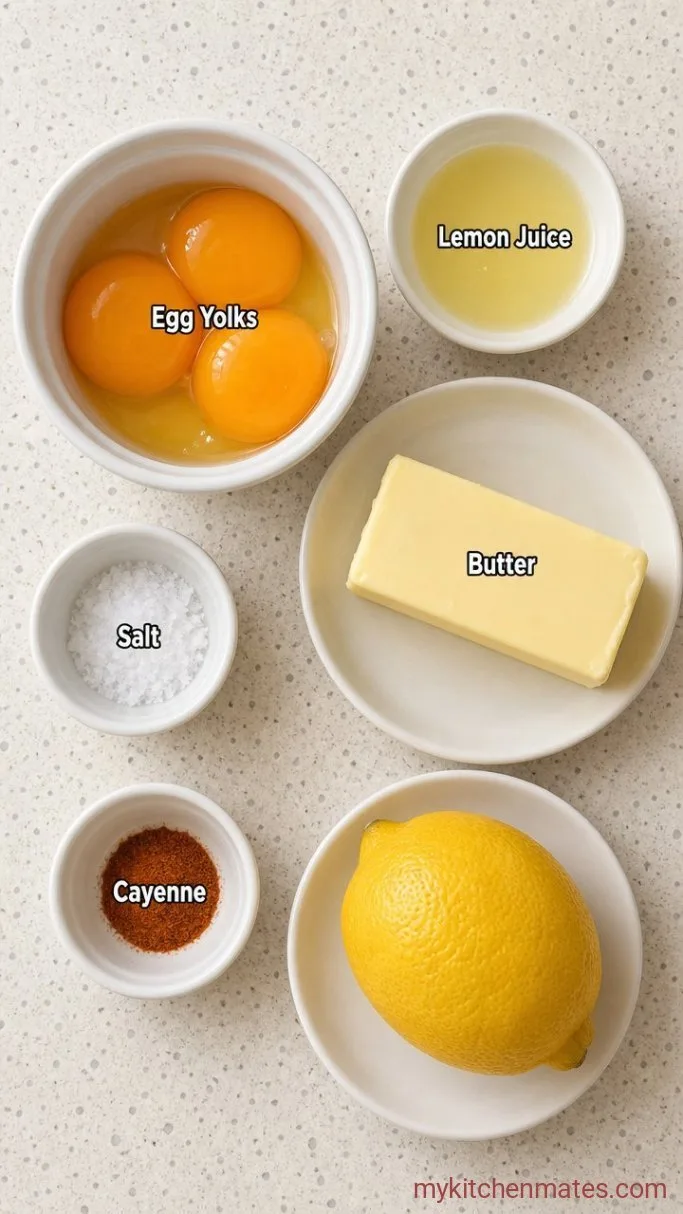
- 3 large egg yolks: room temperature yolks emulsify more easily
- 1 tbsp fresh lemon juice: bottled works, but fresh tastes brighter
- 1/2 cup (1 stick) unsalted butter: melted until hot but not browned
- 1/4 tsp salt: fine sea salt or kosher, plus more to taste
- Pinch cayenne pepper: optional, for a faint warmth
Variations / Substitutions
- Dijon mustard: whisk 1/2 teaspoon into the yolks before blending for a subtle sharpness
- Herb variation: blend in a tablespoon of finely chopped fresh tarragon or chives right at the end
- Citrus swap: replace lemon juice with lime or orange juice for a softer, sweeter acidity
- Extra spice: add an extra pinch of cayenne or a few drops of hot sauce to warm the sauce through
- Dairy-free: the sauce depends on butter, so a direct swap is tricky, but you can try a high-quality vegan butter stick
Creamy Sour Cream Noodle Bake is an easy way to put this sauce to good use.
How To Make Classic Hollandaise Sauce
Step 1: Blend the Yolks and Lemon Juice
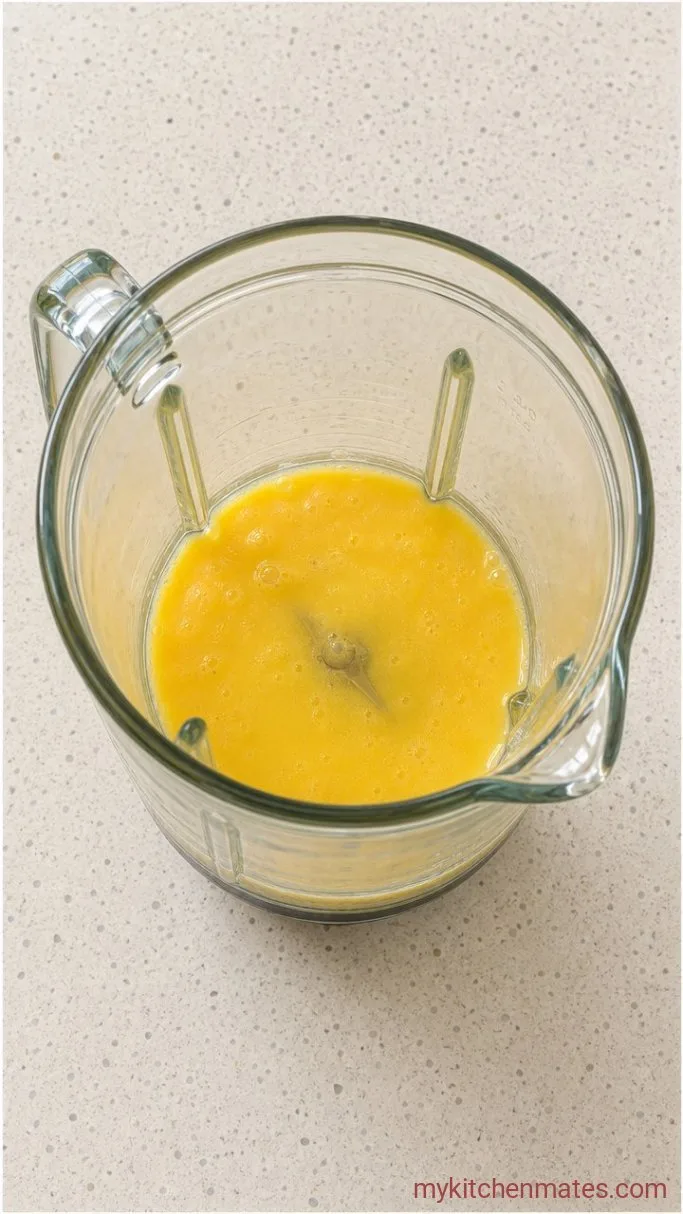
Place the 3 egg yolks, 1 tablespoon lemon juice, and a pinch of salt in a blender. Blend on medium speed for 30 seconds, until the mixture looks pale yellow and slightly thickened.
You should see the yolks lighten in color and start to cling to the sides of the jar. That’s the sign that you’ve built a good base for the emulsion.
Step 2: Stream in the Butter
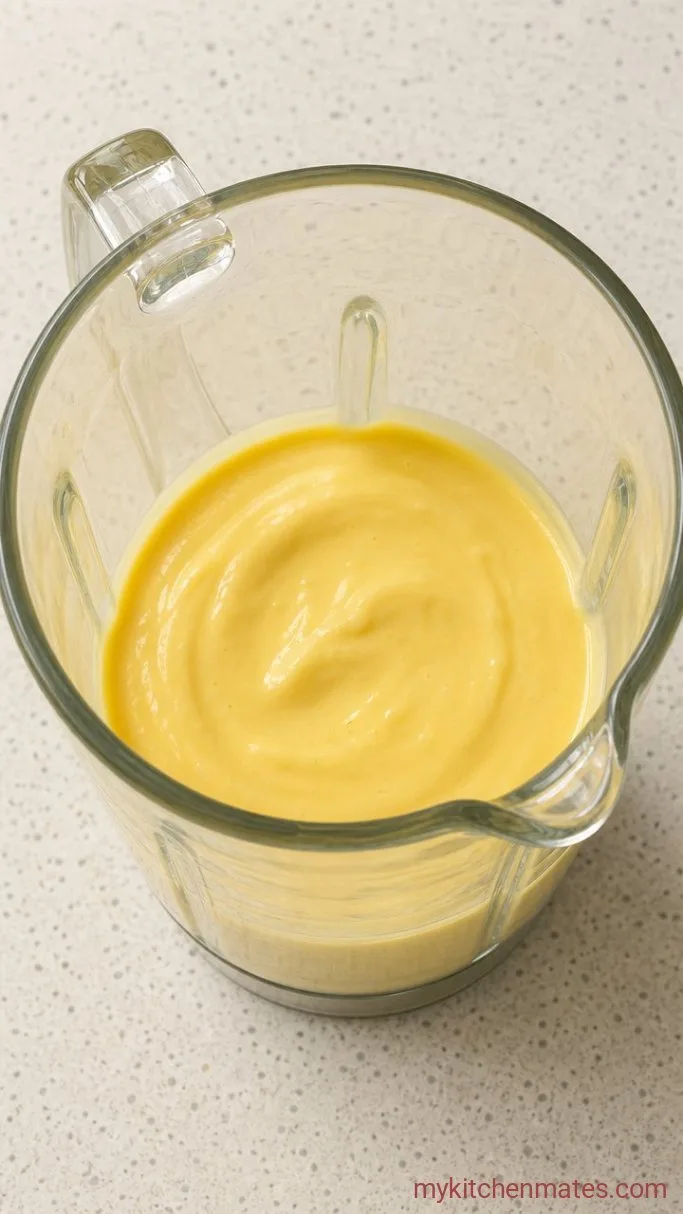
With the blender running on low, slowly drizzle the 1/2 cup of hot melted butter through the opening in the lid. Pour in a thin, steady stream over about 1 minute, and keep blending until the sauce turns thick and creamy, around 30 seconds more.
The butter needs to be genuinely hot, not just melted. If it’s too cool, the sauce can split. You’ll hear the blender pitch drop slightly as the mixture thickens, and the sauce will coat a spoon without running right off.
Step 3: Serve the Sauce

Add the remaining 1/4 teaspoon of salt and the pinch of cayenne, if using, then blend for a few more seconds. Pour the warm hollandaise into a serving bowl or directly over your dish and serve immediately.
The sauce will be pale gold and glossy, with a light lemony scent. Spoon it over poached eggs, steamed asparagus, or a piece of seared fish while it’s still warm and pourable.
Tips for the Best Hollandaise
- Warm the blender jar: by running it under hot water and drying it before you begin. A cold jar can chill the butter too fast and break the emulsion.
- If the sauce thickens too much, blend in a teaspoon of warm water to loosen it. Add a little at a time until it’s the consistency you like.
- Hold the sauce: by setting the blender jar or a bowl in a larger bowl of barely warm water for up to 15 minutes. Stir once or twice to keep it smooth.
- If it does break, don’t panic. Blend a fresh egg yolk with a teaspoon of lemon juice in a clean jar, then slowly stream in the broken sauce while blending on medium.
Scale it for a smaller or larger batch:
| Servings | Egg Yolks | Butter (melted) |
|---|---|---|
| 2 | 2 large | 1/3 cup |
| 4 | 3 large | 1/2 cup |
| 6 | 4 large | 2/3 cup |
Storing Leftovers
- Refrigerate: store leftover hollandaise in an airtight container for up to 2 days. It will firm up when cold.
- Reheating: warm gently in a double boiler over low heat or in the microwave in 10-second bursts, whisking after each. The texture won’t be quite as silky as fresh, but it’s still good.
- Serve cold: spread chilled hollandaise onto toast or use it as a sandwich condiment for a rich, tangy lift.
What To Serve With Classic Hollandaise Sauce
Hollandaise is a natural partner for poached eggs in eggs Benedict, where it soaks into a toasted English muffin. Drizzle it over steamed asparagus or baby broccoli for a simple side that feels more special. It’s also lovely spooned over pan-seared salmon, grilled lobster tails, or a lightly charred steak where the buttery sauce contrasts with a crisp seared crust.
Frequently Asked Questions
Can I make hollandaise without a blender?
Yes, you can use a double boiler and whisk constantly. The blender method is more stable and faster, but the stovetop version works if you whisk carefully and control the heat.
Why did my hollandaise break?
Most often the butter wasn’t hot enough, or you added it too quickly. Cold butter doesn’t emulsify well, so make sure it’s hot and steaming before you pour.
Can I use salted butter?
Yes, just skip or reduce the added salt. Taste at the end and adjust, because the salt level in salted butter varies by brand.
Can I make it ahead of time?
Hollandaise is best served fresh, but you can hold it warm for up to 15 minutes as described in the tips. It doesn’t reheat perfectly, so I don’t recommend making it far in advance.
What’s the difference between hollandaise and béarnaise?
Béarnaise starts similarly but replaces lemon juice with a reduction of white vinegar, shallots, and tarragon, and folds in fresh tarragon at the end. It’s herby and a little sharper.
Classic Hollandaise Sauce Recipe
Ingredients
Method
- Combine egg yolks, lemon juice, and a pinch of salt in a blender. Blend on medium for 30 seconds until pale and slightly thickened.
- With the blender running on low, slowly drizzle the hot melted butter in a thin, steady stream over about 1 minute. Continue blending until the sauce is thick and creamy.
- Add salt to taste and cayenne if using, then blend a few seconds more. Pour the sauce into a serving bowl or directly over your dish and serve immediately.
Notes
