
Cabbage Paratha (Crispy Stuffed Indian Flatbread)

Cabbage paratha is a spiced, pan-fried Indian flatbread stuffed with finely shredded cabbage and a handful of pantry spices. It’s the kind of bread that turns a humble vegetable into something you actually look forward to eating.
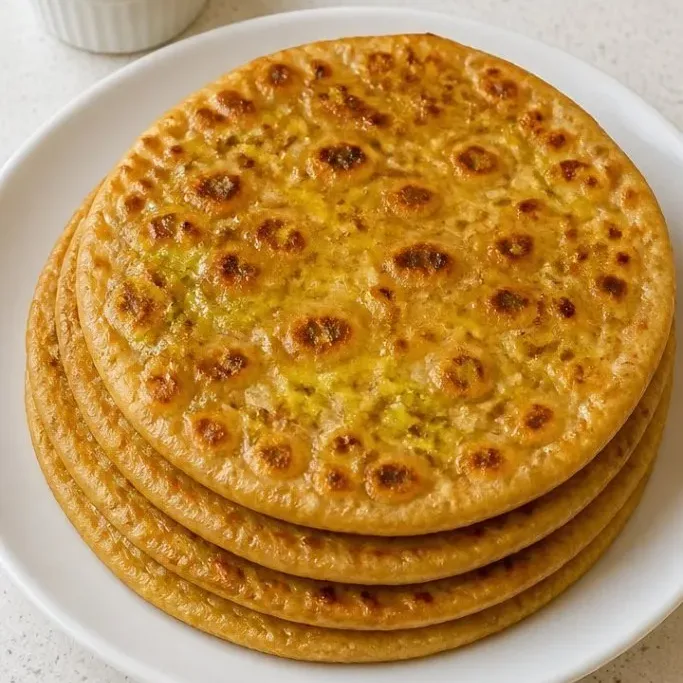
The dough is soft and chewy, the filling gets slightly crisp at the edges, and the whole thing is brushed with ghee or butter right off the tava. Serve it for breakfast with a cup of chai, pack it for lunch, or enjoy it as a quick dinner with a dollop of yogurt.
Why Cabbage Paratha Always Works
Cabbage paratha is one of those genius Indian flatbreads that turns a humble vegetable into something you crave. The filling is just shredded cabbage with cumin, coriander, and green chili, but once it’s sealed inside whole wheat dough and cooked on a hot tava, it gets toasty and fragrant.
I love that it uses up a half-head of cabbage sitting in the fridge, and it’s sturdy enough to pack in a lunchbox. The parathas stay soft and pliable even after they cool, which makes them one of the most forgiving flatbreads to cook.
Ingredients
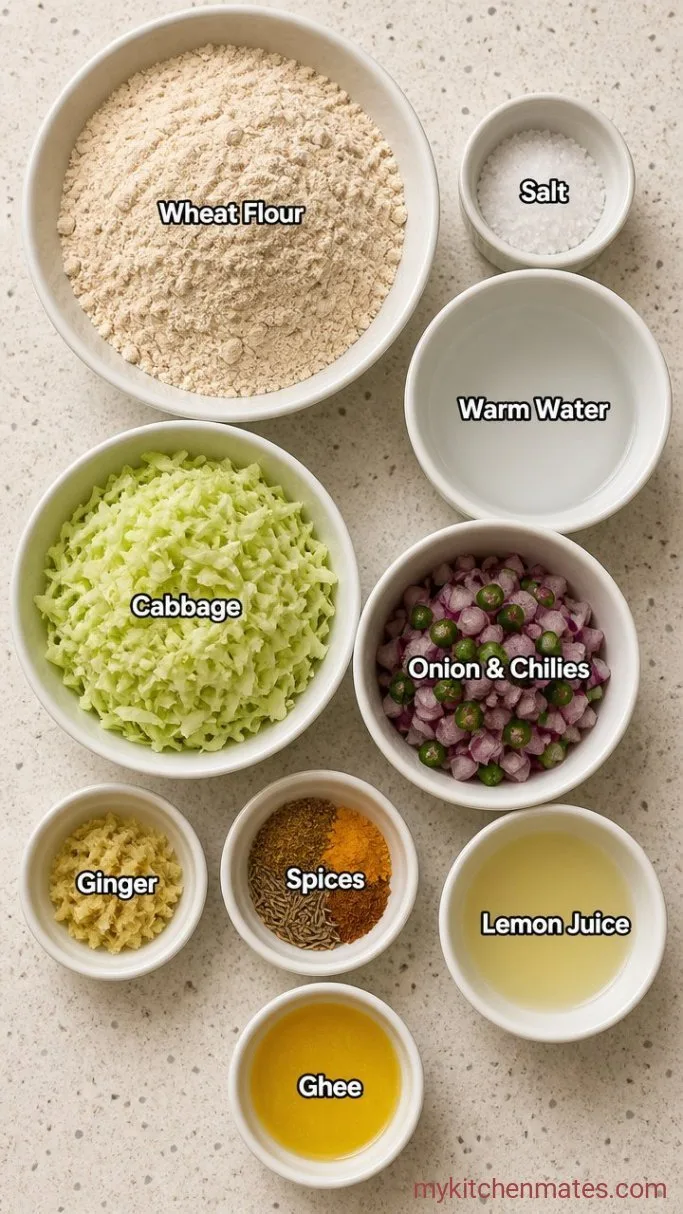
- 1 cup (120 g) whole wheat flour (atta): plus extra for rolling
- ¼ tsp salt: for the dough
- ½ cup (120 ml) warm water: add more as needed
- 2 cups (200 g) finely shredded green cabbage: from about ¼ of a medium head
- ½ small red onion, finely chopped: (optional)
- 1 to 2 green chilies, finely chopped: adjust to your heat preference
- 1 tsp grated fresh ginger
- ½ tsp cumin seeds
- ½ tsp coriander powder
- ¼ tsp ground turmeric
- ¼ tsp garam masala: (optional)
- ¼ tsp salt: for the filling
- 1 tsp lemon juice: or ¼ tsp amchur powder
- 2 to 3 tbsp ghee or neutral oil: for cooking
Variations / Substitutions
- Make it vegan: Use a neutral oil like avocado or sunflower instead of ghee.
- Different vegetables: Replace up to half the cabbage with grated carrot or beetroot for sweetness and color.
- Skip the onion: The filling still has plenty of flavor without it.
- Adjust the heat: Use just one green chili or swap for a pinch of red chili powder.
- Add fresh herbs: Stir 2 tablespoons of chopped cilantro into the filling right before stuffing.
Indian Fish Fry is the main dish we love pairing with this cabbage.
How to Make Cabbage Paratha
Step 1: Knead the Dough
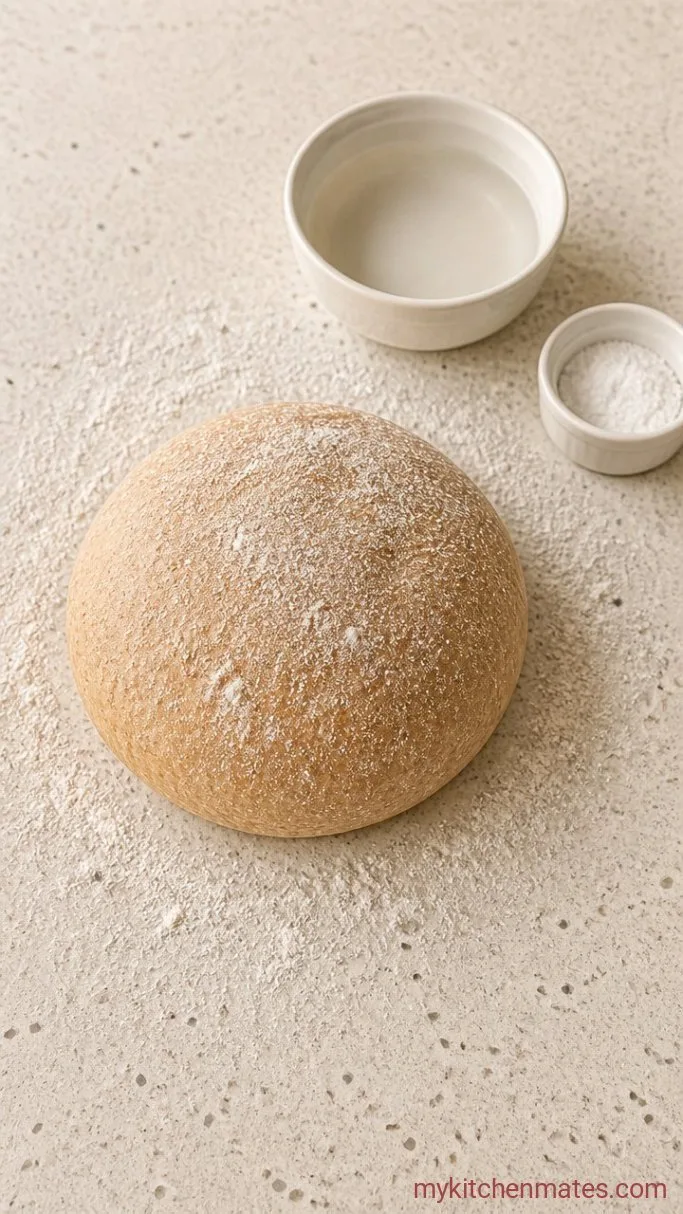
Place 1 cup whole wheat flour and ¼ tsp salt in a bowl. Slowly pour in about ½ cup warm water while mixing with your hand or a spoon, then bring the dough together. Knead on the counter for 5 minutes until smooth.
The dough should feel soft and pliable, not tacky. If it sticks, dust in a little more flour; if dry, wet your palm and work it in. Cover with a damp cloth and let it rest for 15 minutes while you prepare the filling.
Step 2: Mix the Cabbage Filling

In a large bowl, toss together the 2 cups shredded cabbage, chopped onion (if using), 1 to 2 green chilies, 1 tsp ginger, ½ tsp cumin seeds, ½ tsp coriander powder, ¼ tsp turmeric, ¼ tsp garam masala (if using), and the remaining ¼ tsp salt. Squeeze in 1 tsp lemon juice (or sprinkle amchur) and mix well with your fingers.
The cabbage will glisten with spices and begin to release a little moisture. Let the filling sit for 5 minutes so the salt draws out some water; this keeps the dough from getting soggy later.
Step 3: Stuff and Roll the Parathas

Divide the dough into 4 equal balls. Dust a clean surface with flour and roll one ball into a 4-inch disc. Place 2 to 3 tablespoons of filling in the center, leaving a margin, then gather the edges up like a pouch, pinch to seal, and flatten gently. Roll it out again into a 6 to 7-inch round, rolling from the center outward with light pressure.
Roll carefully; you might see thin spots where the cabbage peeks through, but a few tears are fine. If the paratha sticks, dust with a little more flour.
Step 4: Cook on the Tava

Heat a tava or large cast-iron skillet over medium heat. Once hot, lay one rolled paratha on the dry surface and let it cook for about 1 minute, until you see light brown spots on the underside. Flip it and drizzle about ½ tsp ghee or oil around the edges and on top. Cook for another 1 to 2 minutes, pressing gently with a spatula until both sides are speckled with golden-brown spots.
The paratha will puff up in places and smell warm and toasty. Adjust the heat if it browns too fast; you want it to cook through without burning.
Step 5: Brush with Ghee and Serve

As soon as the paratha comes off the tava, brush the top lightly with a little more ghee if you like. The fat soaks into the hot bread and keeps the crust glossy and tender. Serve right away with a spoonful of plain yogurt, achar, or a pat of cold butter.
Tips for the Best Cabbage Paratha
- Squeeze the cabbage if it’s very wet: If your shredded cabbage seems watery, press it in a clean kitchen towel to remove excess liquid before mixing the filling. Soggy filling can make the dough hard to handle.
- Shred the cabbage super fine: Use a mandoline or the small holes on a box grater. Thick pieces can tear the dough when you roll it out.
- Don’t overstuff early on: If you’re new to stuffed parathas, start with a scant 2 tablespoons of filling and a slightly thicker dough disc. You can work up to more once you get the feel.
- Keep the heat medium: A tava that’s too hot will burn the outside before the dough cooks through. A steady medium heat gives you crisp edges and a fully cooked centre.
Storing Leftover Parathas
- Refrigerate: Let parathas cool completely, then stack them with a piece of parchment between each and store in an airtight container. They keep well for up to 3 days.
- Reheating: Warm them on a hot, dry tava or skillet for about 30 seconds per side, or pop them in a toaster. They crisp up nicely again.
What to Serve With Cabbage Paratha
A cabbage paratha is substantial on its own, but a cool, creamy raita or a tangy mango pickle makes it sing. Pair it with a simple dal, like yellow moong dal tadka, for a complete meal, or spoon on some spicy green chutney if you want extra heat.
Frequently Asked Questions
Can I make cabbage paratha without onion and garlic?
Yes. The paratha is still flavourful with just the cabbage and spices. Omit the onion entirely and use a pinch more ginger.
What if I don’t have a tava?
A large cast-iron skillet or any heavy-bottomed frying pan works beautifully. The key is a surface that distributes heat evenly.
Can I prepare the dough or filling ahead of time?
Yes. The dough can be made up to 8 hours ahead and kept covered at room temperature, though refrigerating makes it stiff. The filling is best mixed no more than 30 minutes before using, so the salt doesn’t draw out too much water.
Can I freeze the uncooked parathas?
Yes. Roll them, place parchment between each, and freeze in a ziplock bag. Cook straight from frozen on a medium-hot tava; add an extra minute per side.
Cabbage Paratha Recipe
Ingredients
Method
- Knead 1 cup flour, ¼ tsp salt, and ½ cup warm water into a soft dough, rest covered 15 minutes.
- Mix cabbage, onion, chilies, ginger, cumin, coriander, turmeric, garam masala, ¼ tsp salt, and lemon juice. Let sit 5 minutes.
- Divide dough into 4 balls, roll each to a 4-inch disc, add 2 to 3 tbsp filling, seal, and roll to a 6 to 7-inch round.
- Cook on medium-hot tava 1 minute, flip, drizzle ½ tsp ghee, cook 1 to 2 minutes until golden-spotted.
- Brush with ghee off the heat and serve immediately with yogurt or pickle.
Notes
